Capitalization Rate
Learn about capitalization rates in Canadian real estate — what they are, how they’re calculated, and why they matter to investors.

August 07, 2025
What is Capitalization Rate?
The capitalization rate, or cap rate, is a measure used to estimate the return on investment for an income-producing property, calculated as Net Operating Income ÷ Purchase Price.
Why Capitalization Rate Matters in Real Estate
In Canadian real estate investing, the cap rate helps investors compare properties and evaluate relative risk.
Key points:
- Higher cap rates generally indicate higher risk and potential return
- Lower cap rates suggest lower risk and higher property value
- Sensitive to changes in income, expenses, and market conditions
Understanding cap rates allows investors to assess property profitability and market trends.
Example of Capitalization Rate in Action
The property sold at a 5% capitalization rate, reflecting its stable cash flow and desirable location.
Key Takeaways
- Indicates expected return on investment property
- Calculated using net operating income and purchase price
- Key metric for investors and appraisers
- Affected by income, expenses, and market conditions
- Helps compare property performance
Related Terms
- Net Operating Income
- Debt Coverage Ratio (DCR)
- Income Approach (Appraisal)
- Market Value
- Vacancy Rate
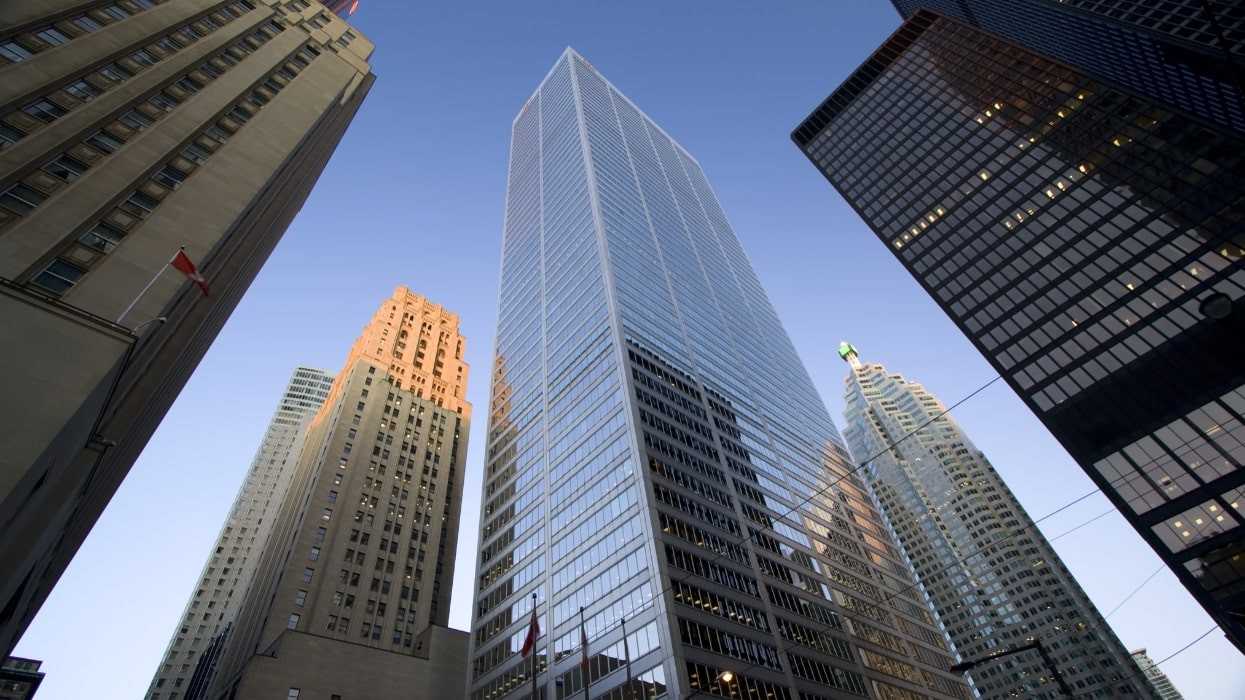
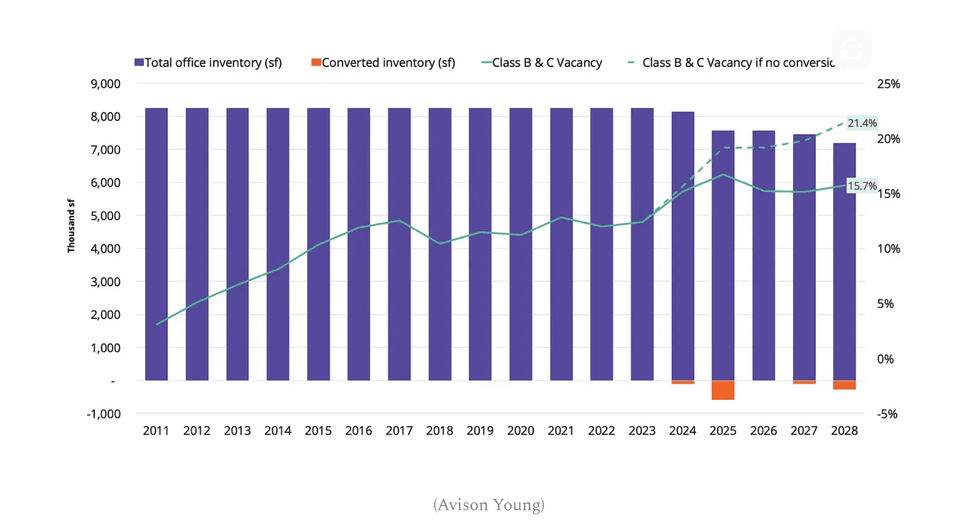 (Avison Young)
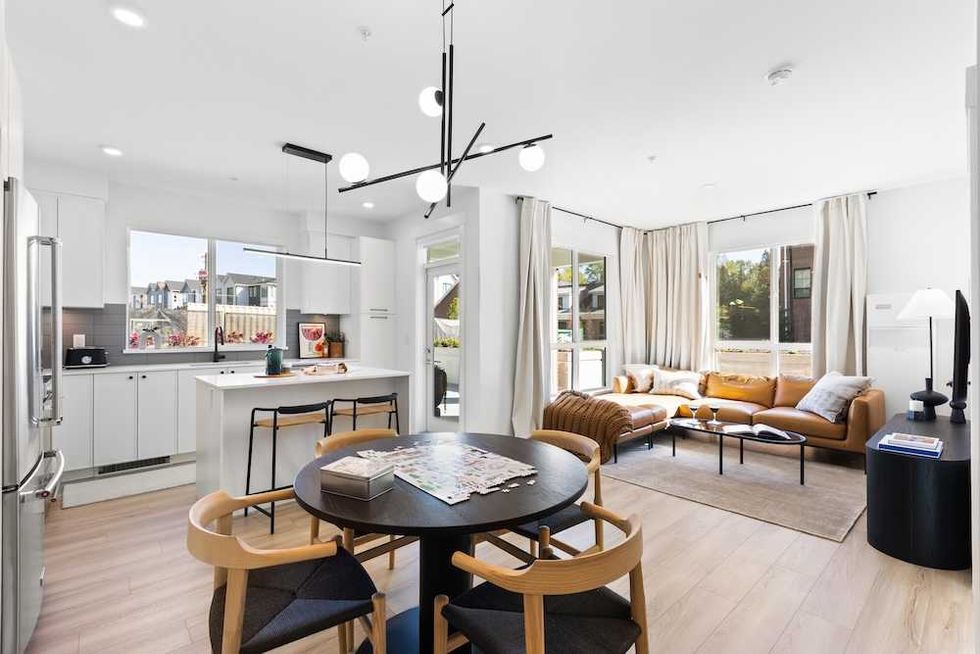 The Mason Suite Interior (Infinity Properties)
 The Mason Suite Interior (Infinity Properties)
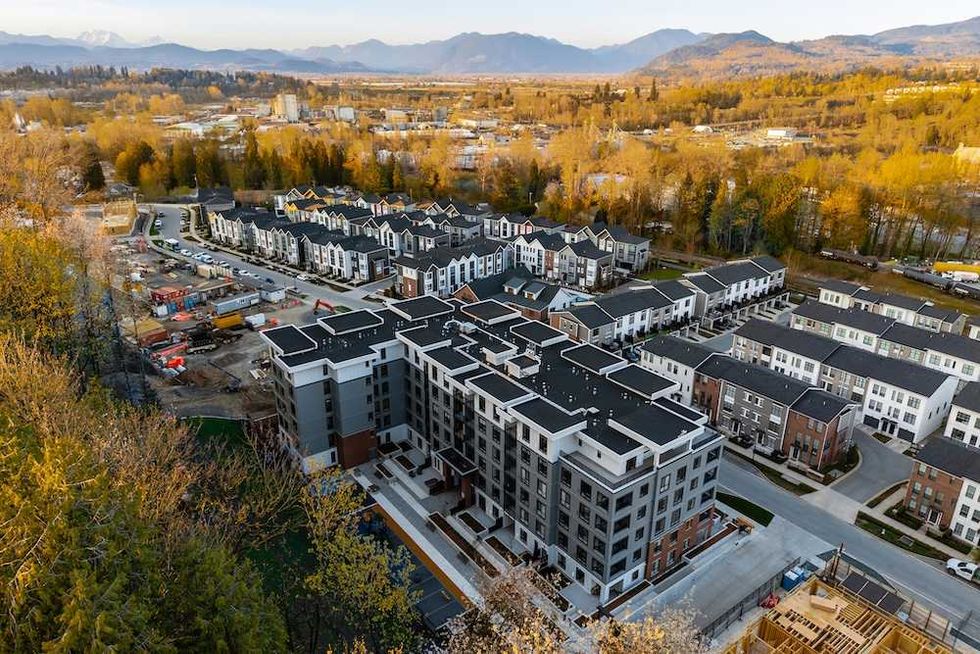 Rail District aerial (Infinity Properties)
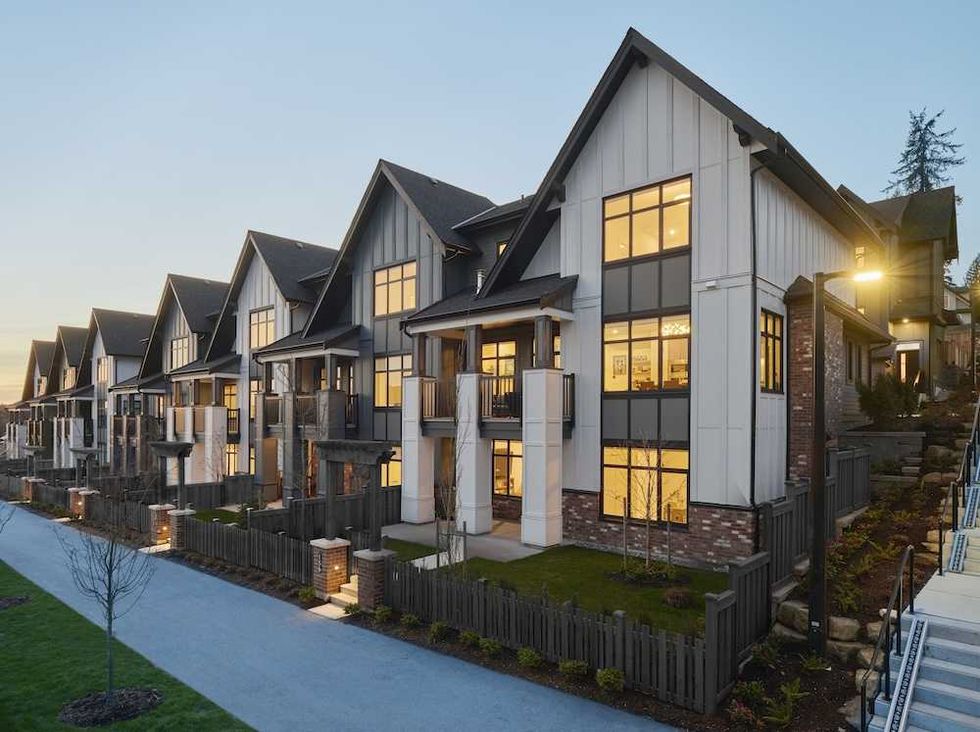 Versant (Infinity Properties)




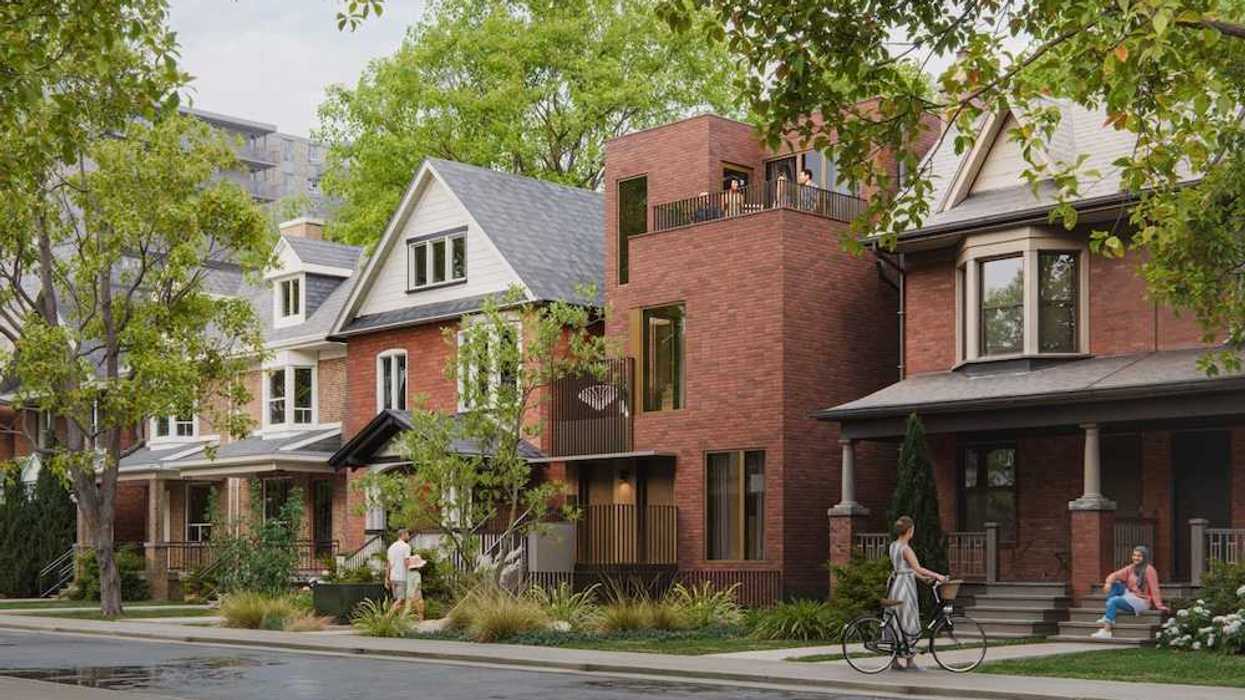
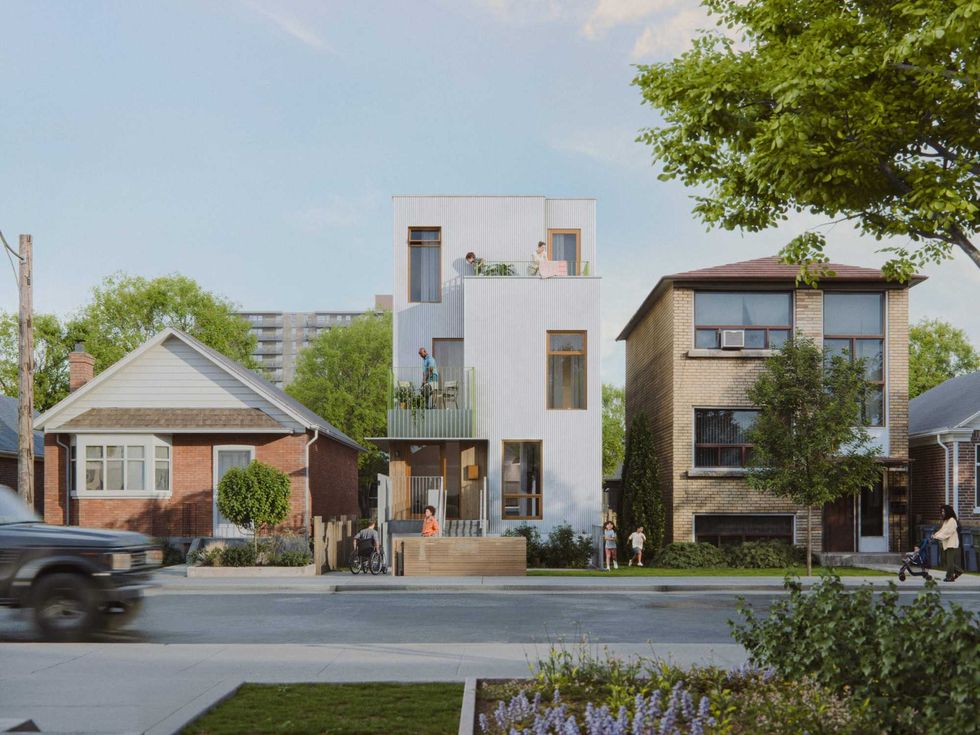 Narrow Fourplex (City of Toronto)
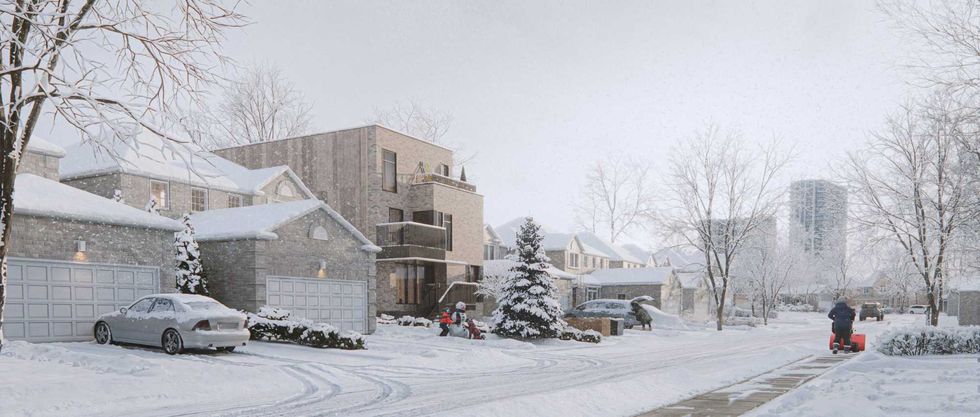 Wide Sixplex - Side View (City of Toronto)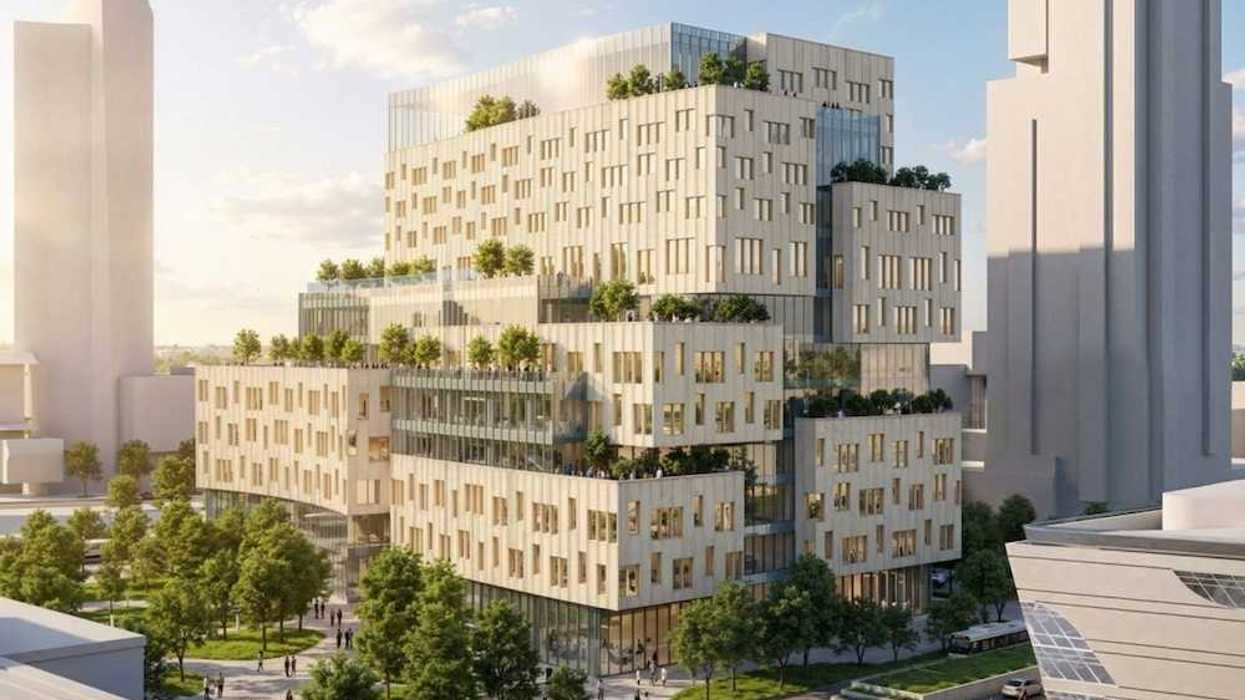
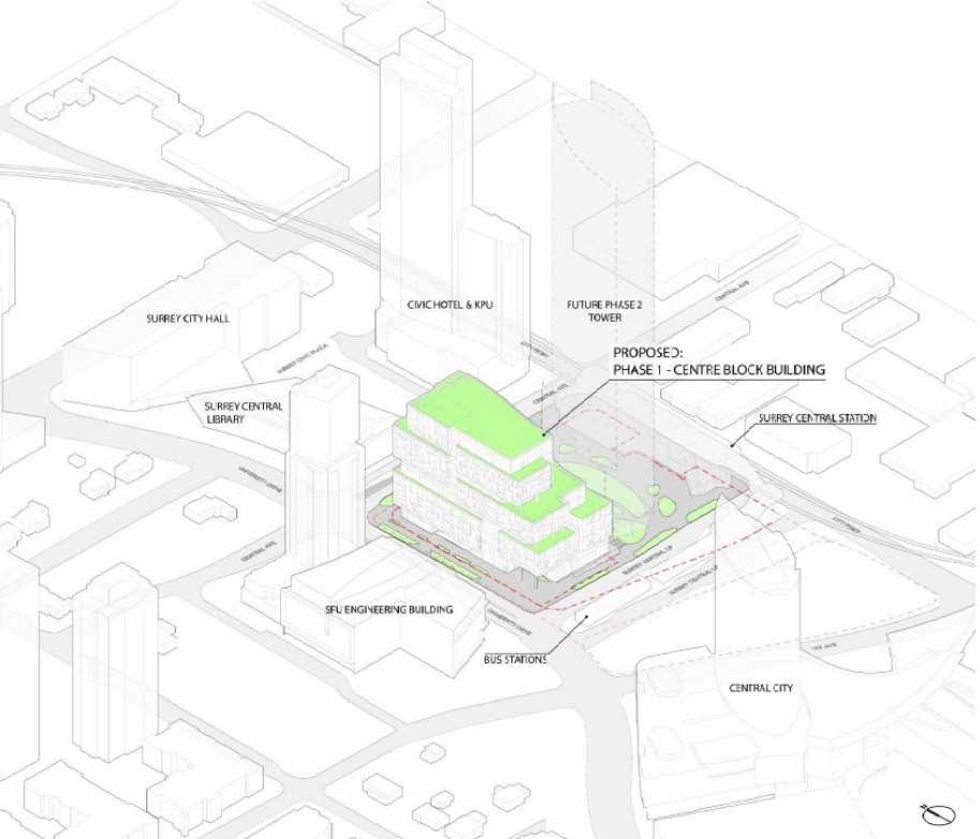 Centre Block and its surrounding context. (Stantec-Revery, SCDC)
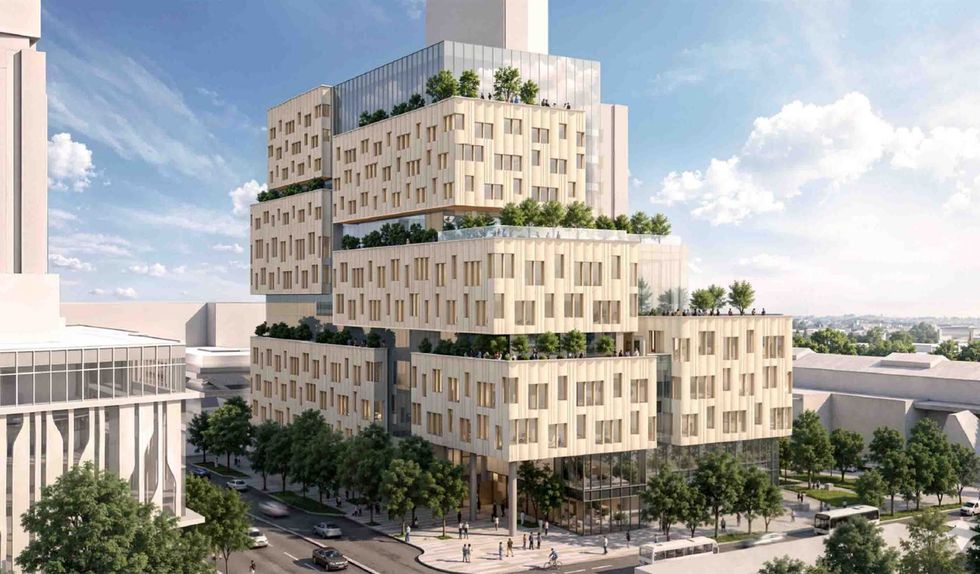 The 12-storey Phase One of Centre Block. (Stantec-Revery, SCDC)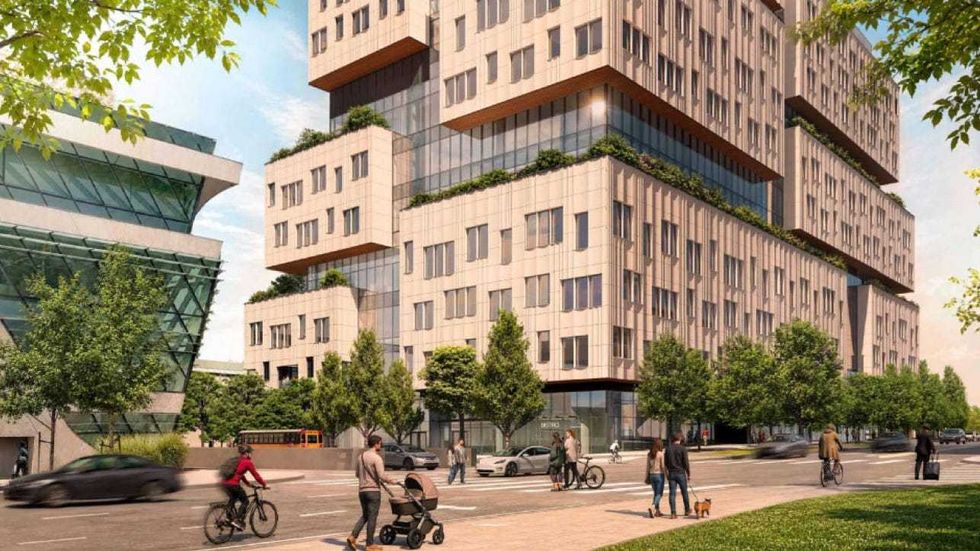
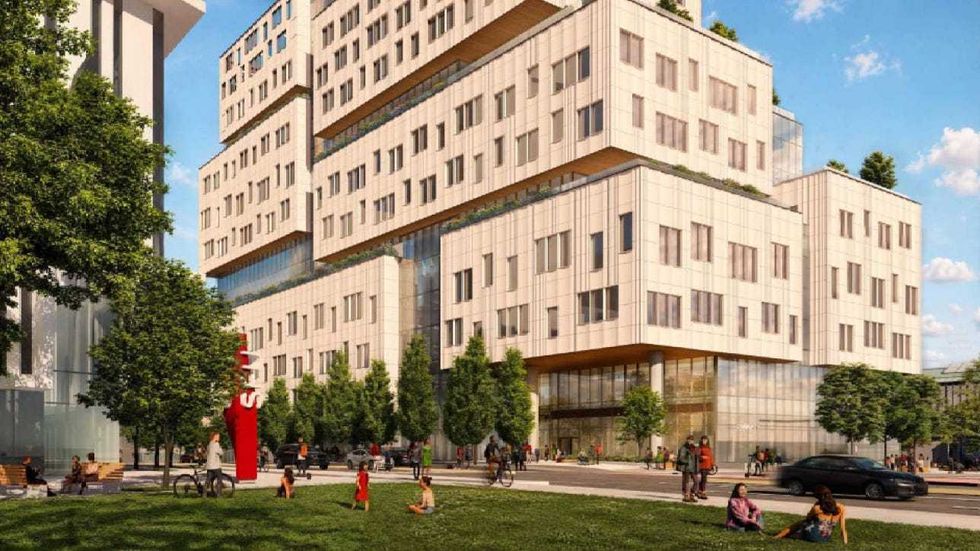 The 12-storey Phase One of Centre Block. (Stantec-Revery, SCDC)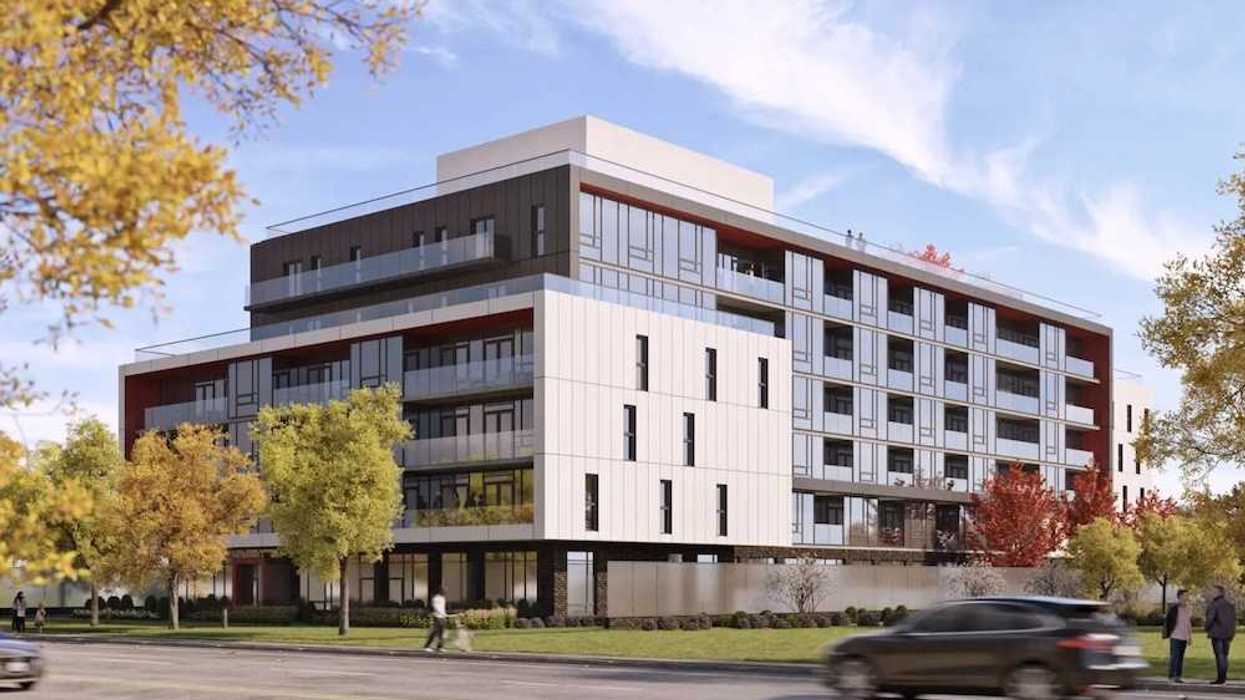
 Mondria One, set for 1607 King Street East in Clarington, Ontario. (ICON Architects Inc., Monde Development Group)