Land Lease Community
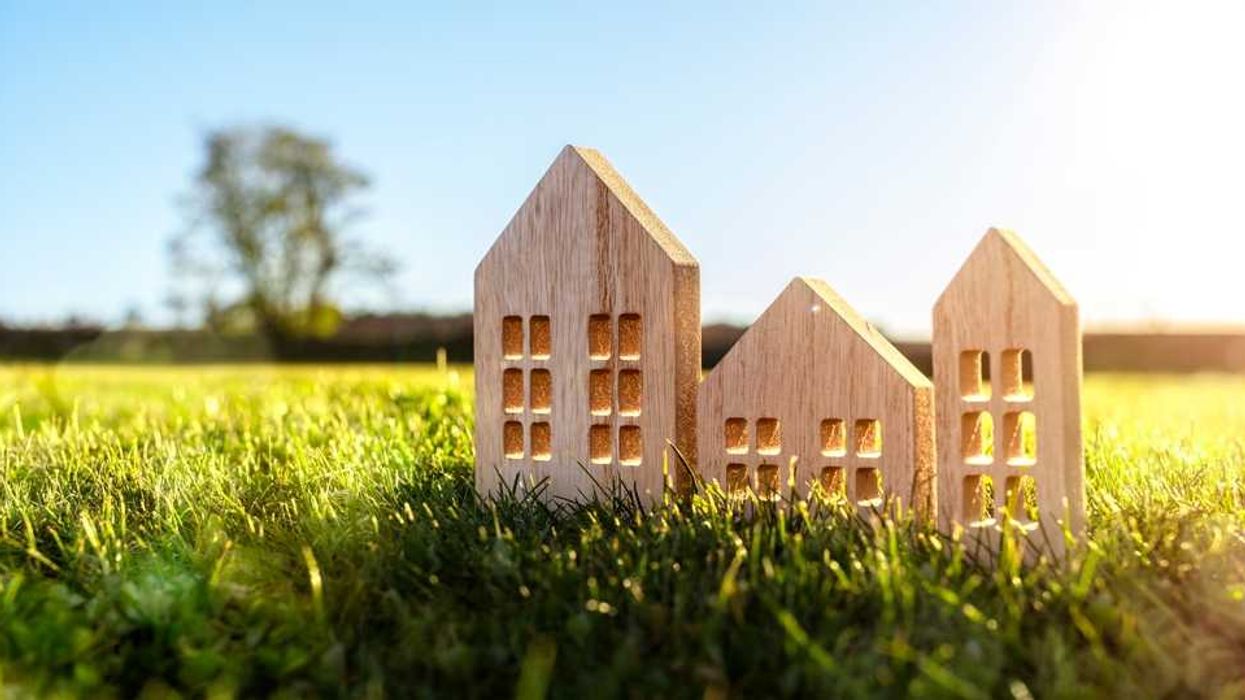
A land lease community is where residents own homes but lease the land, offering affordability with ongoing lease payments.
September 30, 2025
What is a Land Lease Community?
A land lease community is a residential development where residents own their homes but lease the underlying land from a landlord or developer. Common in manufactured home parks, retirement communities, and resort areas.
Why Land Lease Communities Matter in Real Estate
Land lease communities matter in real estate because they lower upfront costs for homeowners but add ongoing lease obligations. They provide affordable housing options but may impact long-term equity growth.
Example of Land Lease Community in Action
A retiree purchases a modular home in a land lease community, paying monthly rent for the lot while retaining ownership of the home itself.
Key Takeaways
- Residents own homes but lease underlying land.
- Common in retirement and manufactured home communities.
- Lowers upfront purchase costs.
- Creates ongoing lease obligations and restrictions.
- May affect long-term equity appreciation.
Related Terms
- Leasehold Estate
- Manufactured Housing
- Cooperative Housing
- Property Management
- Affordable Housing Program

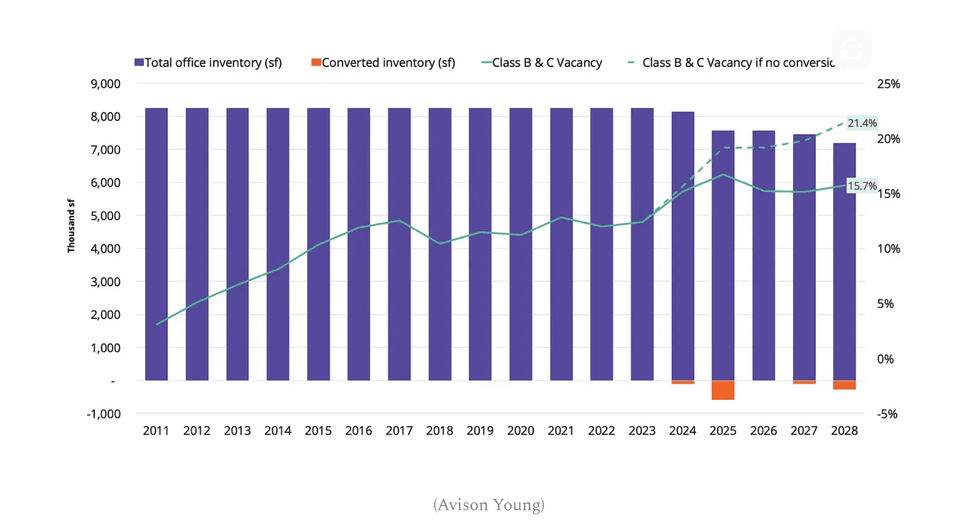 (Avison Young)


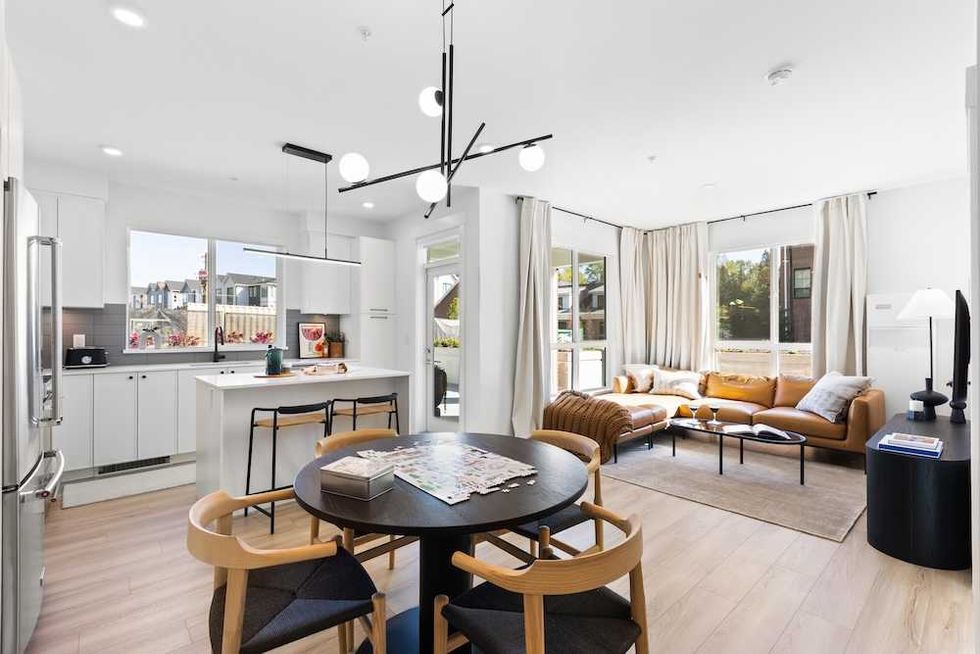 The Mason Suite Interior (Infinity Properties)
 The Mason Suite Interior (Infinity Properties)
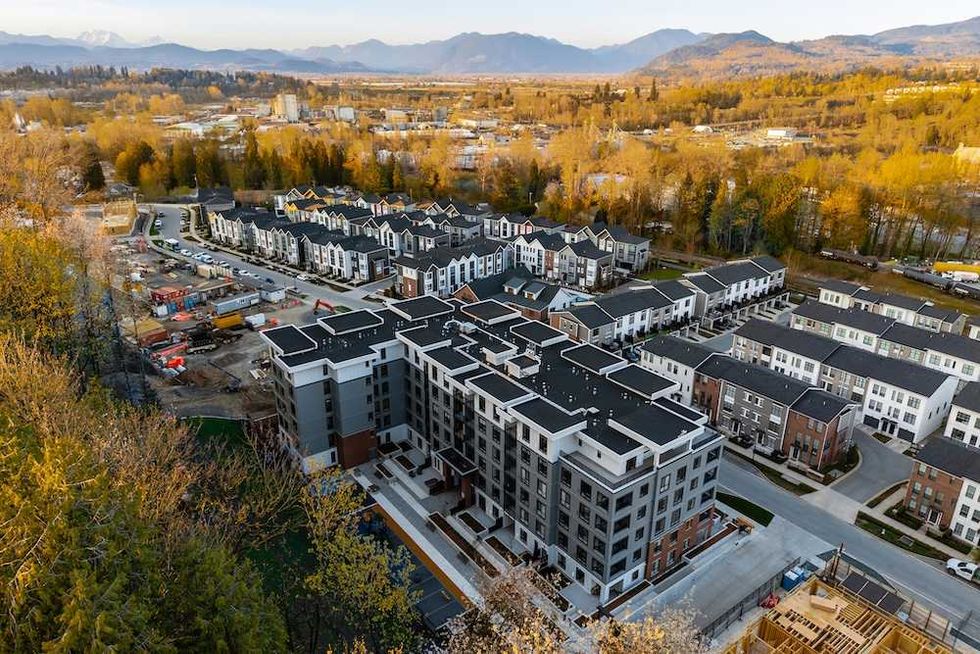 Rail District aerial (Infinity Properties)
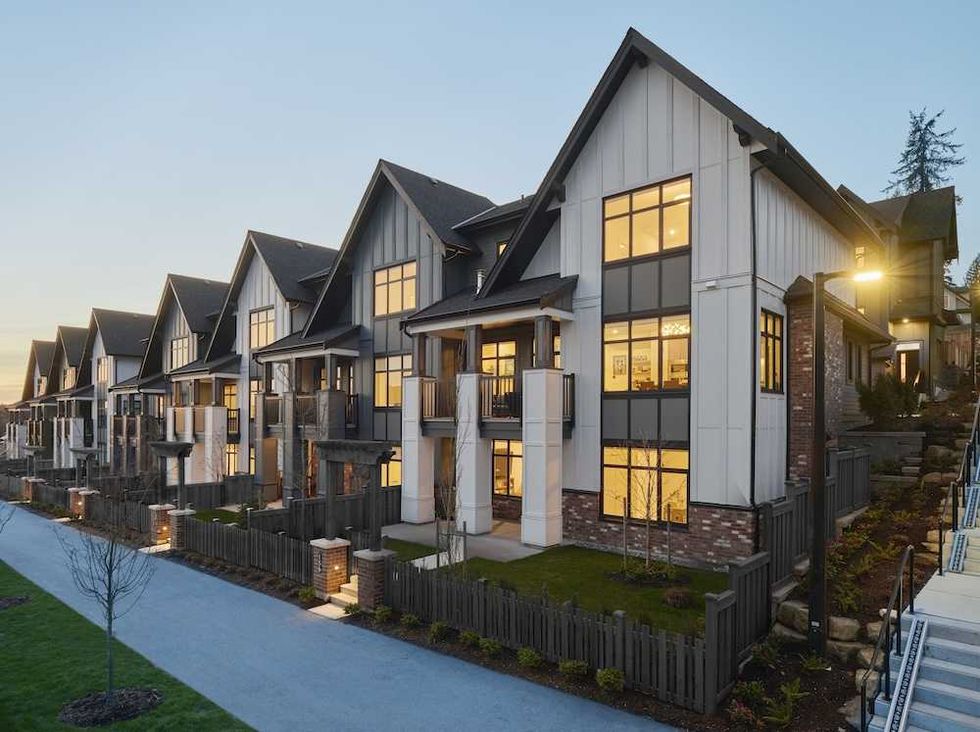 Versant (Infinity Properties)
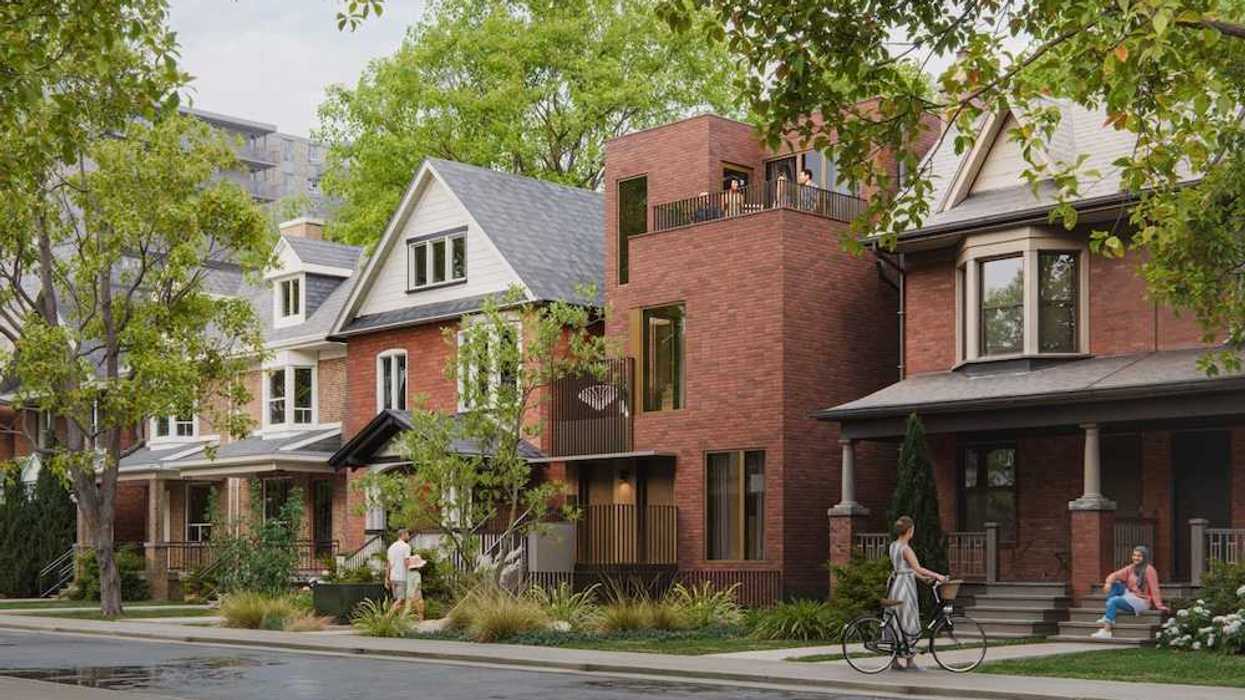
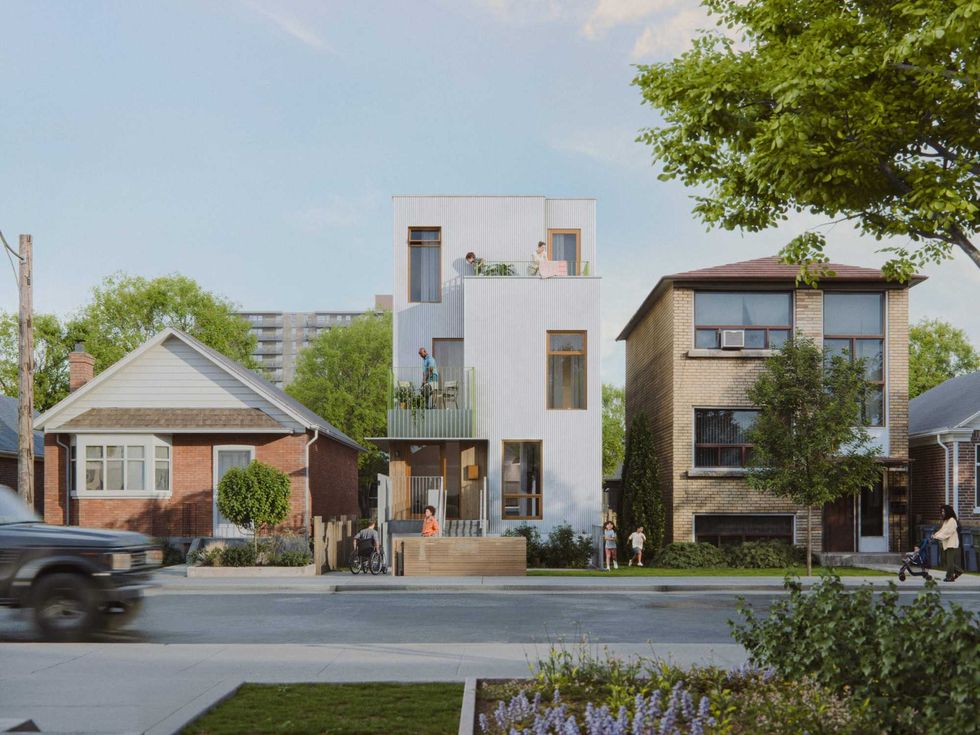 Narrow Fourplex (City of Toronto)
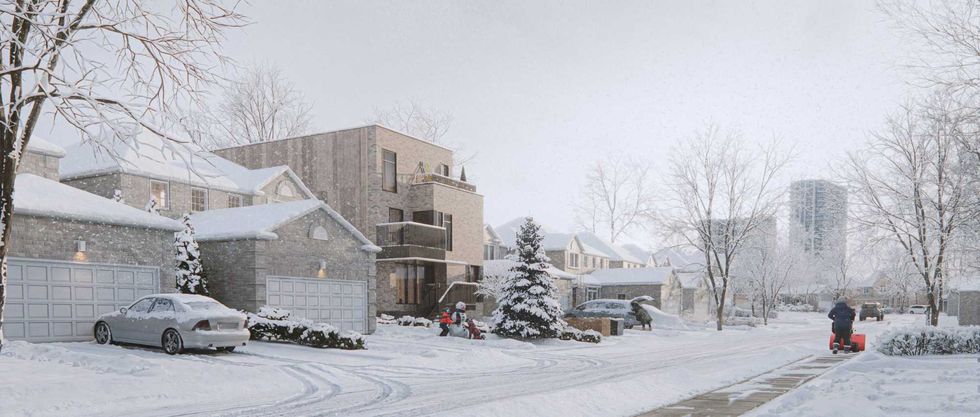 Wide Sixplex - Side View (City of Toronto)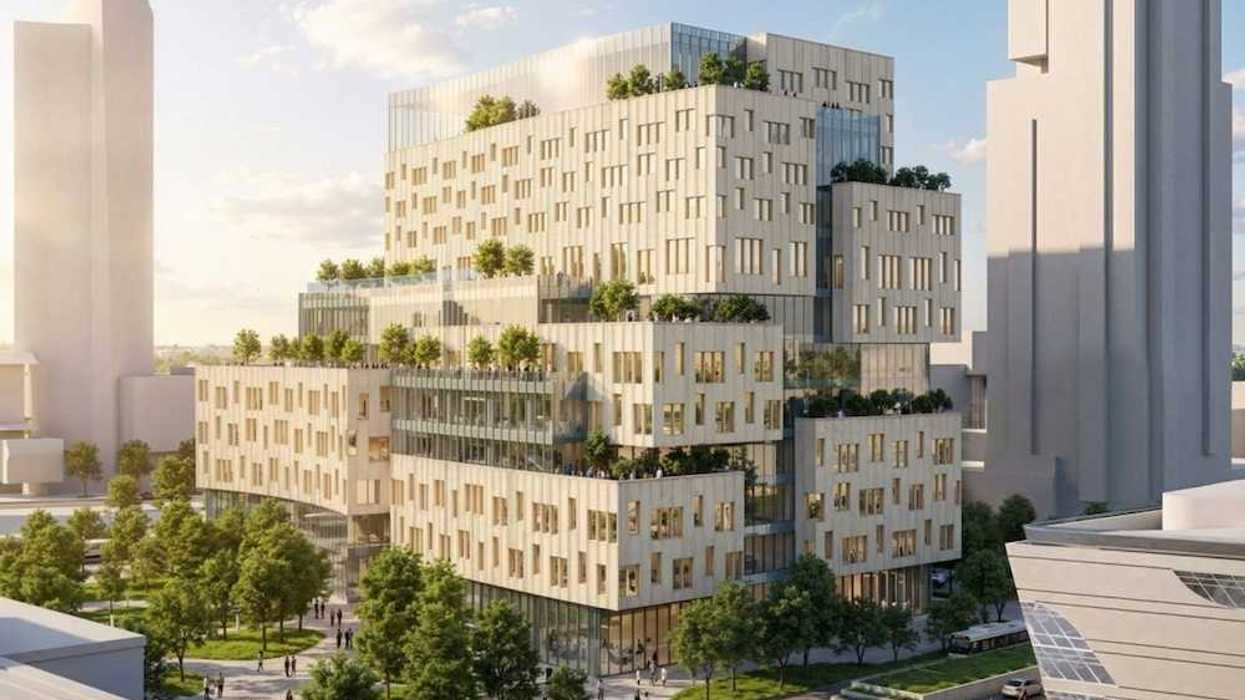
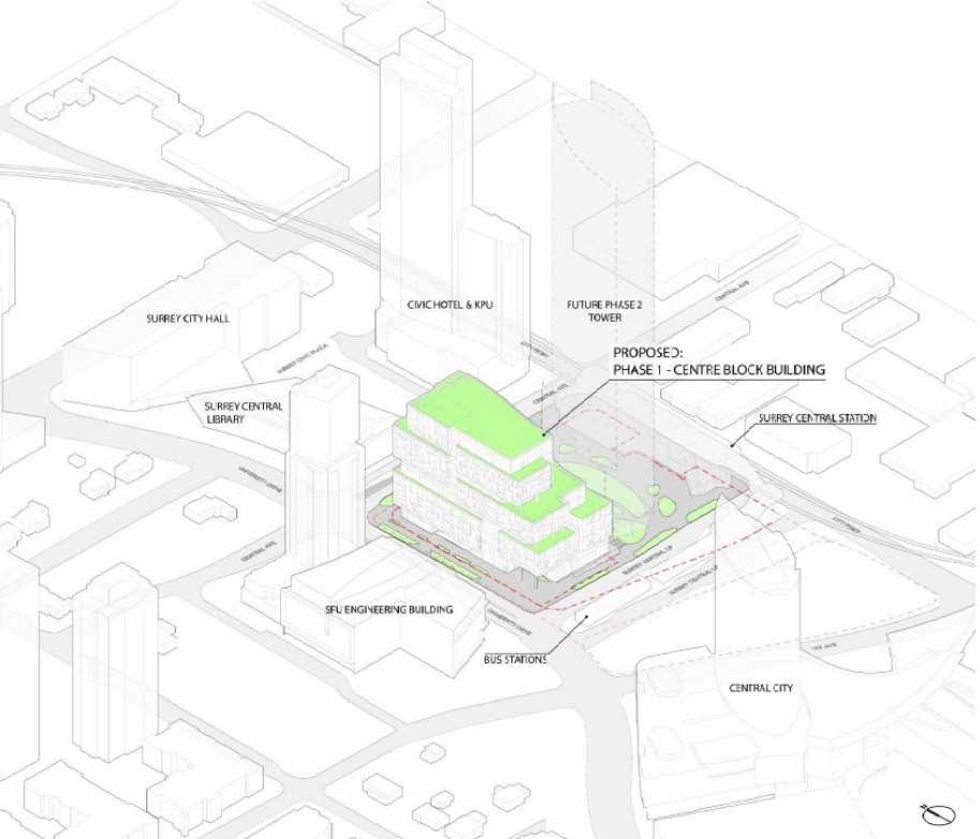 Centre Block and its surrounding context. (Stantec-Revery, SCDC)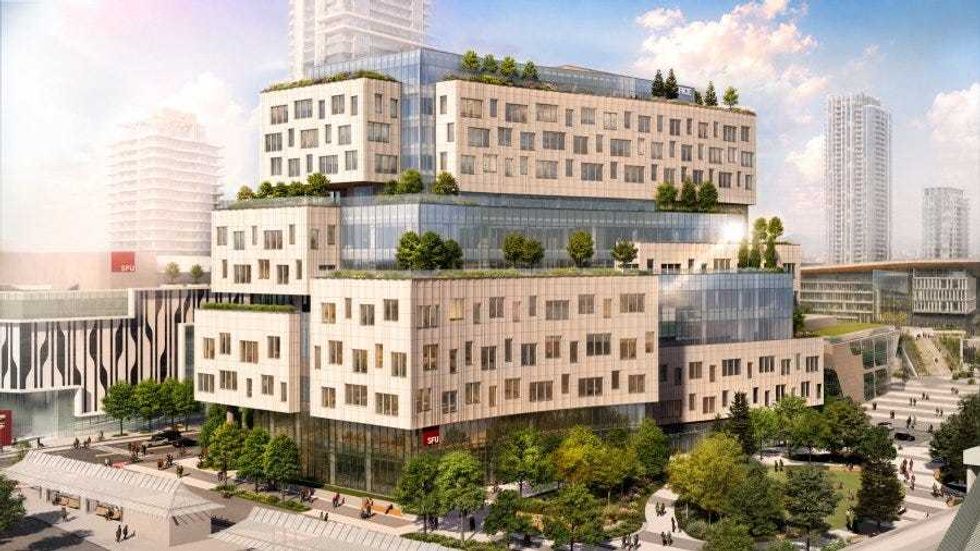
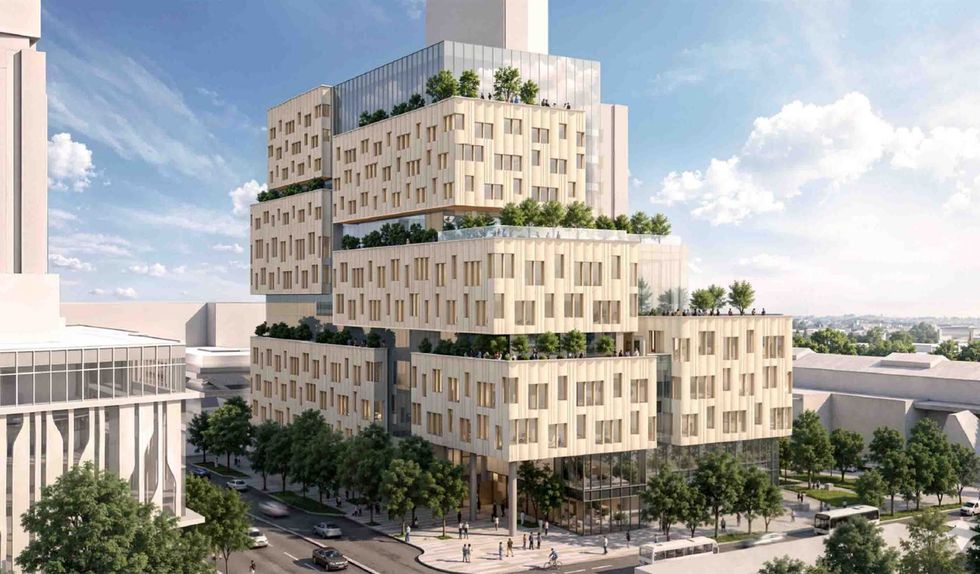 The 12-storey Phase One of Centre Block. (Stantec-Revery, SCDC)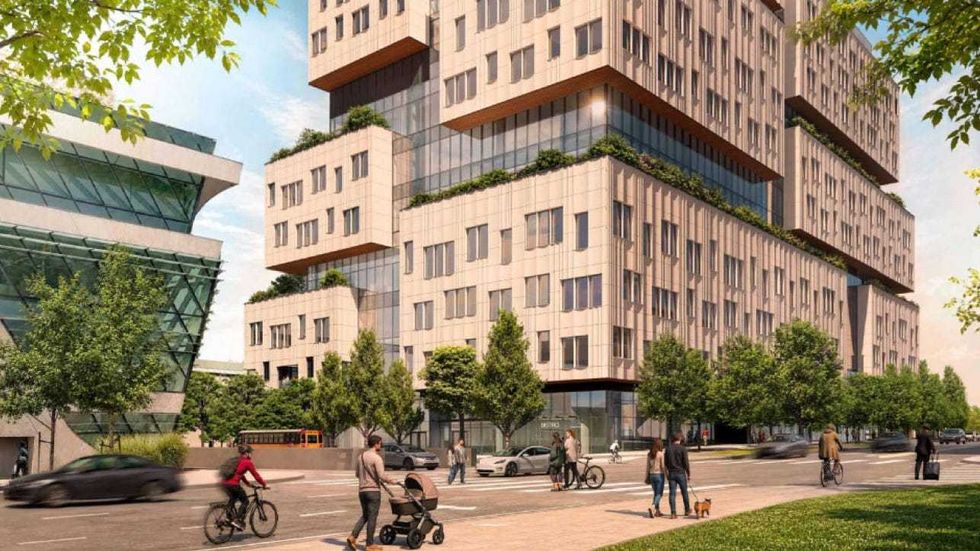
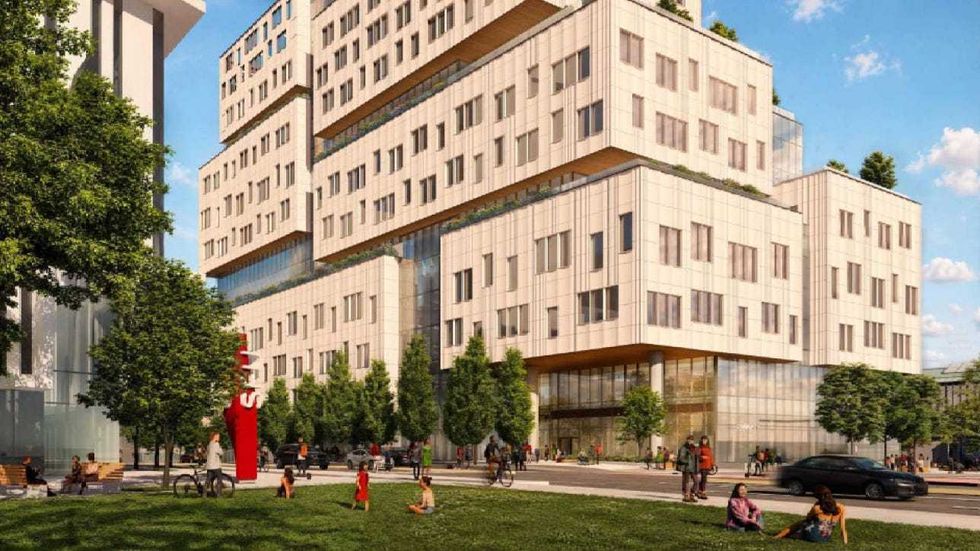 The 12-storey Phase One of Centre Block. (Stantec-Revery, SCDC)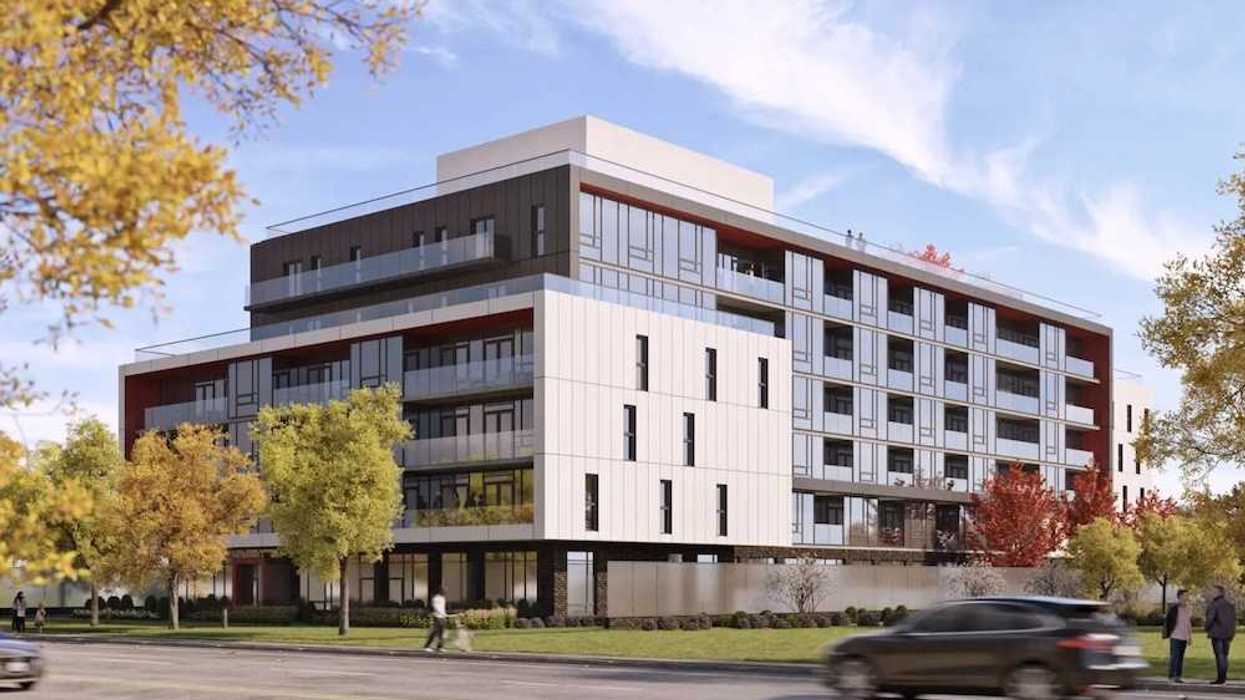
 Mondria One, set for 1607 King Street East in Clarington, Ontario. (ICON Architects Inc., Monde Development Group)