Drainage System
Learn about drainage systems in Canadian real estate, what they include, why they’re important, and how they prevent costly water damage.

May 30, 2025
What are Drainage Systems?
A drainage system refers to the infrastructure and design features that remove excess water from a property to prevent flooding, water damage, and structural deterioration.
Why Do Drainage Systems Matter in Real Estate?
In Canadian real estate, proper drainage is essential for protecting a property’s foundation, basement, and surrounding land from water infiltration.
Drainage systems may include:
- Eavestroughs and downspouts
- French drains and weeping tiles
- Grading and swales
- Sump pumps and catch basins
Inadequate drainage can lead to basement flooding, mold, and expensive repairs. Many home inspections assess drainage effectiveness, especially in older homes or high-precipitation regions.
Understanding drainage systems helps homeowners maintain their property and identify potential red flags when buying real estate.
Example of Drainage Systems in Action
A home’s grading slopes away from the foundation and includes downspouts that extend two metres, forming part of an effective drainage system.
Key Takeaways
- Prevents water damage and erosion.
- Includes gutters, grading, and sump systems.
- Essential for foundation integrity.
- Evaluated during inspections.
- Impacts home insurance and resale value.
Related Terms
- Foundation
- Sump Pump
- Floodplain
- Home Inspection
- Water Table

 Rendering of 86 and 100-108 Lombard St and 103 Richmond St E/WZMH Architects
 Rendering of 60 Overlea Blvd/Sweeny&Co Architects
 Rendering of 7 Labatt Ave and 77 River St/Giannone Petricone Associates
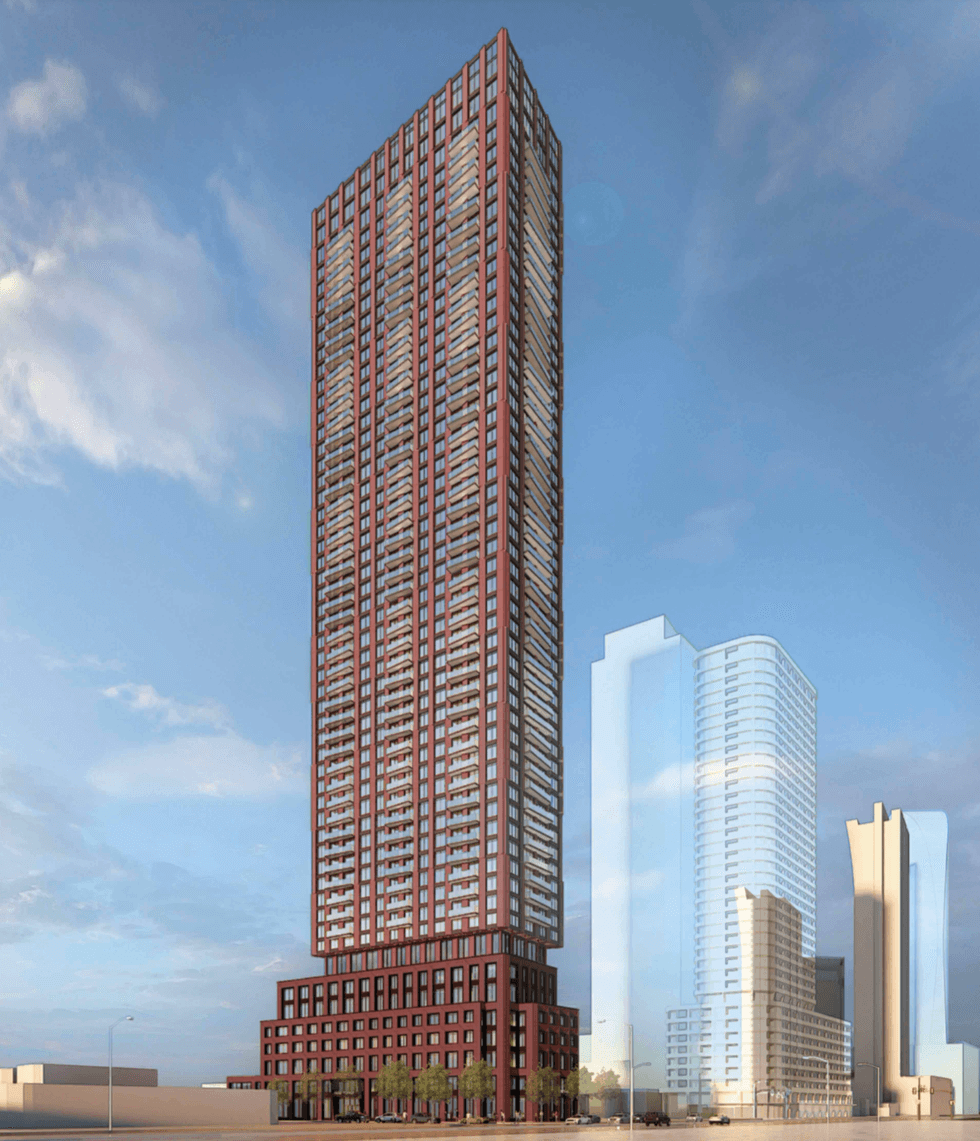 Rendering of 4632-4648 Yonge St and 16-18 Cameron Ave/Arcadis
 Rendering of 1234 Islington Ave/Sweeny&Co Architects




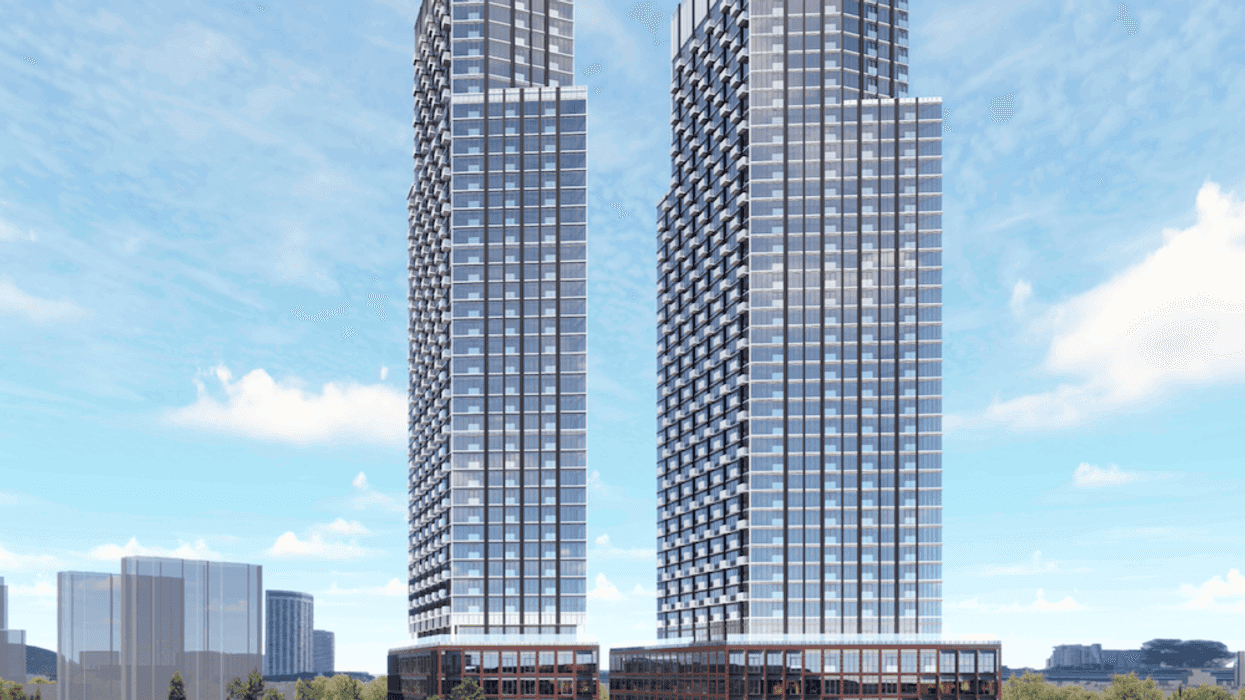

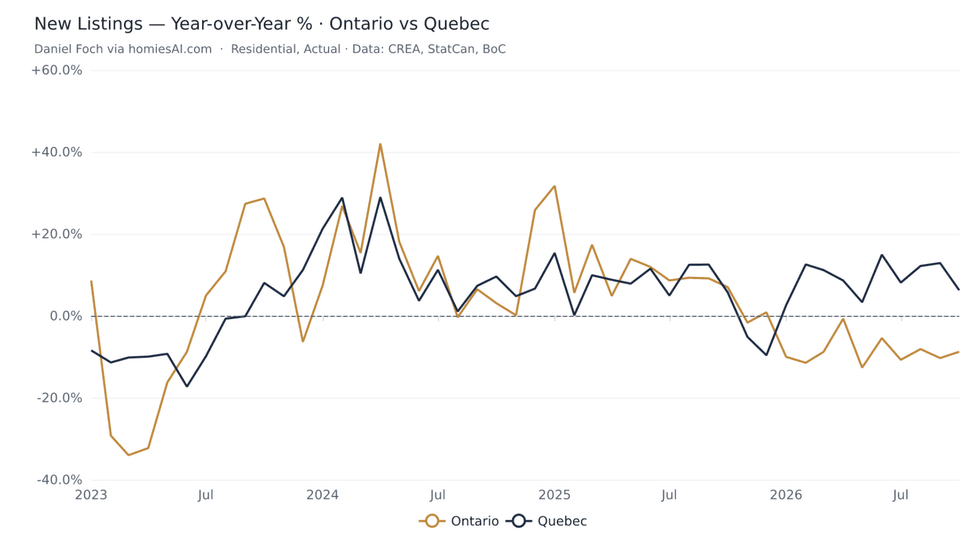 Chart: New listings, year-over-year %, Ontario vs Quebec. Daniel Foch via homiesai.com/stats. Data:
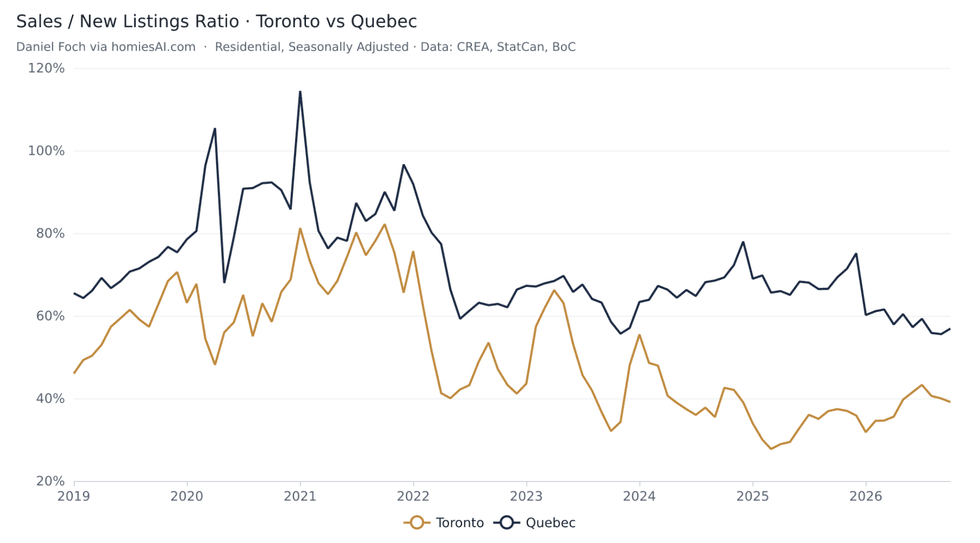 Chart: Sales-to-new-listings ratio, seasonally adjusted. Toronto vs Quebec. Daniel Foch via homiesai.com/stats. Data: CREA.
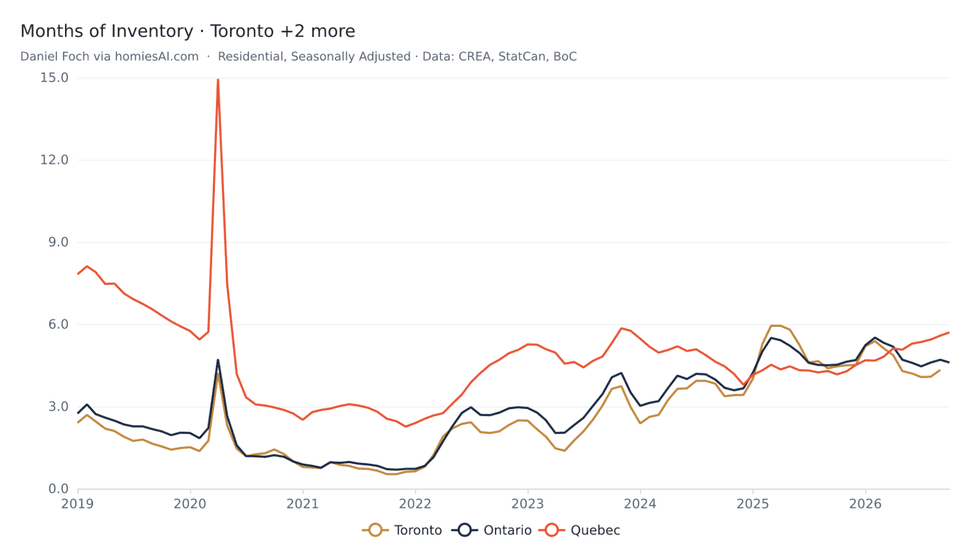 Chart: Months of inventory, seasonally adjusted. Daniel Foch via homiesai.com/stats. Data: CREA.
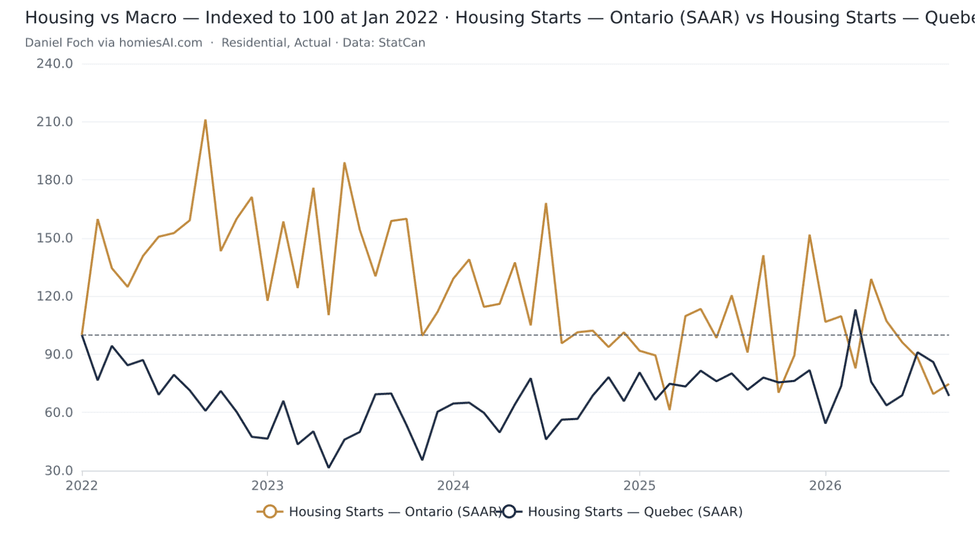 Chart: Housing starts, seasonally adjusted annual rate, Ontario vs Quebec, indexed to January 2022. Daniel Foch via homiesai.com/stats. Data: CMHC via Statistics Canada.
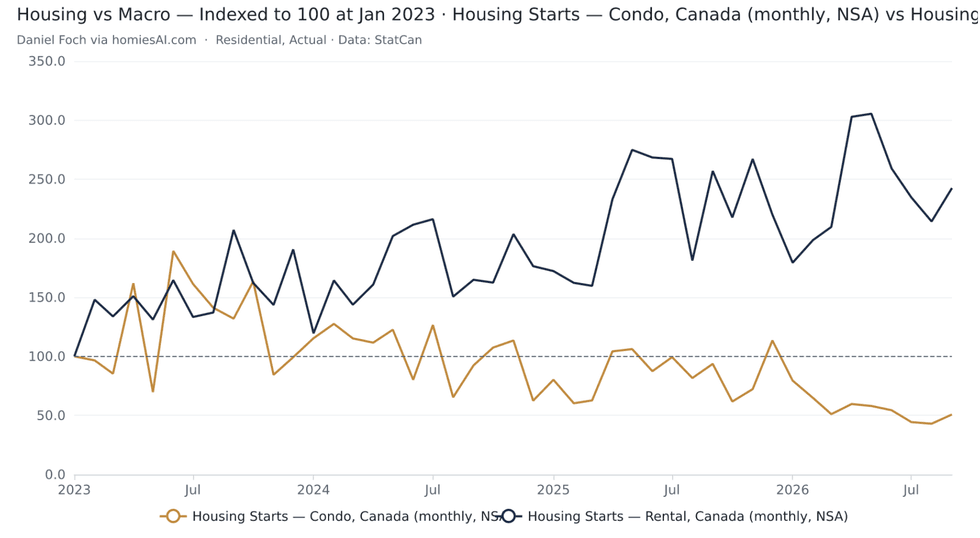 Chart: Condo vs rental housing starts, Canada, indexed to January 2023. Daniel Foch via homiesai.com/stats. Data: CMHC via Statistics Canada.
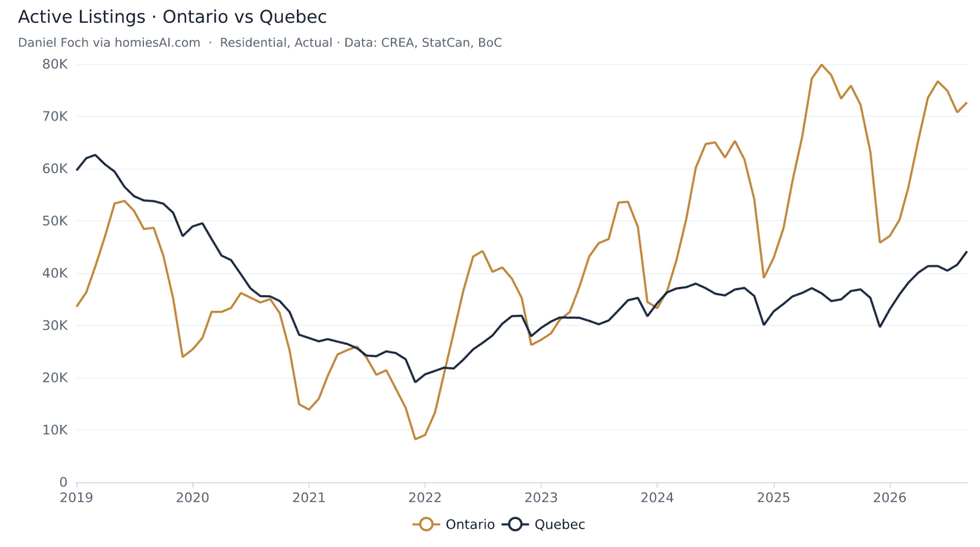 Chart: Active residential listings, Ontario vs Quebec. Daniel Foch via homiesai.com/stats. Data: CREA.

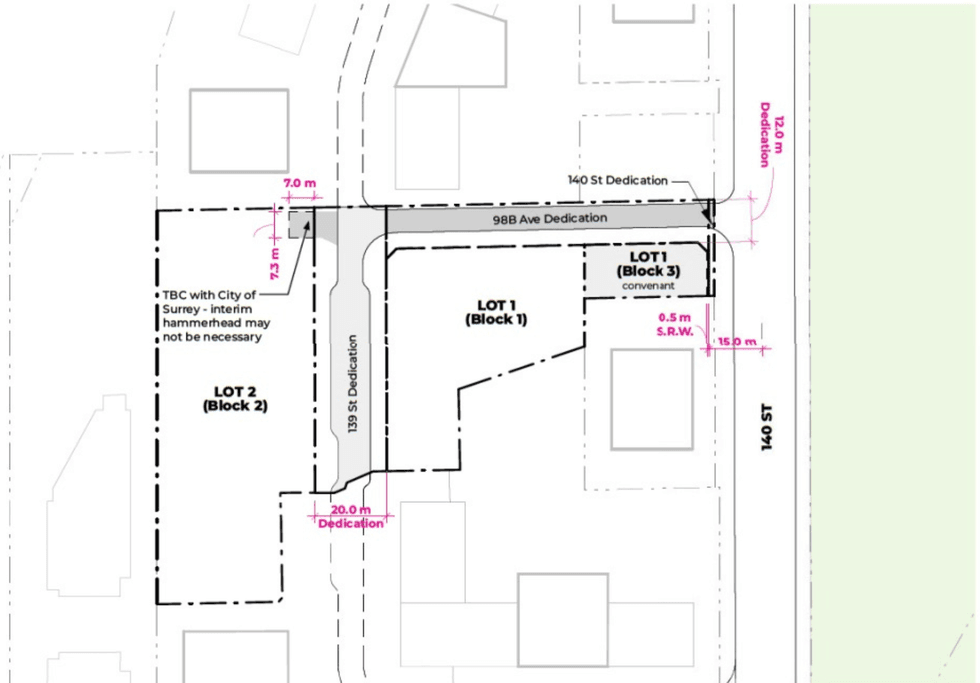 9883 140 Street and the proposed road dedications. (WW+P Architects, Entre Nous Femmes Housing Society)
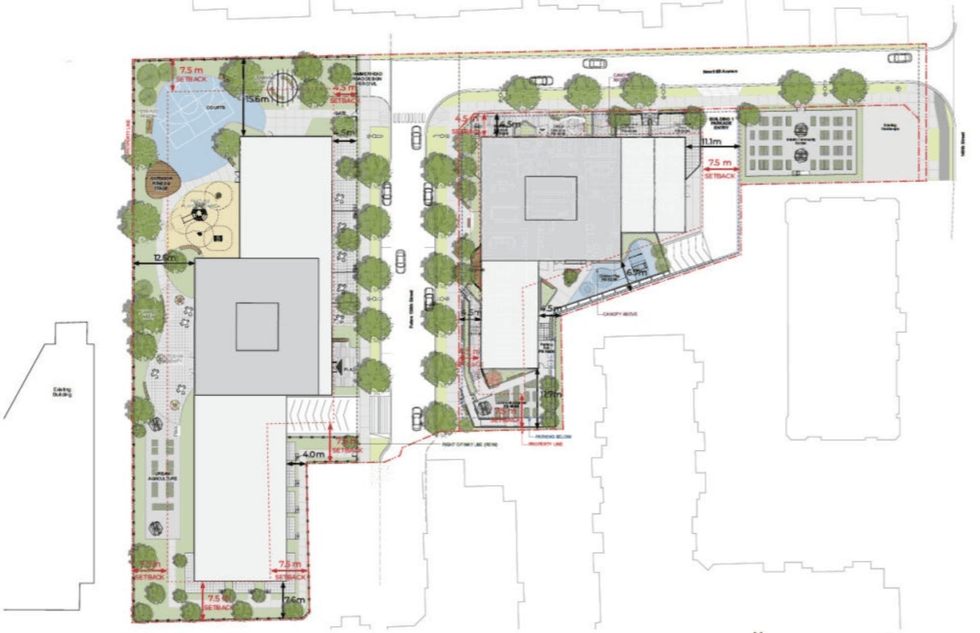 The
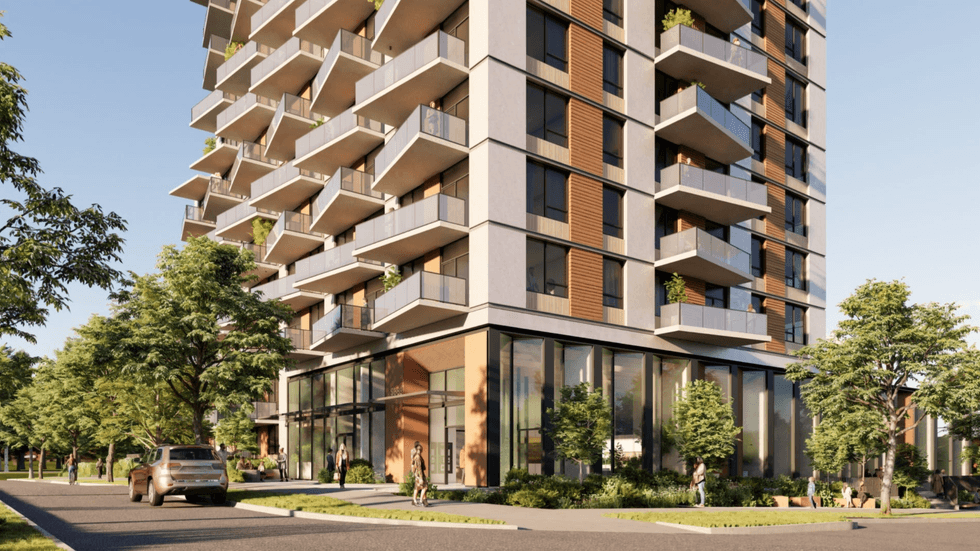 One of the towers proposed for 9883 140 Street. (Entres Nous Femmes Housing Society)

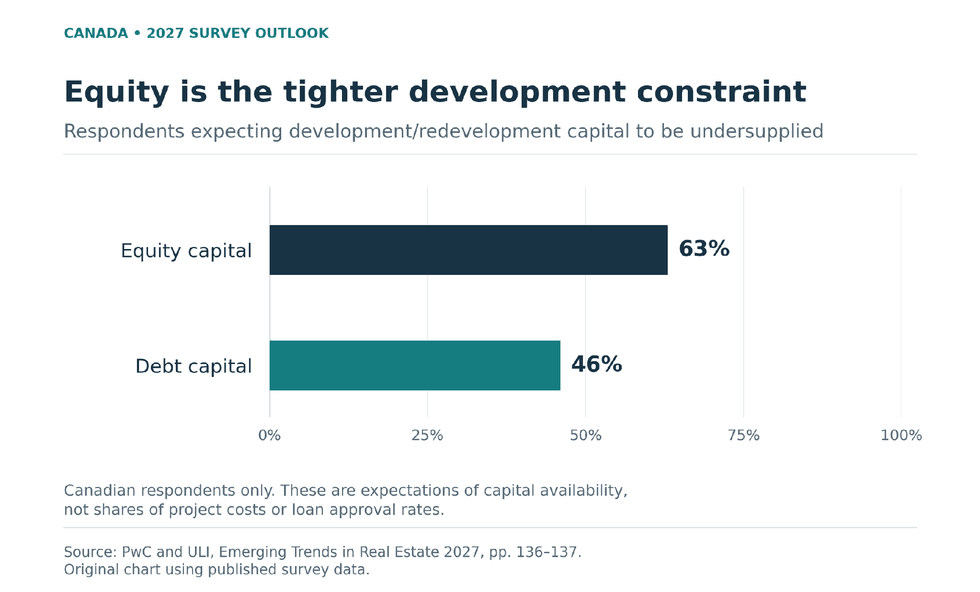 Canadian respondents were more likely to expect an undersupply of development/redevelopment equity capital (63%) than debt capital (46%) in 2027. These are survey expectations, not measured financing volumes. Source: PwC and ULI, Emerging Trends in Real Estate 2027, pp. 136–137. Original chart.
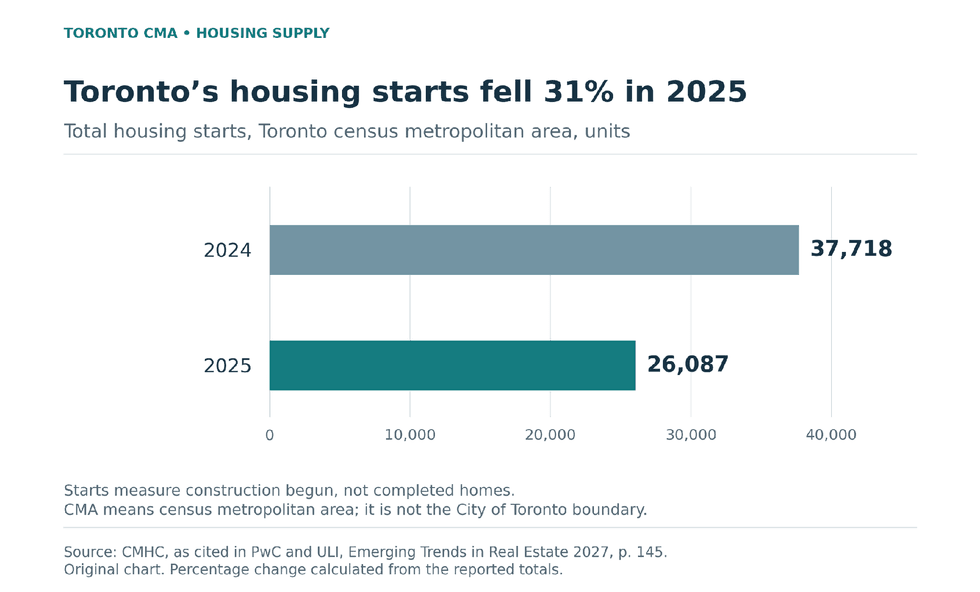 Toronto census metropolitan area housing starts fell from 37,718 units in 2024 to 26,087 in 2025, a 30.8% decline (rounded to 31%). Starts measure construction begun, not completed homes. Source: CMHC, as cited in PwC and ULI, Emerging Trends in Real Estate 2027, p. 145. Original chart.