Distressed Property
Explore what distressed properties are in Canadian real estate, how they differ from typical sales, and what risks and rewards they offer buyers and investors.

May 22, 2025
What is a Distressed Property?
A distressed property is a home that is being sold under unfavourable conditions, often due to financial hardship, foreclosure, or severe physical deterioration.
Why Distressed Properties Matter in Real Estate
In Canadian real estate, distressed properties are typically priced below market value and attract investors or buyers looking for renovation opportunities. They may be sold via power of sale, foreclosure, estate sale, or under urgent personal circumstances.
Types of distressed properties include:
- Foreclosures (lender has repossessed the home)
- Power of Sale (Ontario-specific alternative to foreclosure)
- Estate sales (after a homeowner’s death)
- Homes in major disrepair or requiring substantial renovations
These properties often sell 'as-is' and may require substantial investment in repairs. Due diligence, including property inspections and title searches, is essential.
Buyers should be prepared for:
- Financing challenges
- Legal complexity
- Potential liens or encumbrances
Understanding distressed properties helps buyers identify risk versus reward and uncover value opportunities in competitive or high-priced markets.
Example of a Distressed Property in Action
An investor purchases a distressed home listed at 25% below market value due to structural damage and unpaid property taxes. They renovate and resell it at a profit.
Key Takeaways
- Sold due to financial hardship or poor condition.
- Often priced below market value.
- May require major repairs or legal checks.
- Riskier but can offer investment upside.
- Often sold 'as-is' with limited recourse.
Related Terms
- Foreclosure
- Power of Sale
- As-Is Sale
- Real Estate Investment
- Title Search




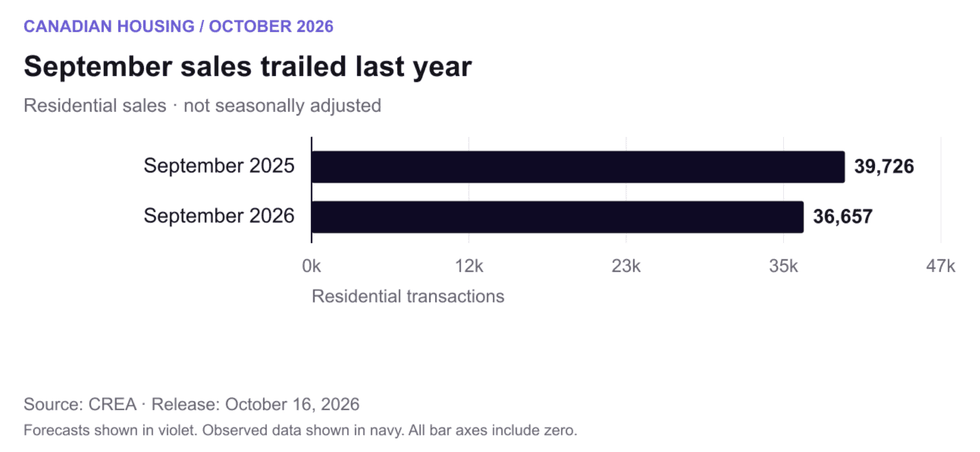 September residential sales, not seasonally adjusted; the annual comparison uses CREA’s revised figures. Chart:
 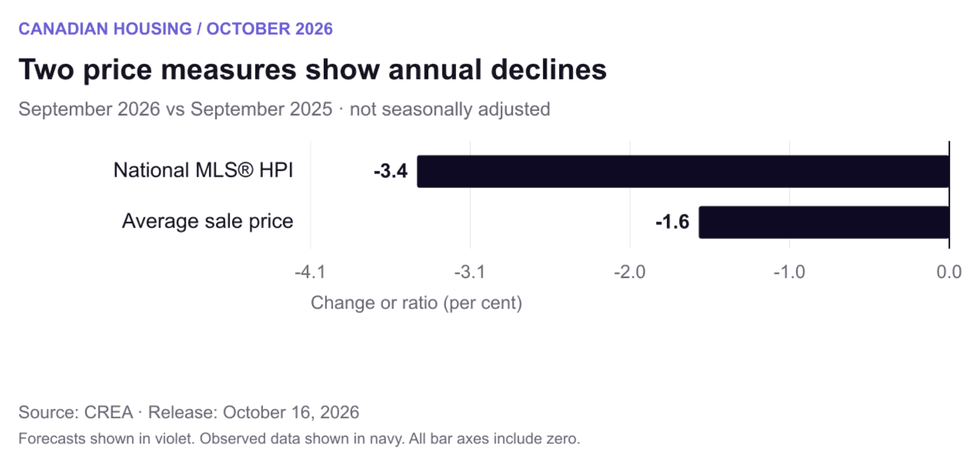 Annual changes in the unadjusted national MLS® HPI and average sale price. The average is affected by the mix of transactions. Chart:
 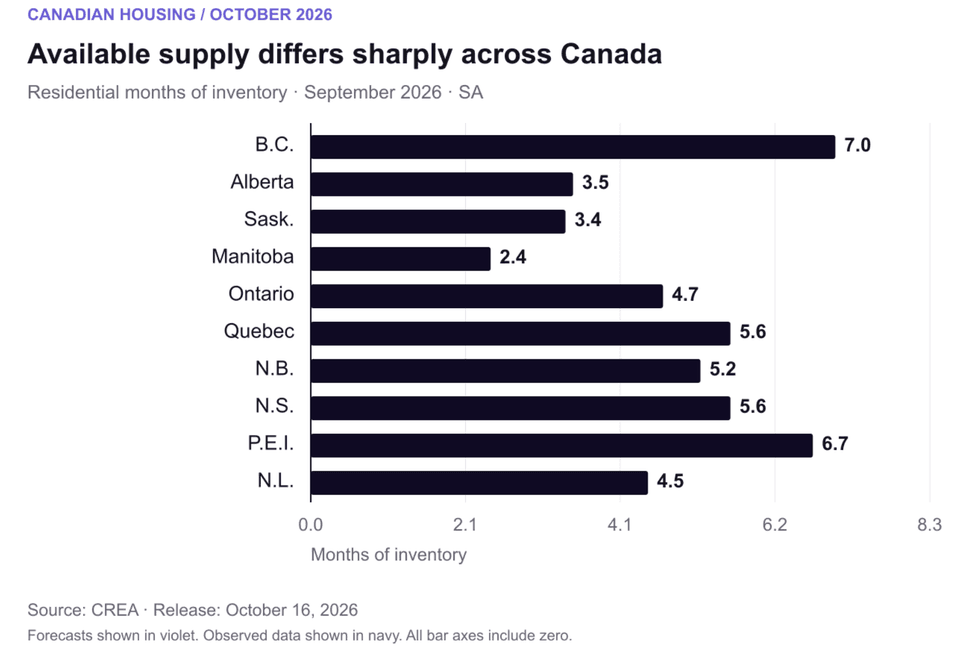 Seasonally adjusted residential months of inventory by province. Local property types can differ substantially. Chart:
 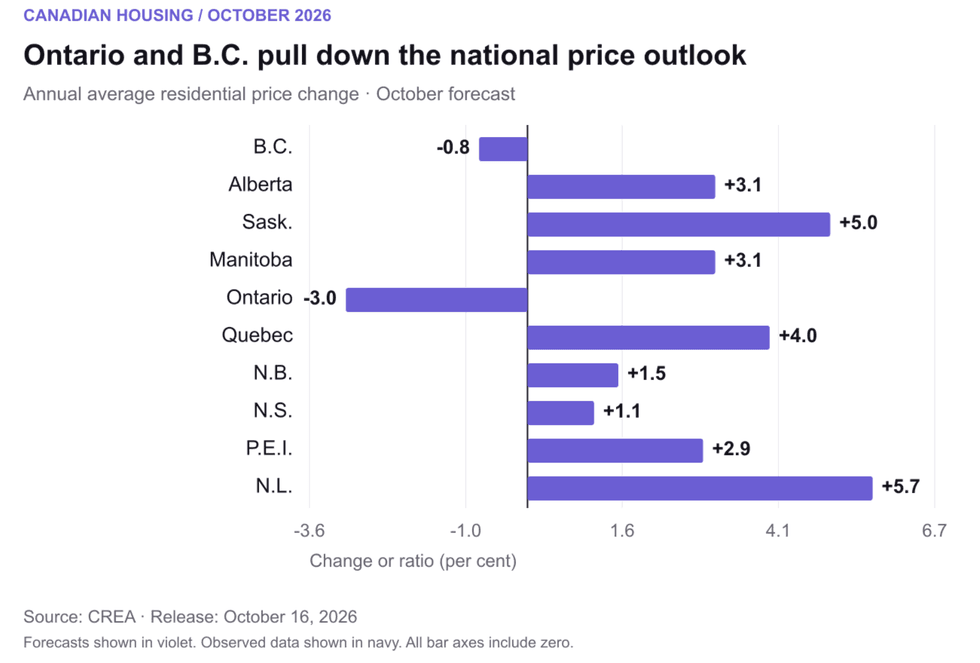 Ontario and B.C. are the two provinces with forecast annual average-price declines in 2026. Chart:
 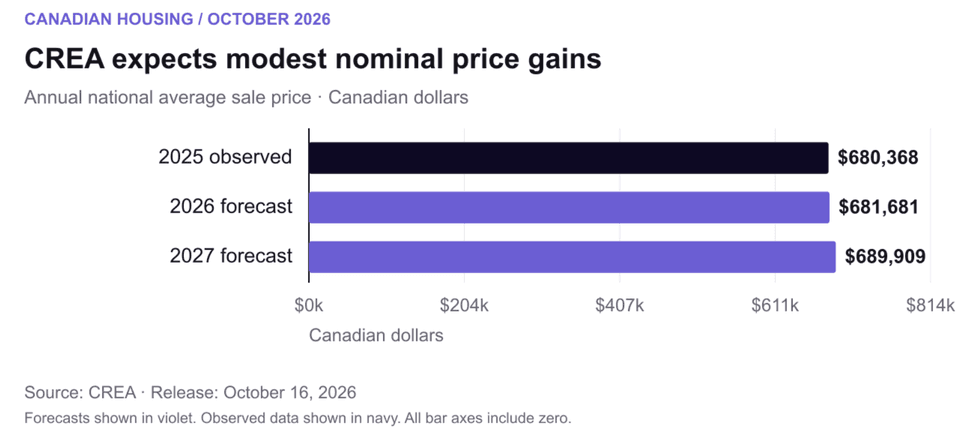 Annual average transaction prices in Canadian dollars. Forecast values are not December price targets. Chart:
 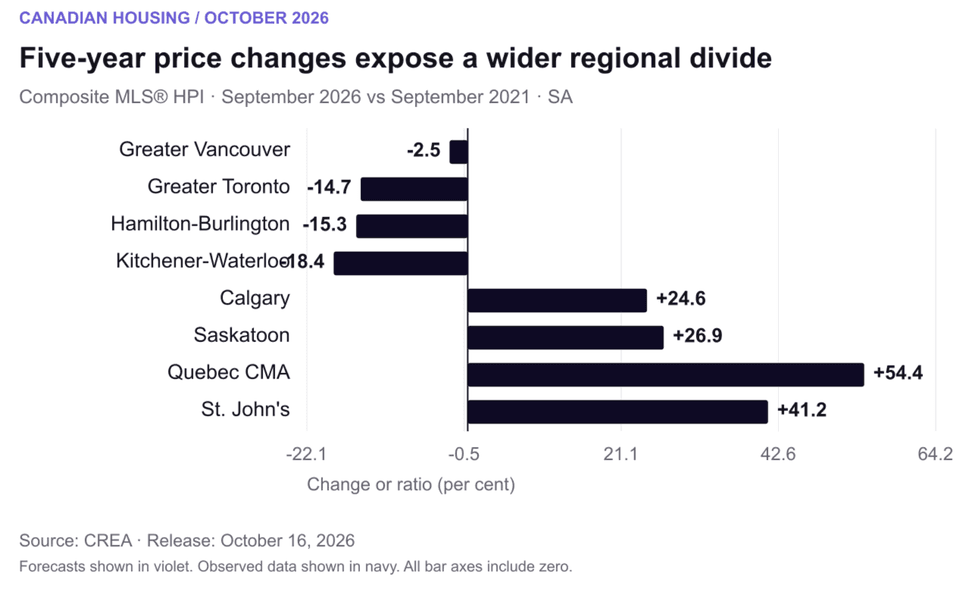 Five-year changes in seasonally adjusted composite MLS® HPI benchmarks, September 2021 to September 2026. Chart:


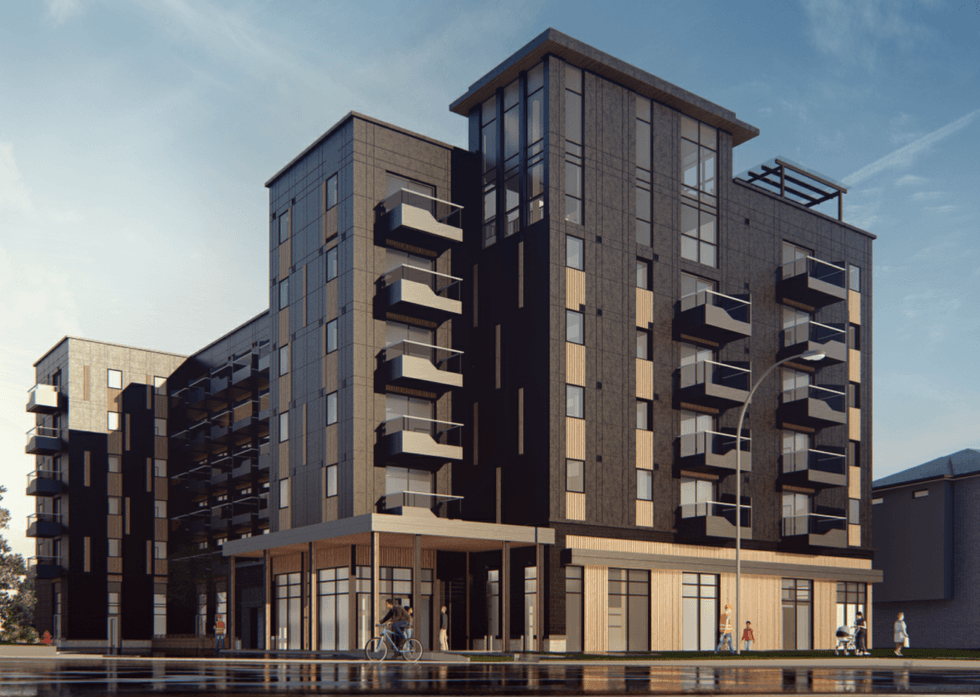

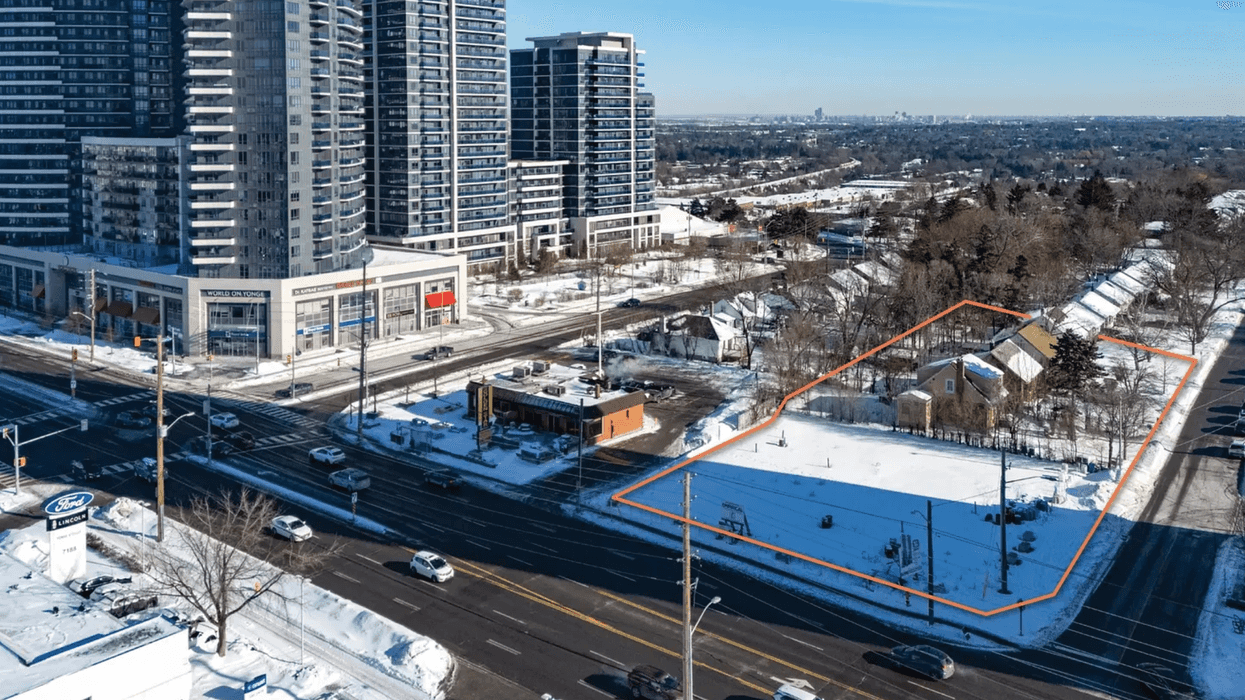
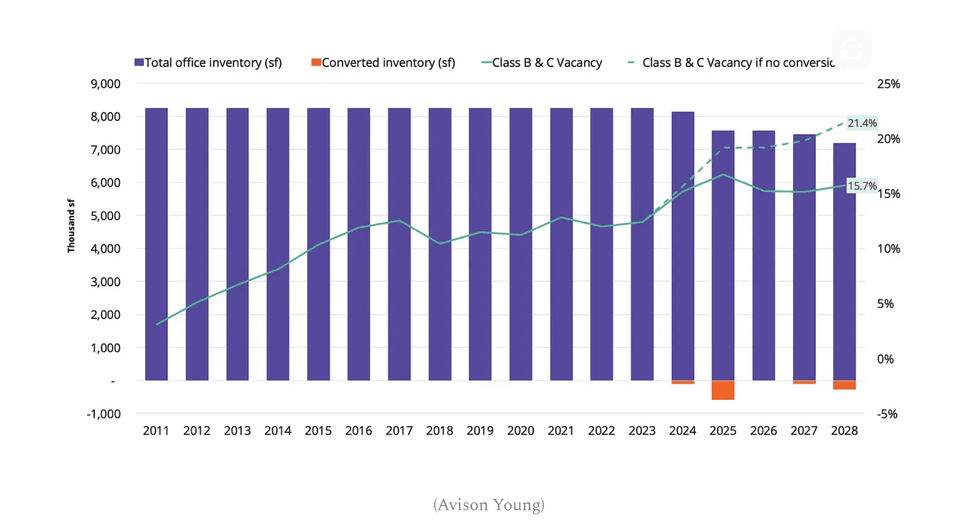 (Avison Young)
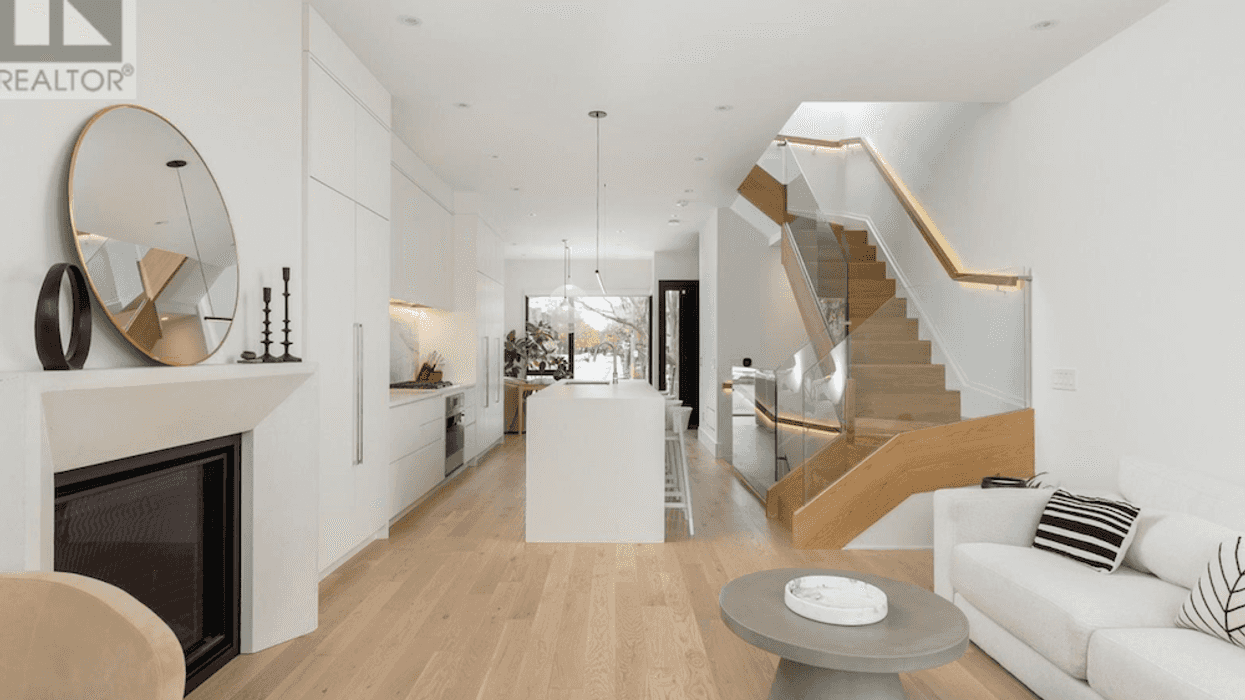
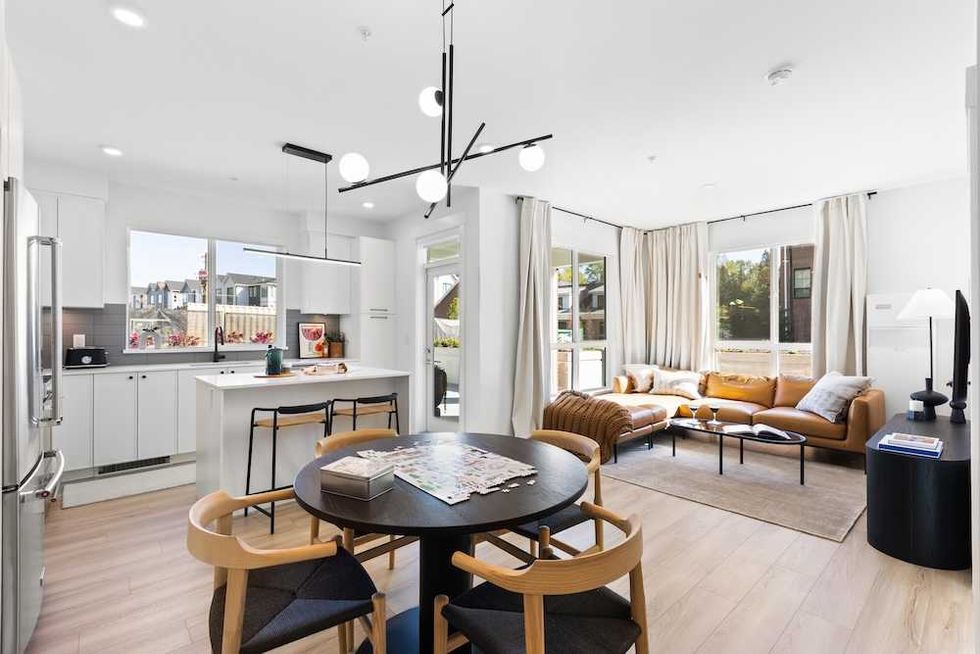 The Mason Suite Interior (Infinity Properties)
 The Mason Suite Interior (Infinity Properties)
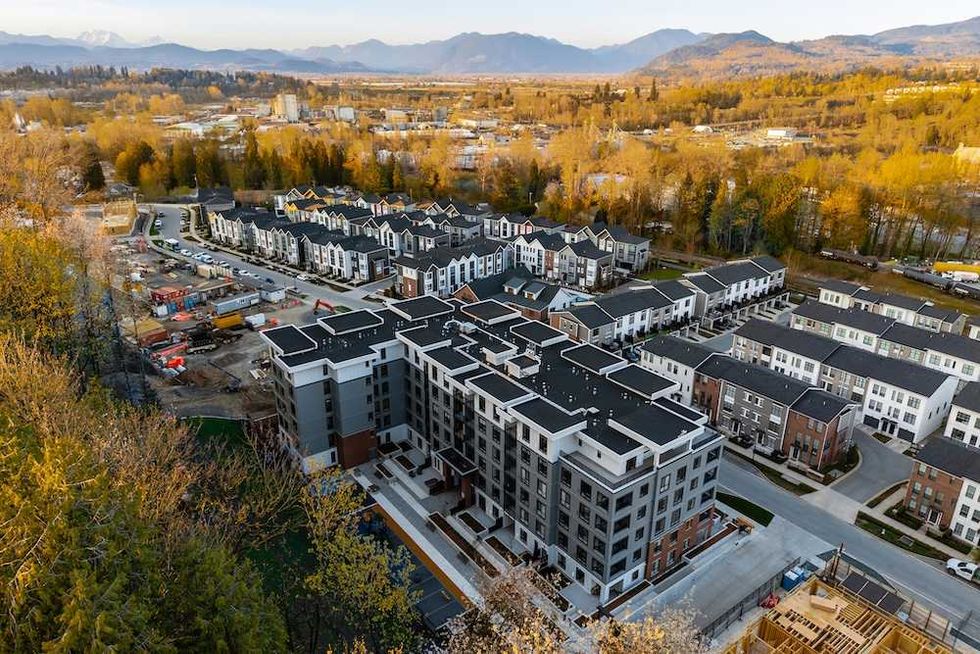 Rail District aerial (Infinity Properties)
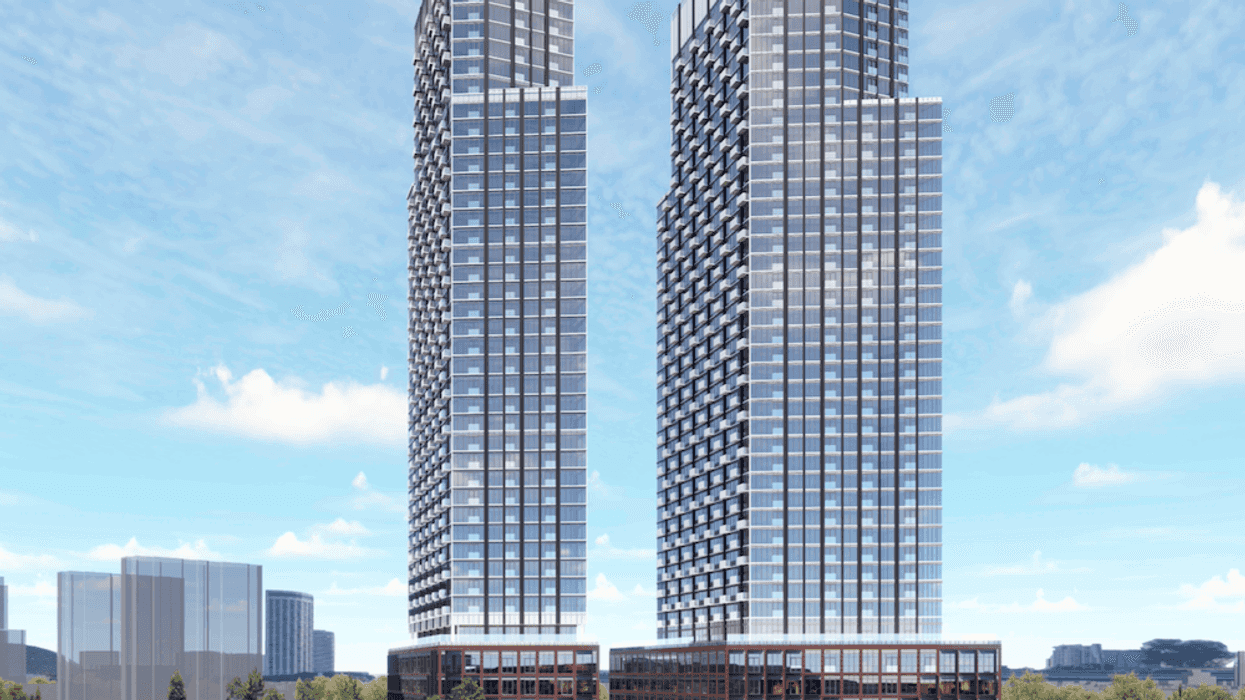
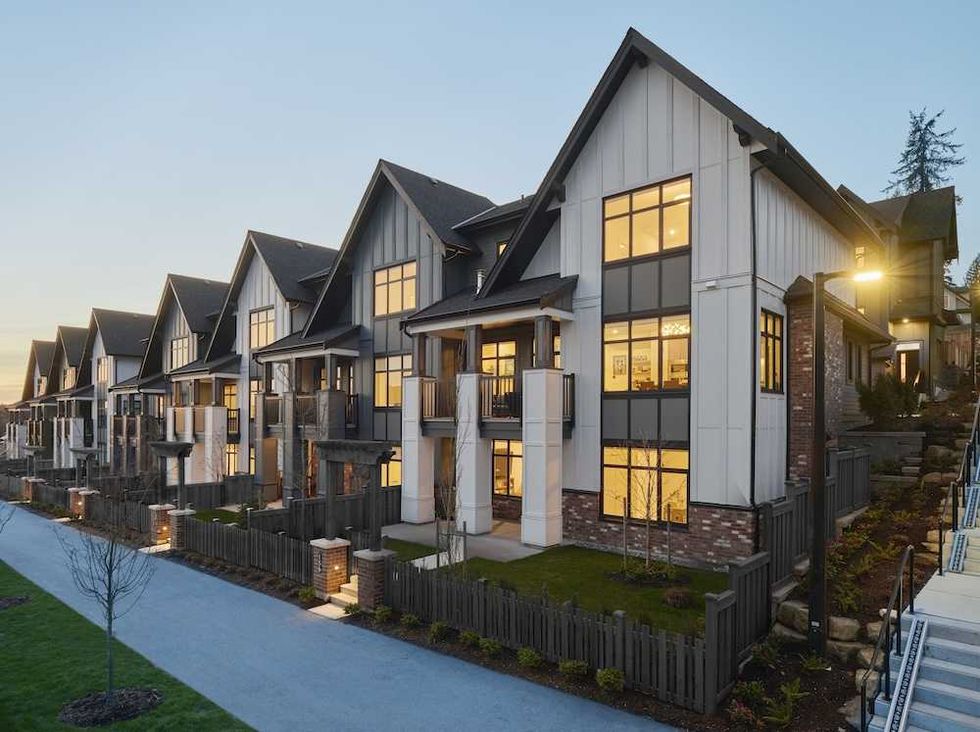 Versant (Infinity Properties)