Pre-Delivery Inspection (PDI)
Learn what a Pre-Delivery Inspection (PDI) is in Canadian real estate, what to look for, and how it protects buyers of newly built homes and condos.

May 22, 2025
What is a Pre-Delivery Inspection (PDI)?
A PDI is a mandatory walkthrough of a newly built home or condo, conducted by the builder and buyer before the buyer takes possession.
Why do Pre-Delivery Inspections (PDI) Matter in Real Estate
In Canadian real estate — especially in Ontario under Tarion rules — the PDI gives buyers an opportunity to inspect their new property for defects, incomplete items, or damage prior to occupancy. This ensures the builder delivers the unit as promised in the purchase agreement.During the PDI, the buyer and builder go room by room, testing features like:
- Doors and windows
- Plumbing and electrical systems
- Appliances (if included)
- Flooring, walls, and cabinetry
The PDI also allows buyers to learn about maintenance responsibilities and how to operate home systems. It’s an essential part of protecting one’s warranty rights and ensuring a smooth handover.
Buyers should bring a checklist, take photos, and ask questions during the PDI. If serious deficiencies are found, occupancy may be delayed until they are resolved.
Example of a Pre-Delivery Inspection (PDI) in Action
A buyer attends their PDI for a new-build condo in Mississauga. They note paint defects and a missing light fixture, which the builder agrees to fix before move-in.
Key Takeaways
- Walkthrough of a new home before buyer takes possession.
- Required for most new builds in Ontario and other provinces.
- Ensures the builder has completed work as agreed.
- Deficiencies are documented for warranty coverage.
- Buyers should prepare thoroughly and inspect carefully.
Related Terms
- Home Warranty Program
- Tarion
- New Construction
- Deficiency List
- Final Closing
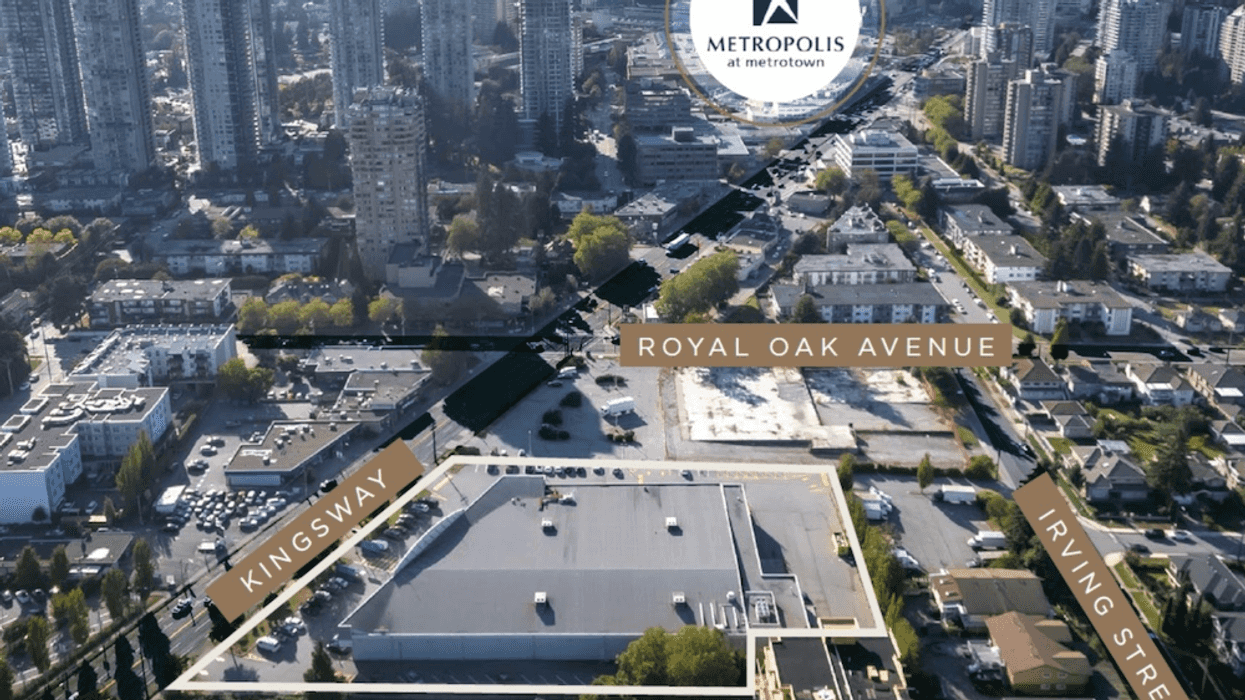
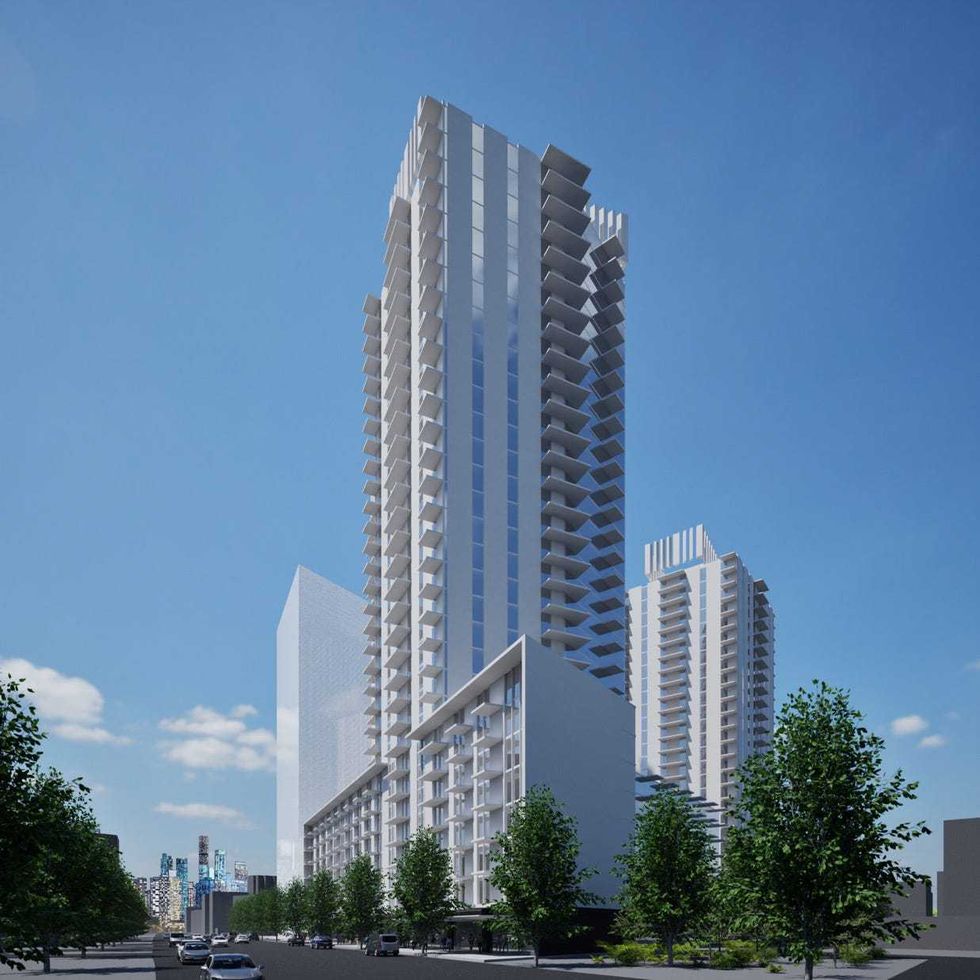 A preliminary conceptual development for 5335 Kingsway in Burnaby. (Arcadis, JLL)





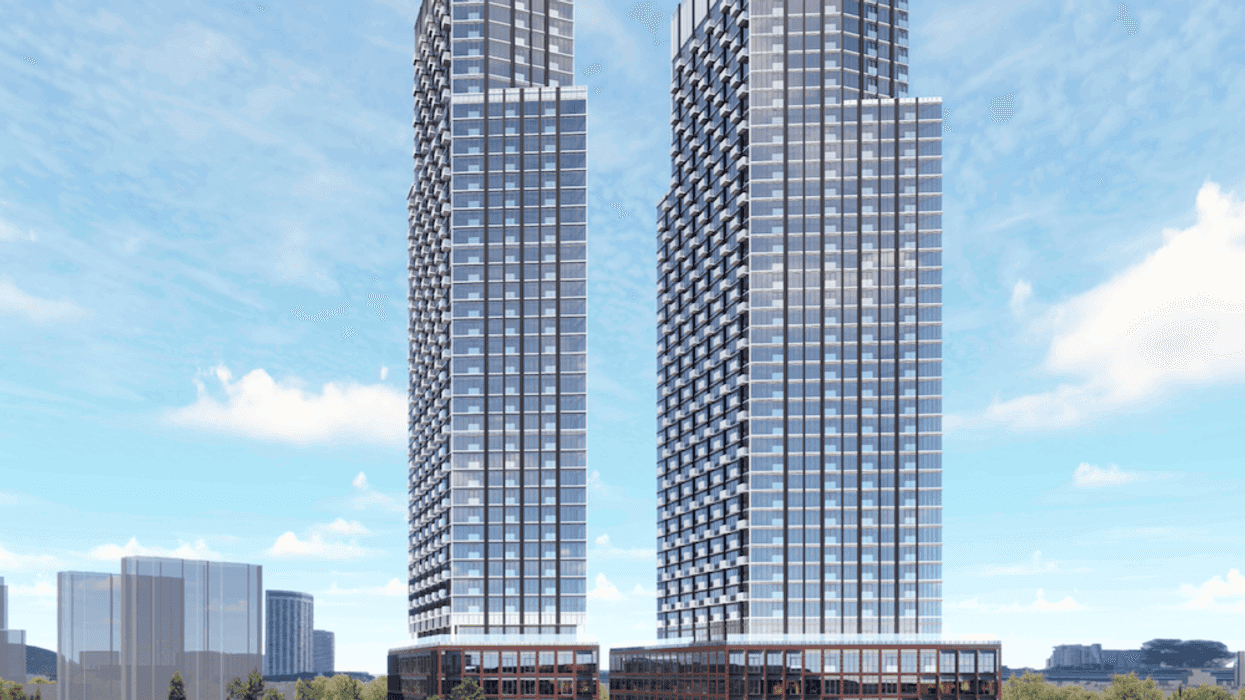

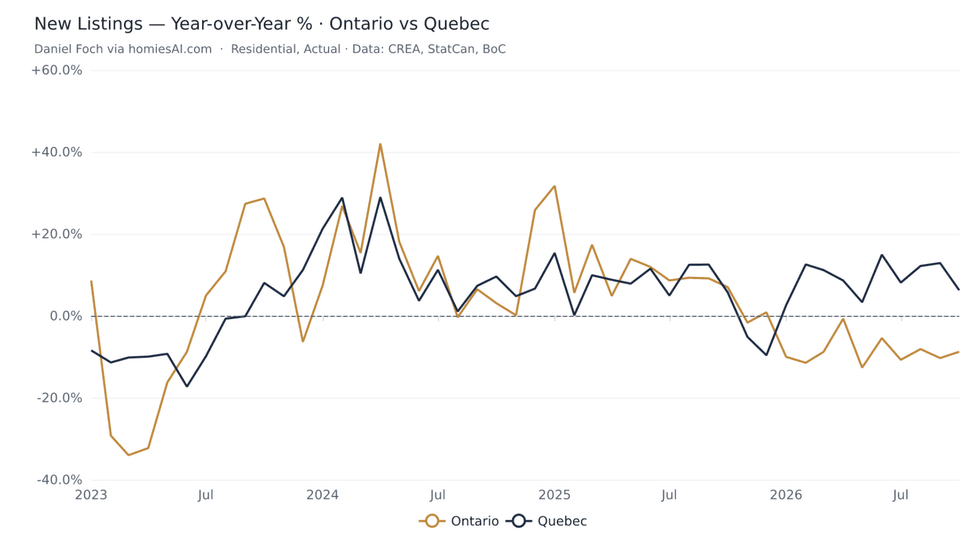 Chart: New listings, year-over-year %, Ontario vs Quebec. Daniel Foch via homiesai.com/stats. Data:
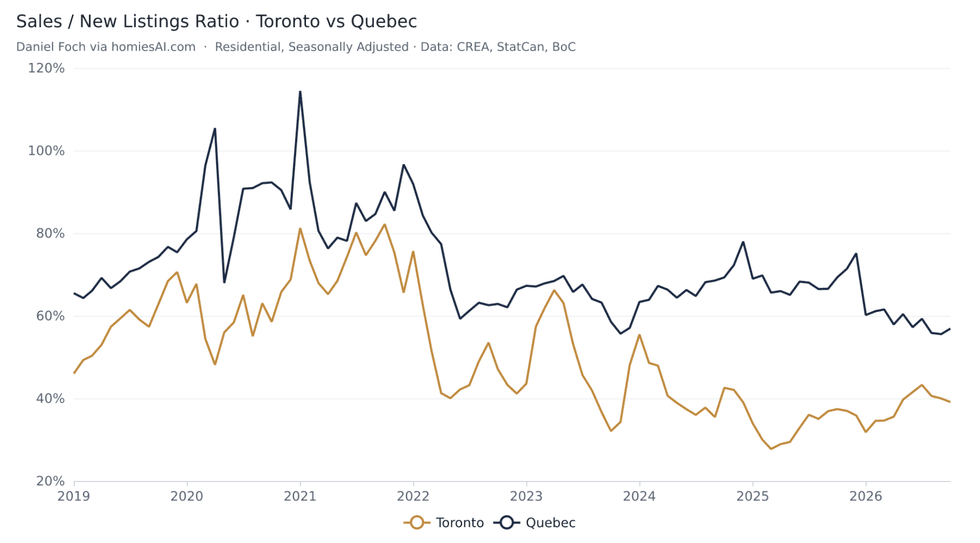 Chart: Sales-to-new-listings ratio, seasonally adjusted. Toronto vs Quebec. Daniel Foch via homiesai.com/stats. Data: CREA.
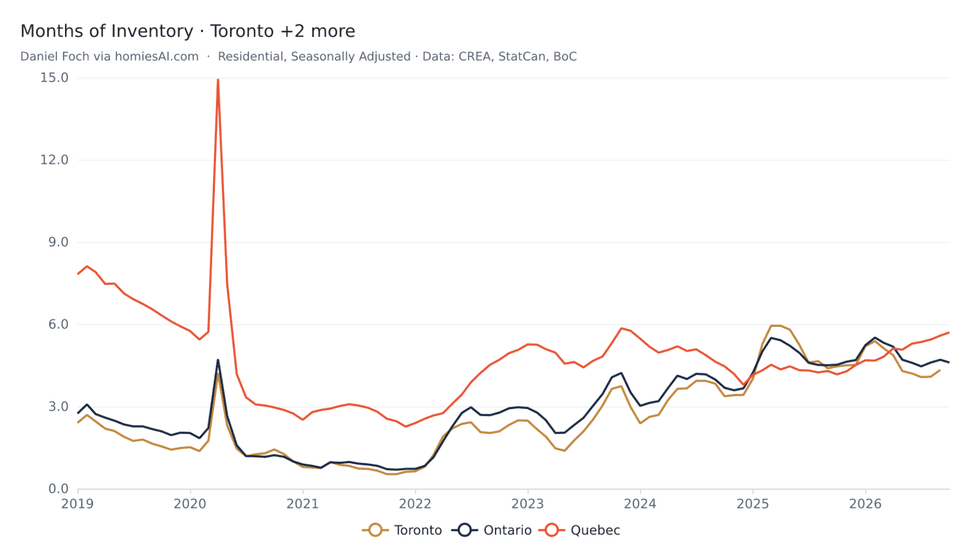 Chart: Months of inventory, seasonally adjusted. Daniel Foch via homiesai.com/stats. Data: CREA.
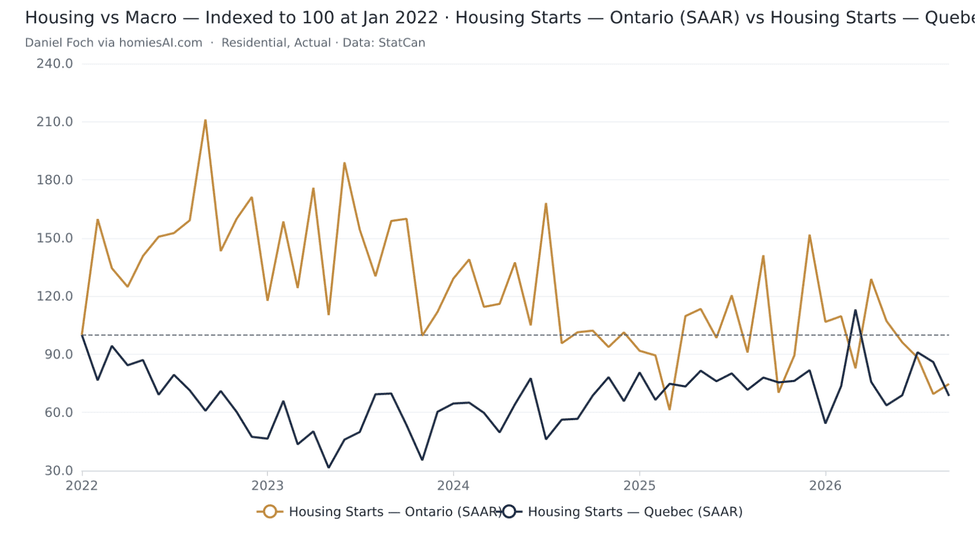 Chart: Housing starts, seasonally adjusted annual rate, Ontario vs Quebec, indexed to January 2022. Daniel Foch via homiesai.com/stats. Data: CMHC via Statistics Canada.
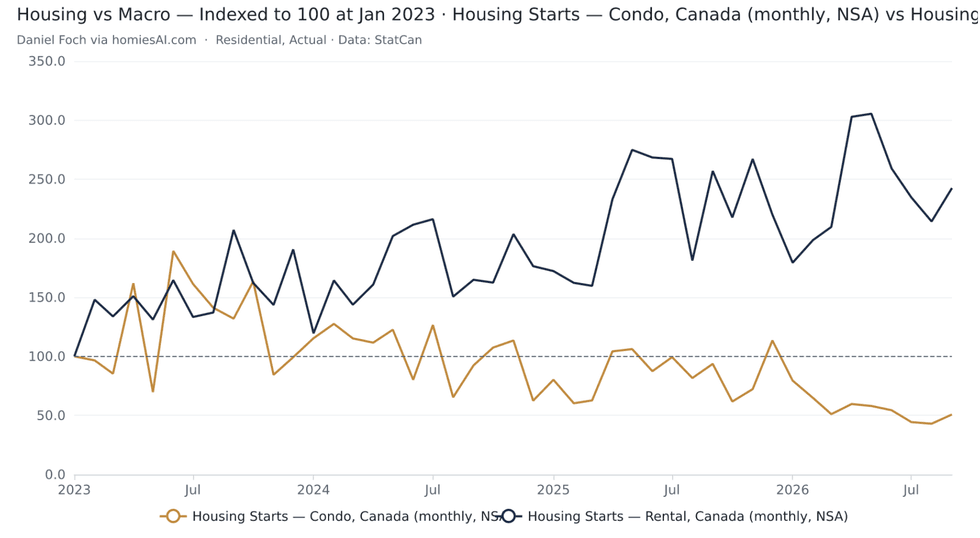 Chart: Condo vs rental housing starts, Canada, indexed to January 2023. Daniel Foch via homiesai.com/stats. Data: CMHC via Statistics Canada.
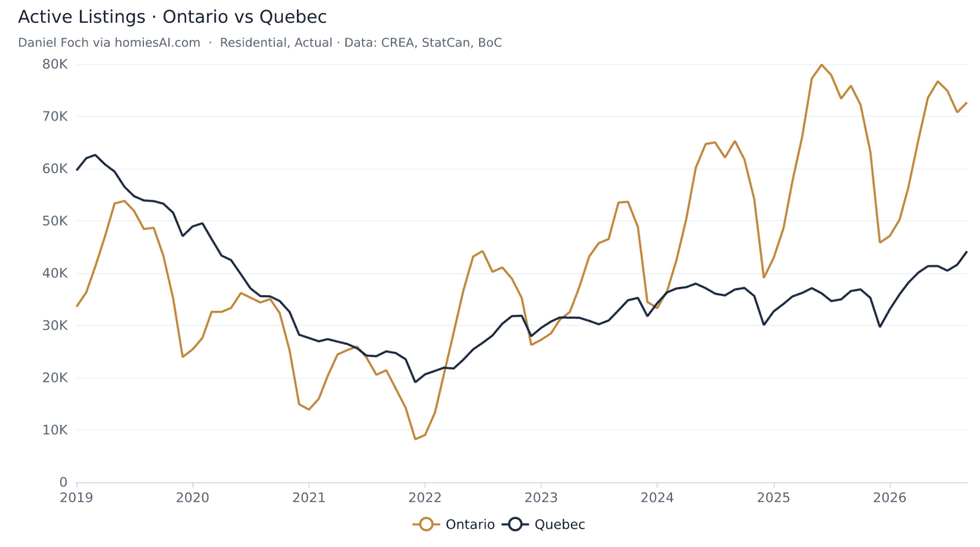 Chart: Active residential listings, Ontario vs Quebec. Daniel Foch via homiesai.com/stats. Data: CREA.
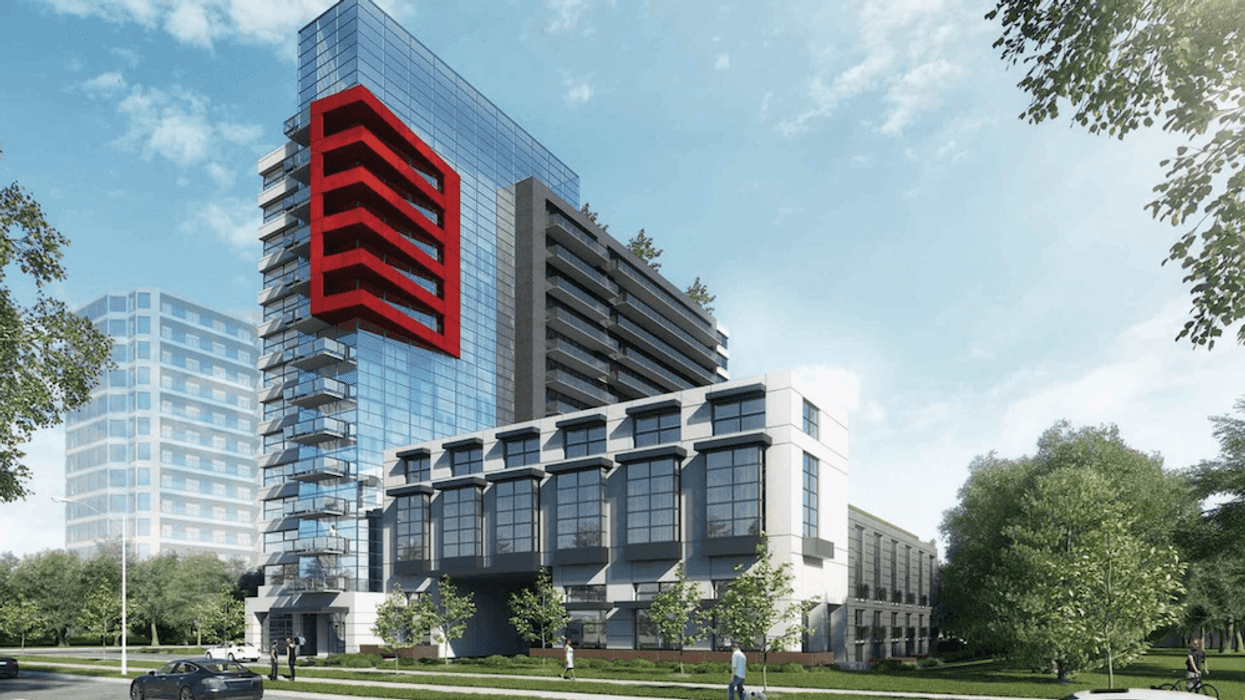
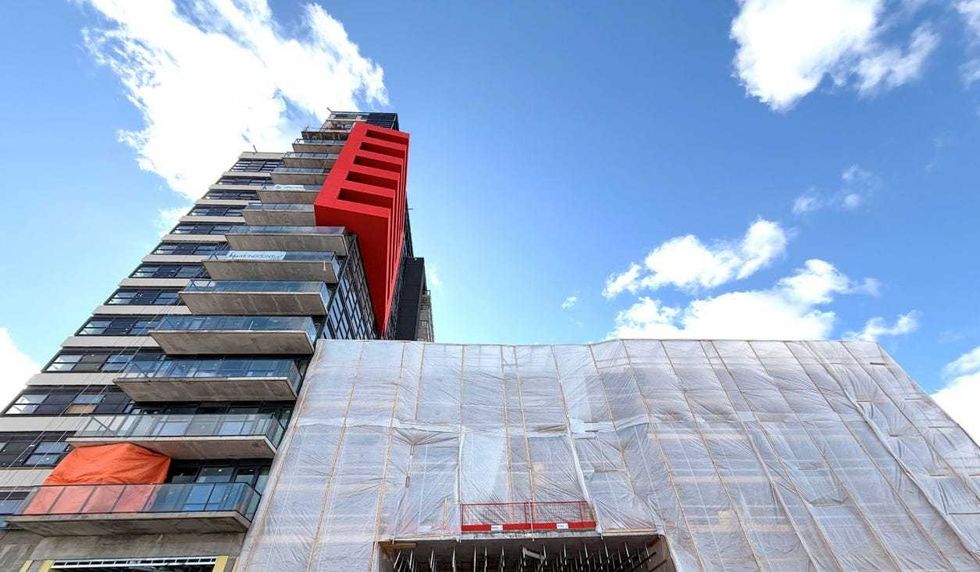 The Highlight of Mississauga as of March 2026. (Grant Thornton)

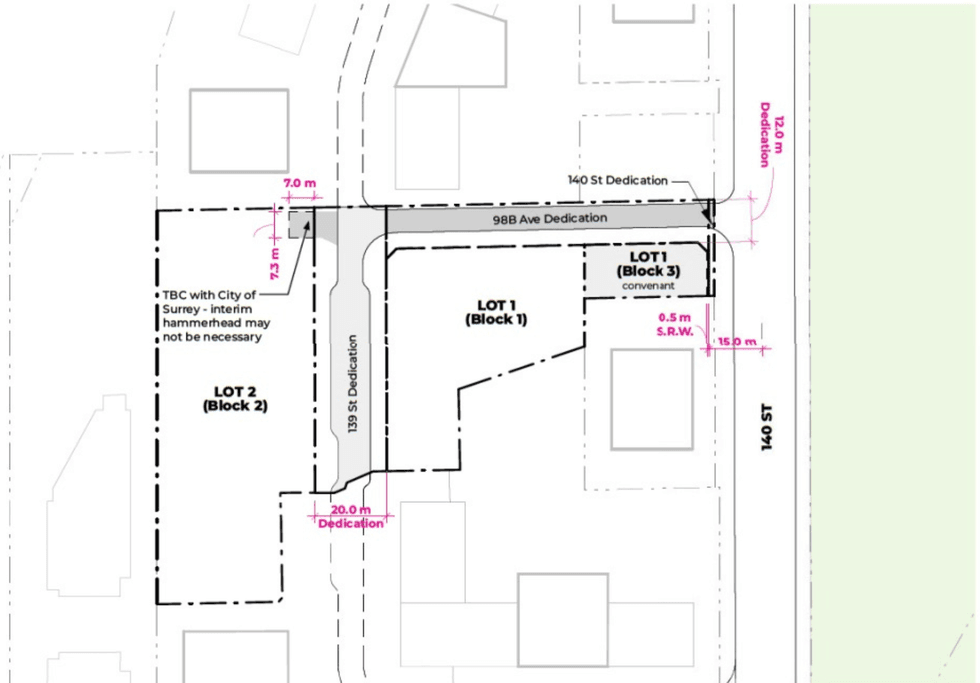 9883 140 Street and the proposed road dedications. (WW+P Architects, Entre Nous Femmes Housing Society)
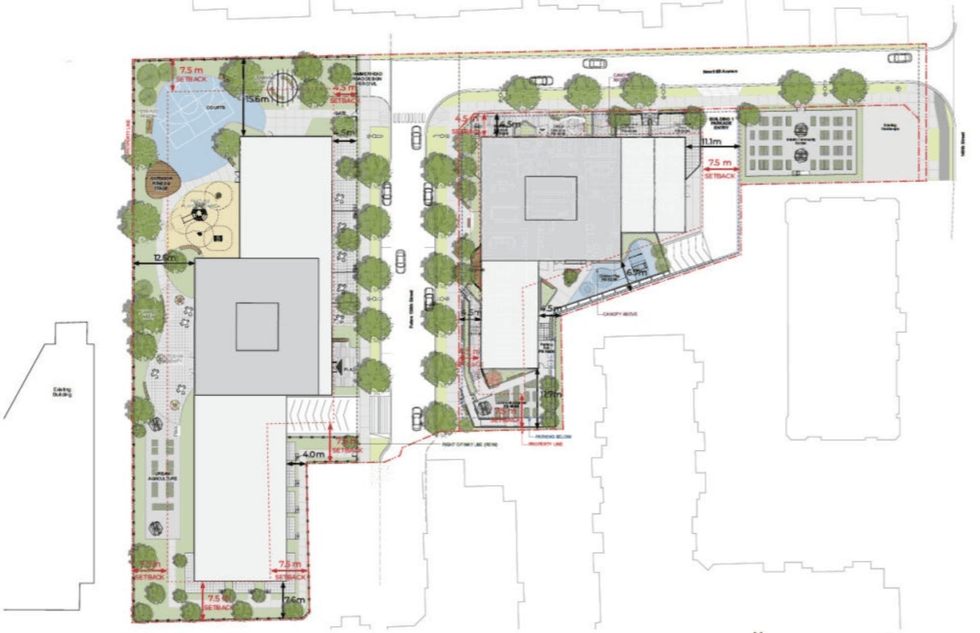 The
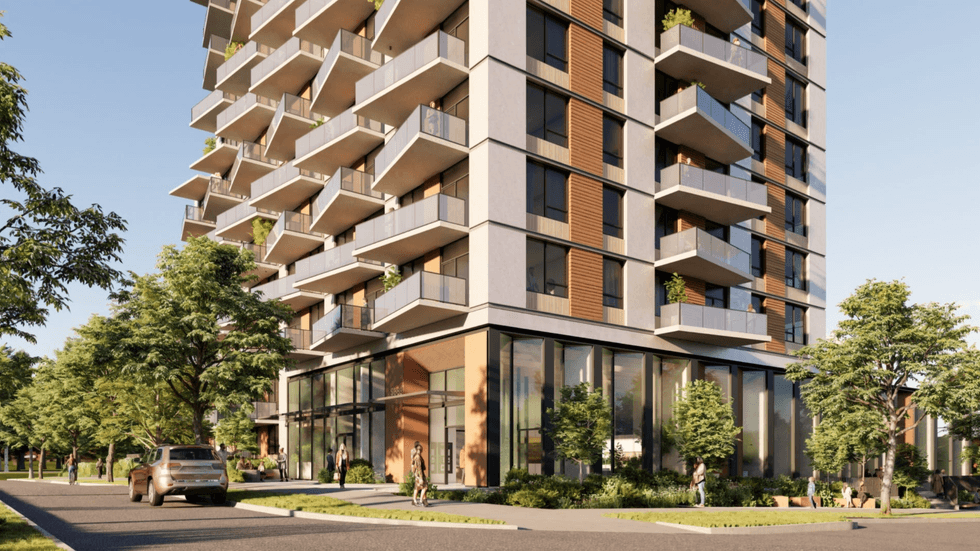 One of the towers proposed for 9883 140 Street. (Entres Nous Femmes Housing Society)

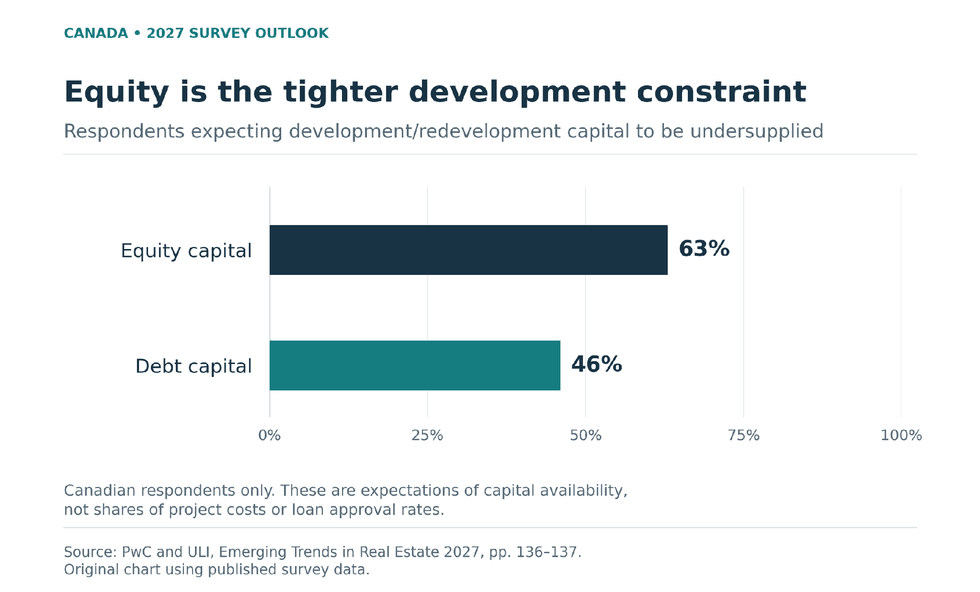 Canadian respondents were more likely to expect an undersupply of development/redevelopment equity capital (63%) than debt capital (46%) in 2027. These are survey expectations, not measured financing volumes. Source: PwC and ULI, Emerging Trends in Real Estate 2027, pp. 136–137. Original chart.
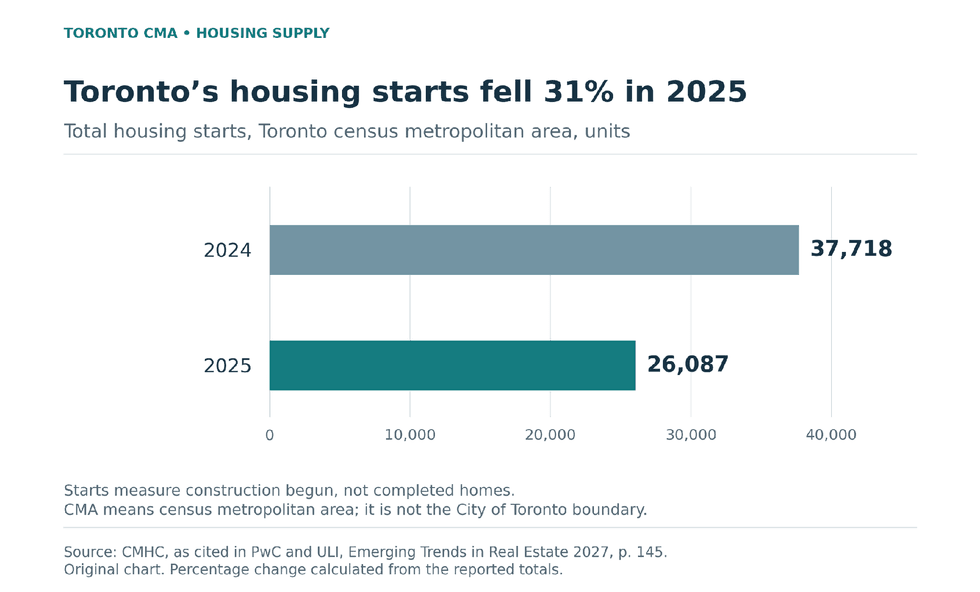 Toronto census metropolitan area housing starts fell from 37,718 units in 2024 to 26,087 in 2025, a 30.8% decline (rounded to 31%). Starts measure construction begun, not completed homes. Source: CMHC, as cited in PwC and ULI, Emerging Trends in Real Estate 2027, p. 145. Original chart.

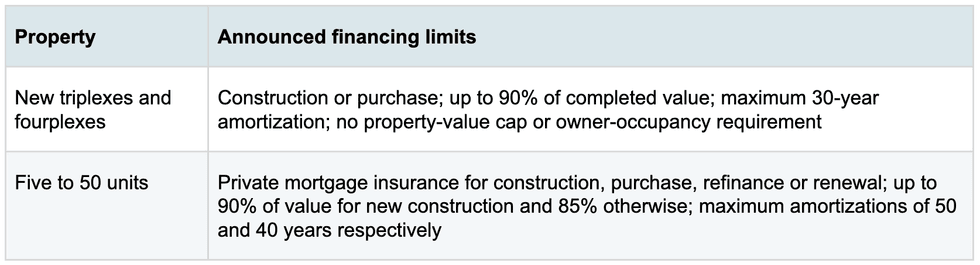
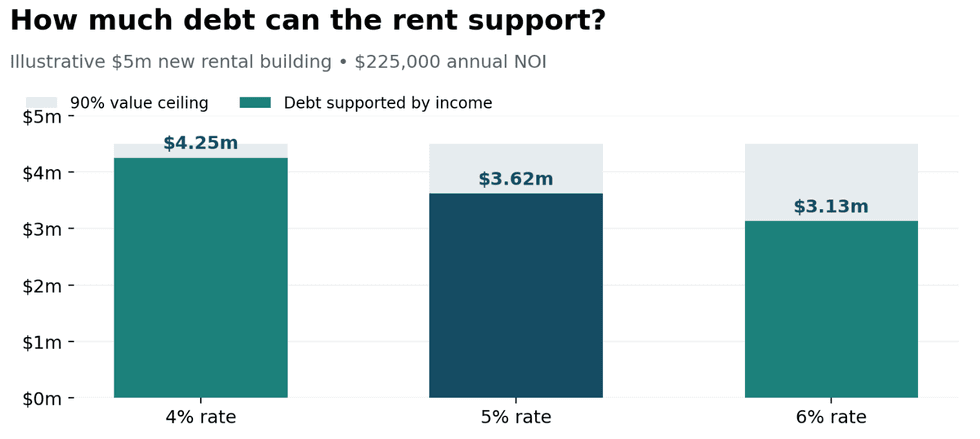 Illustrative calculation: a $4.5-million value ceiling versus income-based capacity of about $4.25 million at 4%, $3.62 million at 5% and $3.13 million at 6%. Assumes 50-year amortization and 1.15 debt coverage.
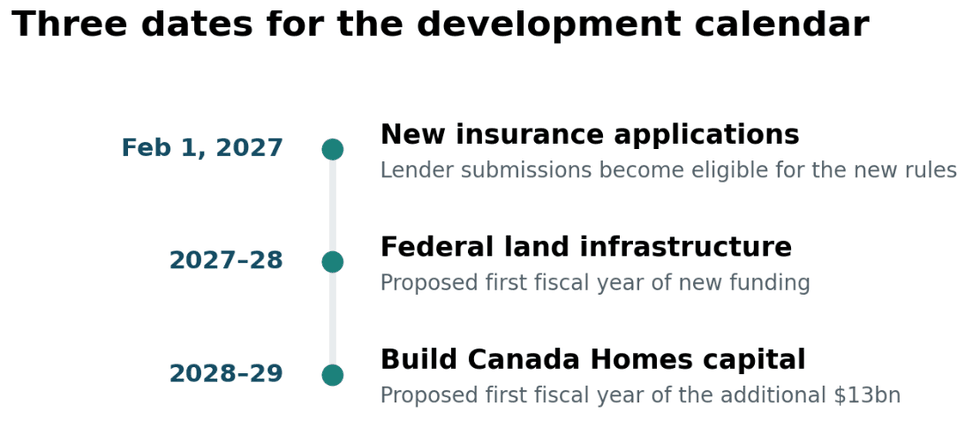 Source: Department of Finance missing-middle backgrounder and Budget 2026 Chapter 3, November 5, 2026. Fiscal-year funding starts are not home-completion dates.