Pre-Delivery Inspection (PDI)
Learn what a Pre-Delivery Inspection (PDI) is in Canadian real estate, what to look for, and how it protects buyers of newly built homes and condos.

May 22, 2025
What is a Pre-Delivery Inspection (PDI)?
A PDI is a mandatory walkthrough of a newly built home or condo, conducted by the builder and buyer before the buyer takes possession.
Why do Pre-Delivery Inspections (PDI) Matter in Real Estate
In Canadian real estate — especially in Ontario under Tarion rules — the PDI gives buyers an opportunity to inspect their new property for defects, incomplete items, or damage prior to occupancy. This ensures the builder delivers the unit as promised in the purchase agreement.During the PDI, the buyer and builder go room by room, testing features like:
- Doors and windows
- Plumbing and electrical systems
- Appliances (if included)
- Flooring, walls, and cabinetry
The PDI also allows buyers to learn about maintenance responsibilities and how to operate home systems. It’s an essential part of protecting one’s warranty rights and ensuring a smooth handover.
Buyers should bring a checklist, take photos, and ask questions during the PDI. If serious deficiencies are found, occupancy may be delayed until they are resolved.
Example of a Pre-Delivery Inspection (PDI) in Action
A buyer attends their PDI for a new-build condo in Mississauga. They note paint defects and a missing light fixture, which the builder agrees to fix before move-in.
Key Takeaways
- Walkthrough of a new home before buyer takes possession.
- Required for most new builds in Ontario and other provinces.
- Ensures the builder has completed work as agreed.
- Deficiencies are documented for warranty coverage.
- Buyers should prepare thoroughly and inspect carefully.
Related Terms
- Home Warranty Program
- Tarion
- New Construction
- Deficiency List
- Final Closing
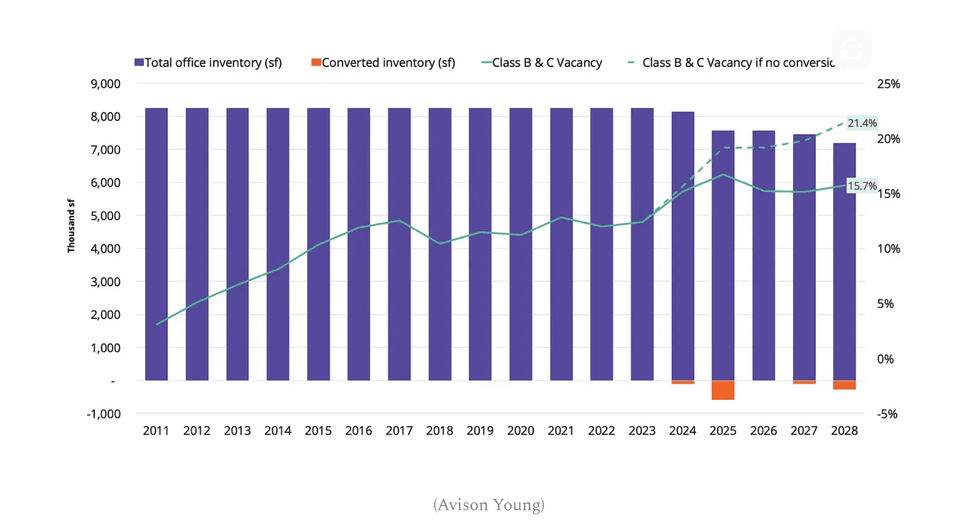 (Avison Young)
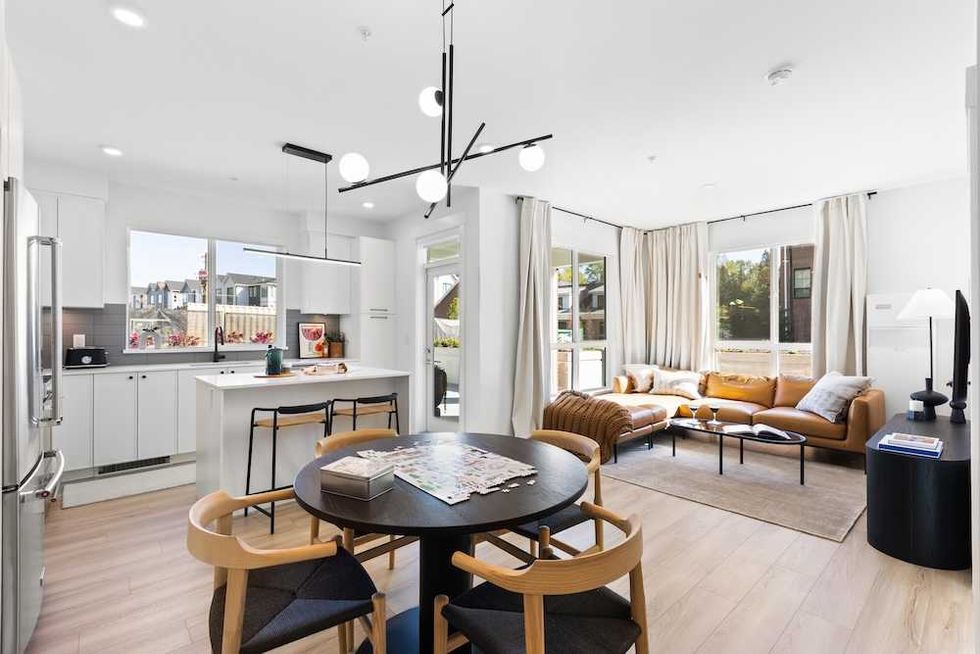 The Mason Suite Interior (Infinity Properties)
 The Mason Suite Interior (Infinity Properties)
 Rail District aerial (Infinity Properties)
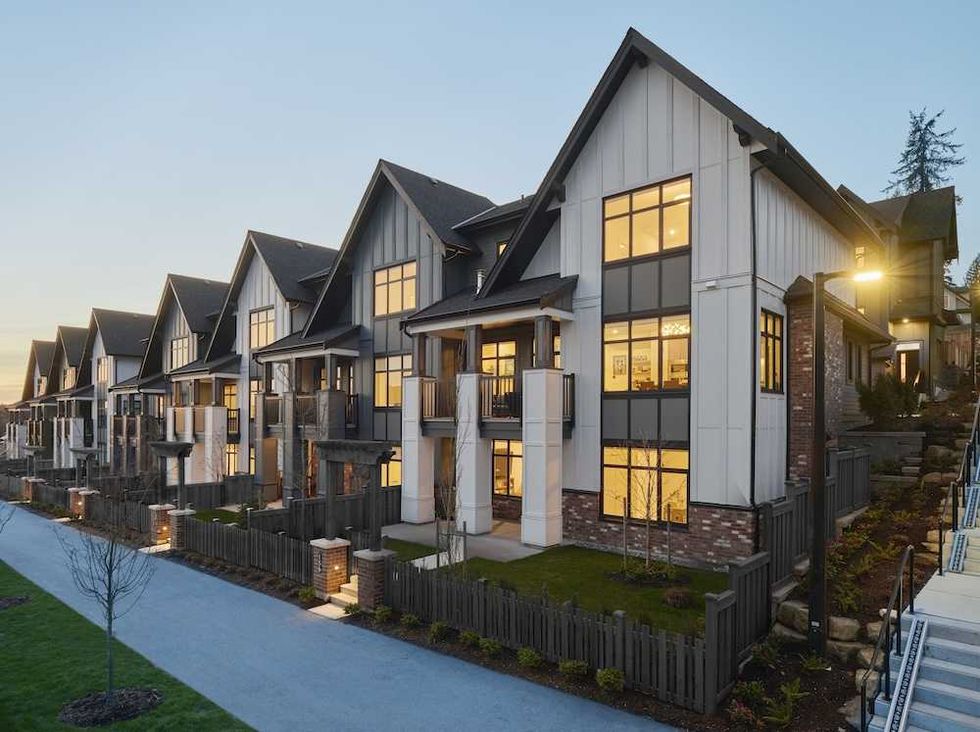 Versant (Infinity Properties)


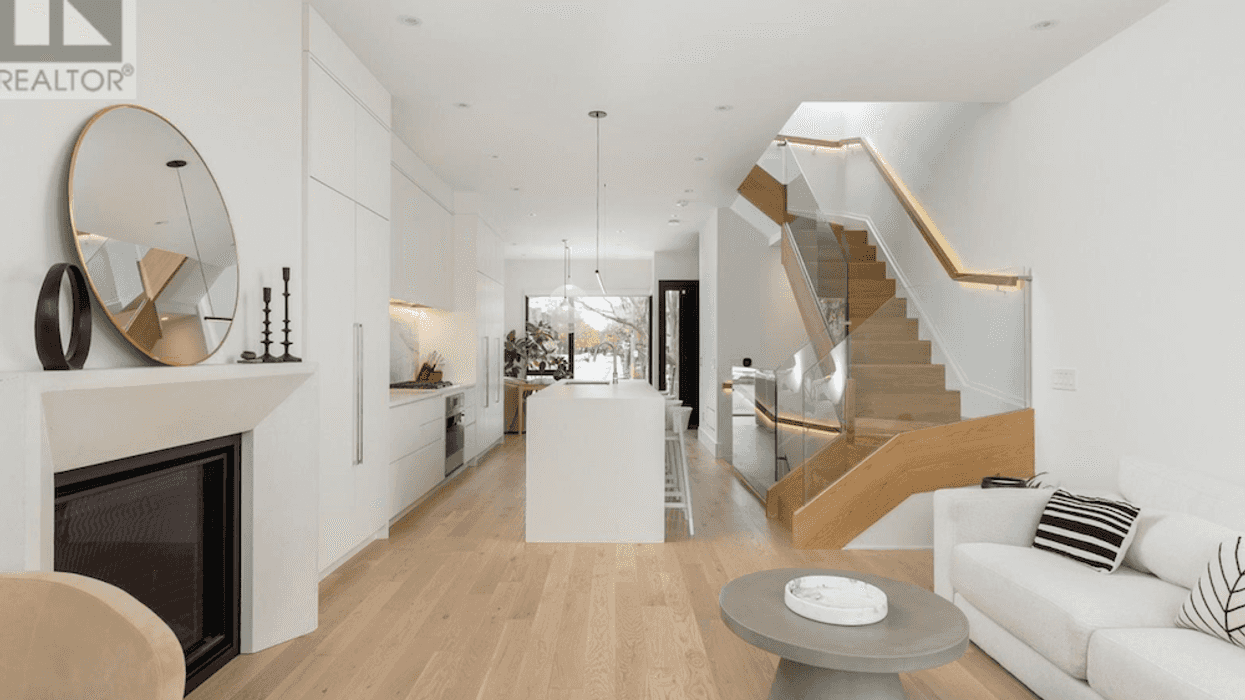





 Narrow Fourplex (City of Toronto)
 Wide Sixplex - Side View (City of Toronto)
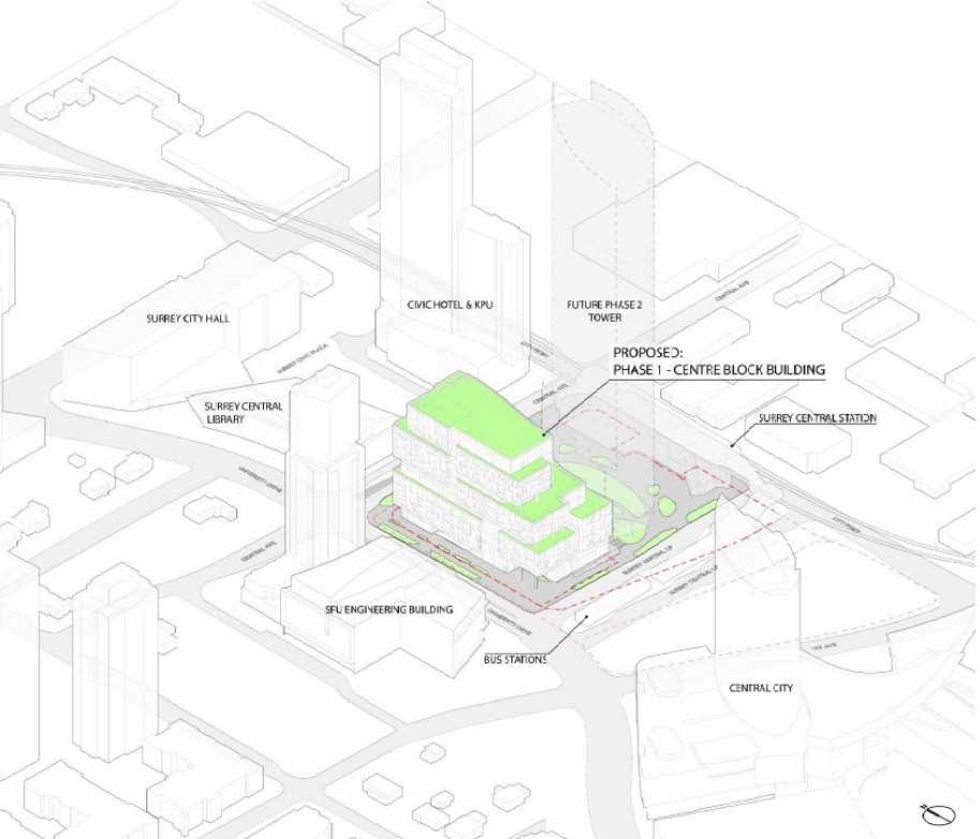 Centre Block and its surrounding context. (Stantec-Revery, SCDC)
 The 12-storey Phase One of Centre Block. (Stantec-Revery, SCDC)
 The 12-storey Phase One of Centre Block. (Stantec-Revery, SCDC)
 Mondria One, set for 1607 King Street East in Clarington, Ontario. (ICON Architects Inc., Monde Development Group)