Open Mortgage
An open mortgage lets borrowers repay their loan anytime without penalty, offering flexibility but often at higher interest rates.

September 30, 2025
What is Open Mortgage?
An open mortgage is a mortgage product that allows the borrower to repay the loan in full or in part at any time without penalty. Open mortgages typically have higher interest rates compared to closed mortgages due to their repayment flexibility.
Why Open Mortgage Matters in Real Estate
Open mortgages matter in real estate because they provide borrowers with maximum flexibility, making them ideal for short-term financing needs or when borrowers anticipate having funds to pay off the mortgage early. However, the higher interest rates may increase overall borrowing costs if the loan is held long term.
Example of Open Mortgage in Action
A company buying an industrial site discovers historical contamination. As the new owner, they may be liable for cleanup costs under provincial environmental laws.
Key Takeaways
- Open mortgages allow repayment at any time without penalty.
- Offer flexibility for borrowers with short-term needs.
- Typically have higher interest rates than closed mortgages.
- Useful when anticipating lump-sum payments (e.g., sale proceeds).
- May increase long-term borrowing costs if not repaid quickly.
Related Terms
- Closed Mortgage
- Prepayment Privilege
- Mortgage Penalty
- Short-Term Financing
- Interest Rate


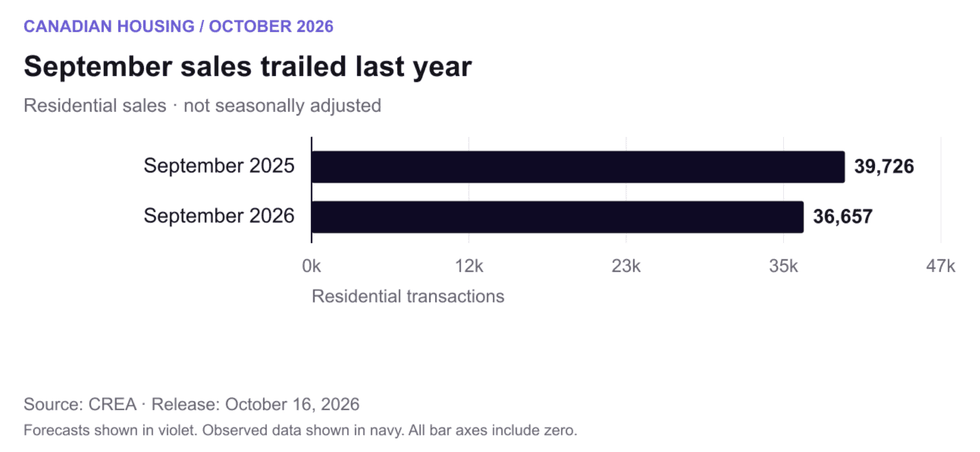 September residential sales, not seasonally adjusted; the annual comparison uses CREA’s revised figures. Chart:
 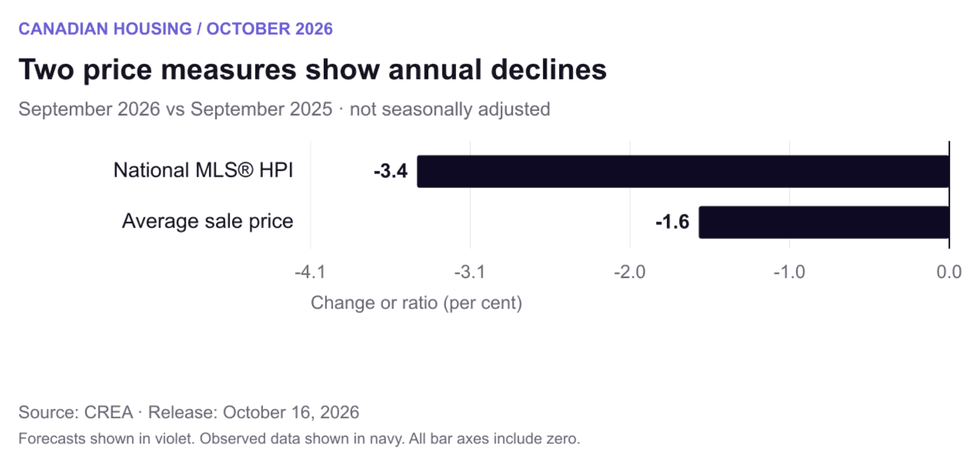 Annual changes in the unadjusted national MLS® HPI and average sale price. The average is affected by the mix of transactions. Chart:
 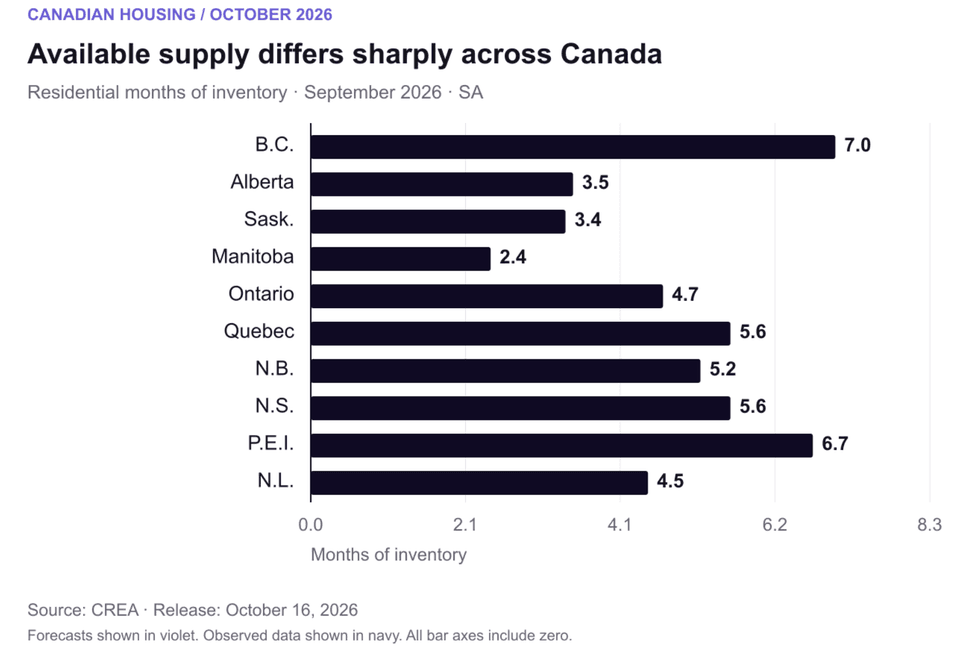 Seasonally adjusted residential months of inventory by province. Local property types can differ substantially. Chart:
 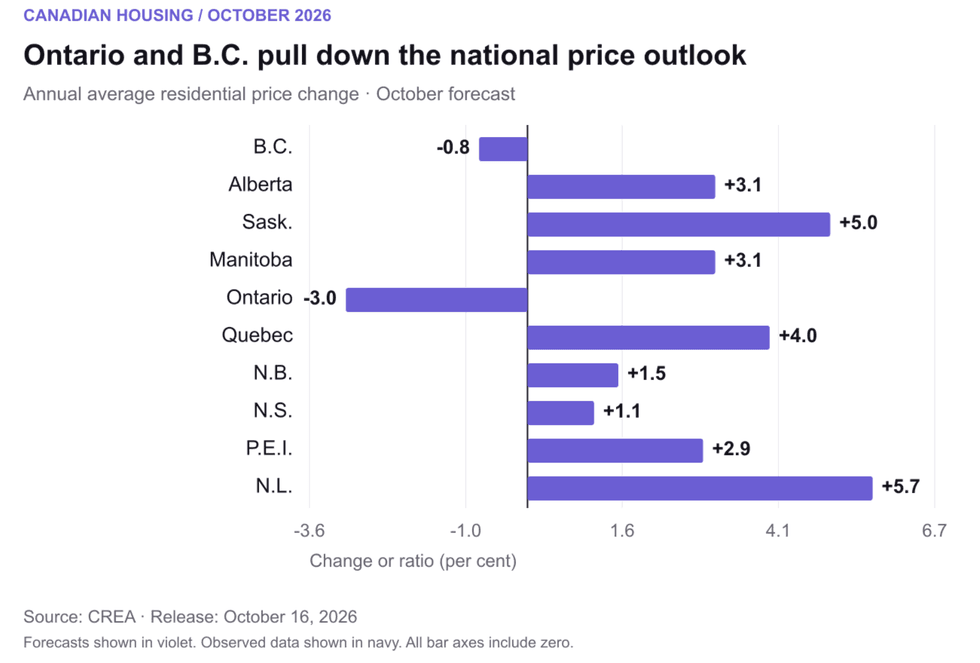 Ontario and B.C. are the two provinces with forecast annual average-price declines in 2026. Chart:
 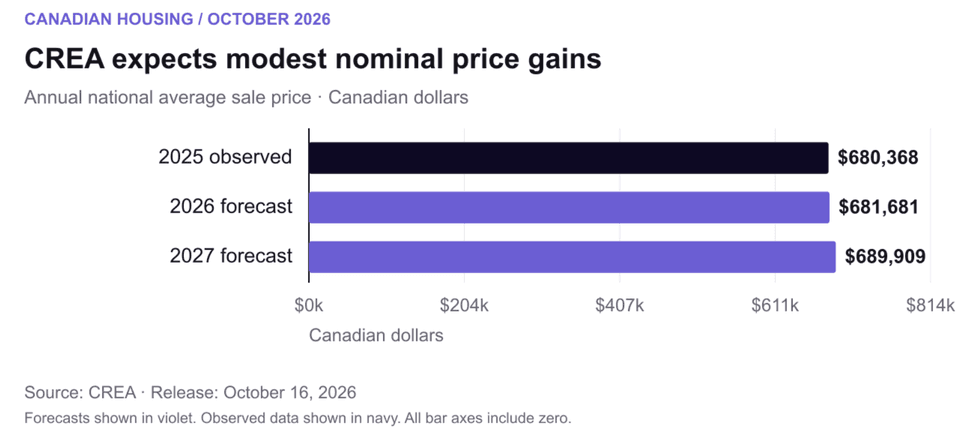 Annual average transaction prices in Canadian dollars. Forecast values are not December price targets. Chart:
 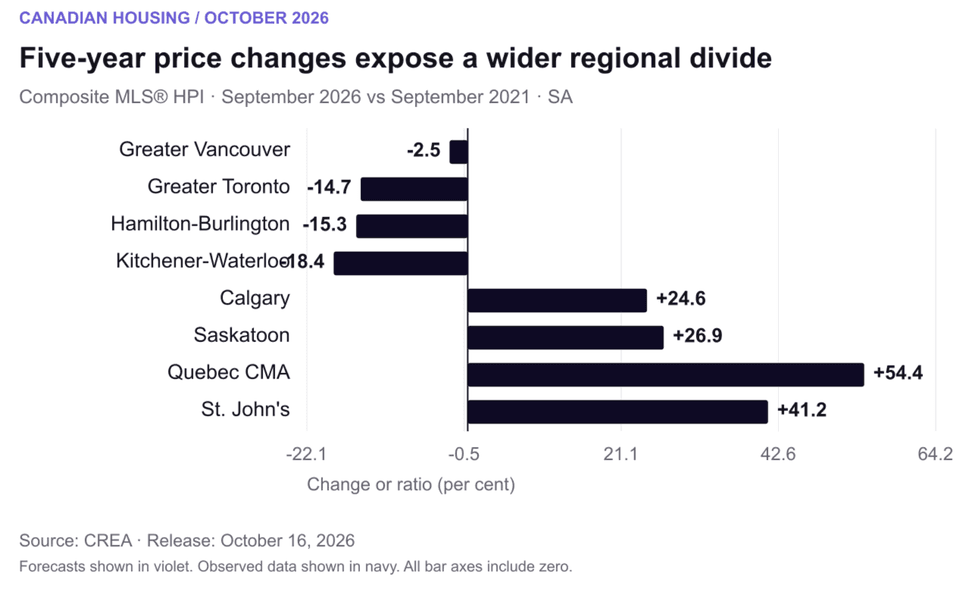 Five-year changes in seasonally adjusted composite MLS® HPI benchmarks, September 2021 to September 2026. Chart:











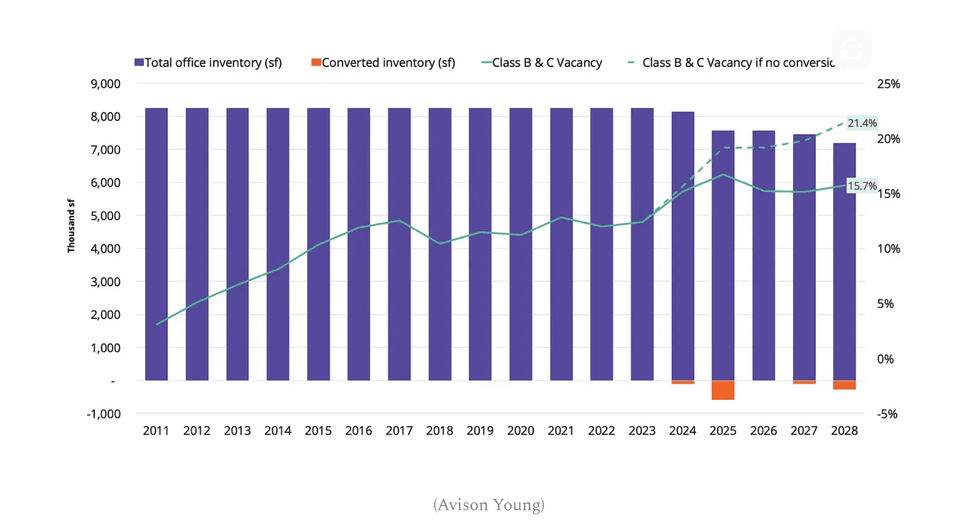 (Avison Young)
 The Mason Suite Interior (Infinity Properties)
 The Mason Suite Interior (Infinity Properties)
 Rail District aerial (Infinity Properties)
 Versant (Infinity Properties)