Closed Mortgage
Adaptive housing design incorporates accessibility and universal features to support aging-in-place and inclusive living.

September 30, 2025
What is a Closed Mortgage?
A closed mortgage is a type of mortgage that restricts the borrower’s ability to pay off the loan early without incurring a penalty. While it generally offers lower interest rates than open mortgages, repayment options are limited to specific prepayment privileges outlined in the mortgage contract.
Why Closed Mortgages Matter in Real Estate
Closed mortgages matter in real estate because they provide borrowers with predictable payments at lower interest rates, making them popular for long-term financing. However, the limited flexibility can be costly if borrowers want to refinance or repay early due to penalties.
Example of a Closed Mortgage in Action
A homeowner with a closed mortgage cannot pay off their $300,000 balance early without facing a significant penalty. Instead, they use the prepayment privilege to make an annual lump sum payment within allowed limits.
Key Takeaways
- Closed mortgages restrict early repayment without penalty.
- Offer lower interest rates compared to open mortgages.
- Provide predictable long-term financing.
- Penalties apply for breaking or paying off early.
- Suitable for borrowers planning to hold mortgages long-term.
Related Terms
- Open Mortgage
- Prepayment Privilege
- Mortgage Penalty
- Fixed-Rate Mortgage
- Mortgage Term

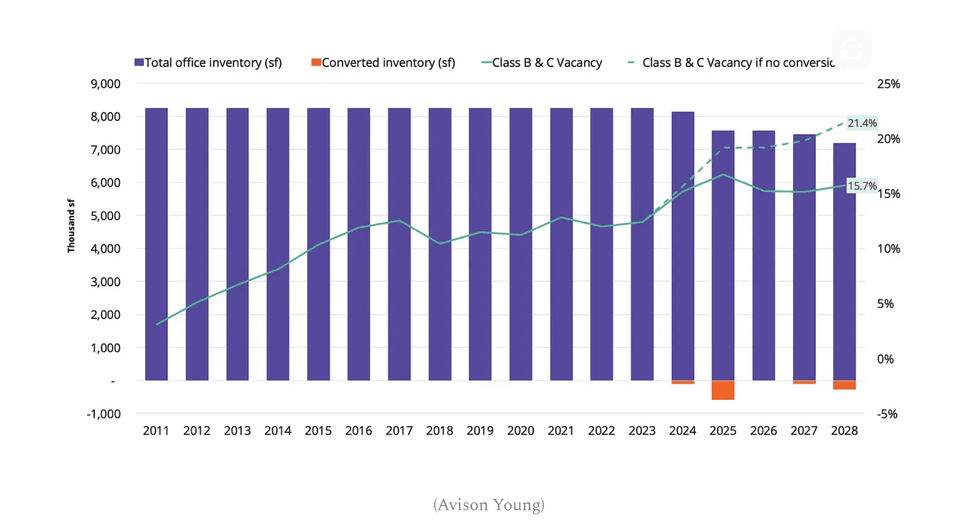 (Avison Young)

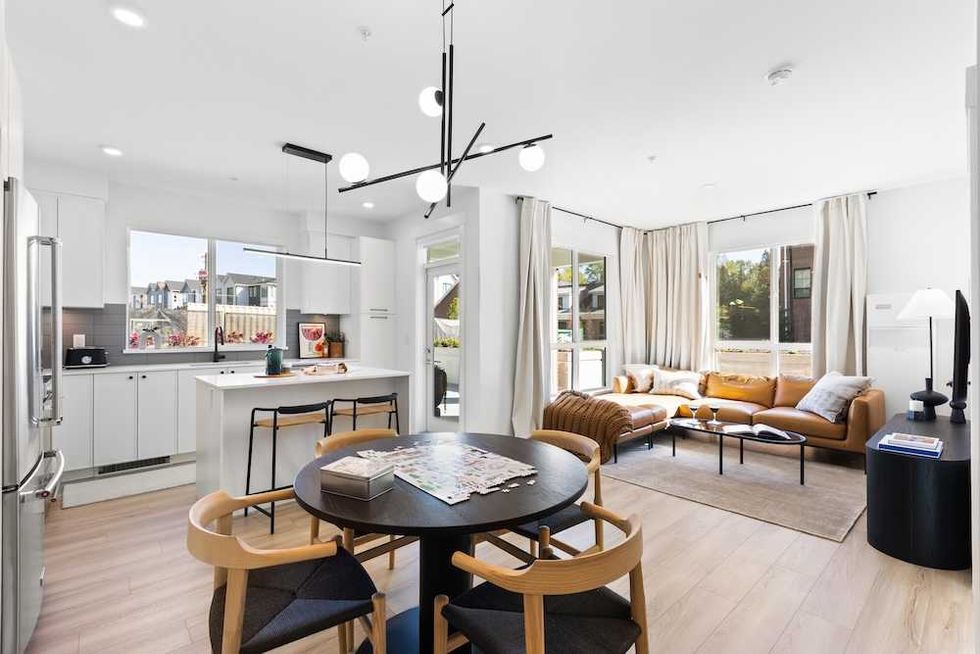 The Mason Suite Interior (Infinity Properties)
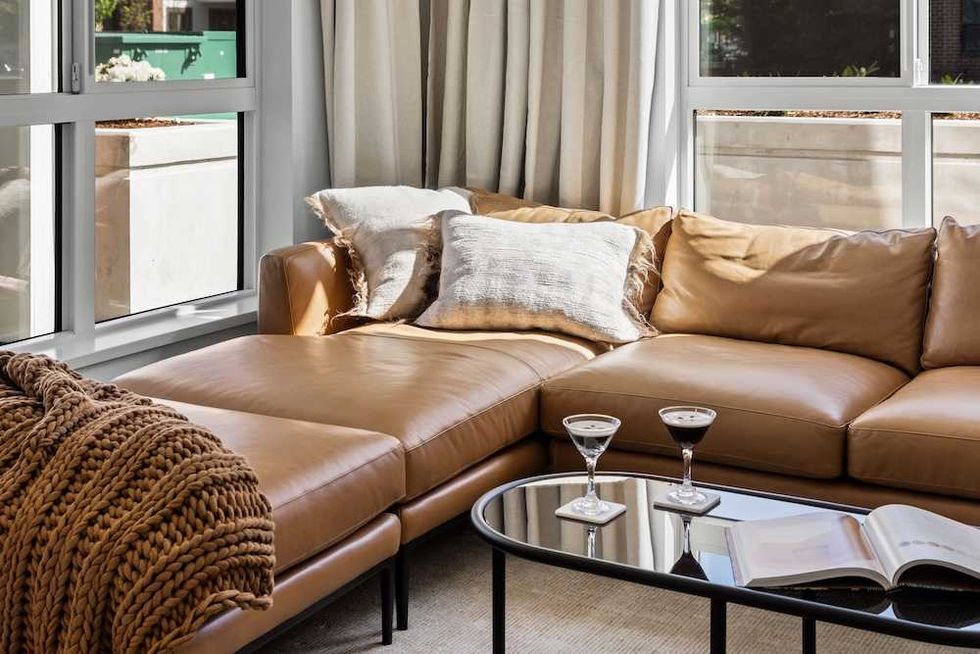 The Mason Suite Interior (Infinity Properties)
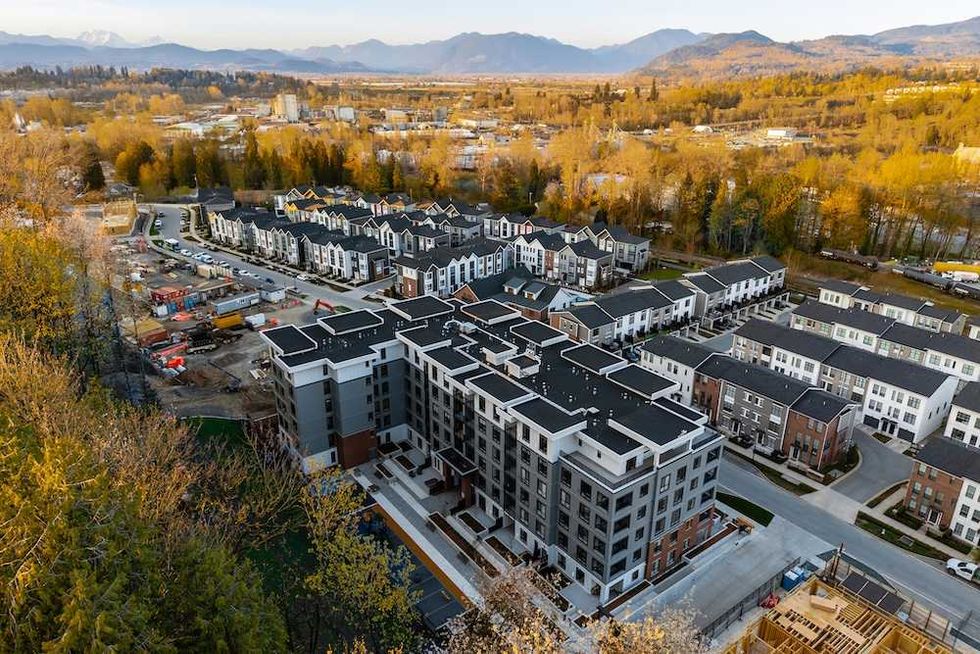 Rail District aerial (Infinity Properties)
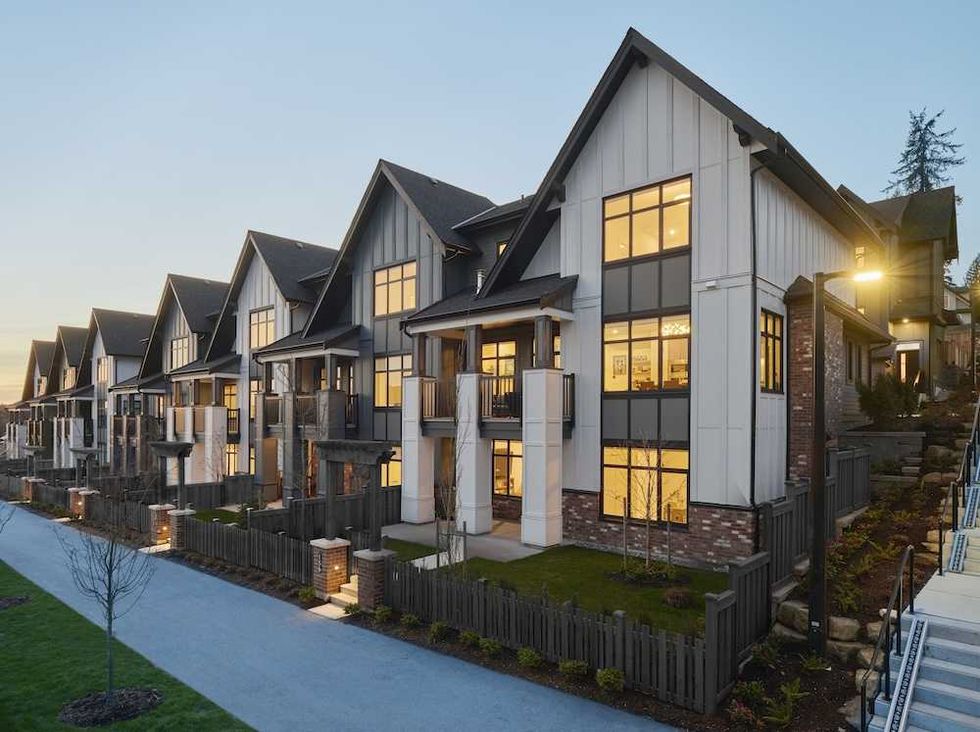 Versant (Infinity Properties)

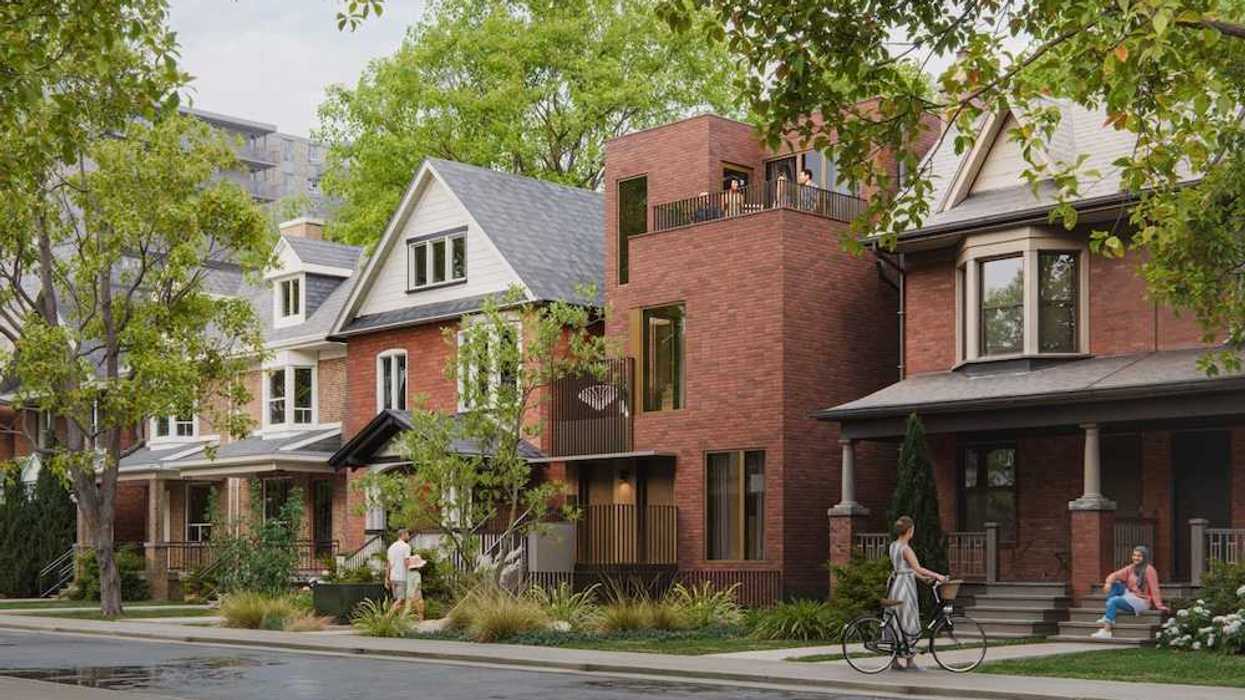
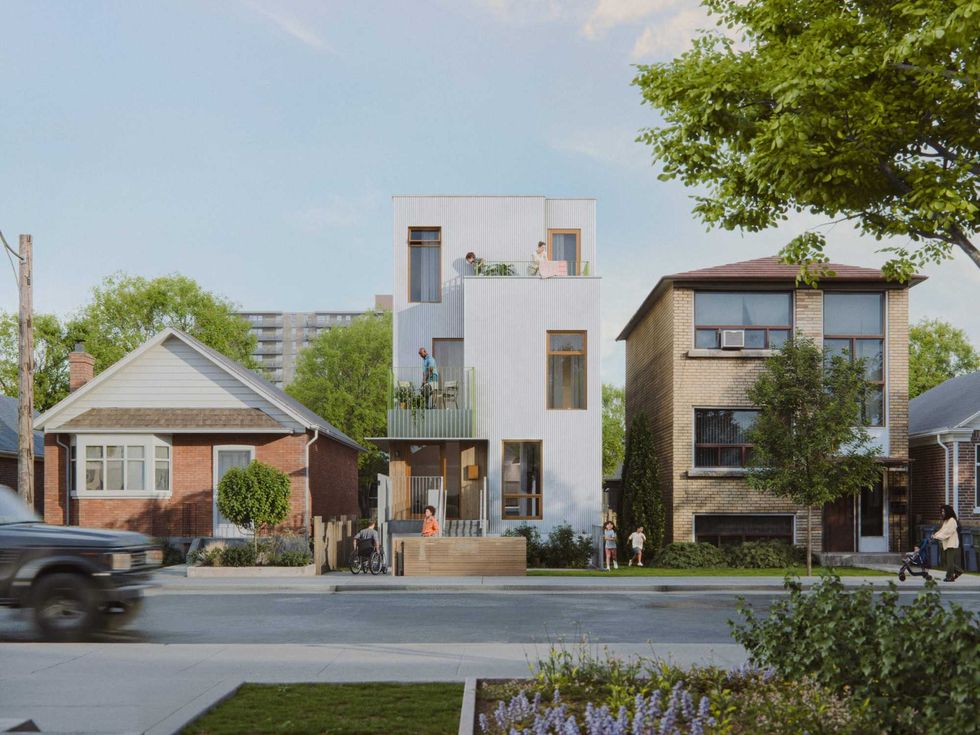 Narrow Fourplex (City of Toronto)
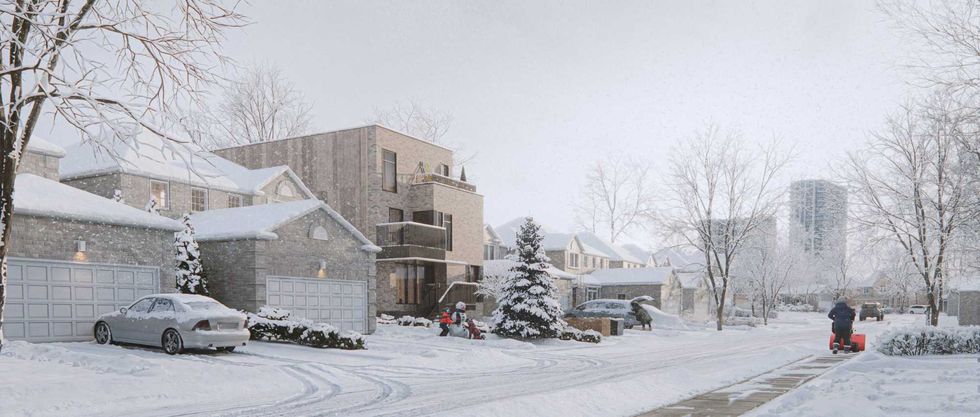 Wide Sixplex - Side View (City of Toronto)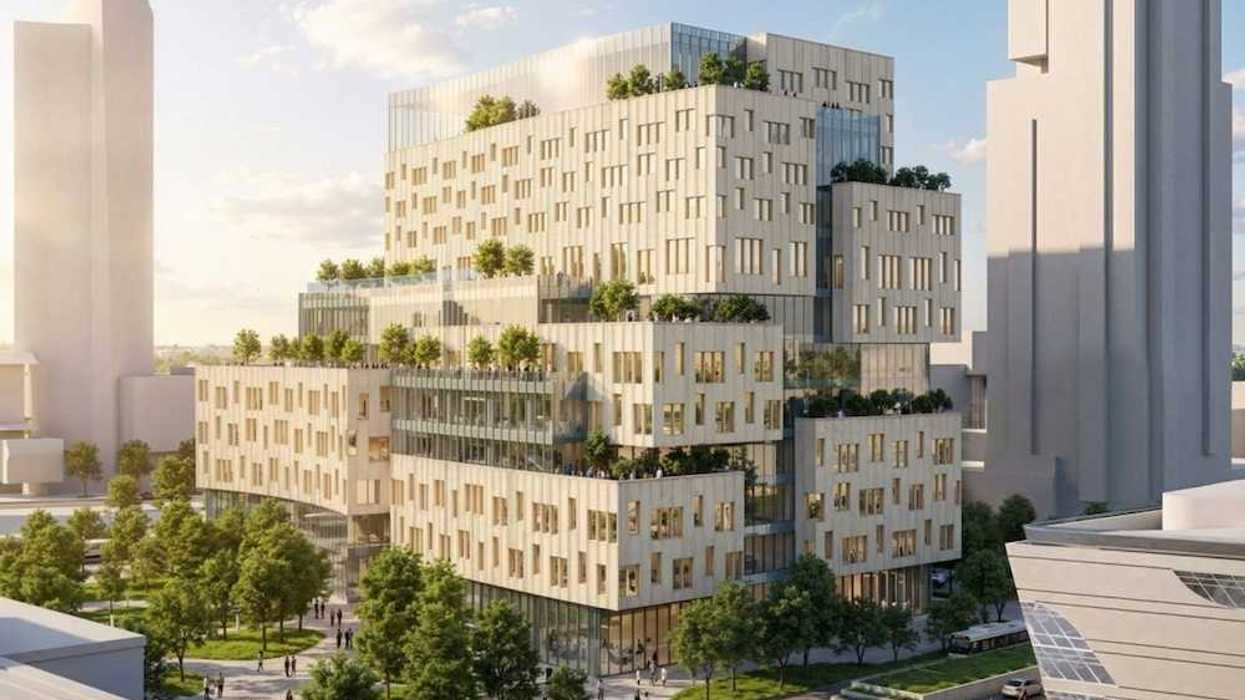
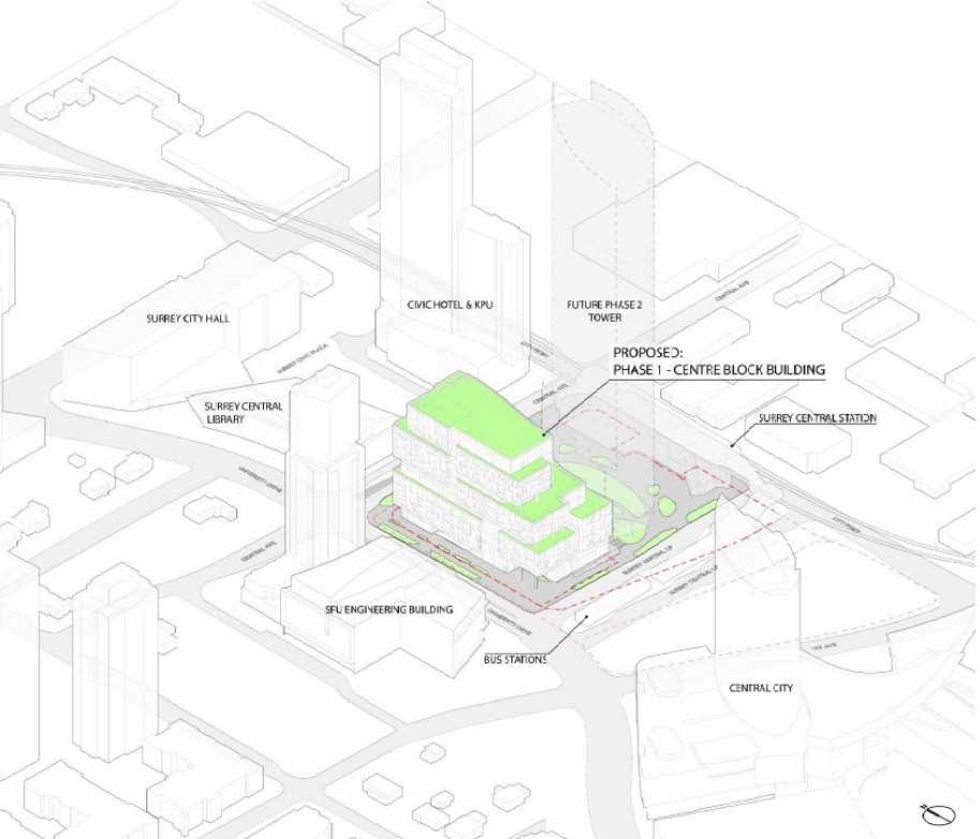 Centre Block and its surrounding context. (Stantec-Revery, SCDC)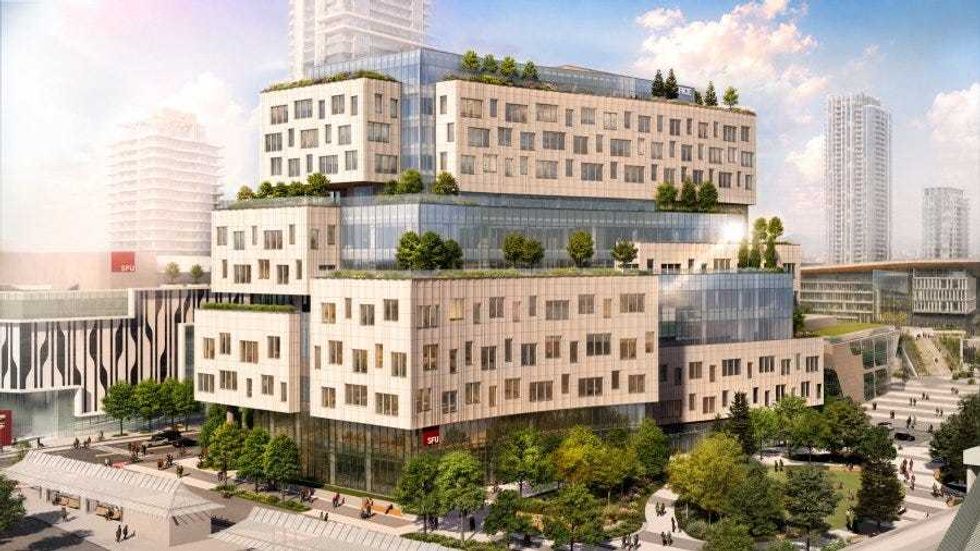
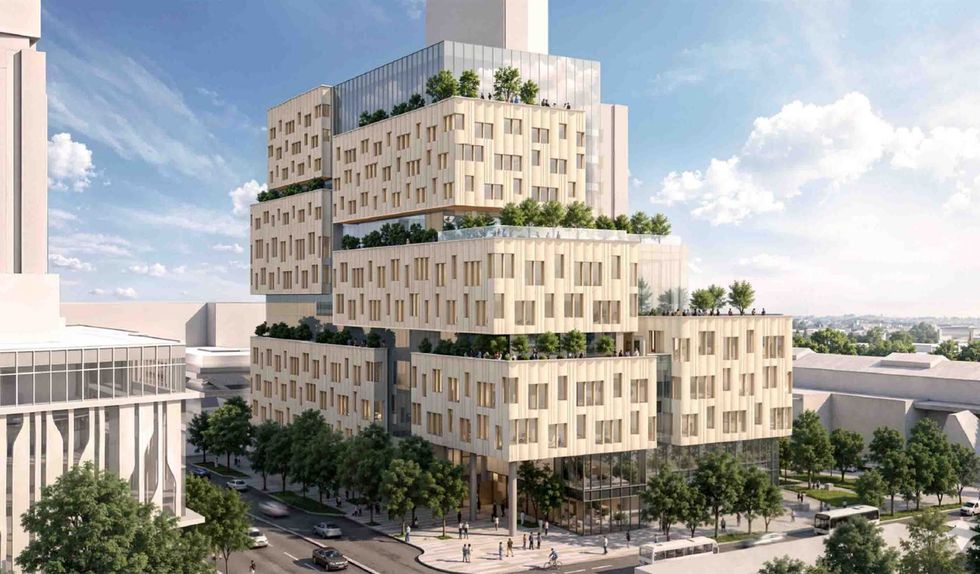 The 12-storey Phase One of Centre Block. (Stantec-Revery, SCDC)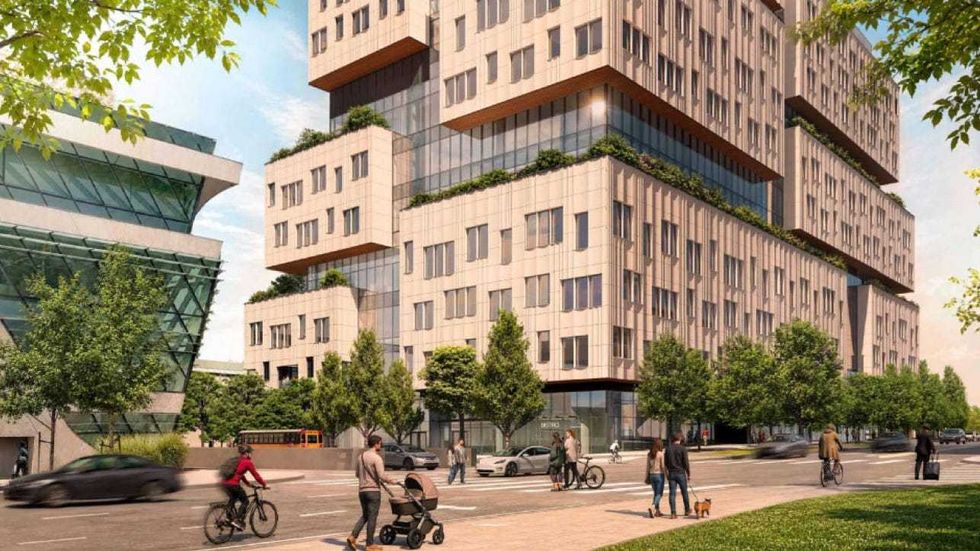
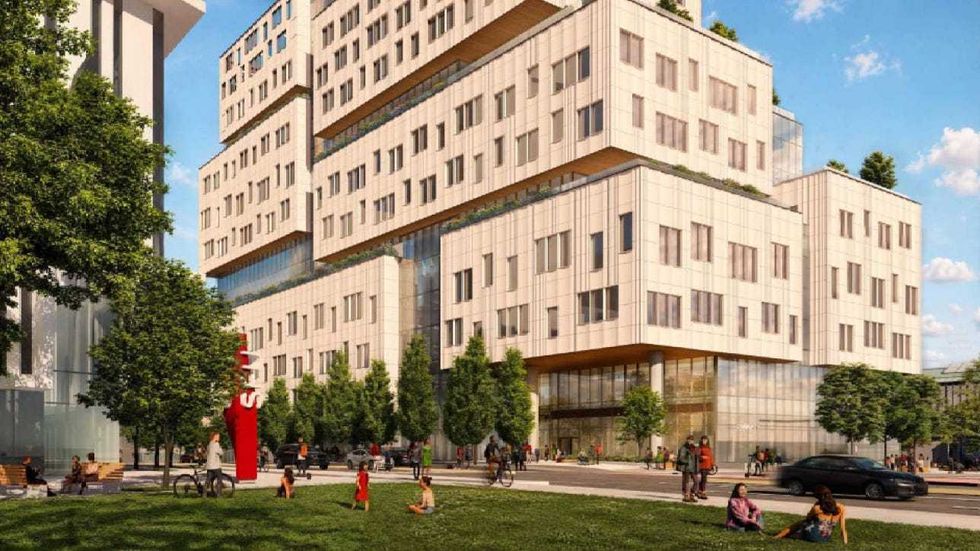 The 12-storey Phase One of Centre Block. (Stantec-Revery, SCDC)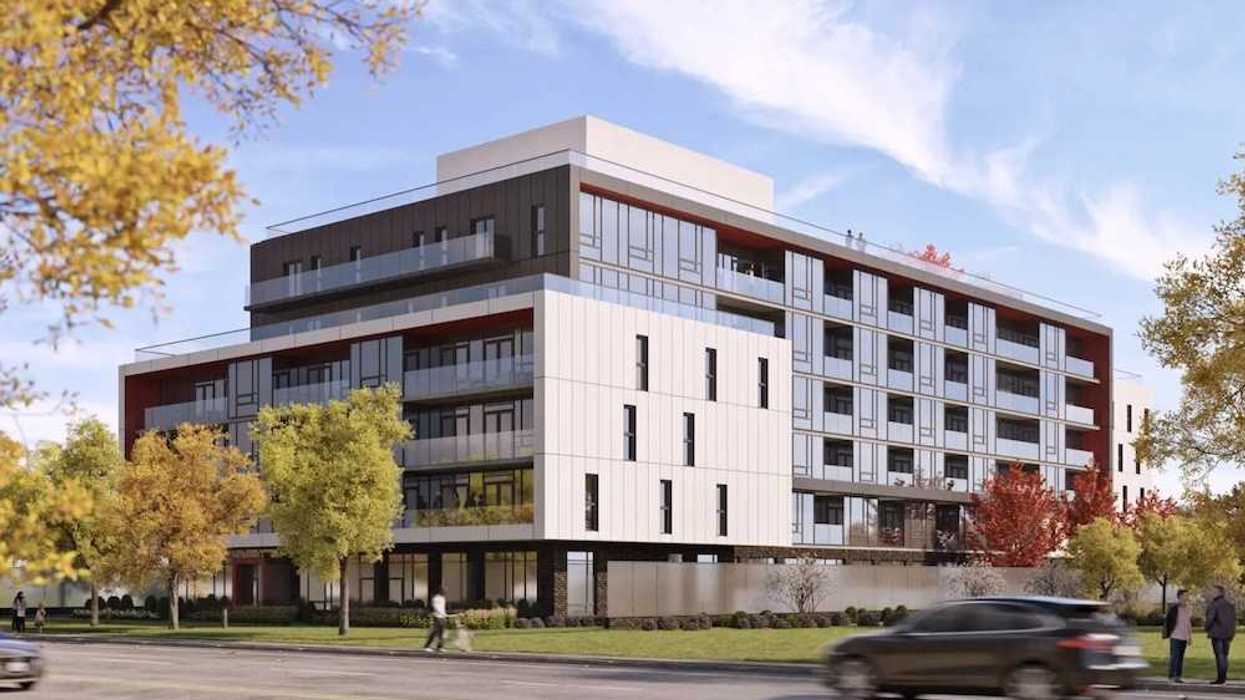
 Mondria One, set for 1607 King Street East in Clarington, Ontario. (ICON Architects Inc., Monde Development Group)