Non-Resident Speculation Tax
The Non-Resident Speculation Tax (NRST) is an Ontario tax on foreign buyers of residential properties to curb speculation and support affordability.

September 30, 2025
What is the Non-Resident Speculation Tax?
The Non-Resident Speculation Tax (NRST) is a provincial tax in Ontario applied to the purchase of residential properties by foreign buyers. Initially introduced in the Greater Golden Horseshoe region, it has since been expanded province-wide. The NRST is an additional percentage of the purchase price, charged on top of land transfer taxes.
Why the Non-Resident Speculation Tax Matters in Real Estate
The NRST matters in real estate because it is designed to curb foreign speculation and stabilize housing markets by discouraging non-resident ownership. It raises government revenue while aiming to improve affordability for local buyers.
Example of the Non-Resident Speculation Tax in Action
A non-resident investor purchases a $1,000,000 home in Toronto. They must pay the standard land transfer tax plus the NRST at the applicable rate, adding tens of thousands to closing costs.
Key Takeaways
- Applies to foreign buyers of Ontario residential property.
- Charged as a percentage of the purchase price.
- Aims to reduce speculation and increase affordability.
- Introduced in GGH region, expanded province-wide.
- Significant additional cost for non-resident buyers.
Related Terms
- Underused Housing Tax
- Speculation and Vacancy Tax
- Vacant Home Tax
- Land Transfer Tax
- Housing Affordability
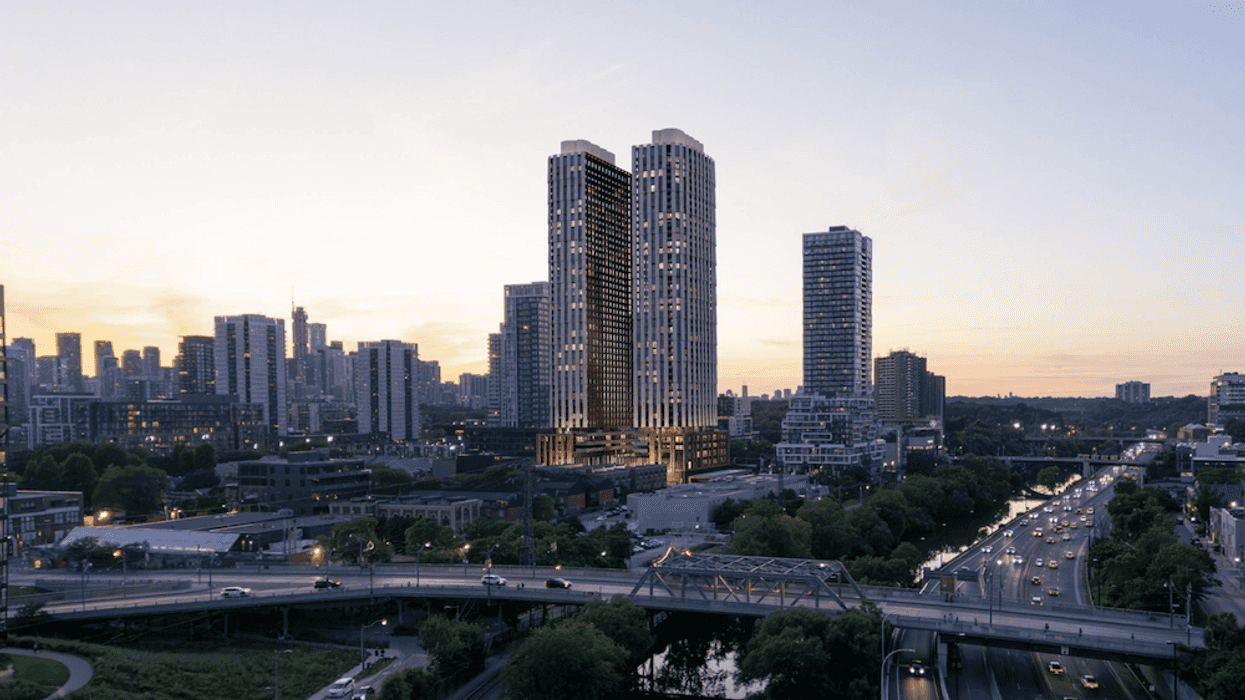
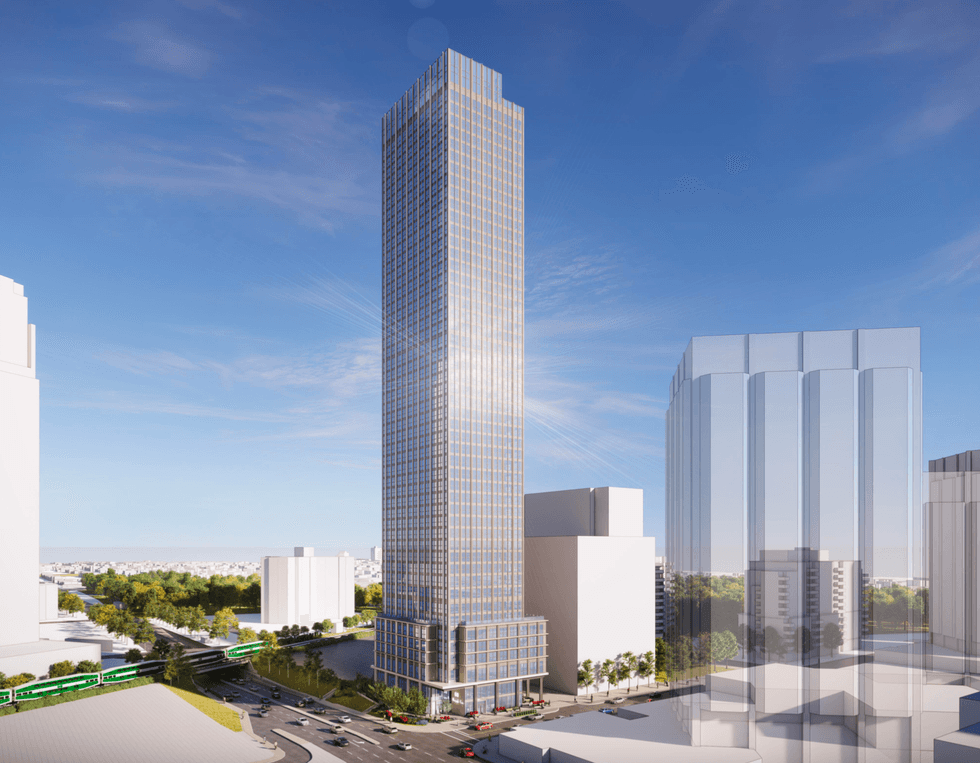
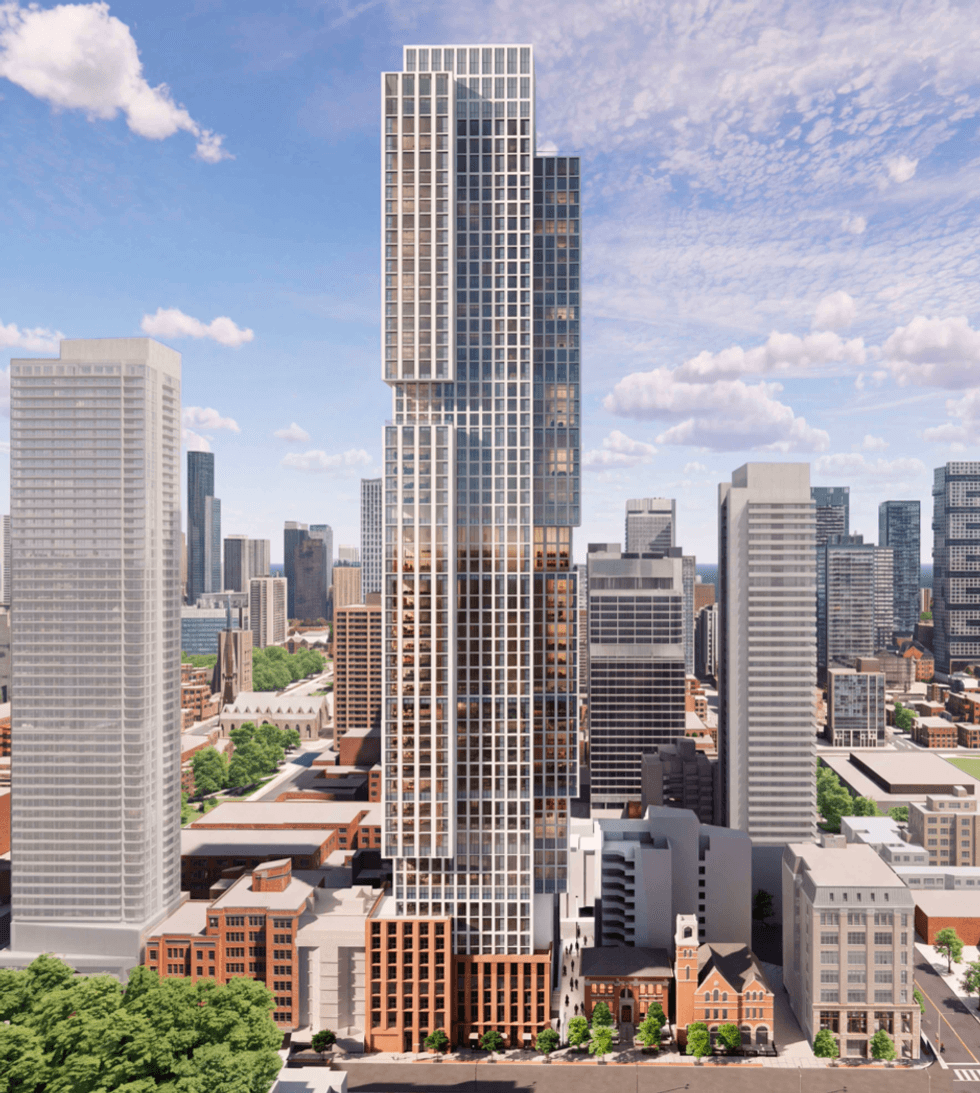 Rendering of 86 and 100-108 Lombard St and 103 Richmond St E/WZMH Architects
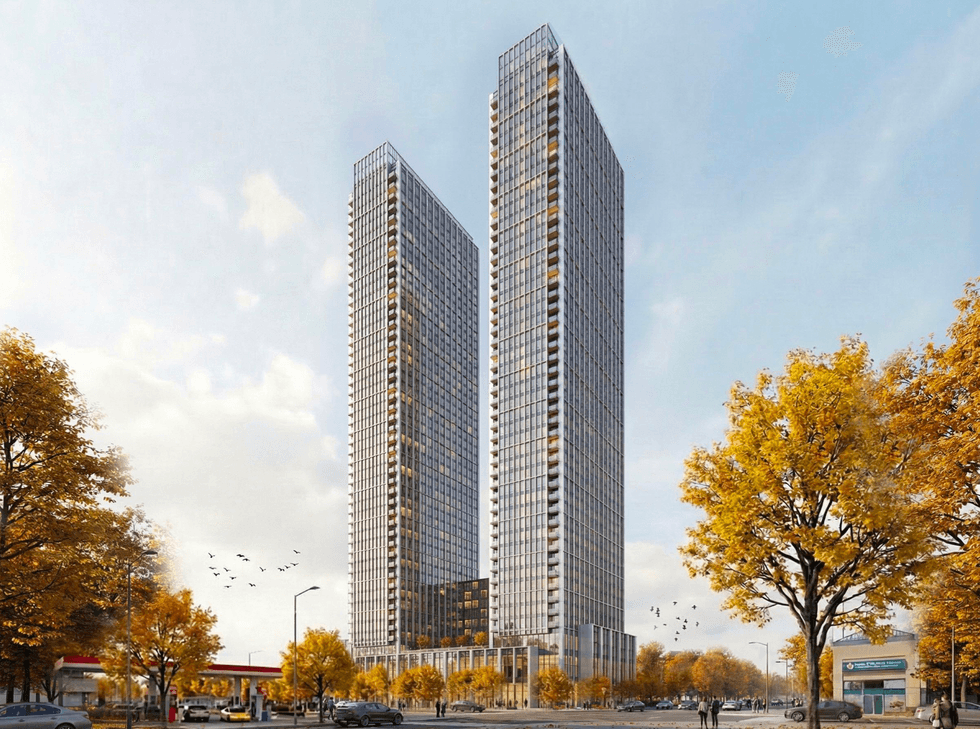 Rendering of 60 Overlea Blvd/Sweeny&Co Architects
 Rendering of 7 Labatt Ave and 77 River St/Giannone Petricone Associates
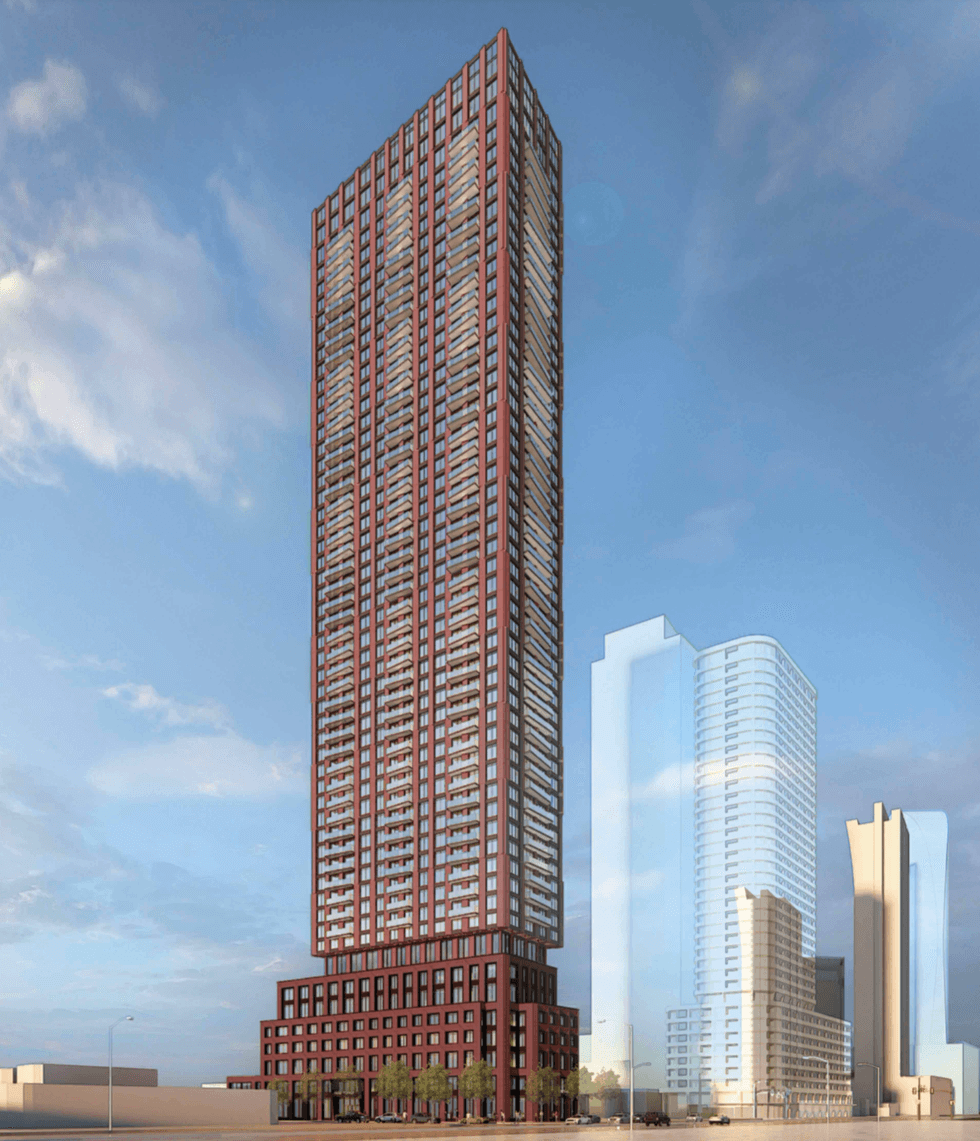 Rendering of 4632-4648 Yonge St and 16-18 Cameron Ave/Arcadis
 Rendering of 1234 Islington Ave/Sweeny&Co Architects
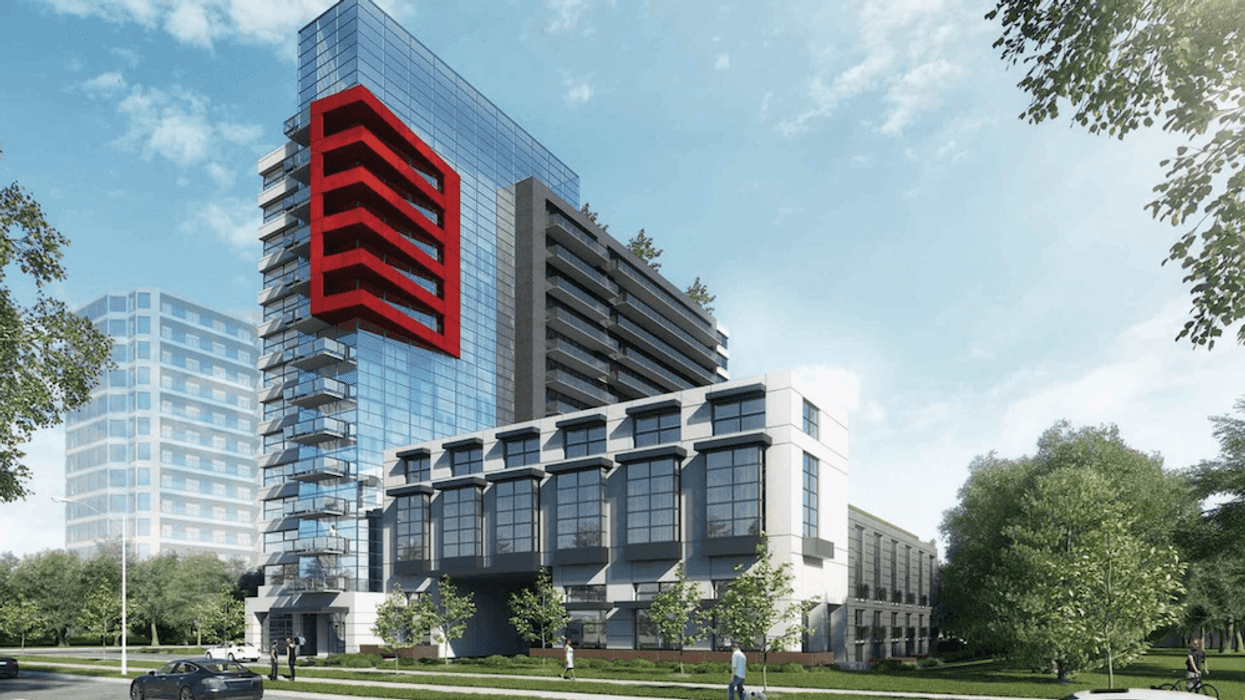


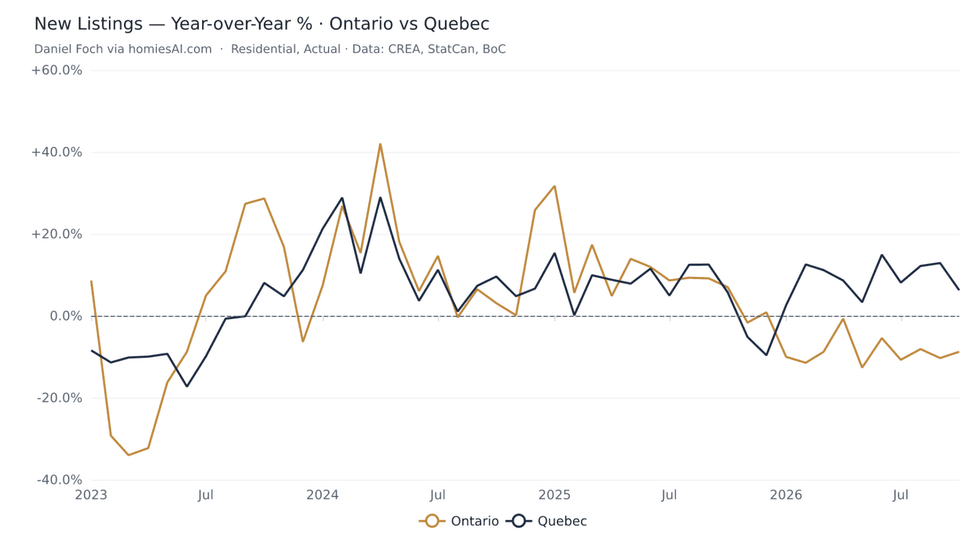 Chart: New listings, year-over-year %, Ontario vs Quebec. Daniel Foch via homiesai.com/stats. Data:
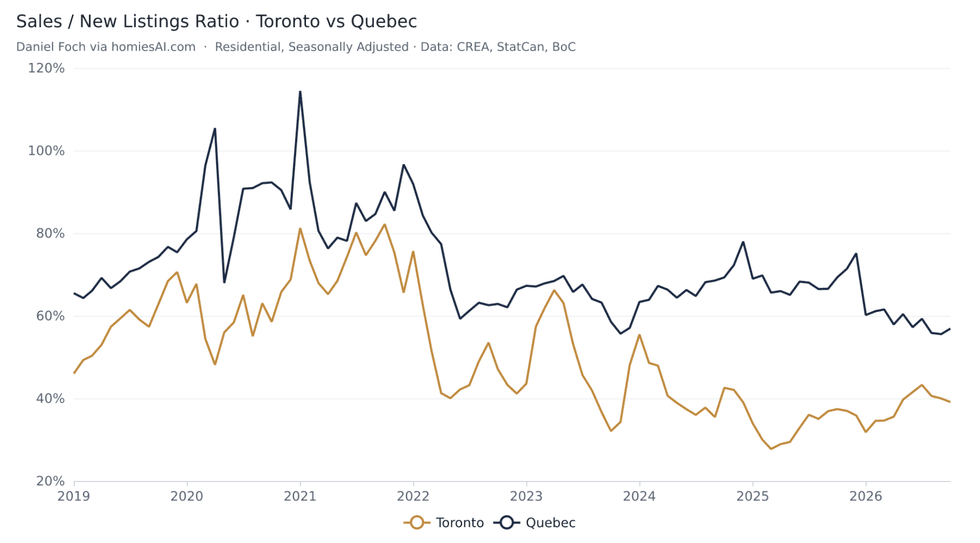 Chart: Sales-to-new-listings ratio, seasonally adjusted. Toronto vs Quebec. Daniel Foch via homiesai.com/stats. Data: CREA.
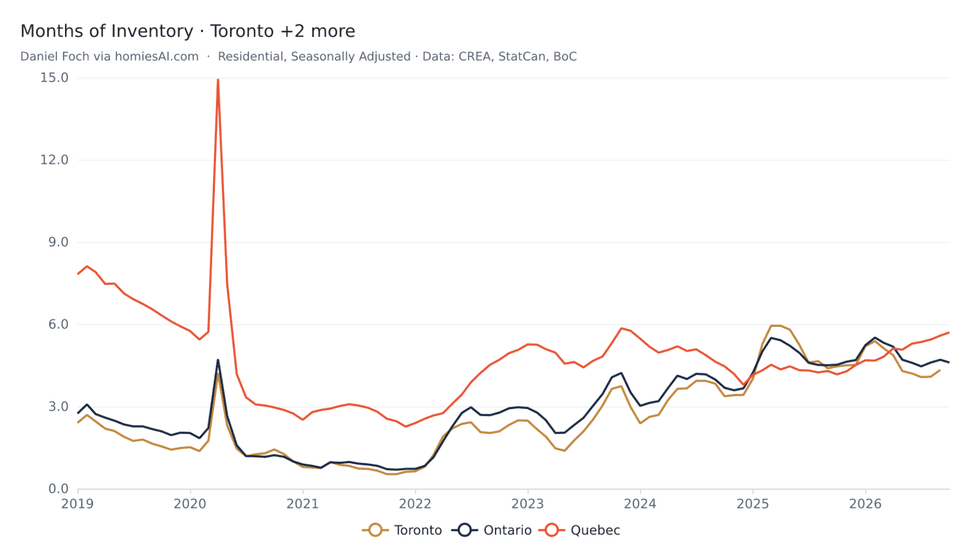 Chart: Months of inventory, seasonally adjusted. Daniel Foch via homiesai.com/stats. Data: CREA.
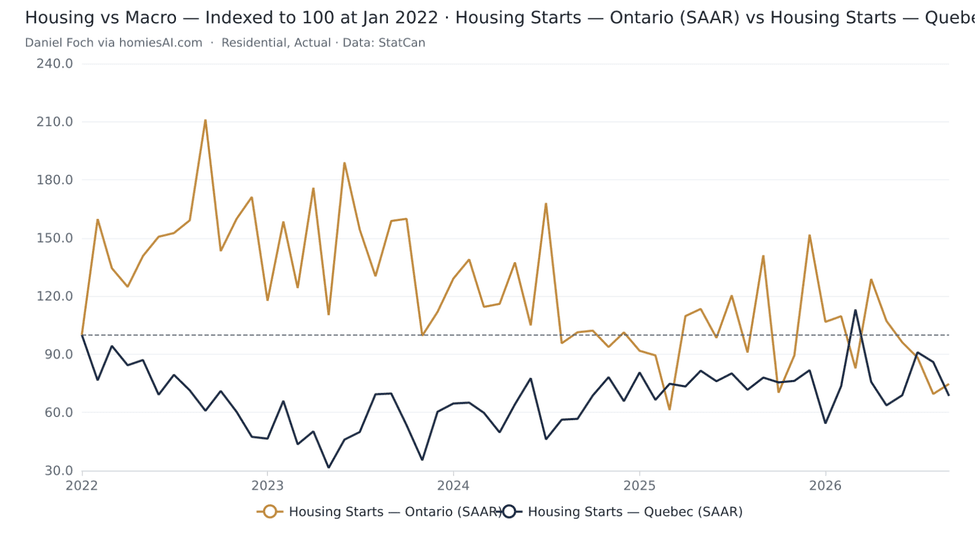 Chart: Housing starts, seasonally adjusted annual rate, Ontario vs Quebec, indexed to January 2022. Daniel Foch via homiesai.com/stats. Data: CMHC via Statistics Canada.
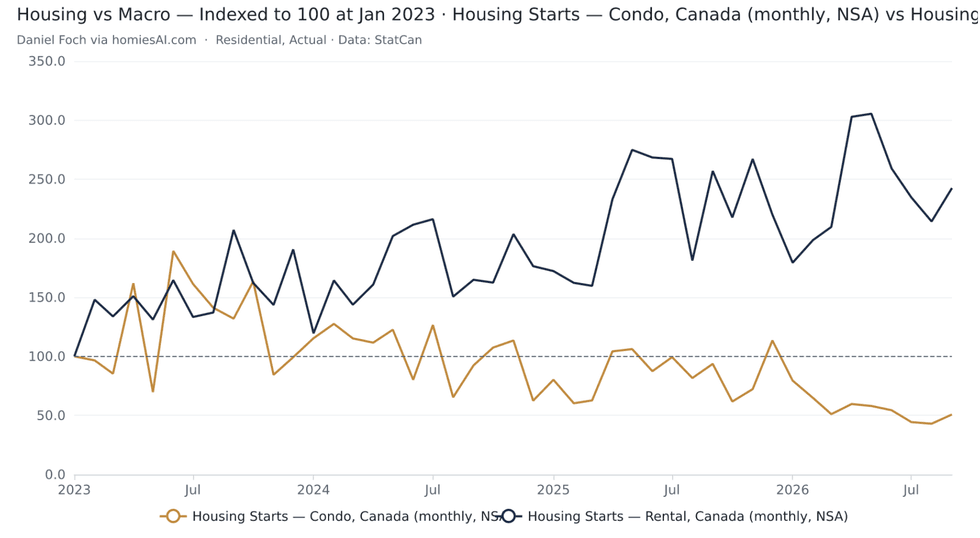 Chart: Condo vs rental housing starts, Canada, indexed to January 2023. Daniel Foch via homiesai.com/stats. Data: CMHC via Statistics Canada.
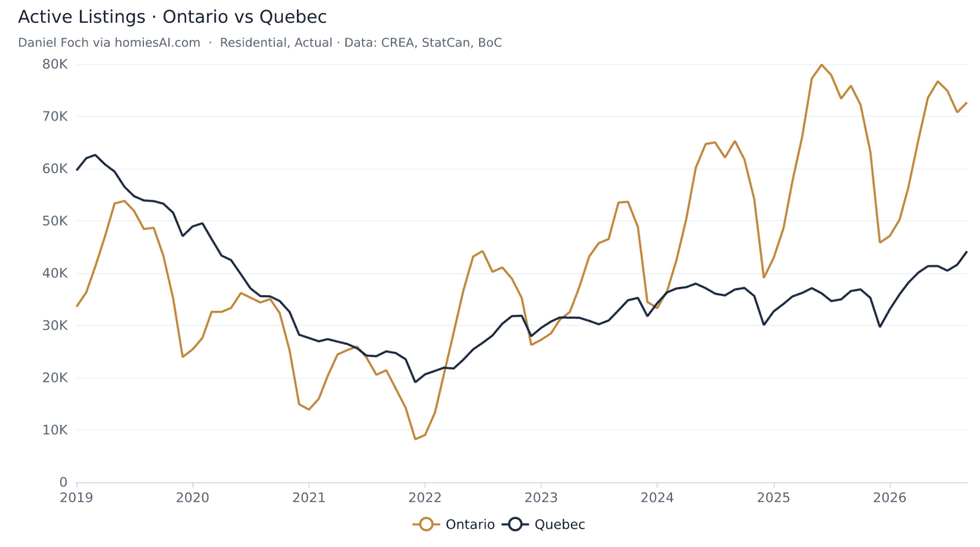 Chart: Active residential listings, Ontario vs Quebec. Daniel Foch via homiesai.com/stats. Data: CREA.
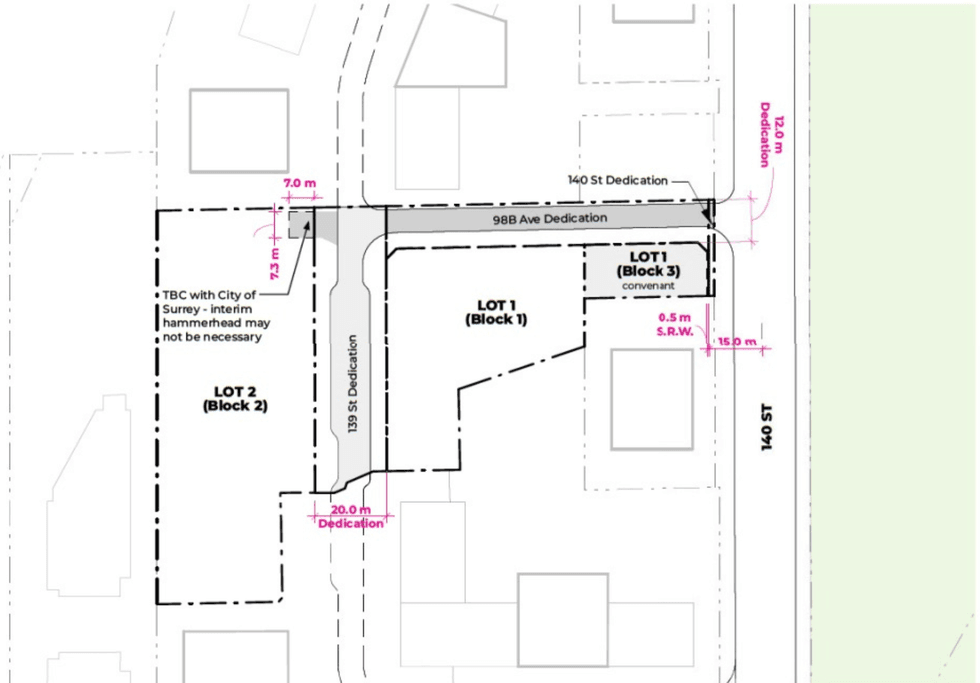 9883 140 Street and the proposed road dedications. (WW+P Architects, Entre Nous Femmes Housing Society)
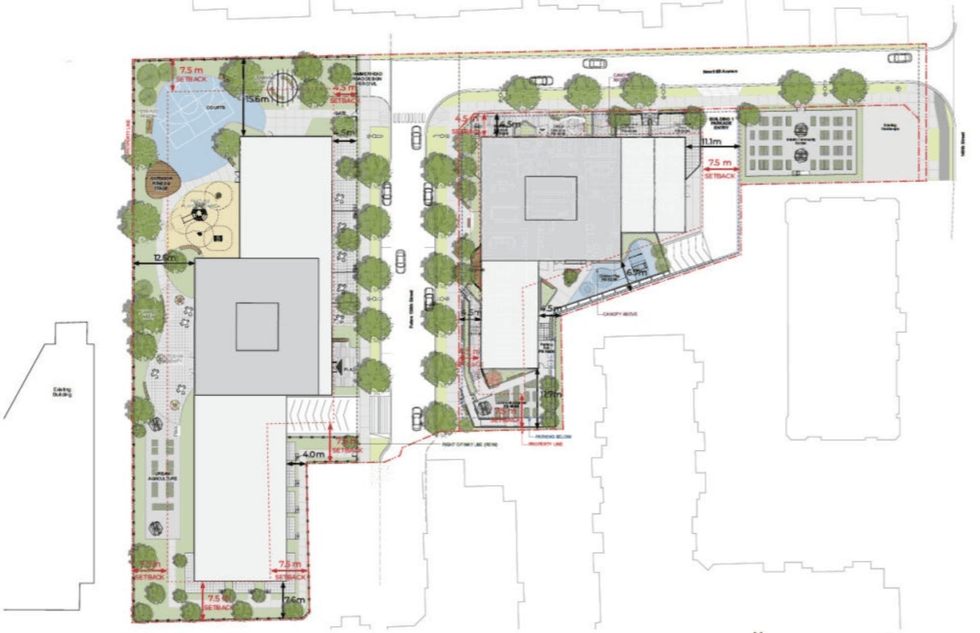 The
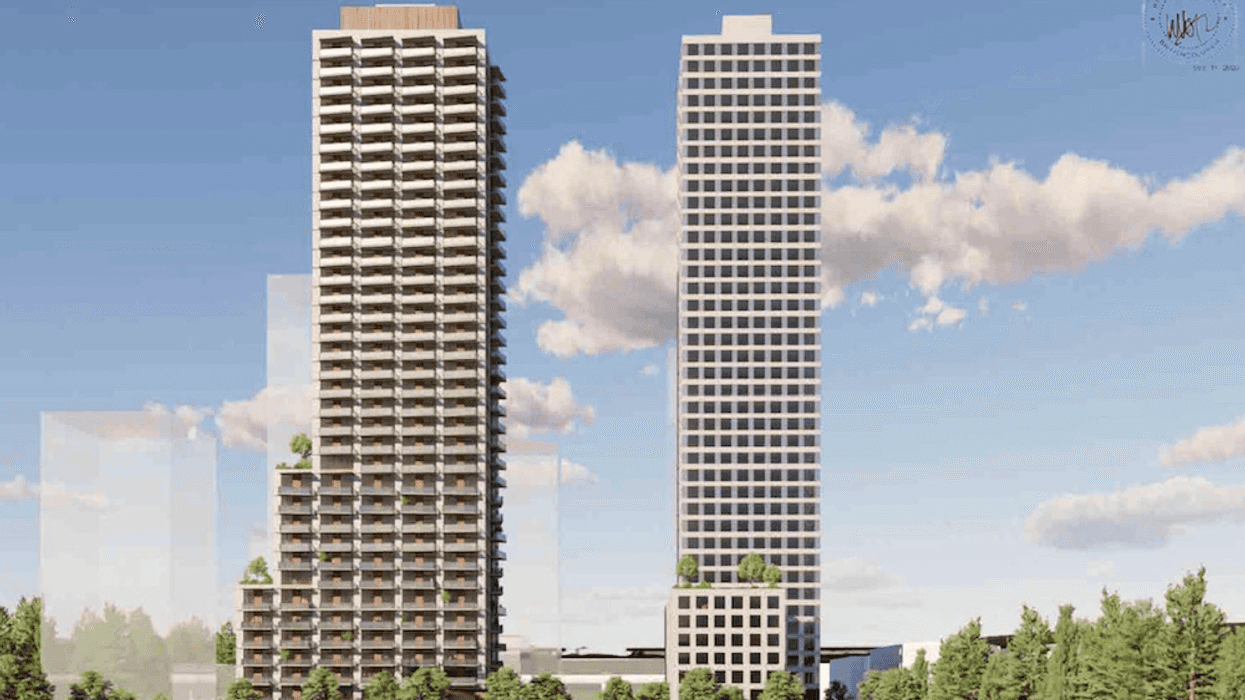
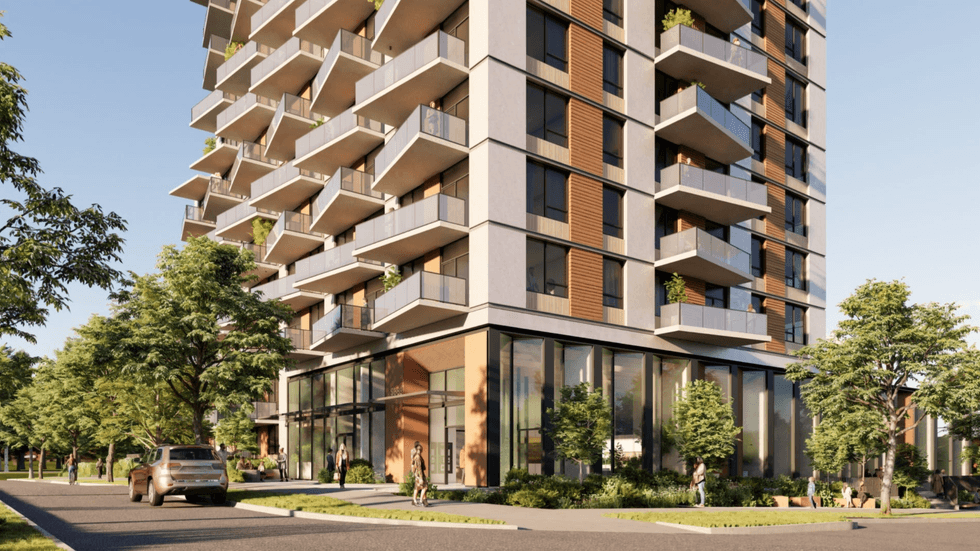 One of the towers proposed for 9883 140 Street. (Entres Nous Femmes Housing Society)

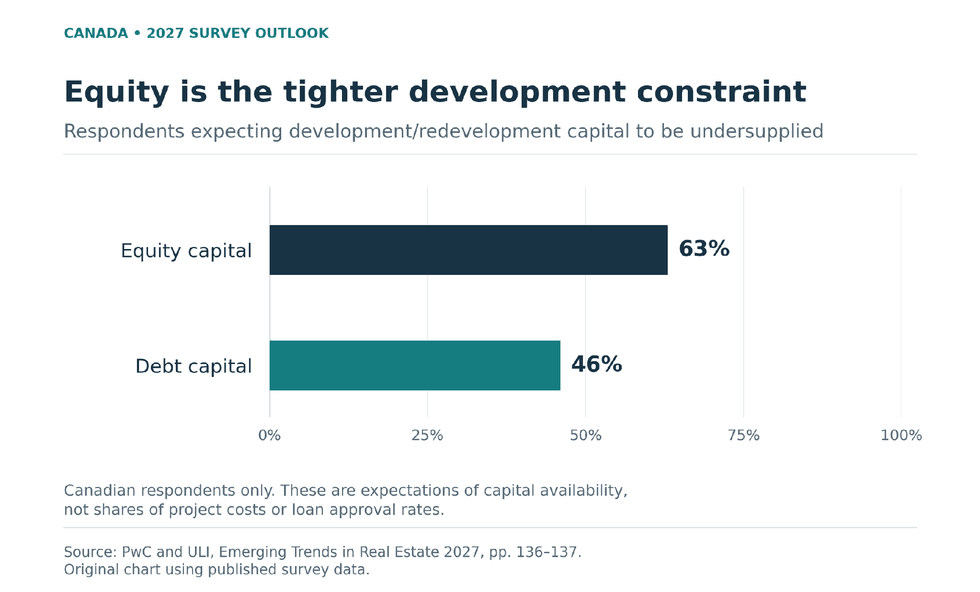 Canadian respondents were more likely to expect an undersupply of development/redevelopment equity capital (63%) than debt capital (46%) in 2027. These are survey expectations, not measured financing volumes. Source: PwC and ULI, Emerging Trends in Real Estate 2027, pp. 136–137. Original chart.
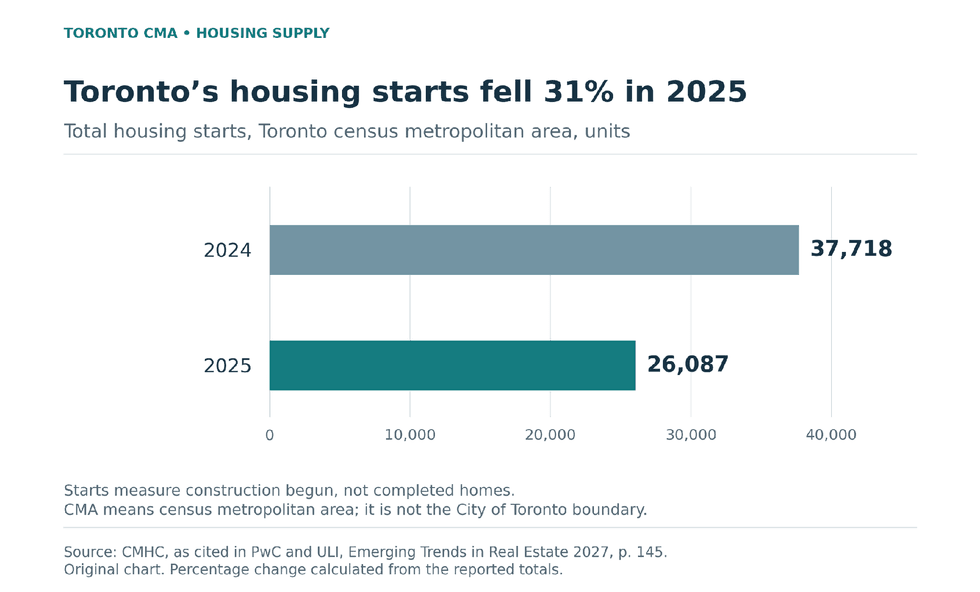 Toronto census metropolitan area housing starts fell from 37,718 units in 2024 to 26,087 in 2025, a 30.8% decline (rounded to 31%). Starts measure construction begun, not completed homes. Source: CMHC, as cited in PwC and ULI, Emerging Trends in Real Estate 2027, p. 145. Original chart.