Net Operating Income

Learn about net operating income (NOI) in Canadian real estate — what it is, how it’s calculated, and why it matters for investors and lenders.

Net Operating Income

August 08, 2025


What is Net Operating Income?

Net operating income (NOI) is the total income generated by a property after operating expenses are deducted but before taxes and financing costs.

Why Net Operating Income Matters in Real Estate

In Canadian real estate investing, NOI is a fundamental measure of a property's profitability and is used in valuation and lending decisions.


Key points:
  • Calculated as Gross Operating Income - Operating Expenses
  • Excludes mortgage payments and capital expenditures
  • Used to determine capitalization rates and property value


Understanding NOI helps investors evaluate performance and lenders assess loan eligibility.

Example of Net Operating Income in Action

The apartment building’s net operating income increased after reducing utility costs and raising rents.

Key Takeaways

  • Measures income after operating expenses
  • Excludes taxes, mortgage, and capital costs
  • Central to property valuation and investment analysis
  • Impacts lending and financing decisions
  • Indicates property cash flow performance

Additional Terms

Public Realm Improvements

Public realm improvements are enhancements to public spaces such as sidewalks, parks, plazas, and streetscapes, often funded or contributed by. more

Mortgagee in Possession

A mortgagee in possession is a lender who takes control of a property after borrower default, but before foreclosure or power of sale. The lender. more

Lease Surrender Agreement

A lease surrender agreement is a negotiated contract between a landlord and tenant that ends a lease before its scheduled expiration. Terms may. more

Green Infrastructure

Green infrastructure refers to natural or engineered systems that manage stormwater, reduce heat, and improve sustainability in developments.. more

Escrow Holdback

An escrow holdback is a portion of funds withheld at closing and held in escrow until specific conditions are met, such as completion of repairs,. more

Underused Housing Tax

The Underused Housing Tax (UHT) is a federal annual 1% tax on the value of vacant or underused residential property owned by non-resident,. more

More For You

How Canadian Developers Are Building For 2026 (And Beyond)

Matías Santana/Unsplash

It’s no secret that Canada’s homebuilding sector has weathered a few tough years. The country’s new condo sales in places like the Greater Toronto Hamilton Area (GTHA) have hit lows we haven’t seen in decades. The root causes – things like reduced immigration, high construction costs, elevated interest rates, and the collapse of investor demand – have created a perfect storm of volatility. An increasingly uncertain geopolitical climate (to say the least) doesn’t help.

So, it’s become common for Canadian developers to drop like dominoes, putting projects on hold or cancelling them altogether. Some, however, have strategically shifted focus to adjust for the changing times. This could mean moves like a pivot to purpose-built rentals, recapitalizing assets, increased cost consciousness, leveraging government incentives, and a reliance on vertical integration.

Keep ReadingShow less
Hullmark Buys Spadina Road Retail Property For $21.7M

(Hullmark)

Toronto-based developer Hullmark recently acquired the retail complex at 446 Spadina Road in the Forest Hill Village neighbourhood, continuing to add to its portfolio of assets.

The property consists of two levels of retail space with one floor of office space above, and the mixed-use building is fully leased, with tenants including Forest Hill Spa, Forest Hill Pets, a Starbucks, and others.

Keep ReadingShow less
Bank Of Canada Holds Interest Rate Steady In First 2026 Announcement

Bank of Canada/X

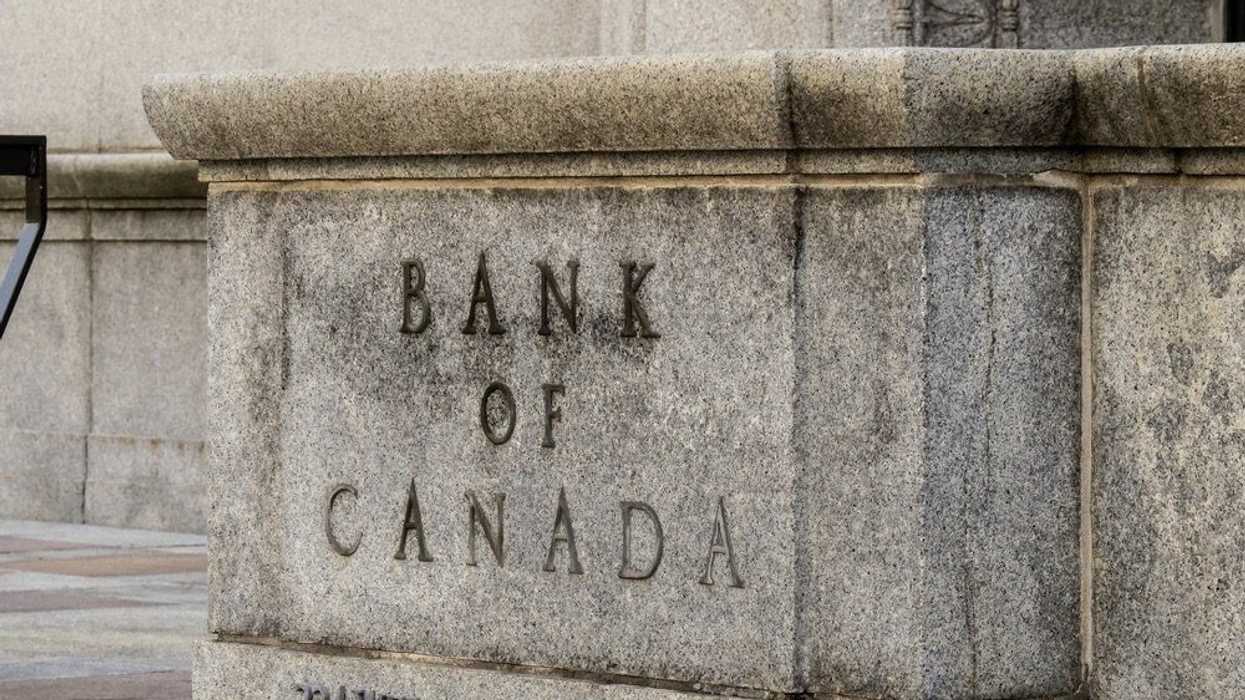
On Wednesday, the Bank of Canada held its policy rate at 2.25%, following a series of cuts in 2025 that brought the benchmark overnight rate to its current level.

Leading up to the announcement, many major Canadian banks — including RBC, TD, and CIBC — came into 2026 expecting the Bank to maintain a steady policy stance.

Keep ReadingShow less

In a city that’s no stranger to architectural ambition, 44 Foxley Street still manages to stand apart.

Tucked into the Trinity Bellwoods neighbourhood, the residence is a sculptural rethink of what contemporary urban living can look like.

Keep ReadingShow less

After several years of tight conditions, Canada’s purpose-built rental market is beginning to show signs of normalization.

That’s the picture painted by Yardi’s latest Canadian National Multifamily Report, which recaps Q4 2025 and shows a market that remains broadly resilient — but increasingly balanced — as new supply comes online, vacancy rises, and rent growth cools across major metros.

Keep ReadingShow less
There's Still Time To Attend The Buzz Conference ‘GREATNESS 2026’

Canada’s premier real estate conference returns to the GTA this month, and if you haven't snagged your ticket yet, there's still time.

On January 28 and 29, the BUZZ Conference will bring "GREATNESS 2026" to the Mississauga Convention Centre.

Keep ReadingShow less
STOREYS Joins SiteMedia, Elevating Canadian Real Estate Coverage

Samuel Regan/Unsplash

New year, same STOREYS — but better.

STOREYS is excited to announce the company has been acquired by SiteMedia; a move that reflects both where the Canadian real estate industry is today, and where it's headed next.

Keep ReadingShow less
Public REITs Could Be Poised For A 2026 Comeback: Hazelview
LinedPhoto/Unsplash

After spending much of the decade trailing broader equities, public real estate may finally be nearing a turning point.

That’s the view from Hazelview Investments’ newly released 2026 Global Public Real Estate Outlook Report, which argues that the forces shaping global REIT markets are beginning to shift. Using an active management lens, Hazelview’s public securities team points to an environment where supply, demand, valuation, and capital discipline are increasingly coming into alignment — and where the long-standing gap between public and private real estate values is becoming harder to ignore.

Keep ReadingShow less