Mixed-Use Development
Learn about mixed-use development in Canadian real estate: how it blends housing and commercial space and supports urban density and walkability.
June 16, 2025
What is a Mixed-Use Development?
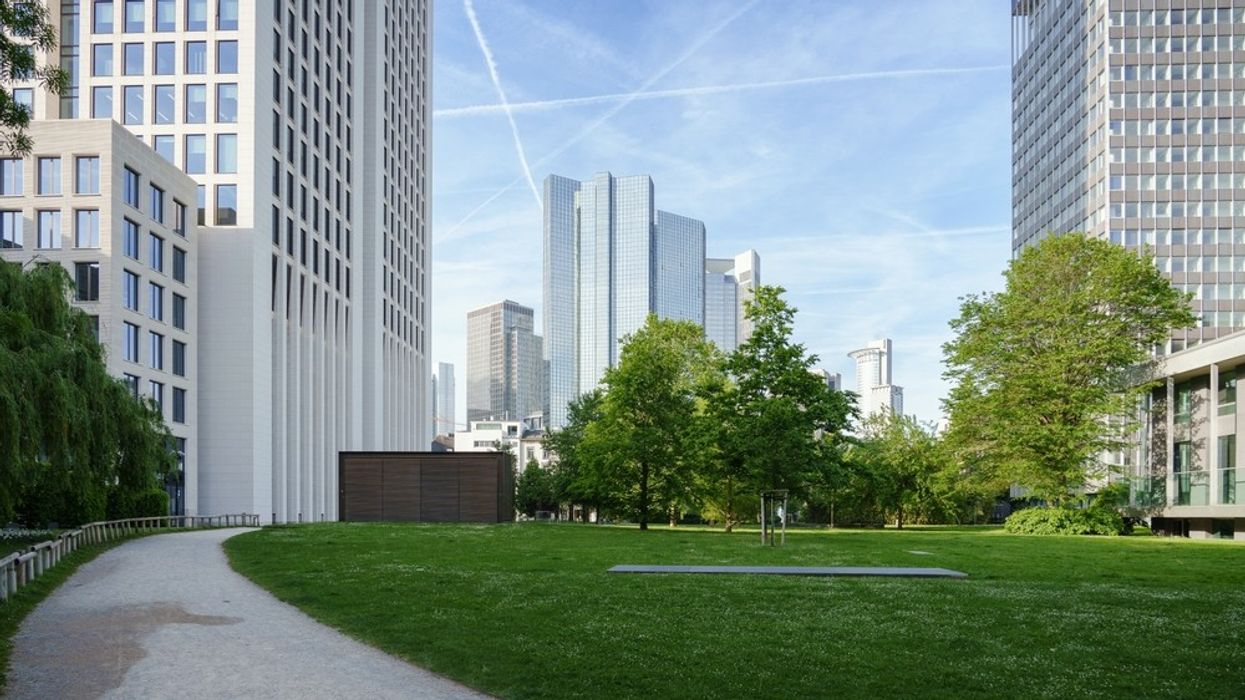
Mixed-use development refers to real estate projects that integrate multiple uses, such as residential, commercial, retail, and institutional, within a single building or site.
Why Mixed-Use Developments Matter in Real Estate
In Canadian urban real estate, mixed-use development supports compact, efficient land use and enhances walkability and transit access.
Common elements include:- Retail on the ground floor with condos above
- Residential units integrated with office or hotel space
- Civic amenities like libraries or daycare co-located with housing
Mixed-use developments often require detailed zoning approvals and site plans, and are guided by urban planning goals like intensification, sustainability, and livability.
Understanding mixed-use projects helps developers, investors, and municipalities meet evolving housing and commercial needs within growing cities.
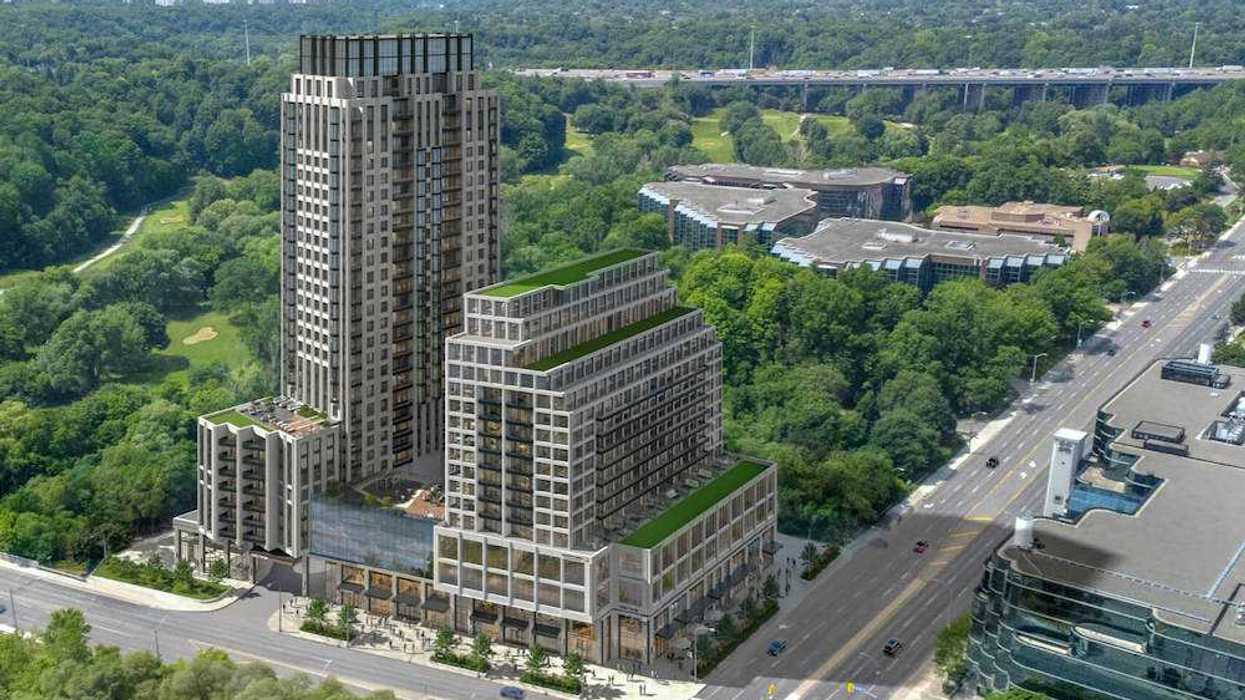
Example of a Mixed-Use Development in Action
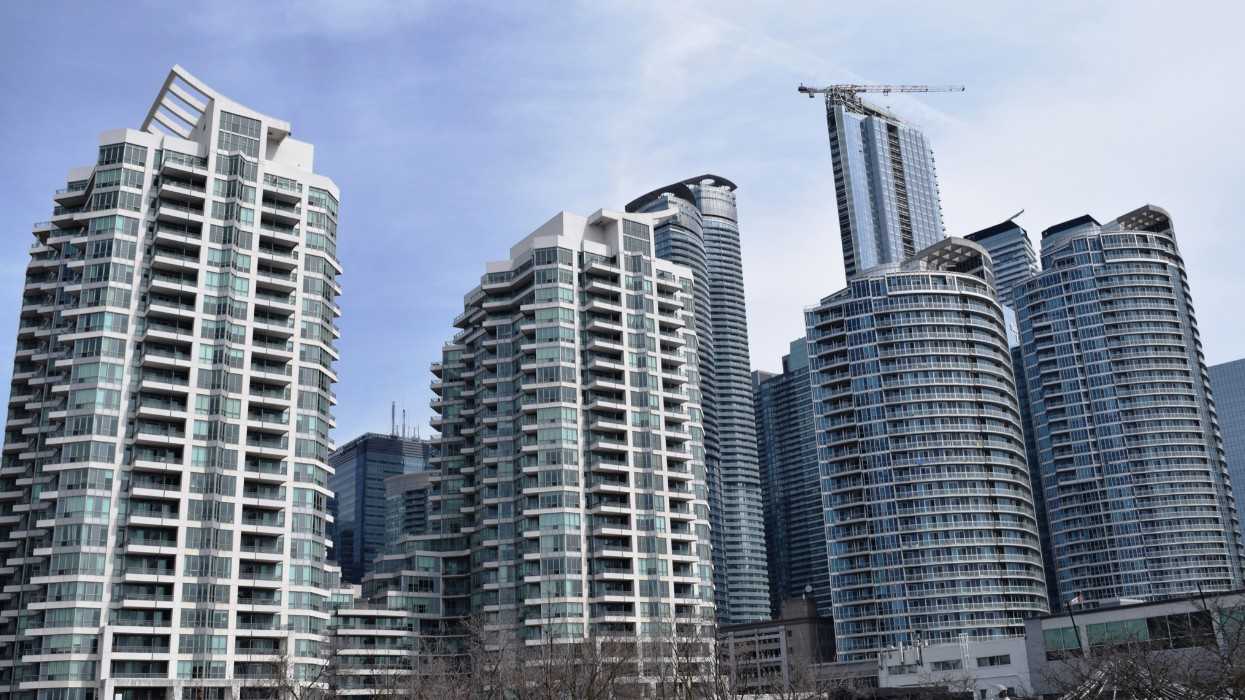
The developer’s mixed-use project includes two residential towers atop a retail podium with cafés, a grocery store, and a medical clinic.
Key Takeaways
- Combines residential, retail, and/or office space
- Promotes land efficiency and sustainability
- Enhances urban vibrancy and walkability
- Requires detailed zoning and planning approvals
- Popular in high-density urban areas
Related Terms
- Zoning
- Urban Planning
- Transit-Oriented Development
- Site Plan
- Walkability
 CBRE Canada
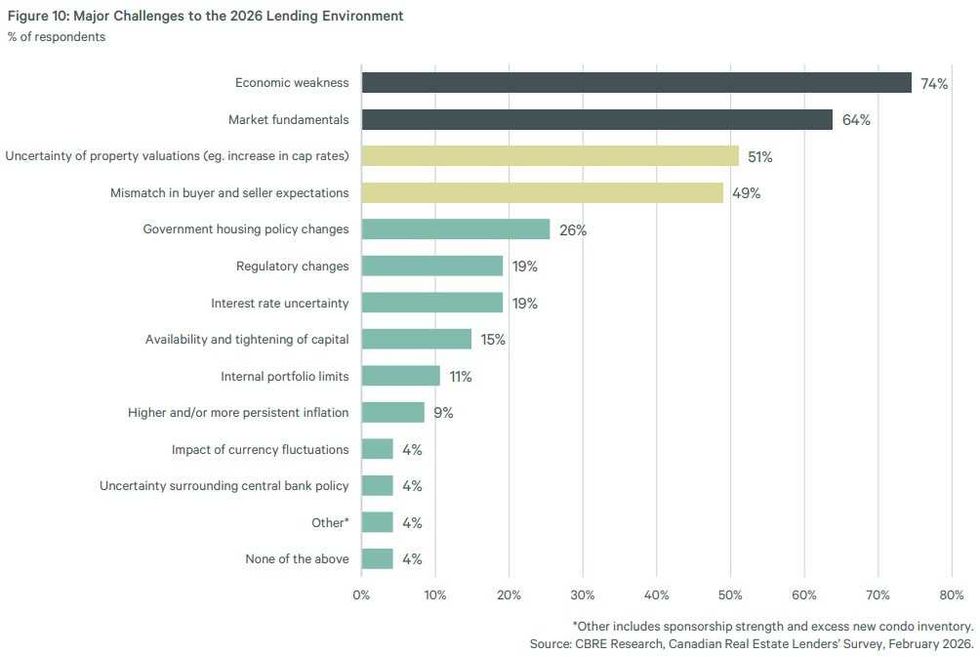 CBRE Canada
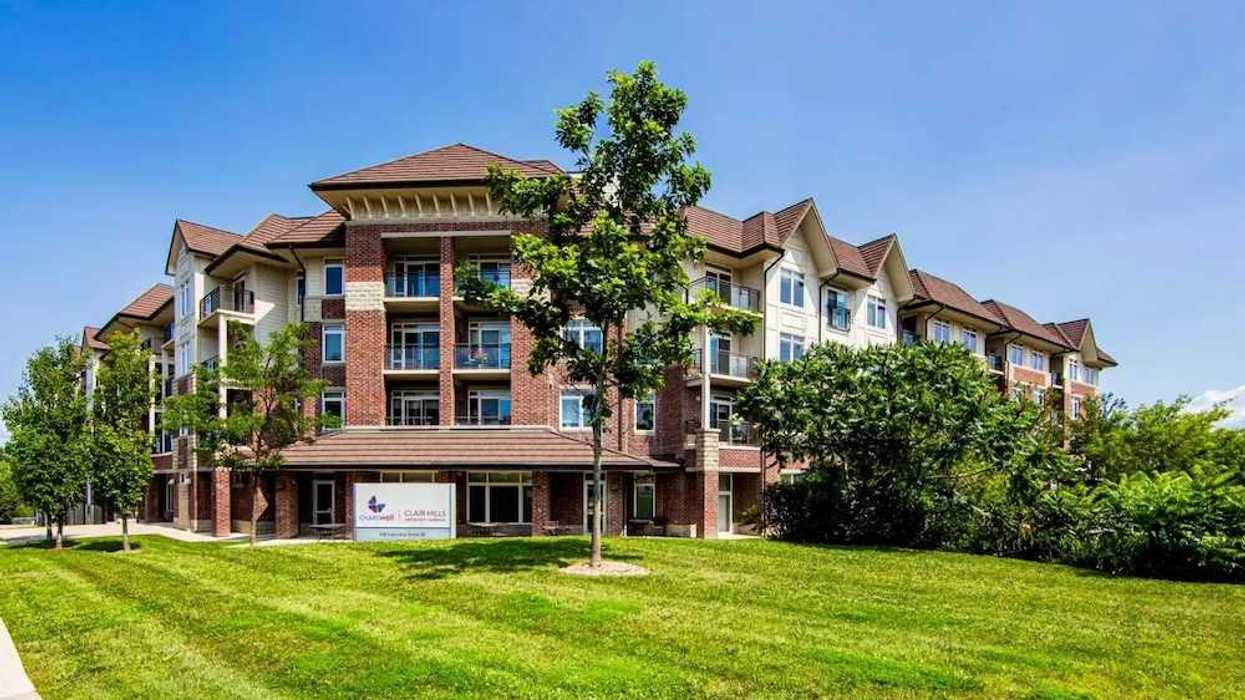
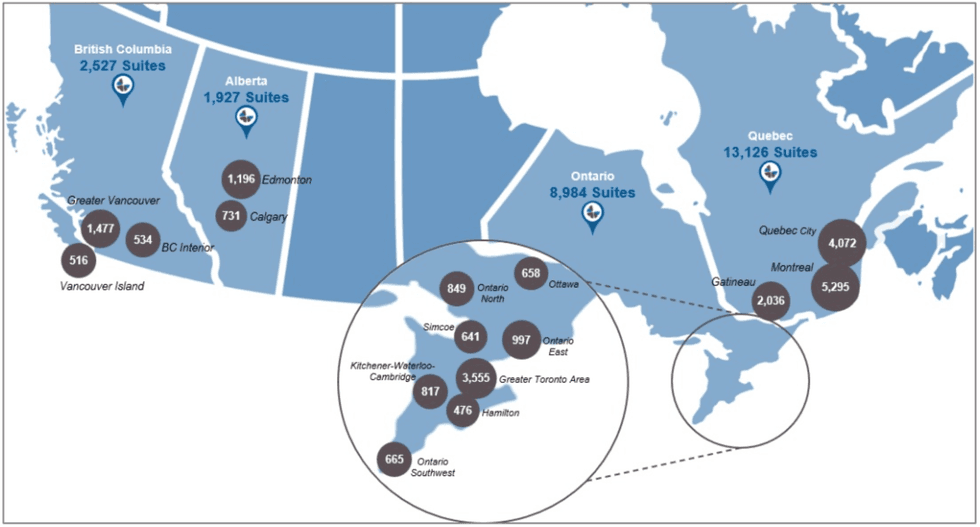 Chartwell’s portfolio as of December 31, 2025. (Chartwell Retirement Residences)
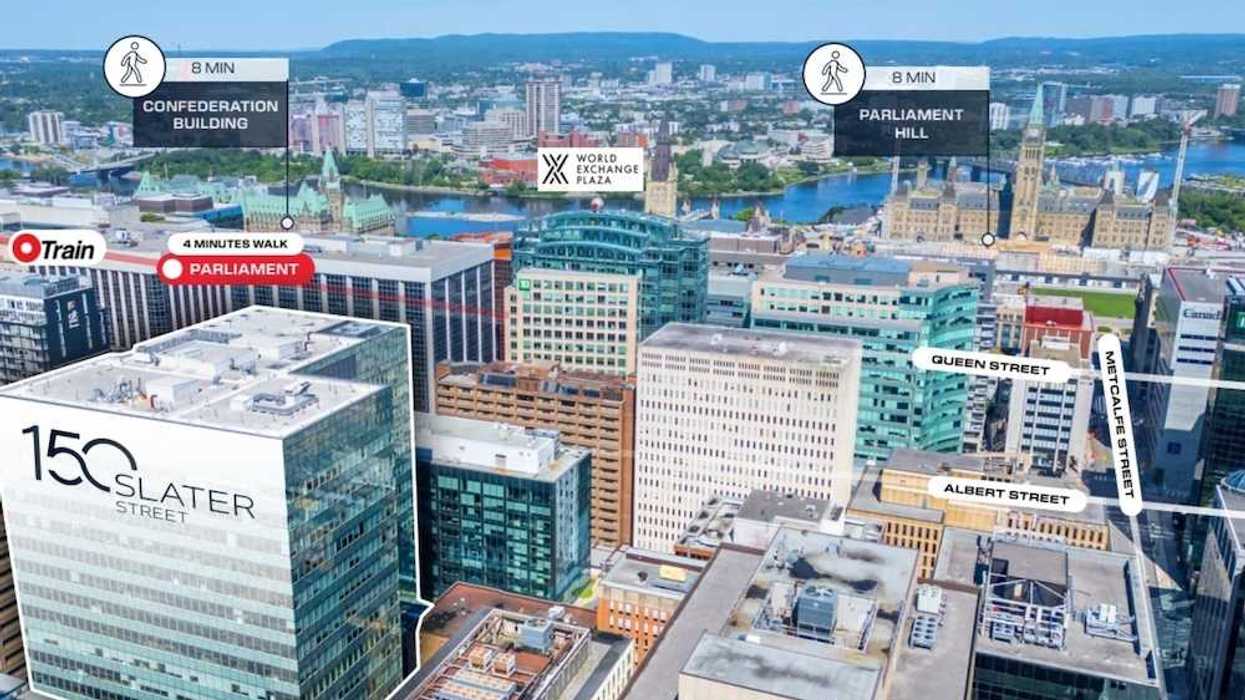
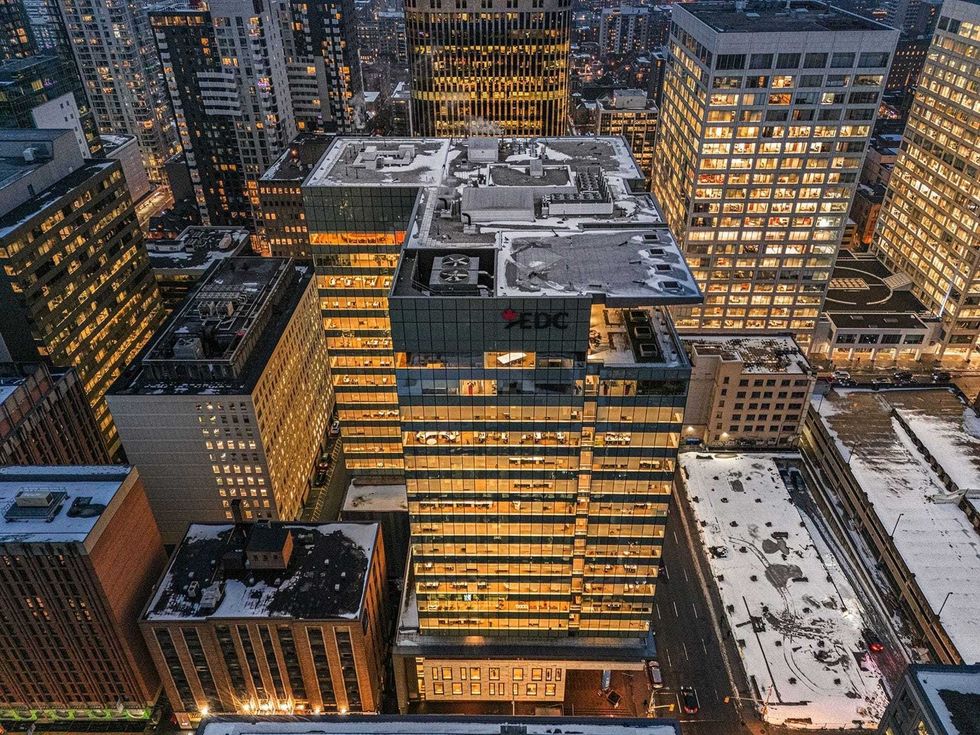 150 Slater Street in Ottawa. (Regional Group)
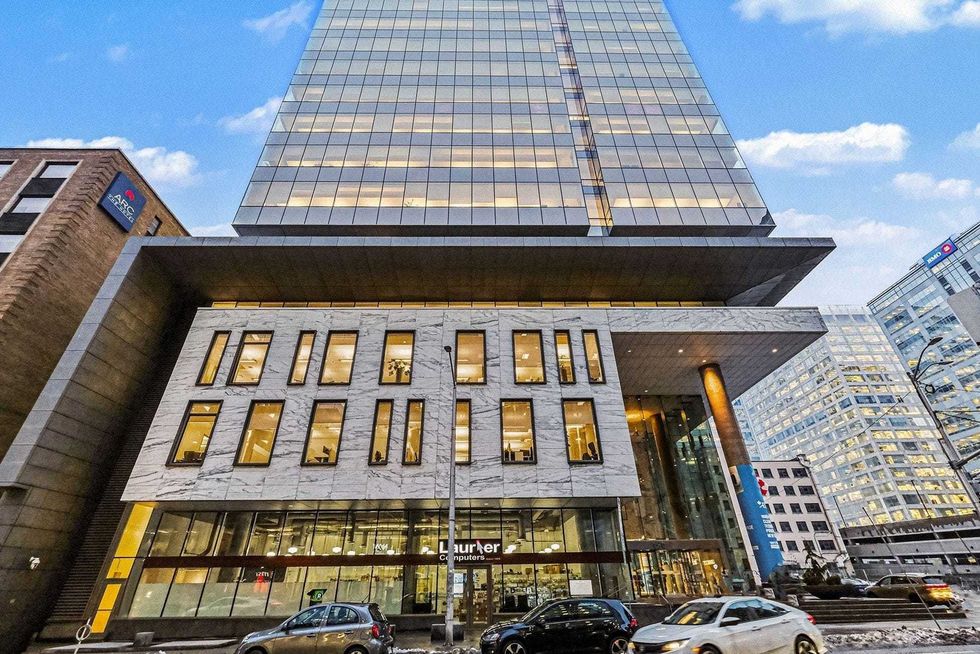 150 Slater Street in Ottawa. (Regional Group)
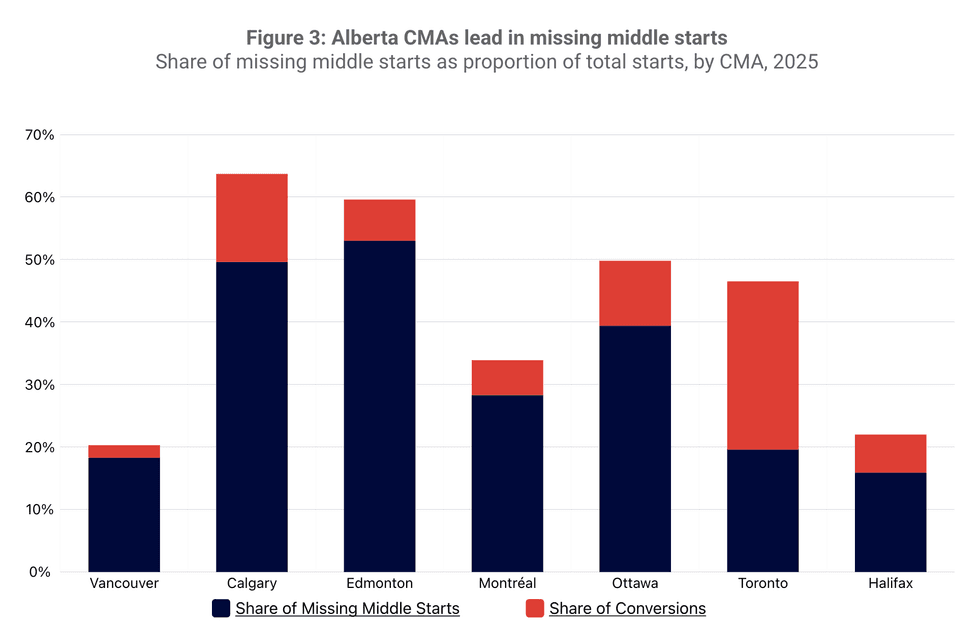 Spring 2026 Housing Supply Report/CMHC
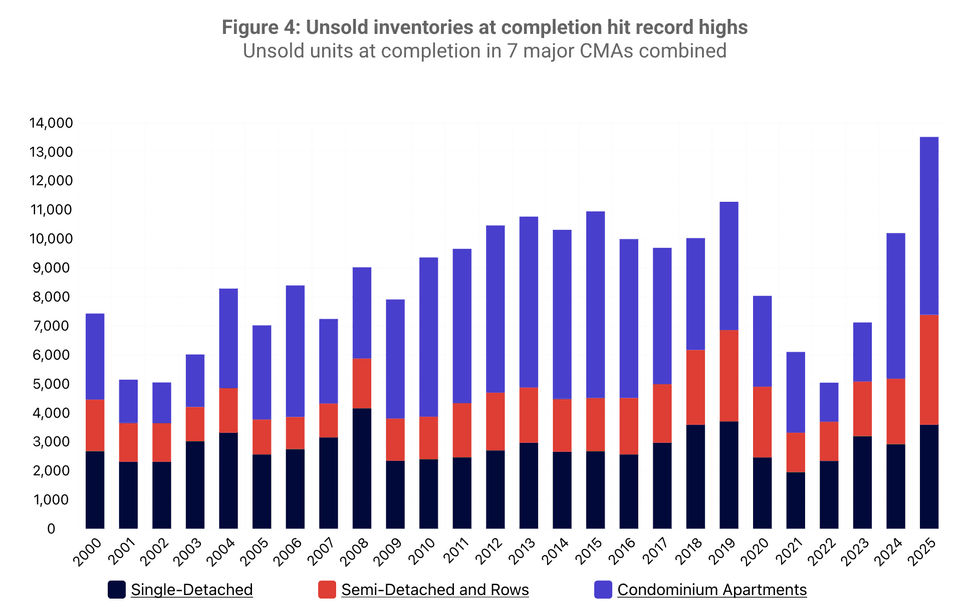 Spring 2026 Housing Supply Report/CMHC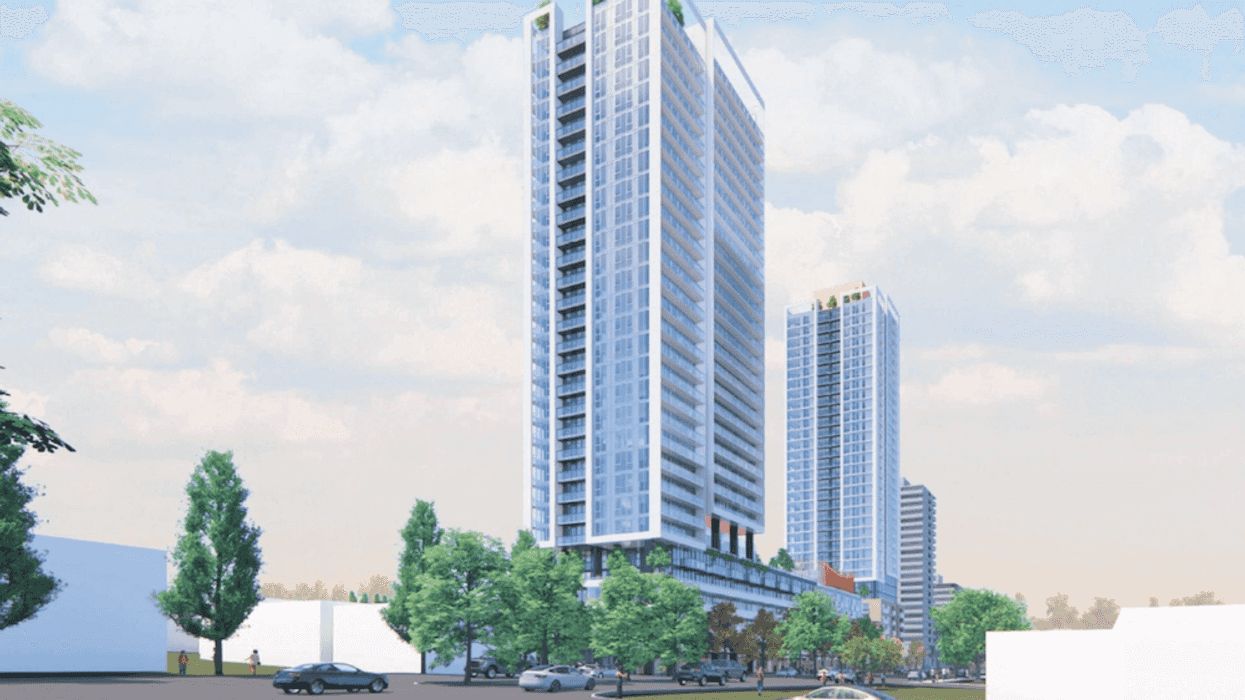
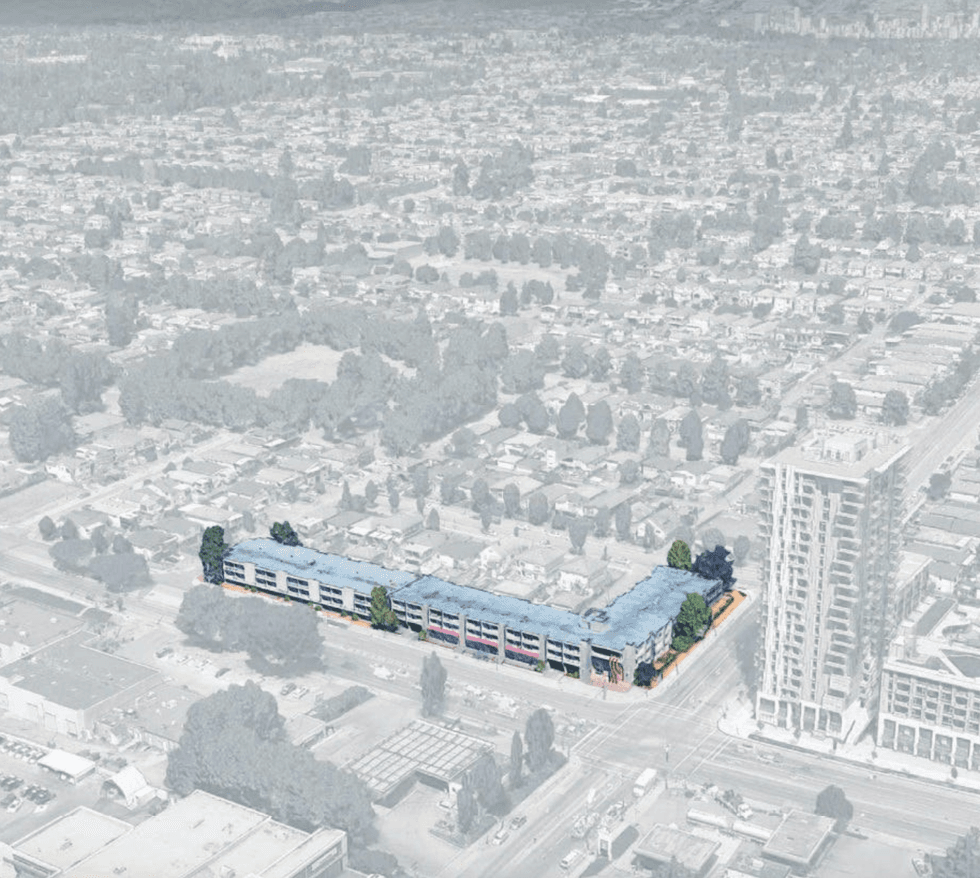 The Marine Terrace apartments at 605 SE Marine Drive. (MCMP Architects, Peterson)
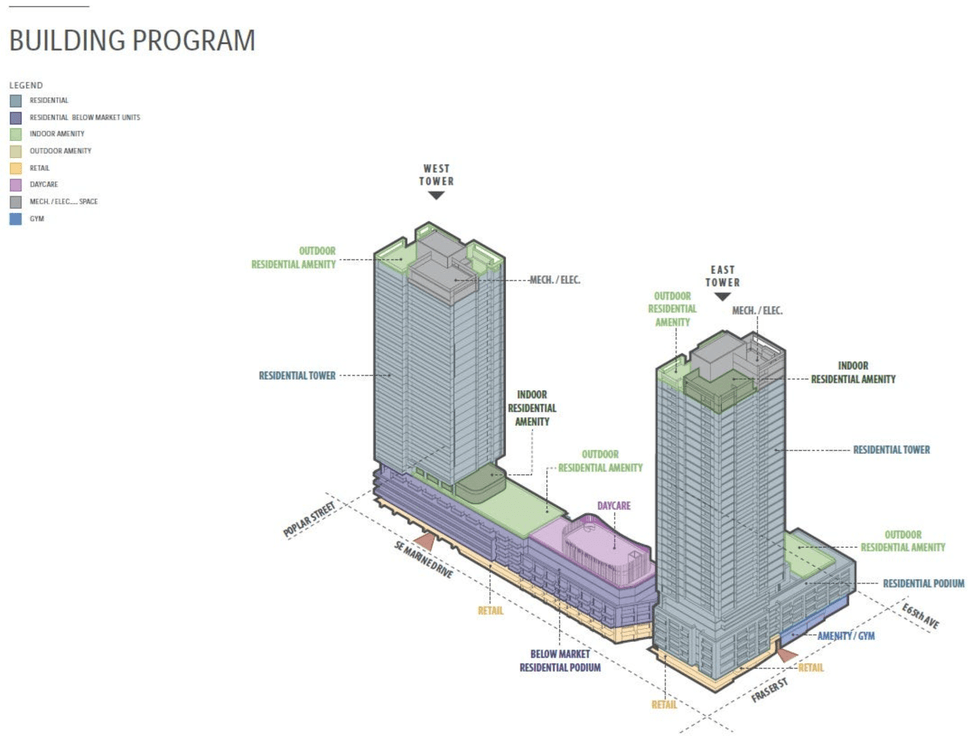 An overview of the 605 SE Marine Drive proposal and uses. (MCMP Architects, Peterson)
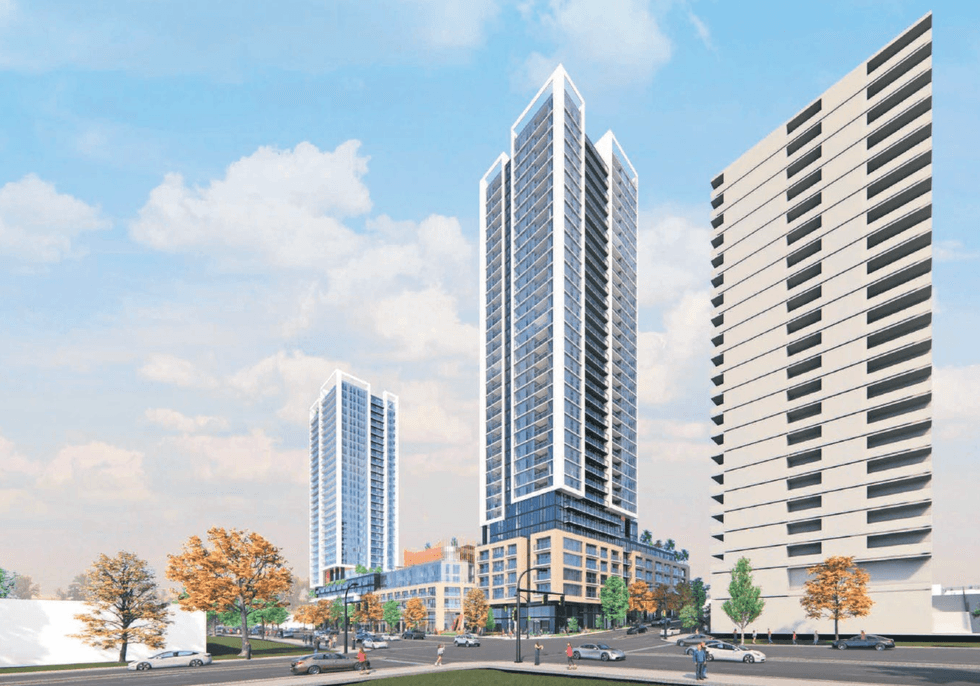 A rendering of the 605 SE Marine Drive proposal from the corner of SE Marine Drive and Fraser Street. (MCMP Architects, Peterson)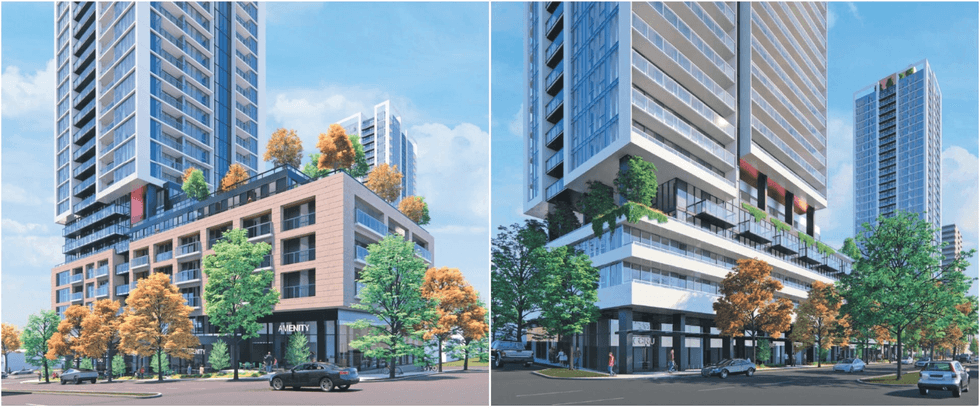
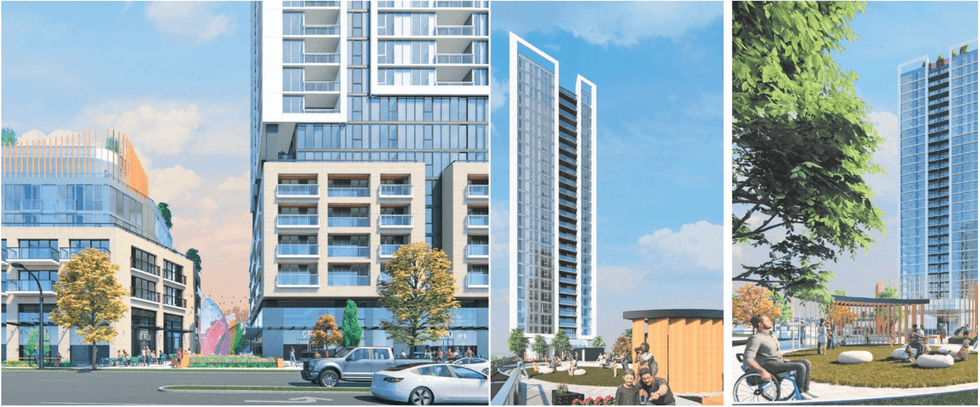 Renderings of the proposal for 605 SE Marine Drive in Vancouver. (MCMP Architects, Peterson)