Mortgage Renewal
Learn how mortgage renewal works in Canada, when to start the process, and how to negotiate the best terms to save on interest and payments.

May 22, 2025
What is Mortgage Renewal?
Mortgage renewal is the process of extending or renegotiating the terms of an existing mortgage once the original term has expired, typically every one to five years.
Why Mortgage Renewal Matters in Real Estate
In Canada, most mortgages have amortization periods of 25 to 30 years but are broken into shorter terms (e.g., five years). When the term ends, the borrower must renew the mortgage for a new term at current rates and conditions.Renewal options include:
- Accepting the lender’s renewal offer
- Negotiating a better rate or terms
- Switching to a new lender
Lenders are required to send renewal notices at least 21 days before the term expires, but proactive research often yields better results.
Understanding mortgage renewal empowers homeowners to make informed choices, potentially saving thousands over the mortgage’s lifetime.
Example of a Mortgage Renewal
A homeowner’s five-year term expires. They negotiate a lower interest rate with their lender and renew for another five years, reducing their monthly payments.
Key Takeaways
- Occurs at end of a mortgage term.
- Opportunity to renegotiate rates and terms.
- Can switch lenders or stay with current one.
- Planning ahead often secures better deals.
- Affects long-term borrowing costs.
Related Terms
- Mortgage Term
- Fixed Rate Mortgage
- Variable Rate Mortgage
- Refinance
- Interest Rate
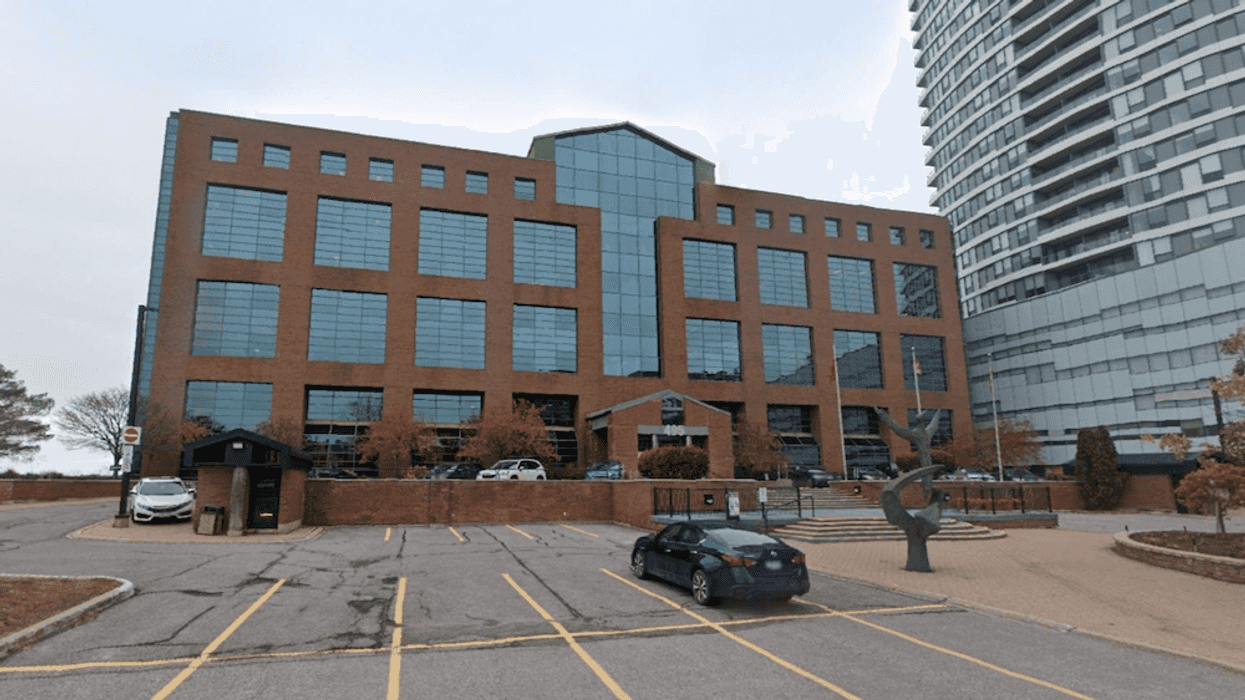
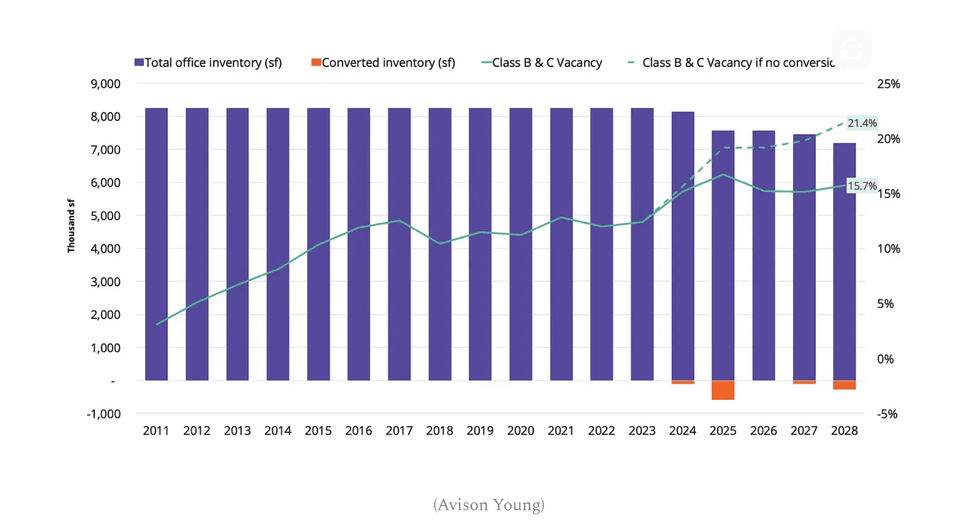 (Avison Young)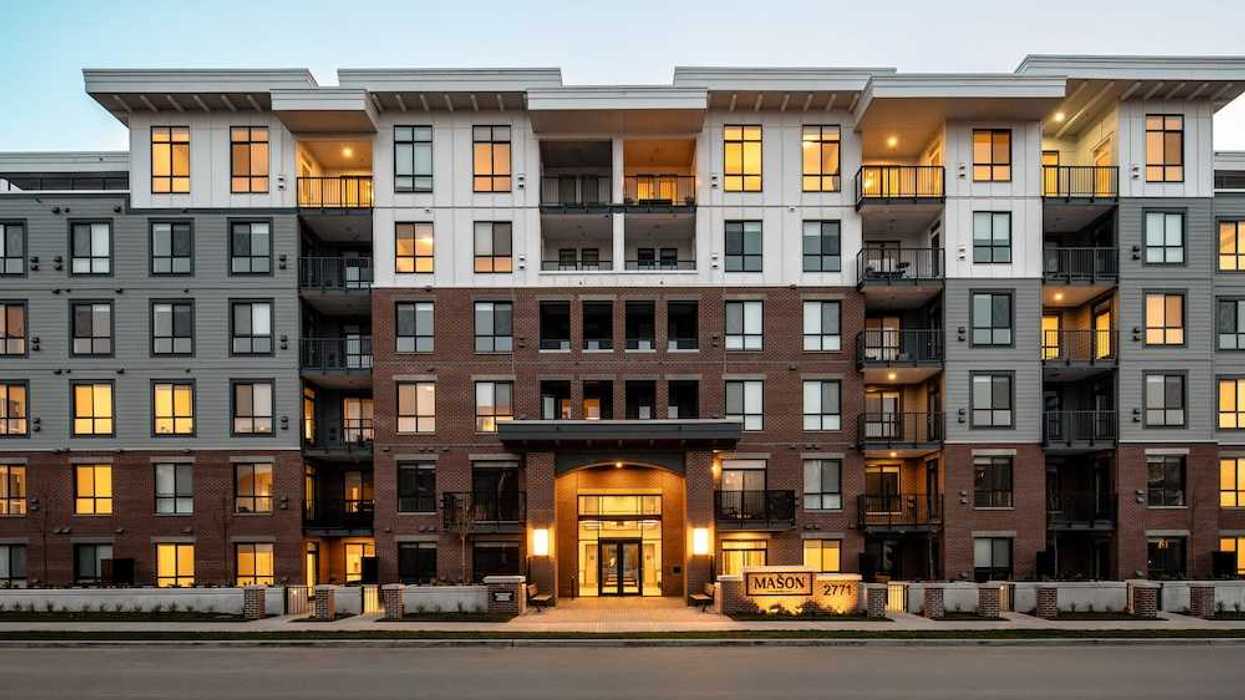
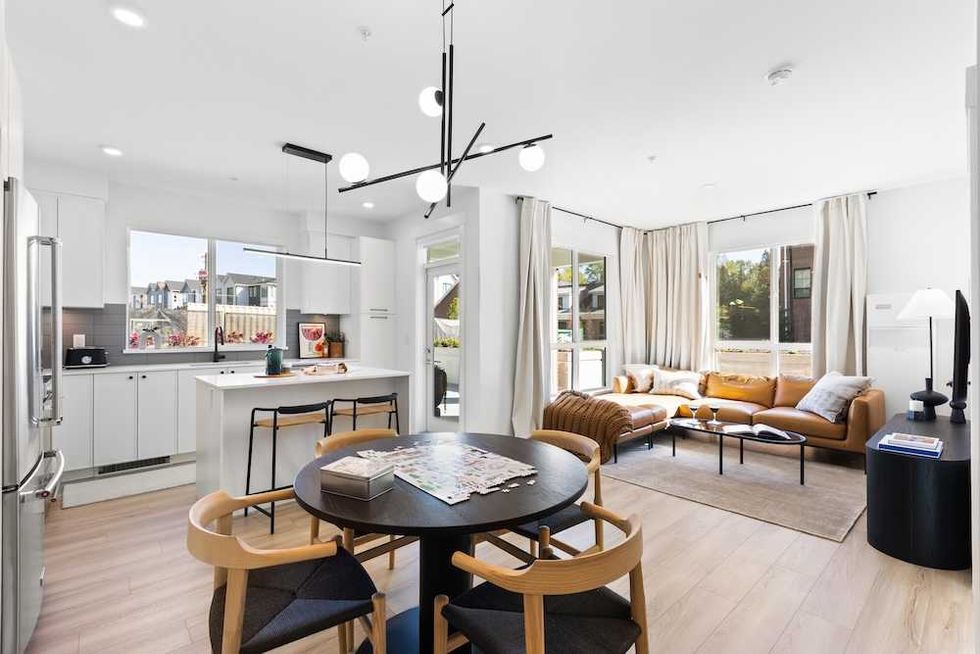 The Mason Suite Interior (Infinity Properties)
 The Mason Suite Interior (Infinity Properties)
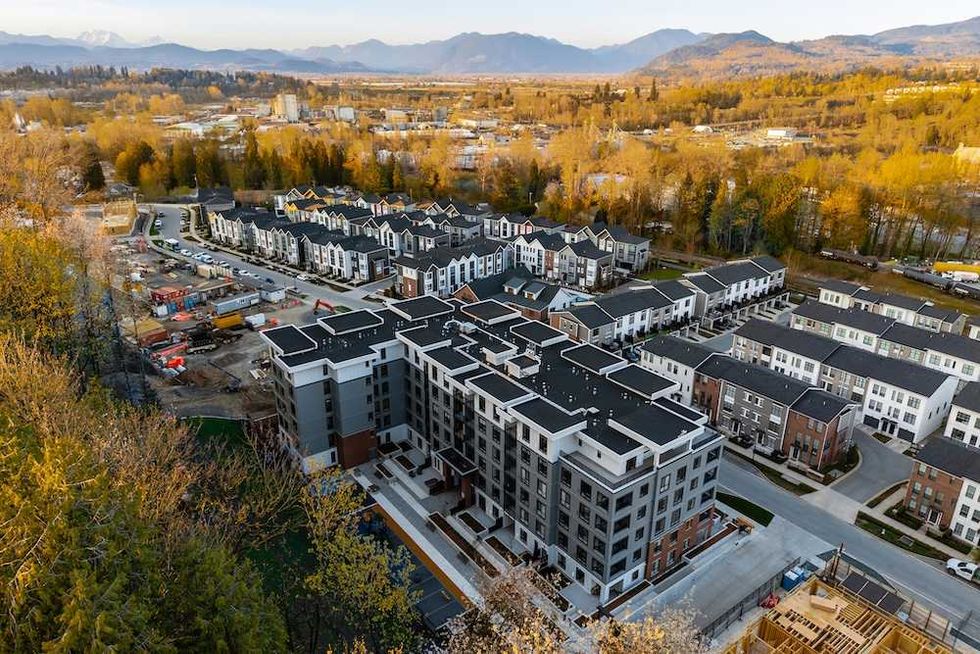 Rail District aerial (Infinity Properties)
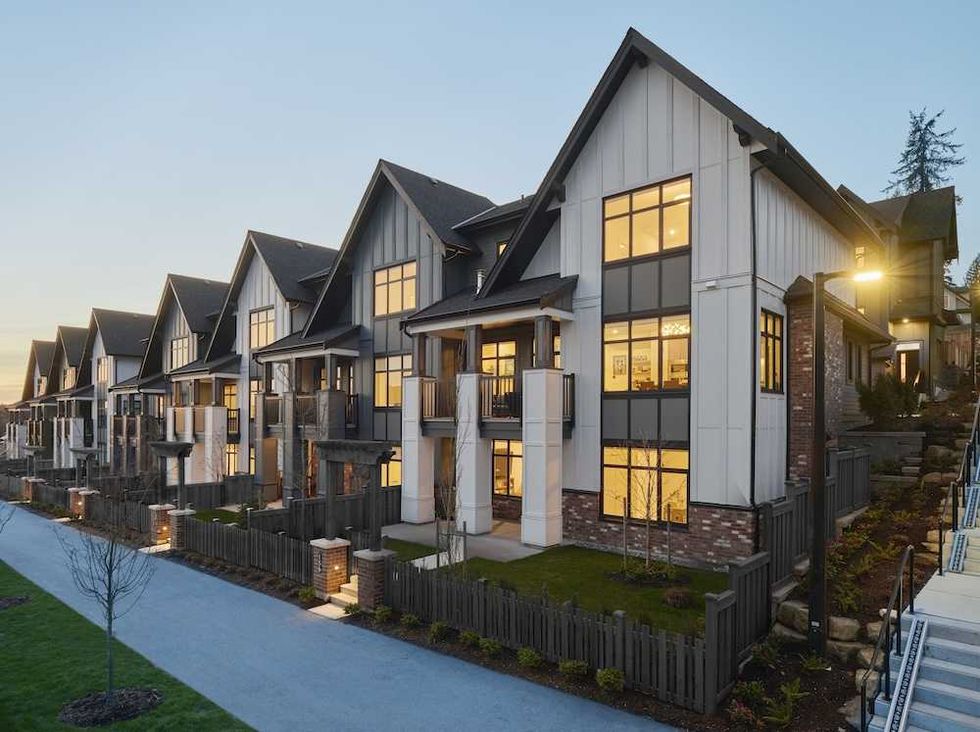 Versant (Infinity Properties)




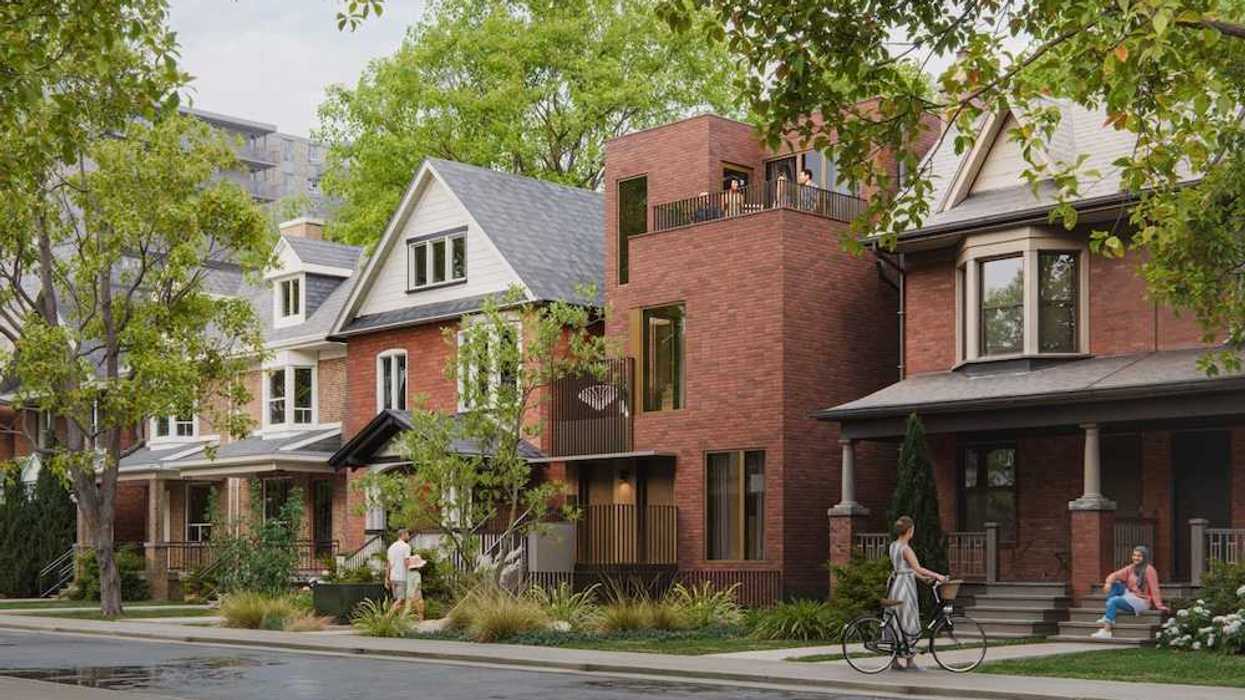
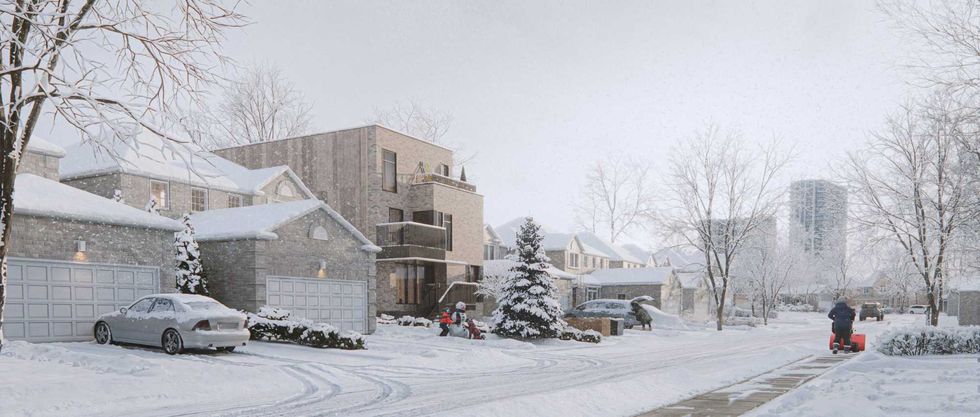
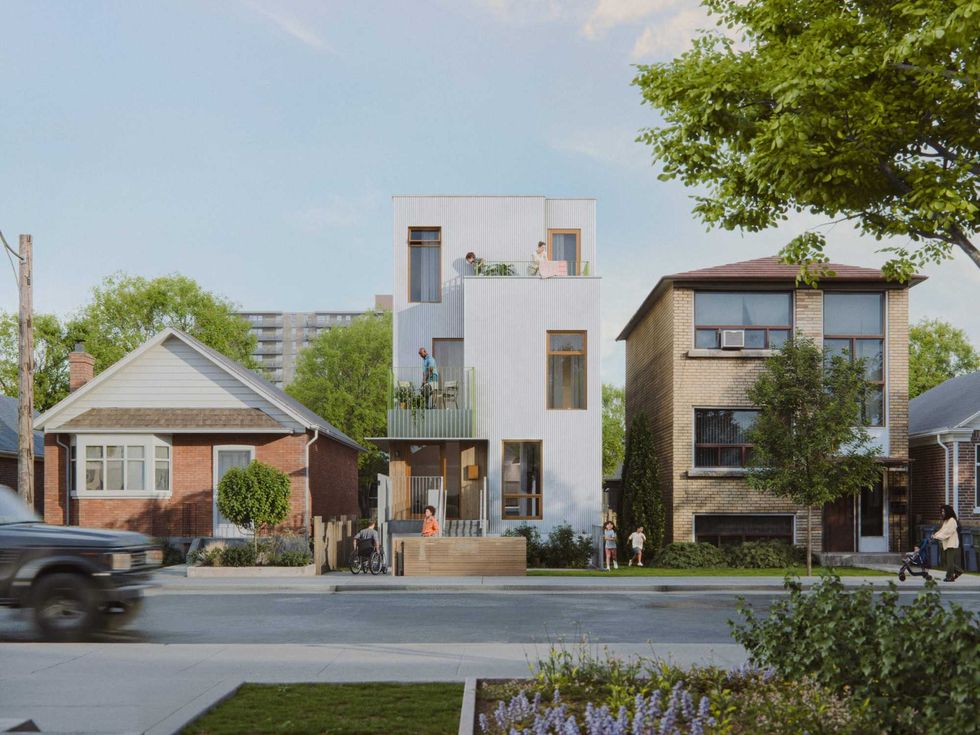 Narrow Fourplex (City of Toronto)
 Wide Sixplex - Side View (City of Toronto)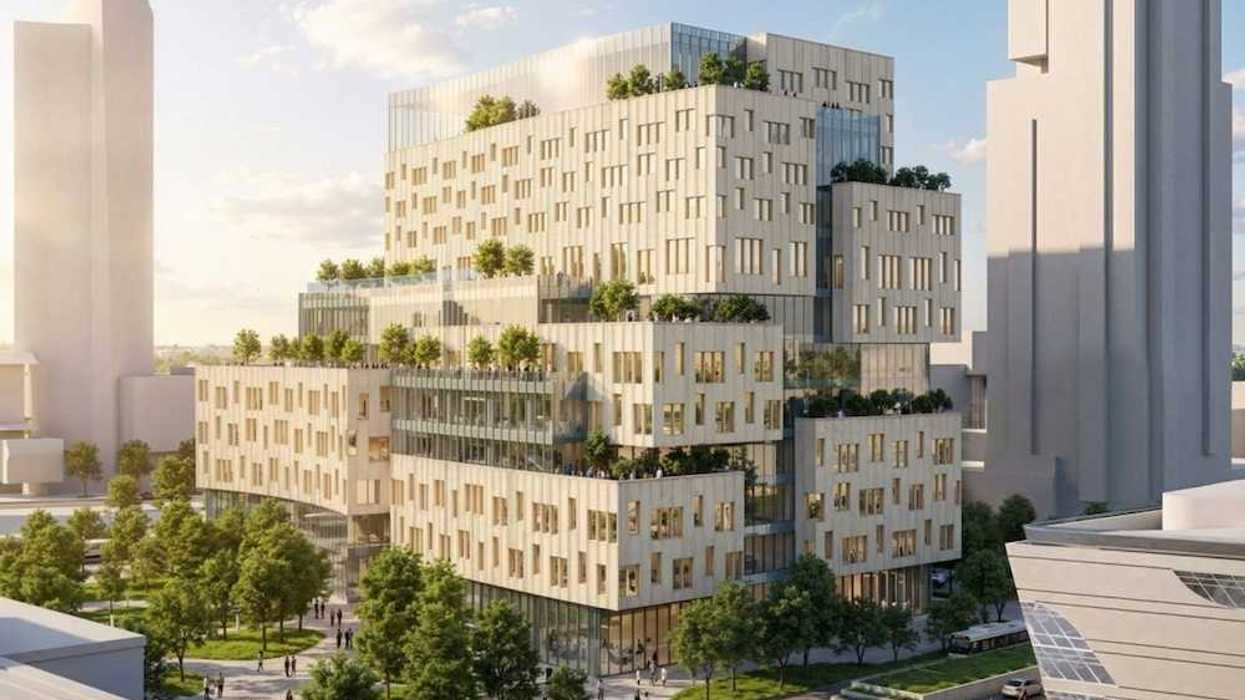
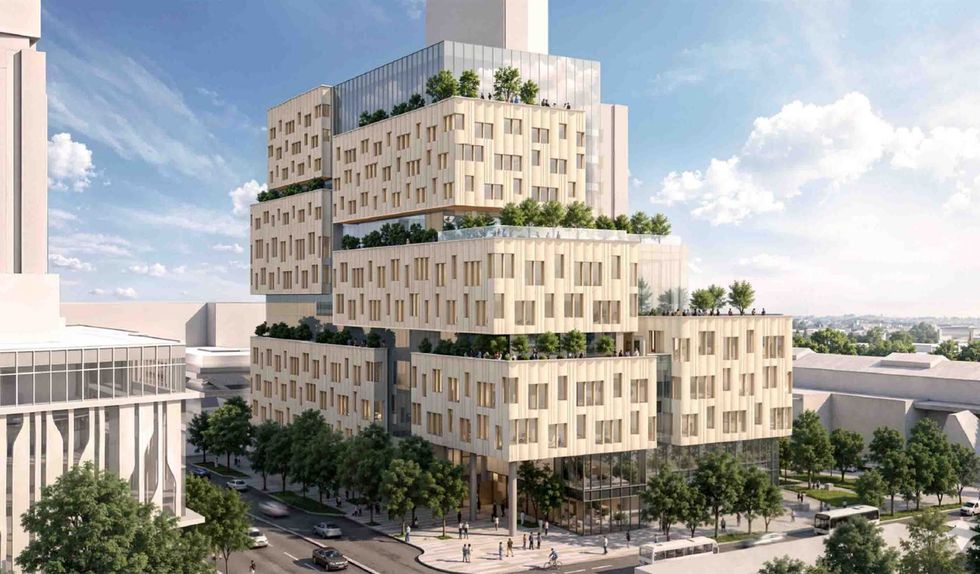
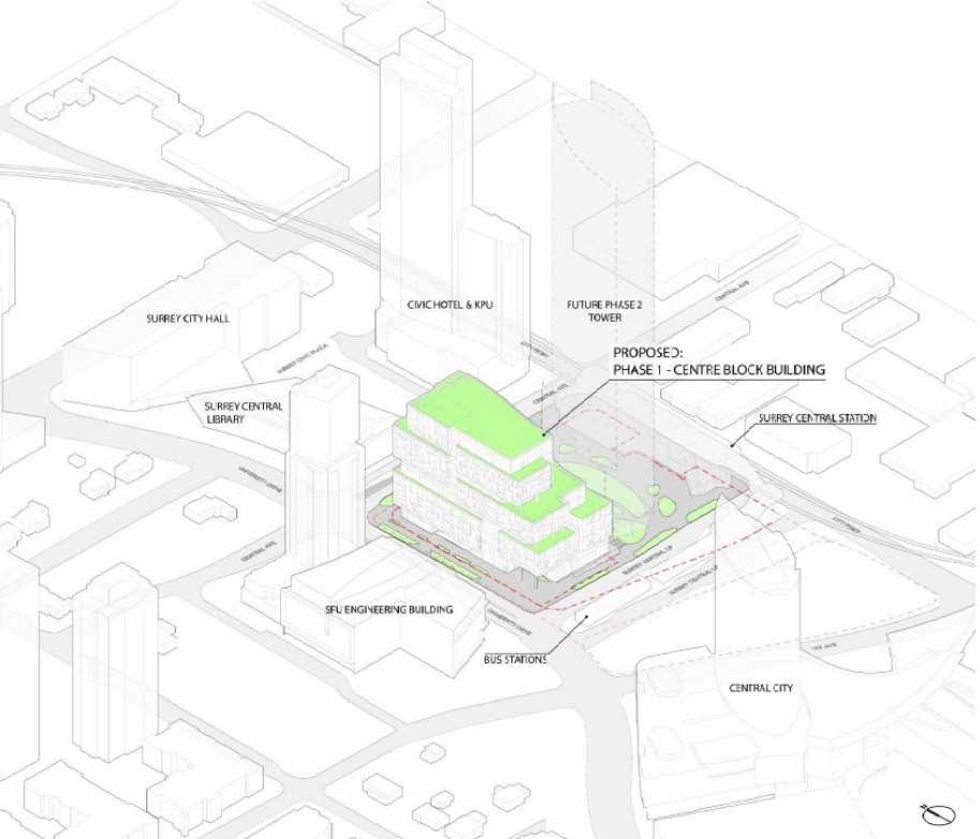 Centre Block and its surrounding context. (Stantec-Revery, SCDC)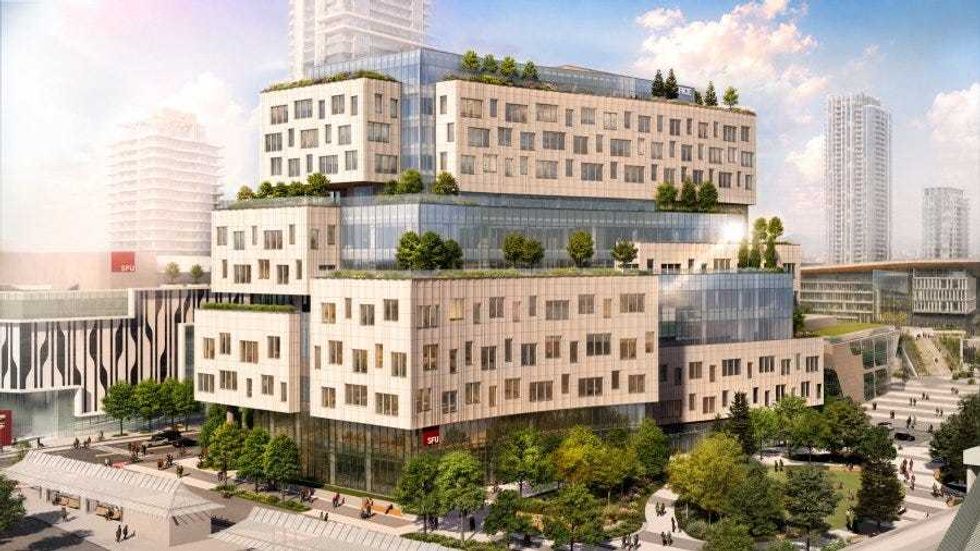
 The 12-storey Phase One of Centre Block. (Stantec-Revery, SCDC)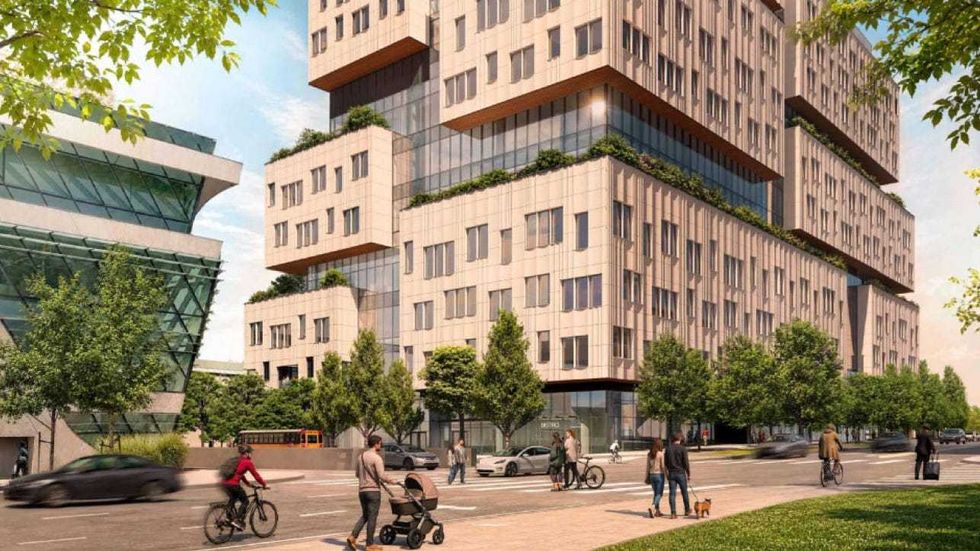
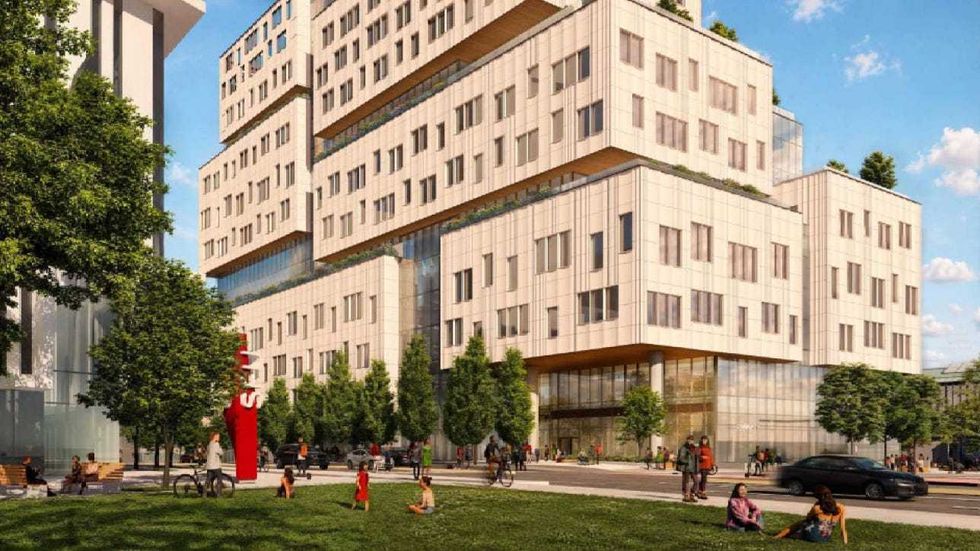 The 12-storey Phase One of Centre Block. (Stantec-Revery, SCDC)
 Mondria One, set for 1607 King Street East in Clarington, Ontario. (ICON Architects Inc., Monde Development Group)