Leaseback
Understand leaseback arrangements in Canadian real estate — what they are, how they work, and their benefits for buyers and sellers.
August 08, 2025
What is a Leaseback?
A leaseback is a financial arrangement where a property owner sells the property and then leases it back from the buyer, continuing to occupy it.
Why Leasebacks Matter in Real Estate
In Canadian real estate, leasebacks can free up capital for sellers while providing stable rental income for buyers.
Key points:
- Often used by businesses seeking to improve liquidity
- Allows seller to maintain property use without ownership
- Typically involves long-term lease agreements
Understanding leasebacks helps both parties structure mutually beneficial deals.
Example of a Leaseback in Action
The corporation sold its headquarters in a leaseback arrangement, gaining capital while remaining in the building as a tenant.
Key Takeaways
- Seller becomes tenant after selling property
- Frees up capital while maintaining use of property
- Provides stable income for buyer
- Requires clear long-term lease terms
- Common for commercial and industrial properties
Related Terms
- Ground Lease
- Net Lease
- Operating Costs
- Commercial Lease
- Sale-Leaseback
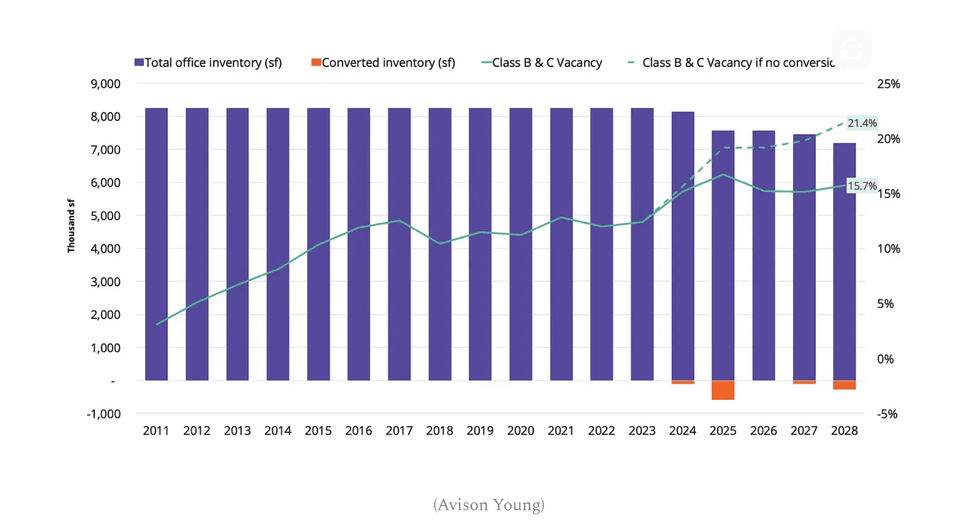 (Avison Young)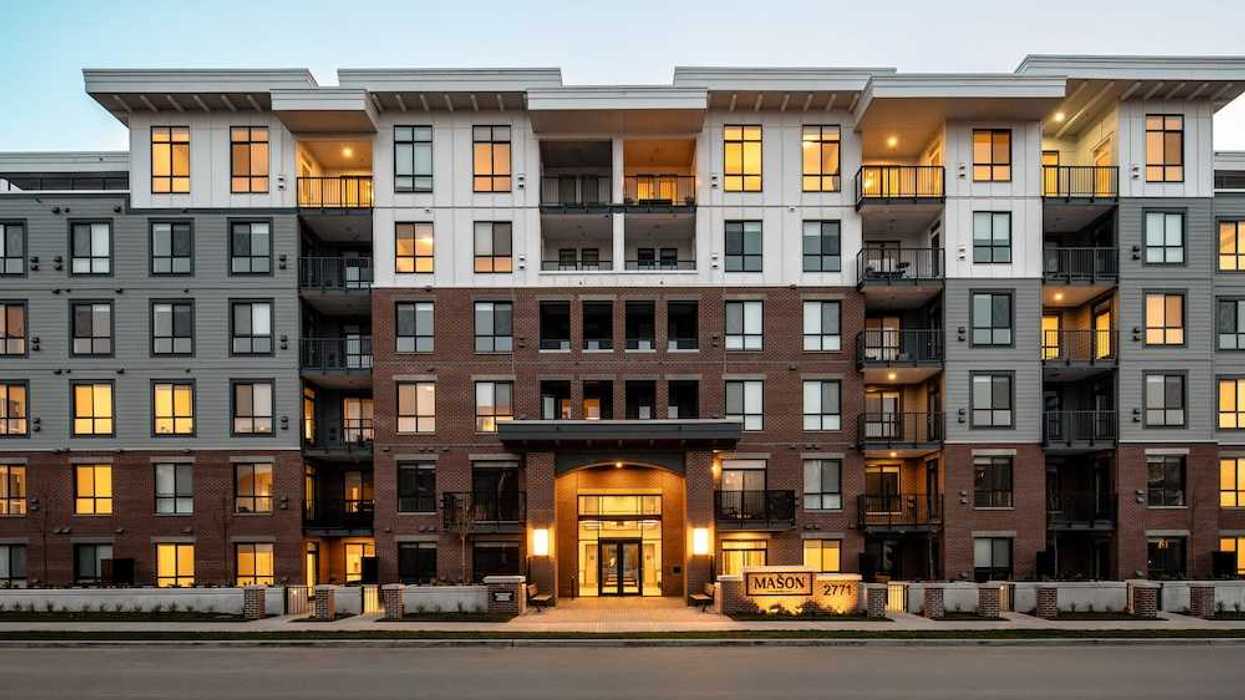
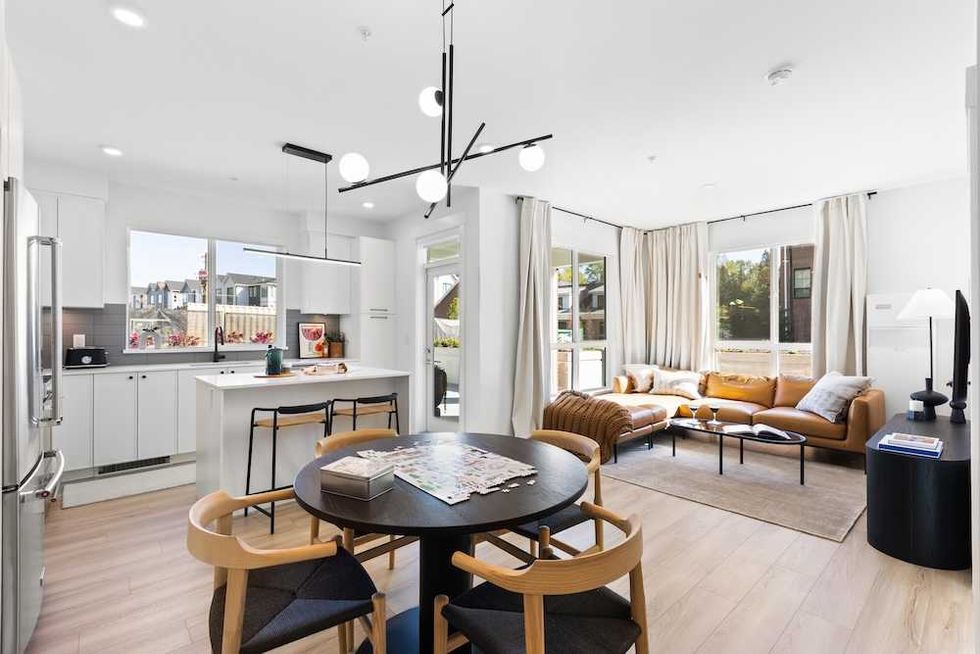 The Mason Suite Interior (Infinity Properties)
 The Mason Suite Interior (Infinity Properties)
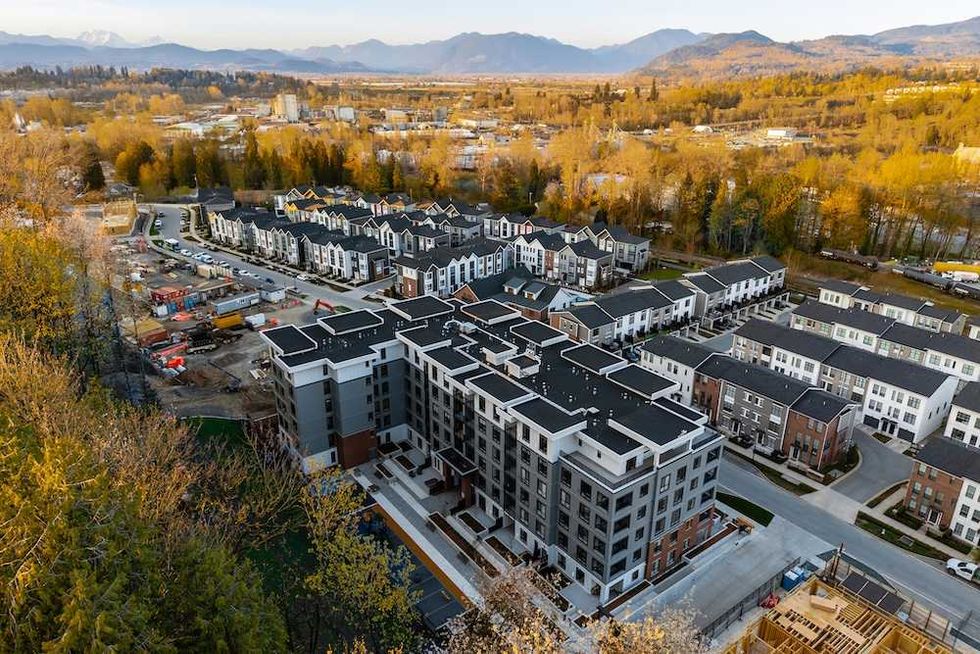 Rail District aerial (Infinity Properties)
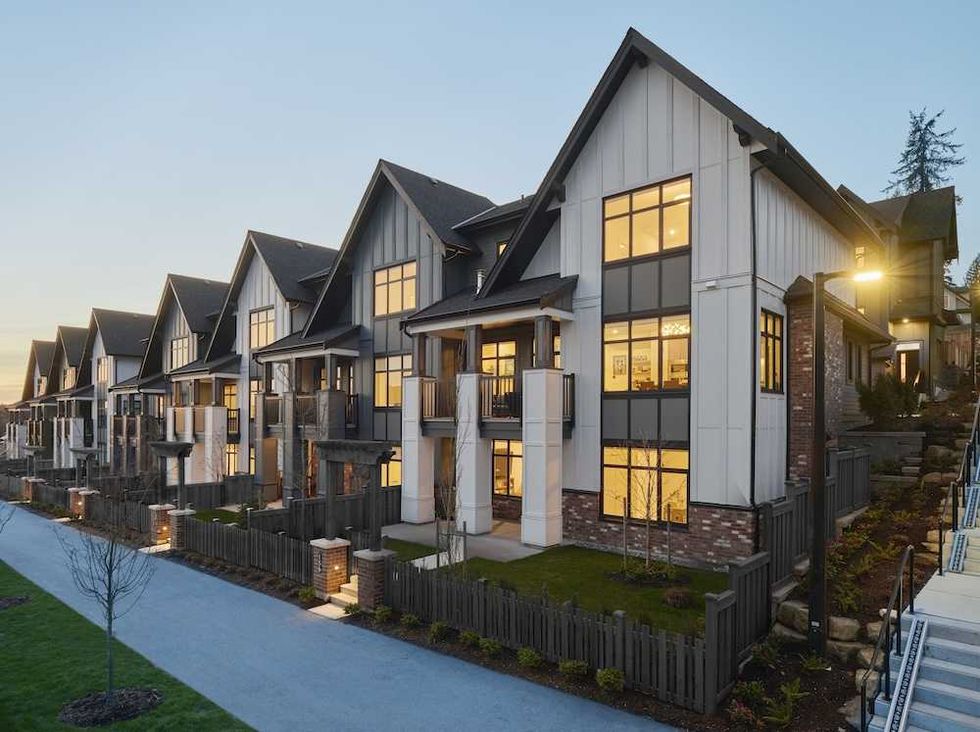 Versant (Infinity Properties)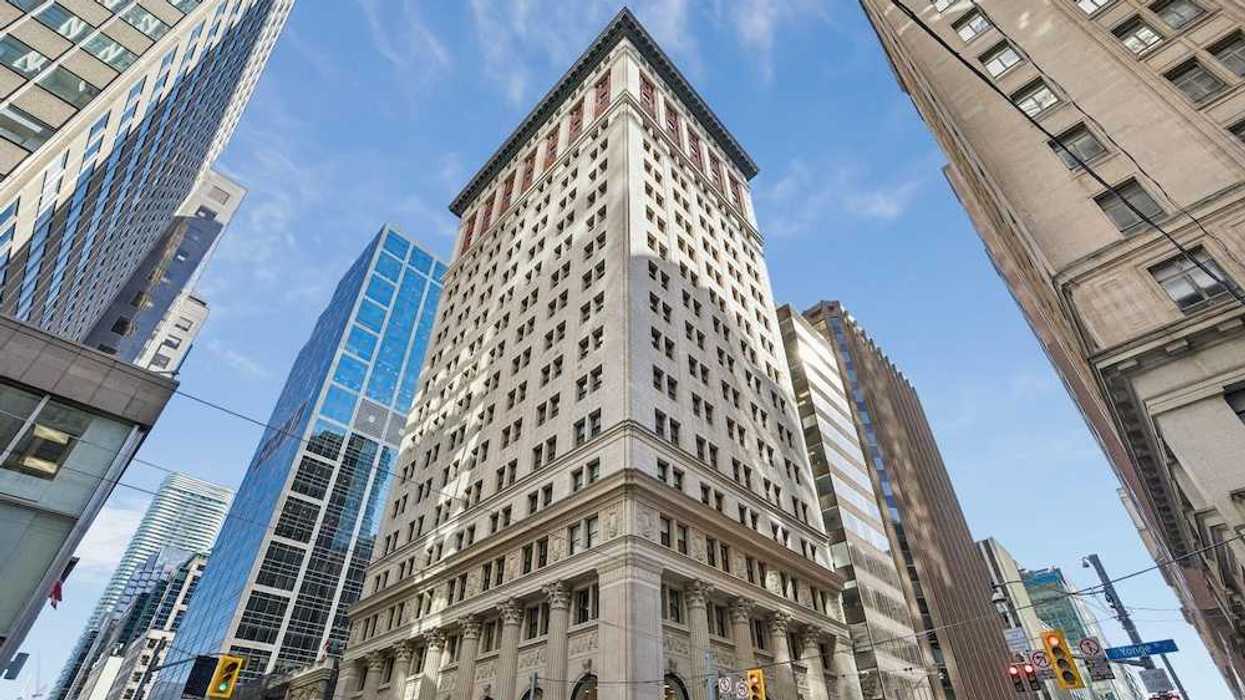




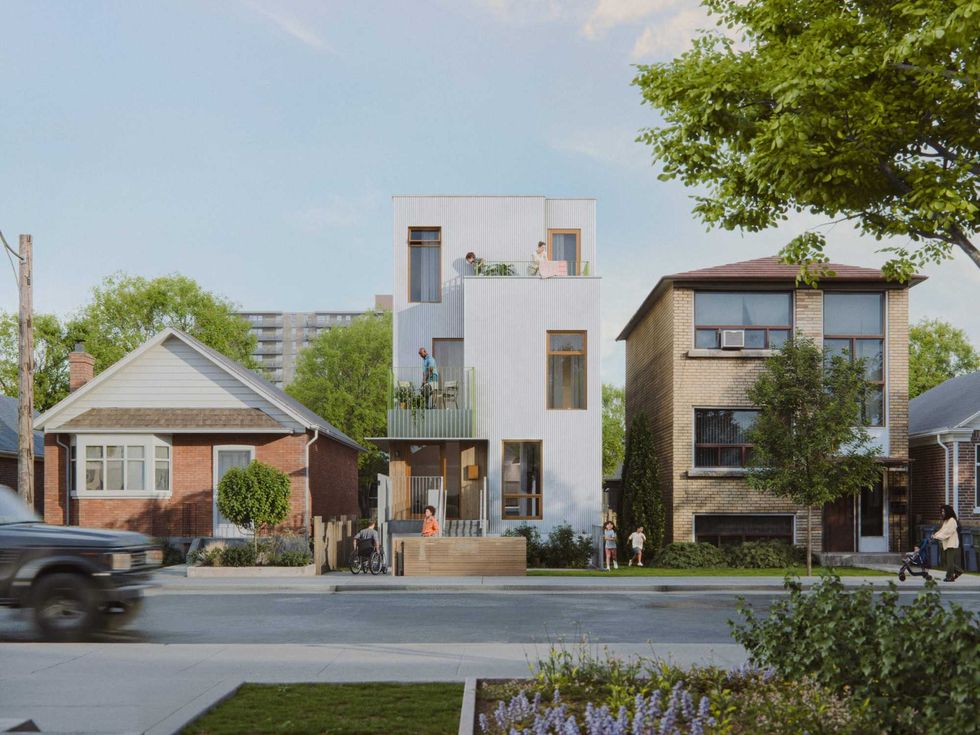 Narrow Fourplex (City of Toronto)
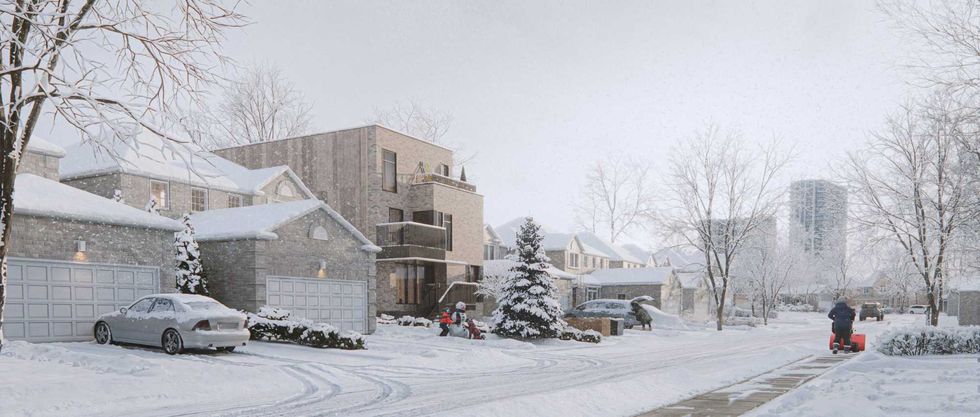 Wide Sixplex - Side View (City of Toronto)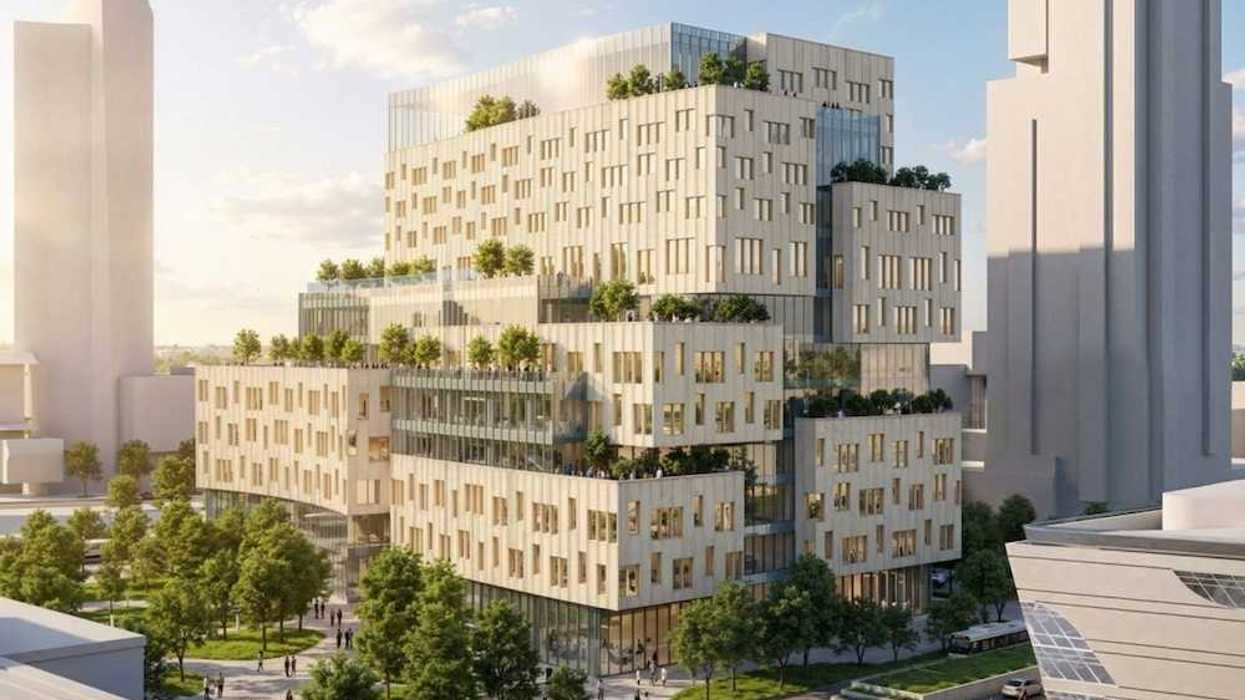
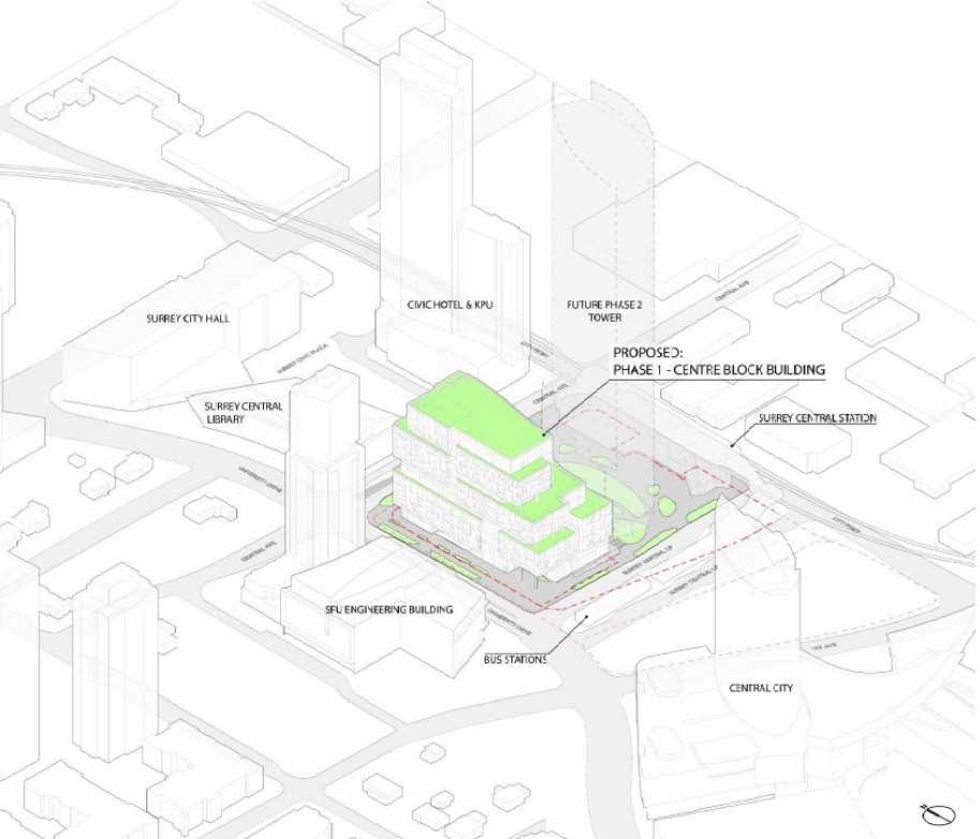 Centre Block and its surrounding context. (Stantec-Revery, SCDC)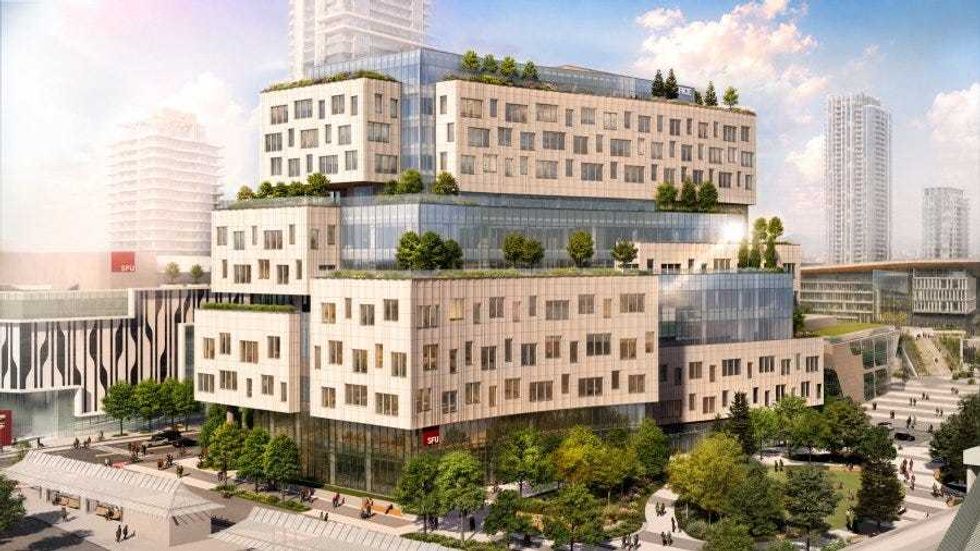
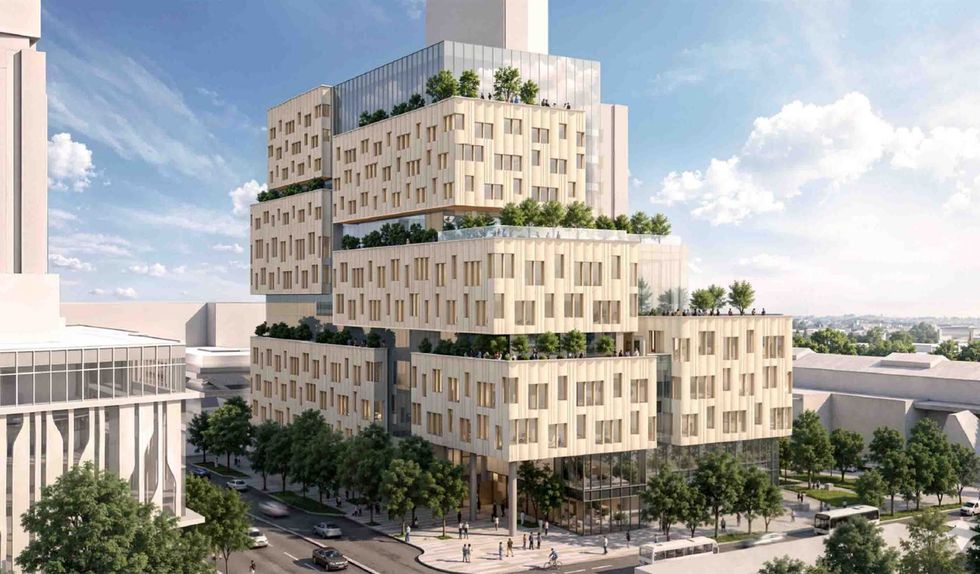 The 12-storey Phase One of Centre Block. (Stantec-Revery, SCDC)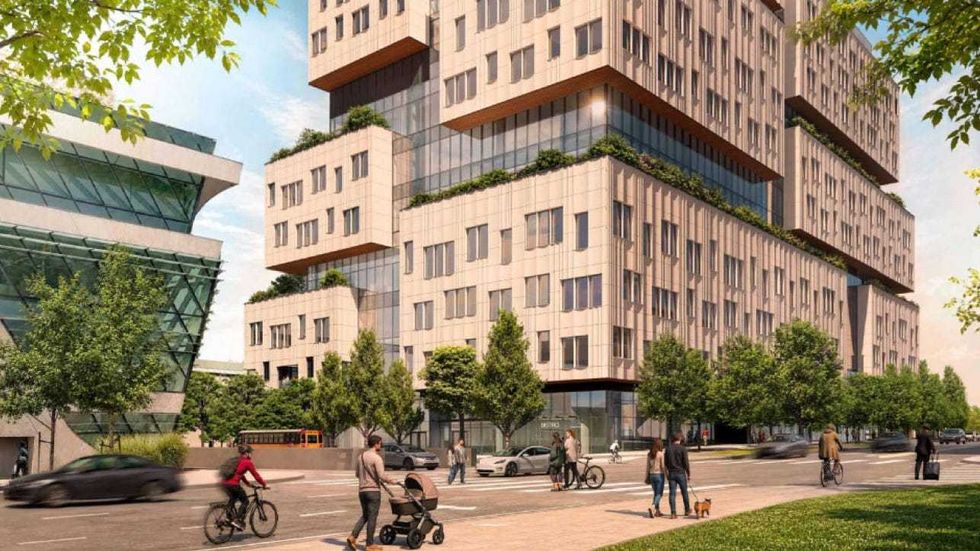
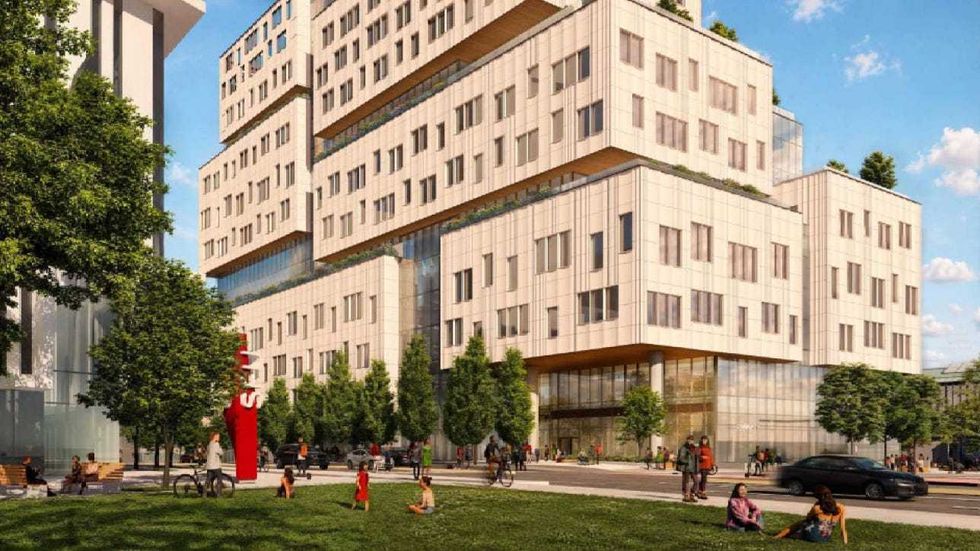 The 12-storey Phase One of Centre Block. (Stantec-Revery, SCDC)
 Mondria One, set for 1607 King Street East in Clarington, Ontario. (ICON Architects Inc., Monde Development Group)