Home Renovation Loan
Explore how home renovation loans work in Canada, the financing options available, and how to use them effectively to improve your property.

May 22, 2025
What is a Home Renovation Loan?
A home renovation loan is a type of financing that provides homeowners with funds to repair, upgrade, or improve their property.
Why Home Renovation Loans Matter in Real Estate
In Canada, home renovation loans allow property owners to increase their home’s value, functionality, or energy efficiency. These loans are especially useful for aging homes, investment properties, or pre-purchase improvements.
Common types include:- Personal loans or lines of credit
- Home equity loans or HELOCs
- CMHC-insured Purchase Plus Improvements mortgages
- Construction or renovation-specific loans
Renovation financing can help cover costs such as roof replacement, basement finishing, kitchen remodels, or energy retrofits. Lenders may require project quotes, timelines, and proof of work completion.
Borrowers should consider:- Interest rates (fixed vs. variable)
- Repayment terms and borrowing limits
- Impact on property value and equity
Understanding home renovation loans empowers homeowners to make strategic investments while managing their financial obligations.
Example of a Home Renovation Loan?
A homeowner applies for a $40,000 renovation loan to upgrade their kitchen and bathrooms, spreading repayment over five years at a fixed rate.
Key Takeaways
- Provides funding for property upgrades.
- Includes various loan types.
- May require quotes or approval.
- Can increase home value and comfort.
- Requires smart budgeting and planning.
Related Terms
- HELOC
- Home Equity Loan
- Purchase Plus Improvements Mortgage
- Refinance
- Construction Loan
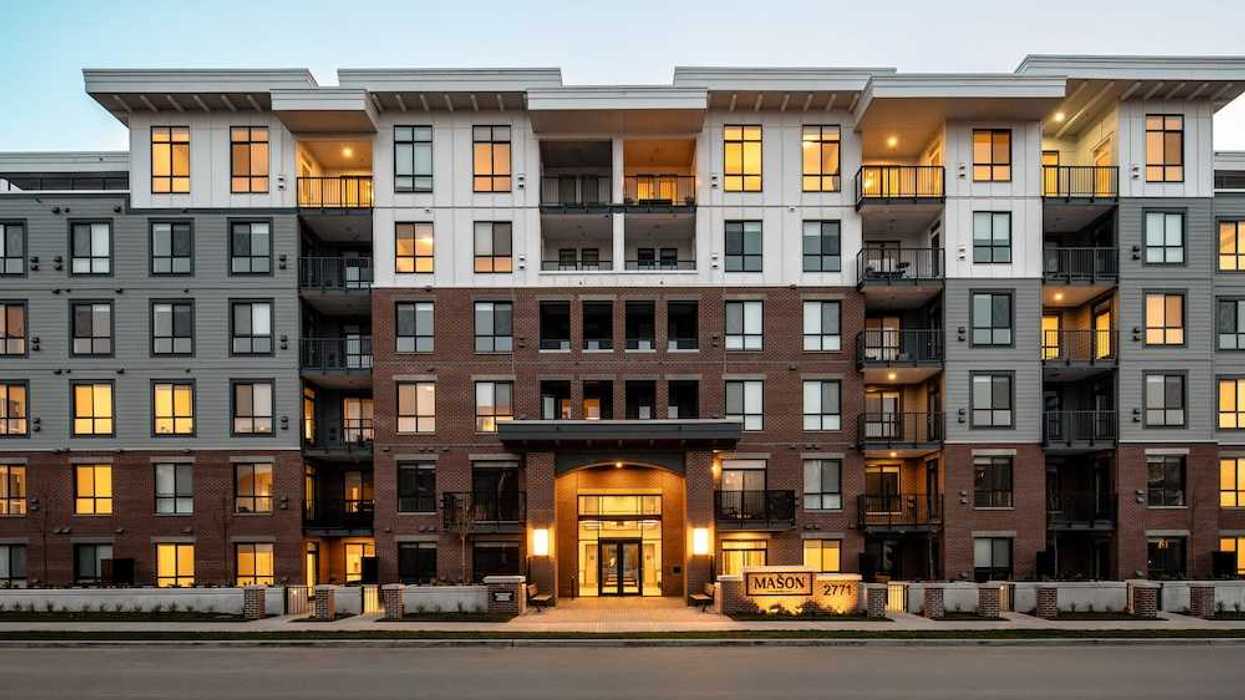
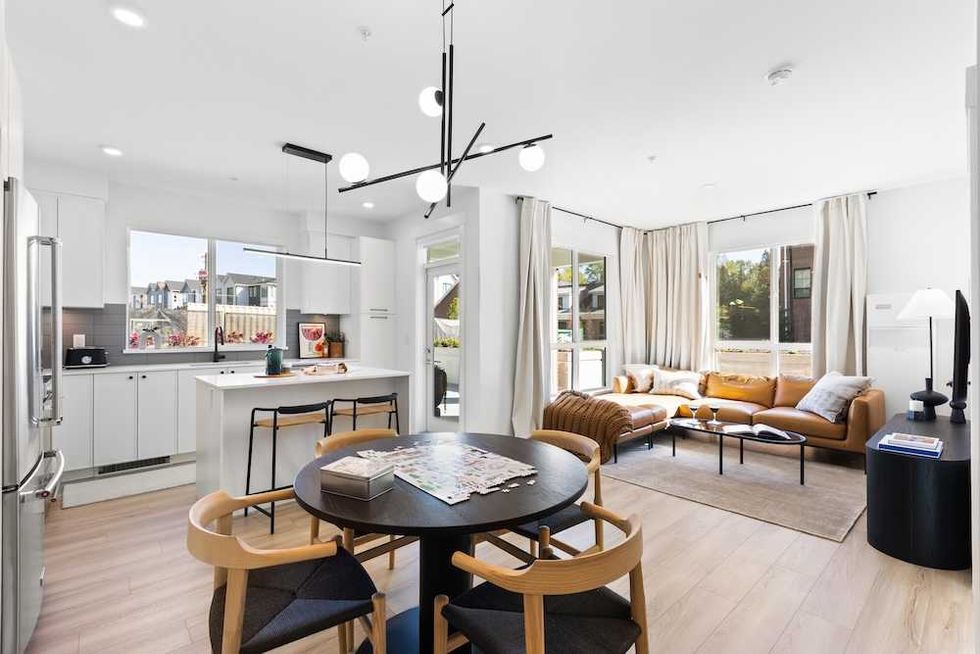 The Mason Suite Interior (Infinity Properties)
 The Mason Suite Interior (Infinity Properties)
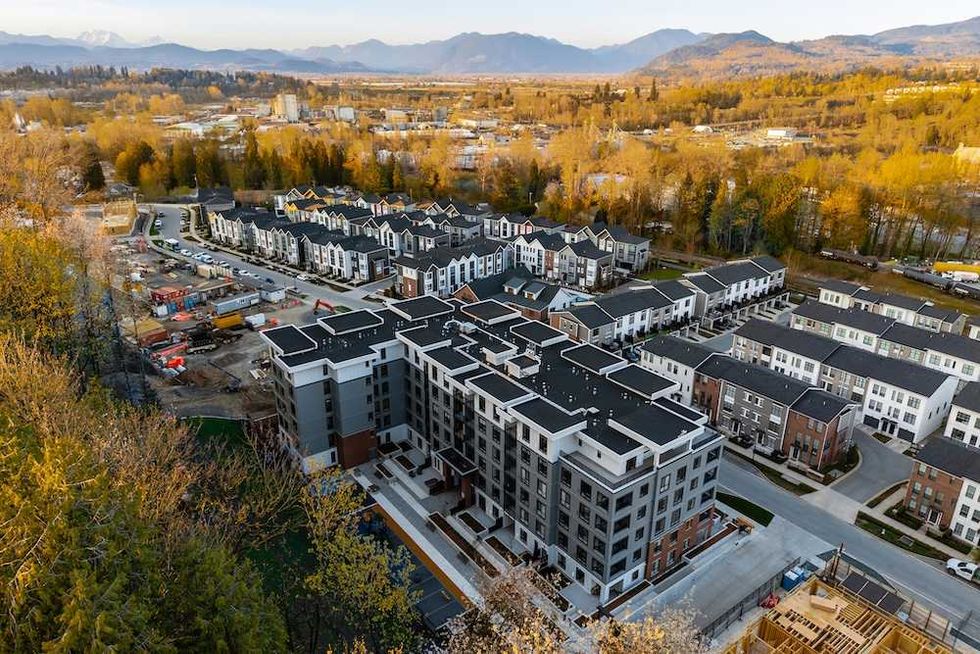 Rail District aerial (Infinity Properties)
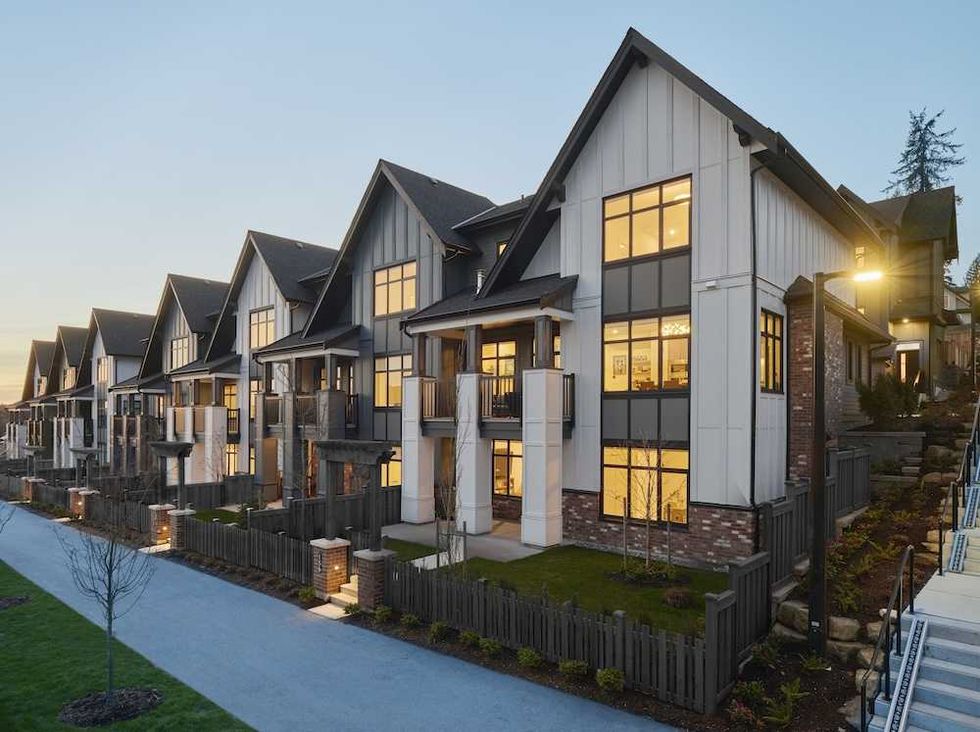 Versant (Infinity Properties)




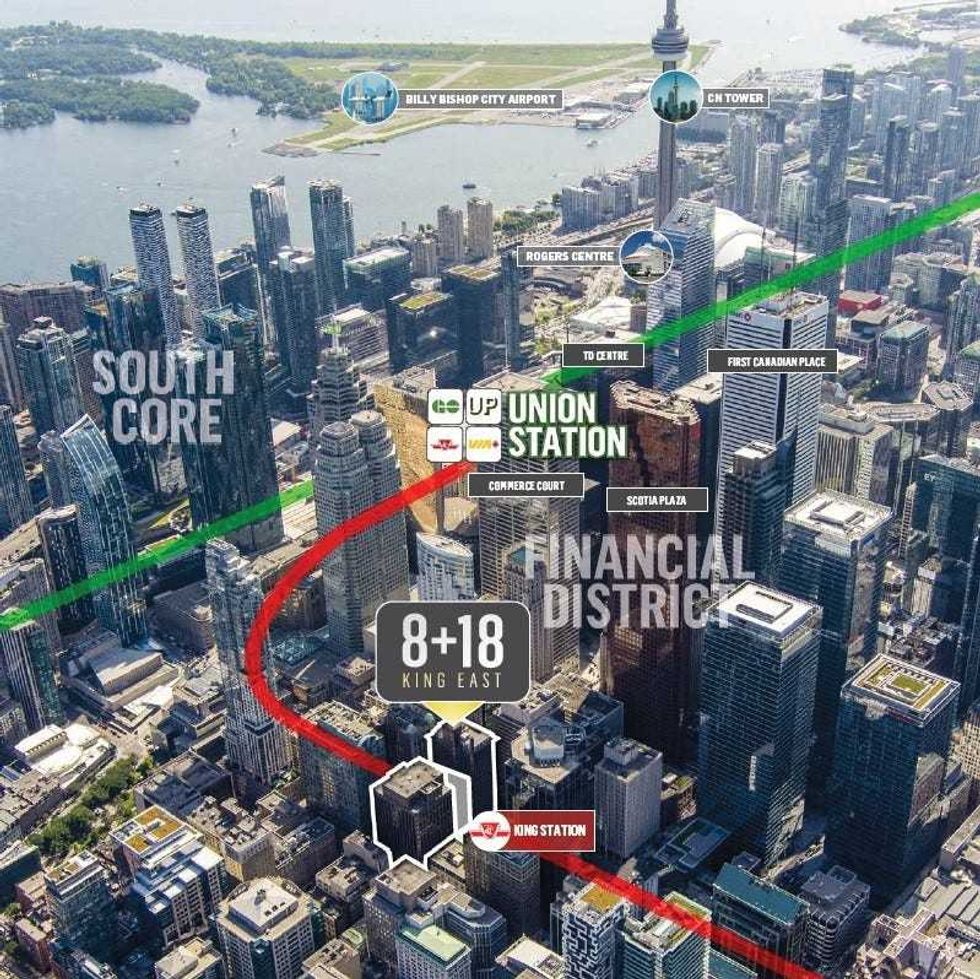 8 and 18 King Street East in Toronto. (RBC Capital Markets Realty)
 Interior photos of 8 and 18 King Street East. (RBC Capital Markets Realty)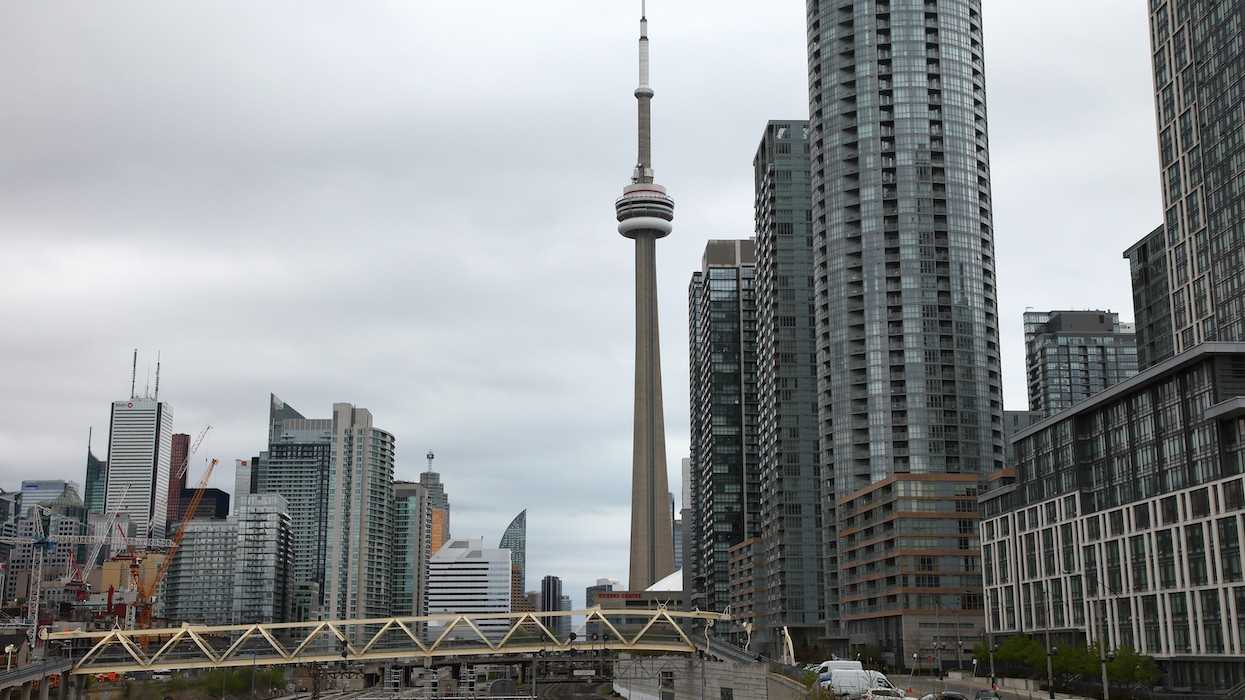
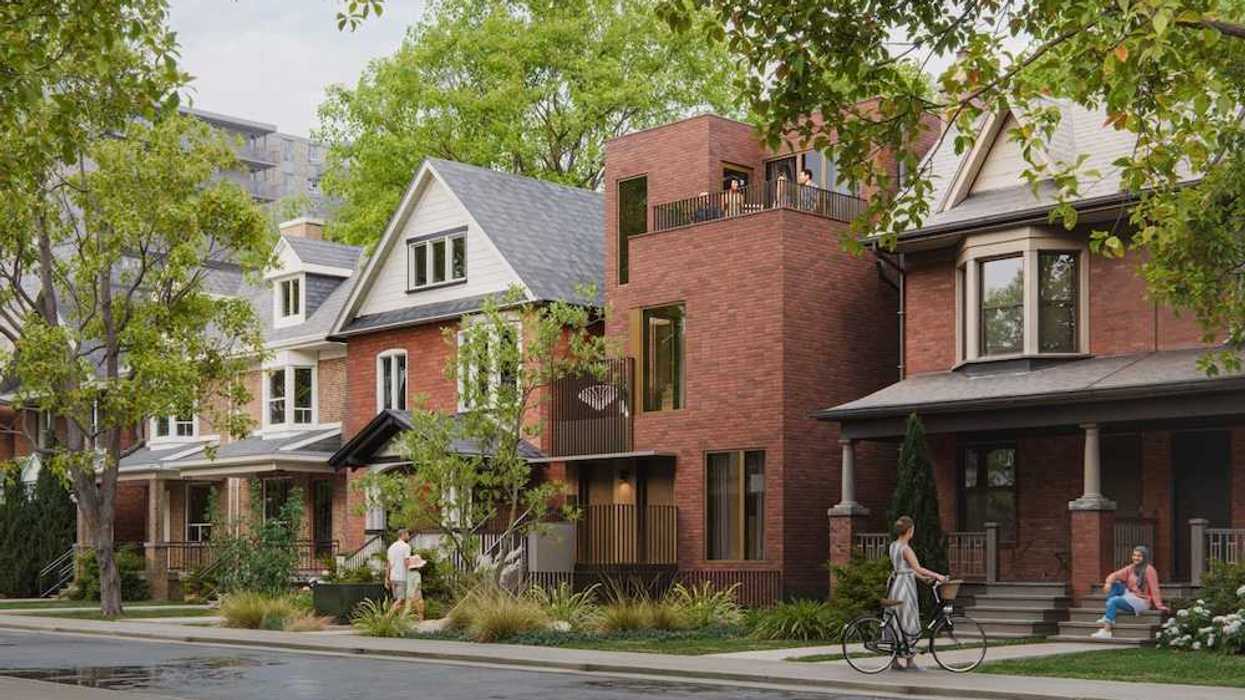
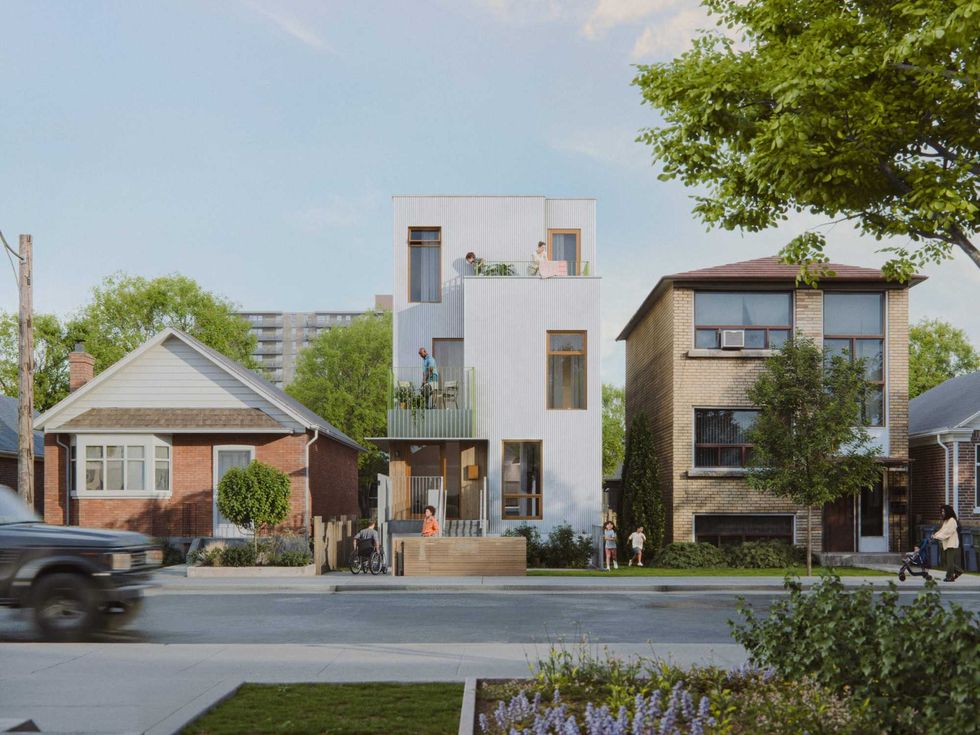 Narrow Fourplex (City of Toronto)
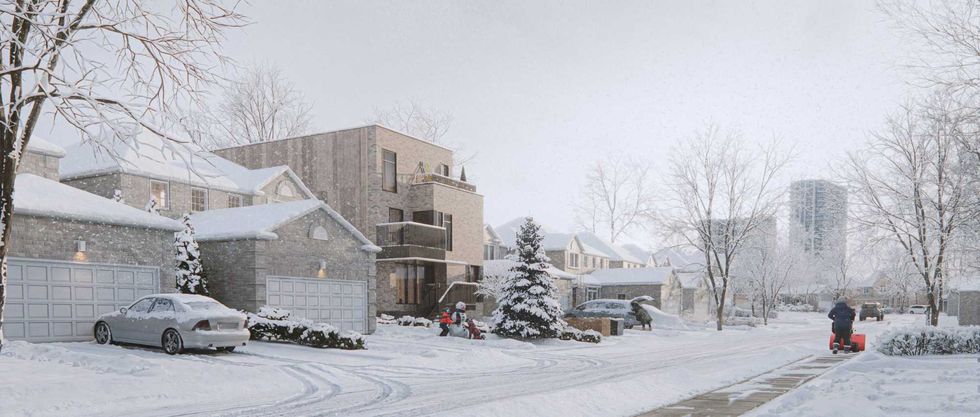 Wide Sixplex - Side View (City of Toronto)