Habendum Clause
Learn about the habendum clause in Canadian property law — what it is, where it’s found, and why it matters for ownership rights.

August 08, 2025
What is a Habendum Clause?
The habendum clause is a section in a deed or lease that defines the extent and duration of ownership or tenancy rights granted.
Why Habendum Clauses Matter in Real Estate
In Canadian property law, the habendum clause clarifies what interest is being conveyed and for how long.
Key points:
- Commonly includes the phrase 'to have and to hold'
- Defines conditions or limitations on the estate
- Ensures clarity about rights transferred
Understanding the habendum clause helps avoid disputes regarding property ownership or lease terms.
Example of a Habendum Clause in Action
The deed’s habendum clause specified that the buyer was granted fee simple ownership of the property.
Key Takeaways
- Specifies ownership or tenancy rights and duration
- Found in deeds and leases
- May include conditions or limitations
- Provides legal clarity on property interests
- Helps prevent ownership disputes
Related Terms
- Deed
- Lease Agreement
- Legal Title
- Fee Simple
- Title Search

 Narrow Fourplex (City of Toronto)
 Wide Sixplex - Side View (City of Toronto)
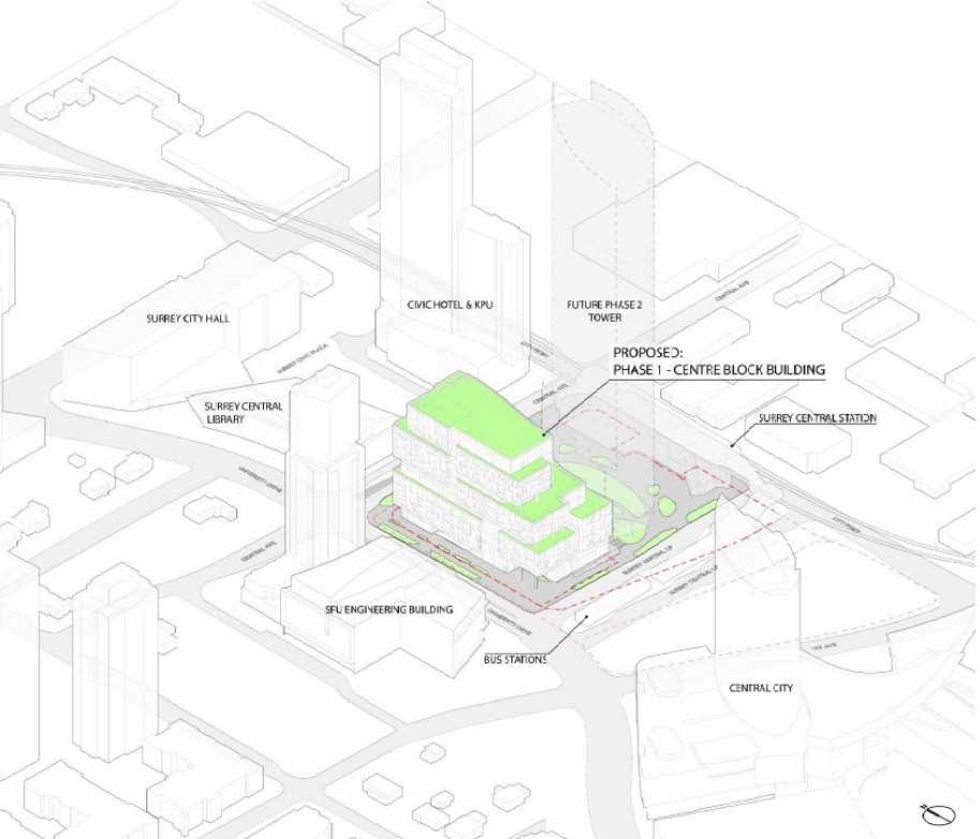 Centre Block and its surrounding context. (Stantec-Revery, SCDC)
 The 12-storey Phase One of Centre Block. (Stantec-Revery, SCDC)
 The 12-storey Phase One of Centre Block. (Stantec-Revery, SCDC)








 Via STOREYS Editorial team

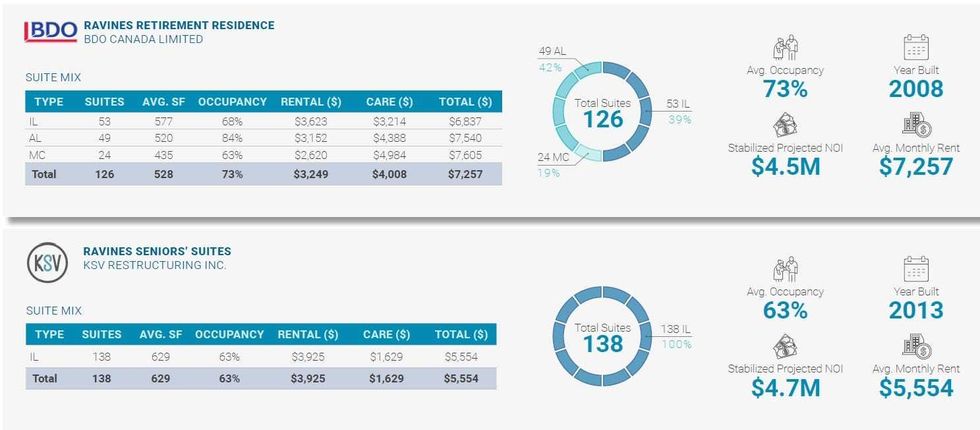 An overview of the two Ravine buildings. (Newmark)
 95 Clegg Road in Markham, Ontario. (Colliers)
 95 Clegg Road (centre) in Markham, Ontario. (Colliers)