Growth Management Plan
Understand growth management plans in Canadian urban planning — what they are, their goals, and how they guide development.

July 27, 2025
What is a Growth Management Plan?
A growth management plan is a comprehensive municipal or regional strategy for directing and controlling land use, development, and infrastructure investment.
Why Growth Management Plans Matter in Real Estate
In Canadian urban planning, growth management plans help ensure orderly, sustainable growth by aligning development with infrastructure and environmental goals.
Key objectives:
- Balance housing, employment, and green space
- Support efficient transportation and infrastructure
- Protect natural resources and farmland
Understanding growth management plans helps developers and communities anticipate future land use priorities and policies.
Example of a Growth Management Plan in Action
The region’s growth management plan designated specific areas for high-density housing near public transit corridors.
Key Takeaways
- Directs where and how growth occurs
- Aligns land use with infrastructure capacity
- Helps protect environmental resources
- Provides long-term planning certainty
- Guides zoning and development approvals
Related Terms
- Official Plan
- Urban Planning
- Transit-Oriented Development
- Zoning
- Density Bonus
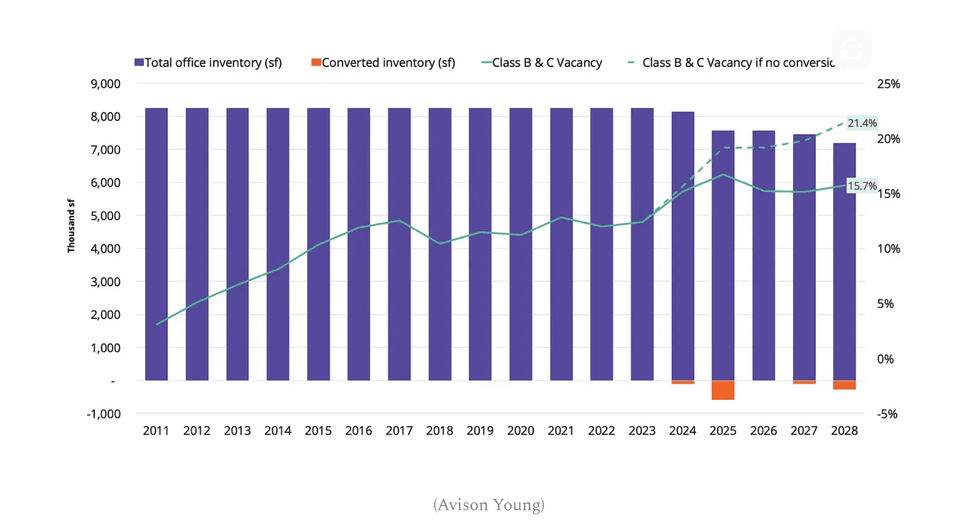 (Avison Young)
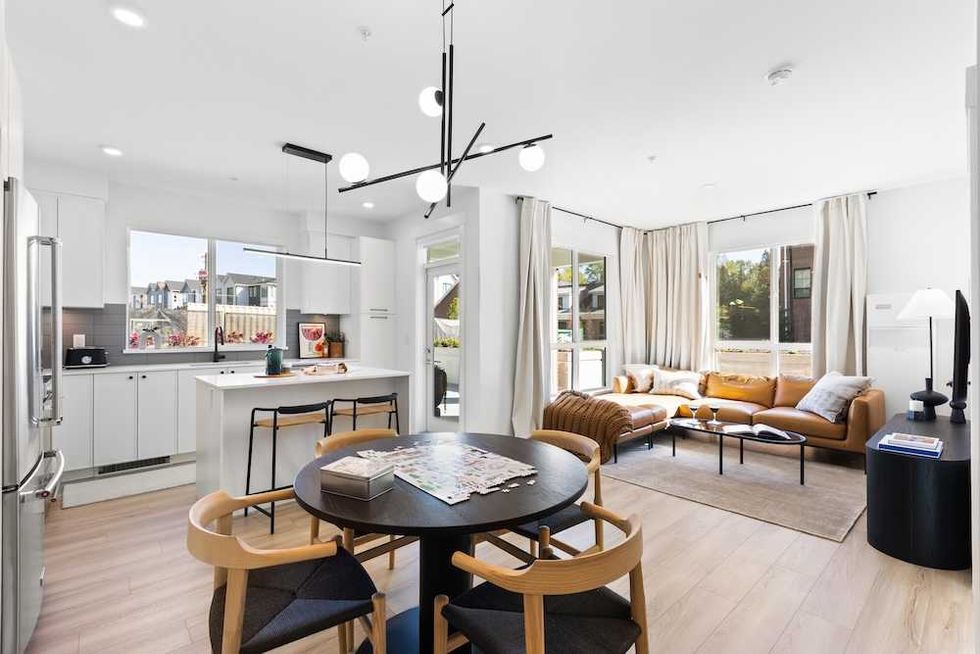 The Mason Suite Interior (Infinity Properties)
 The Mason Suite Interior (Infinity Properties)
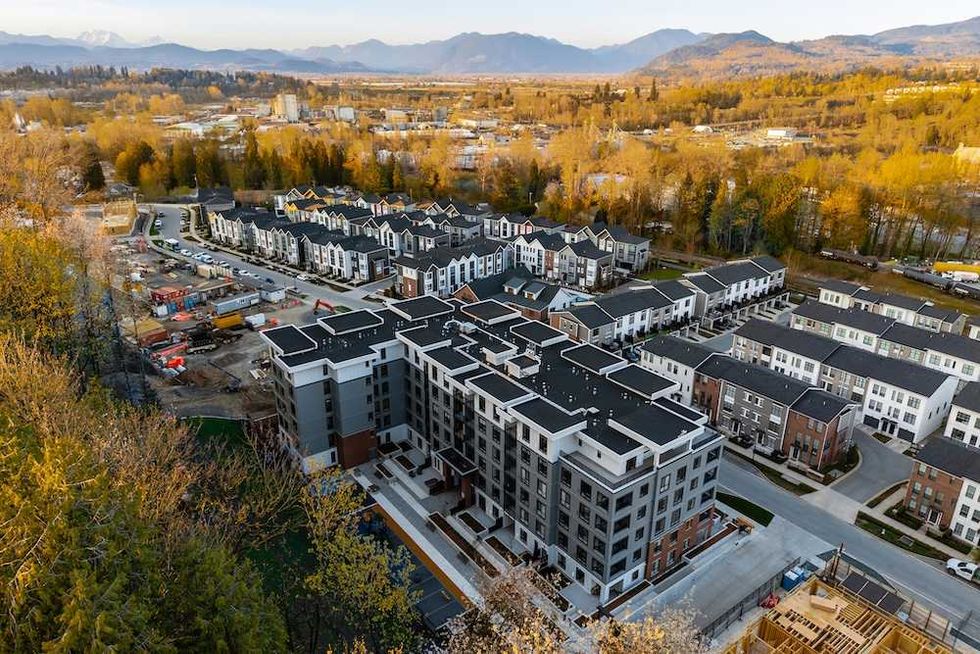 Rail District aerial (Infinity Properties)
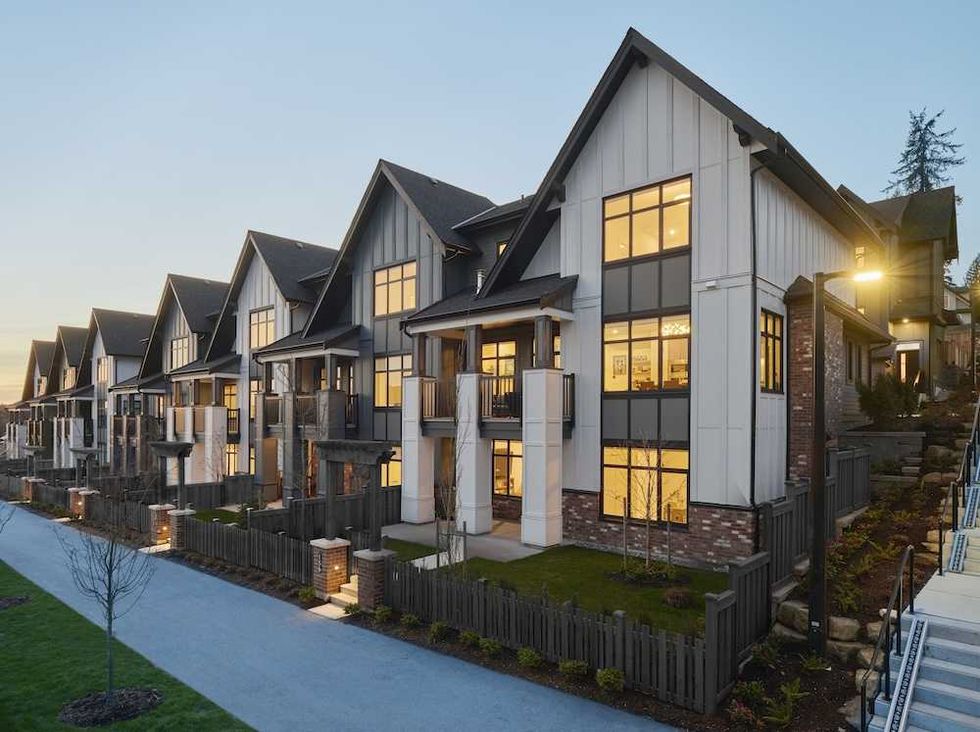 Versant (Infinity Properties)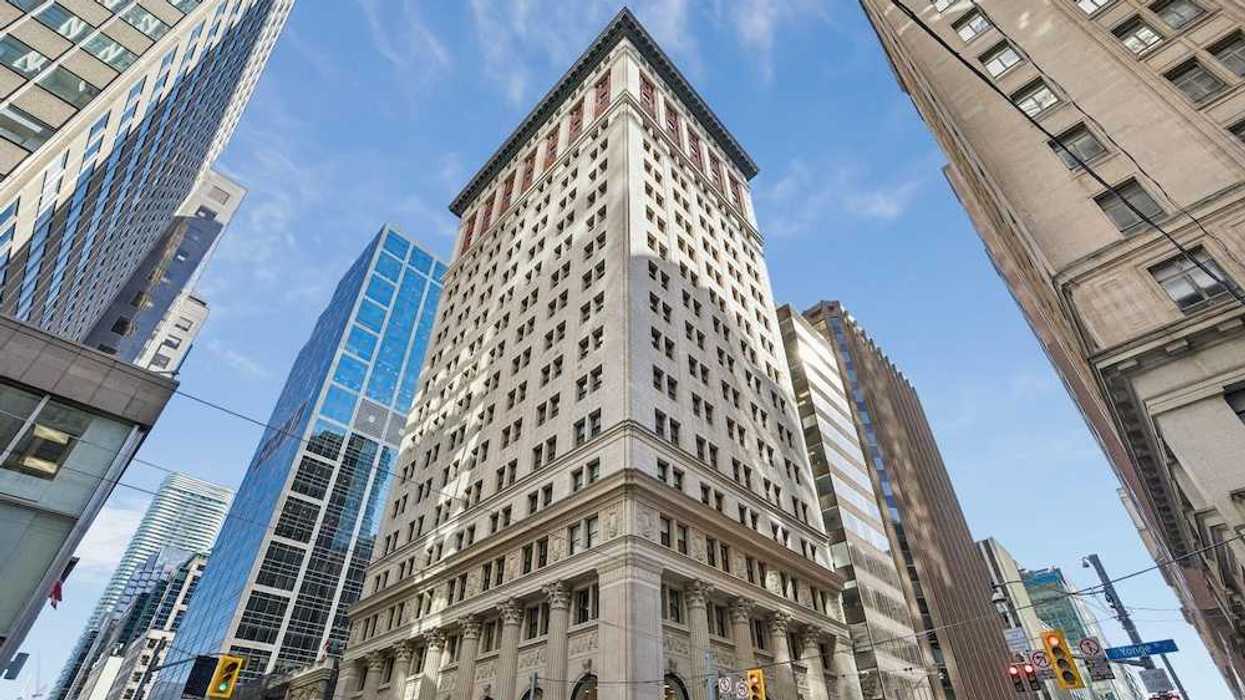
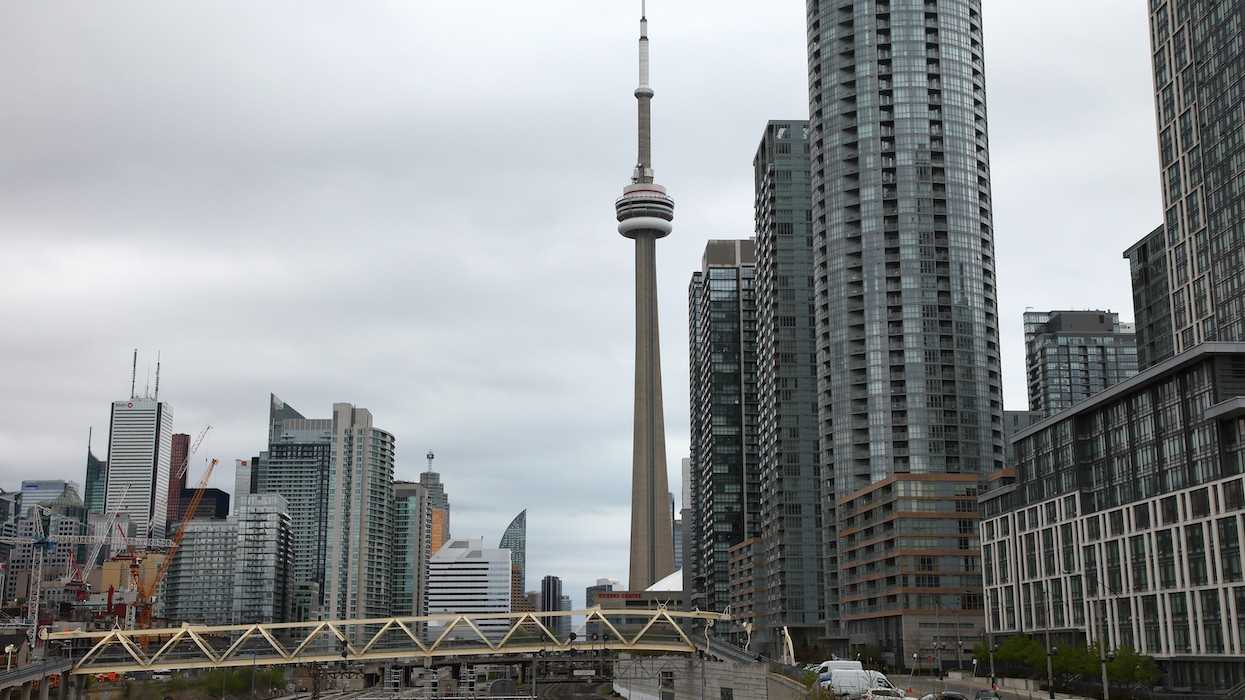




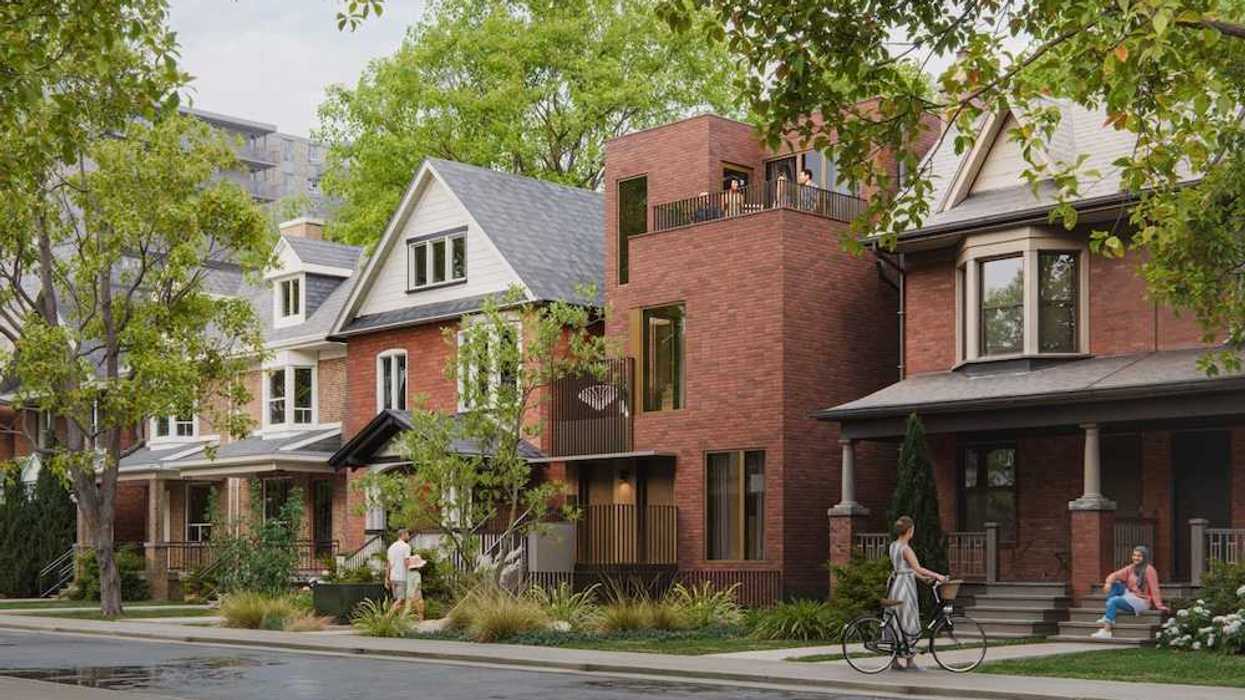
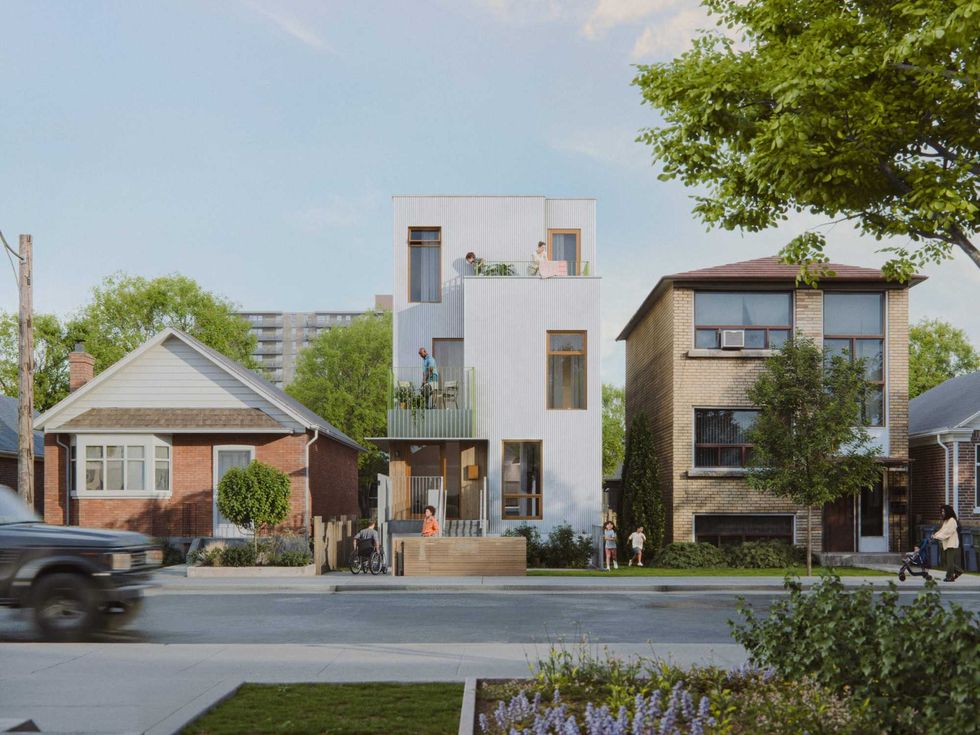 Narrow Fourplex (City of Toronto)
 Wide Sixplex - Side View (City of Toronto)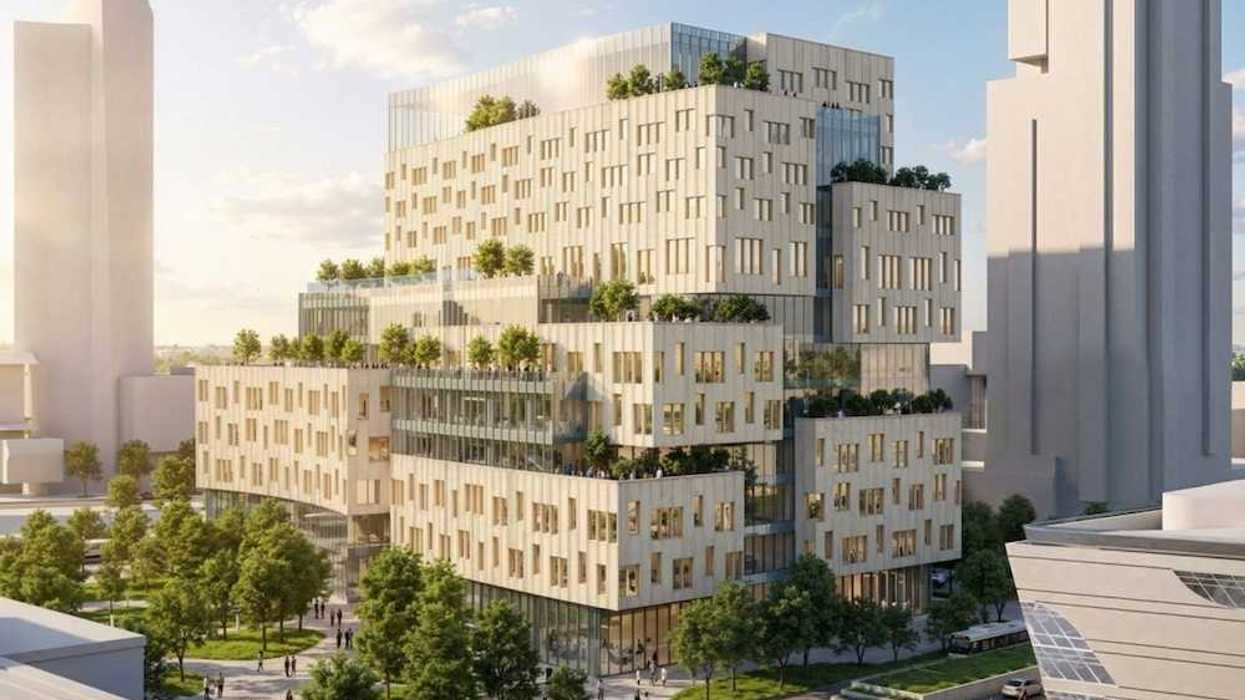
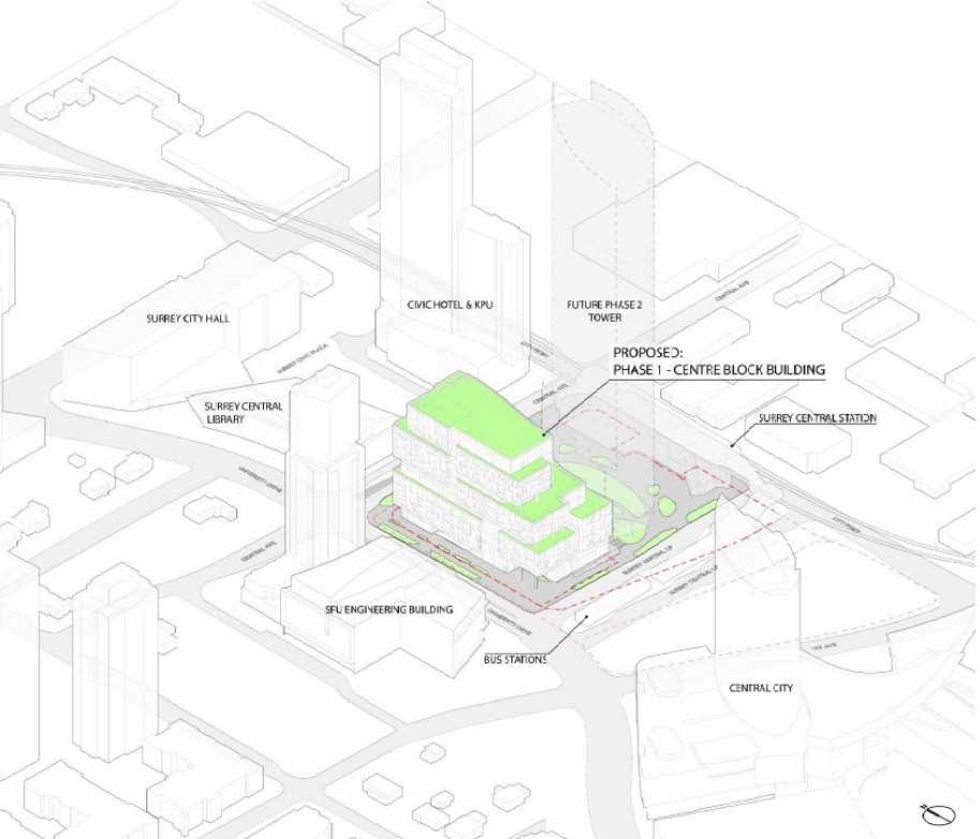 Centre Block and its surrounding context. (Stantec-Revery, SCDC)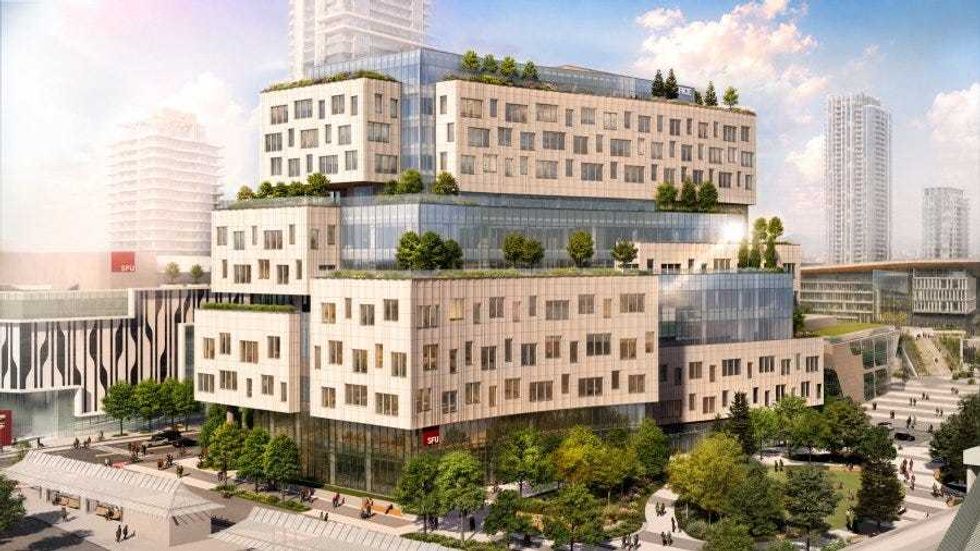
 The 12-storey Phase One of Centre Block. (Stantec-Revery, SCDC)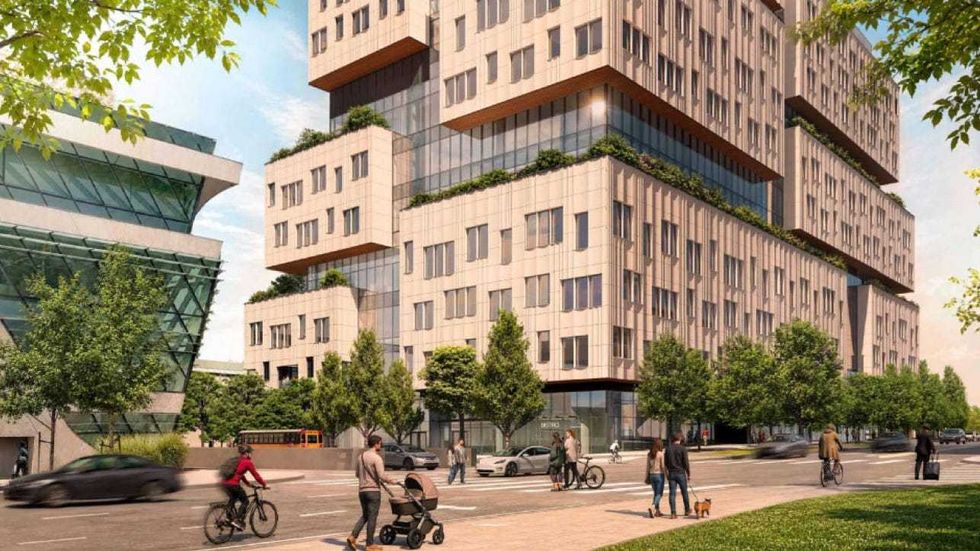
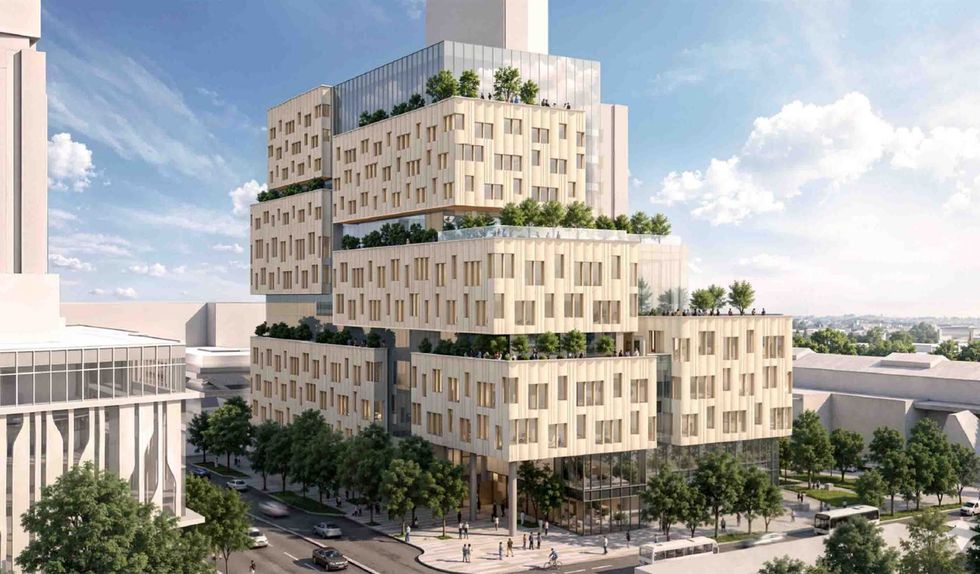
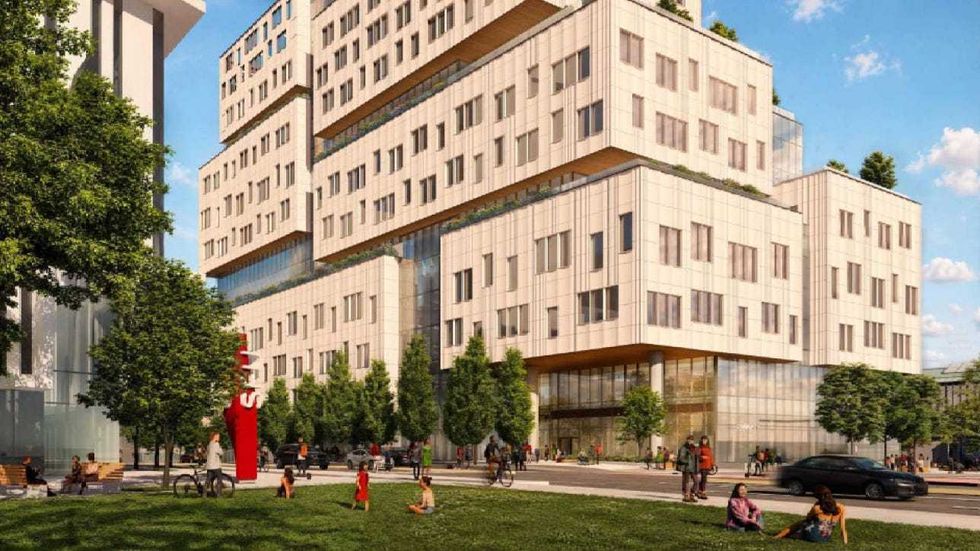 The 12-storey Phase One of Centre Block. (Stantec-Revery, SCDC)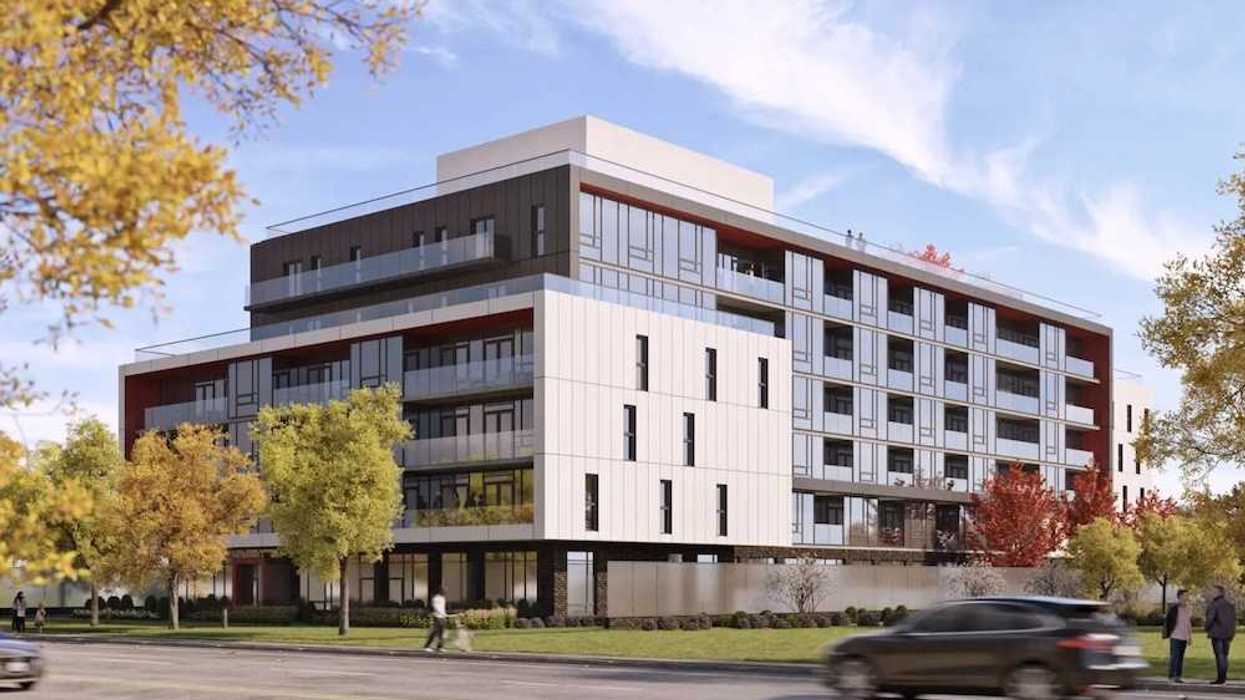
 Mondria One, set for 1607 King Street East in Clarington, Ontario. (ICON Architects Inc., Monde Development Group)