Ground Lease
Understand ground leases in Canadian real estate — what they are, how they work, and their advantages for landlords and tenants.

August 08, 2025
What is a Ground Lease?
A ground lease is a long-term lease agreement in which a tenant leases the land from a landlord but owns and is responsible for any improvements made on it.
Why Ground Leases Matter in Real Estate
In Canadian commercial real estate, ground leases allow tenants to develop property without purchasing the land.
Key points:
- Terms often range from 20 to 99 years
- Improvements typically revert to the landowner at lease end
- Provides stable, long-term income for landlords
Understanding ground leases helps tenants and landlords align long-term investment goals.
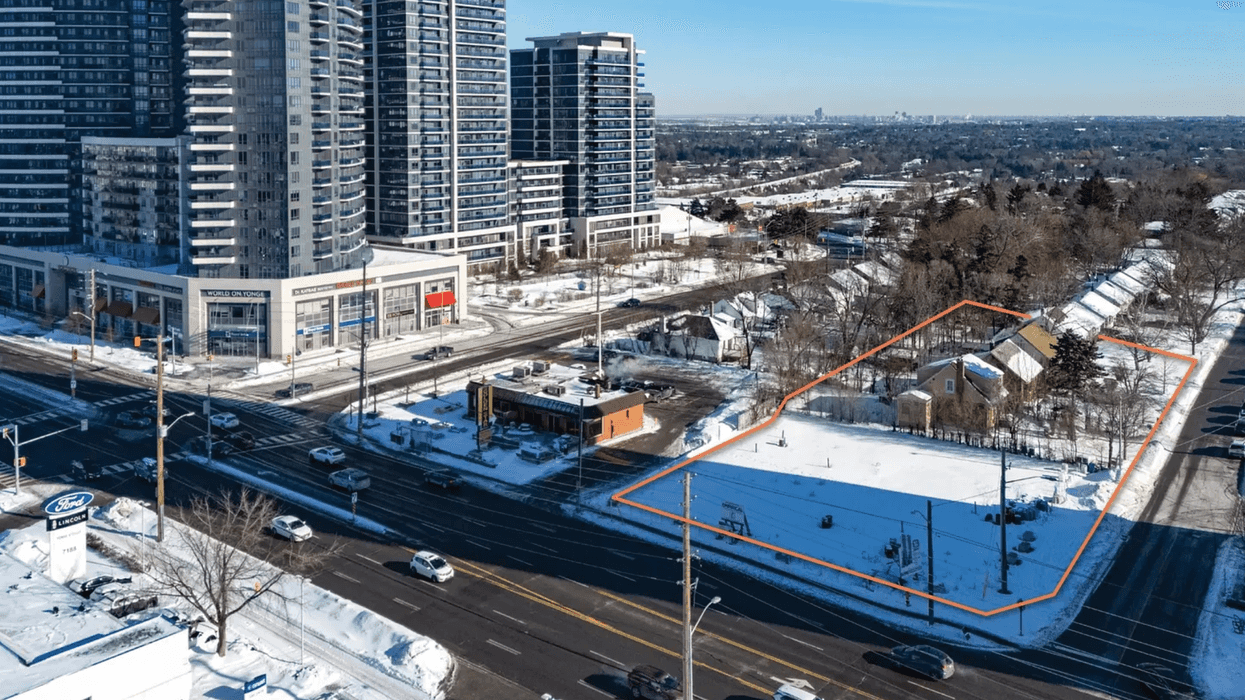
Example of a Ground Lease in Action
The retailer entered a 50-year ground lease to build a flagship store on the leased land.
Key Takeaways
- Long-term lease of land, not buildings
- Tenant owns improvements during lease term
- Often reverts improvements to landlord at lease end
- Provides landlords with steady income
- Popular for commercial and institutional projects




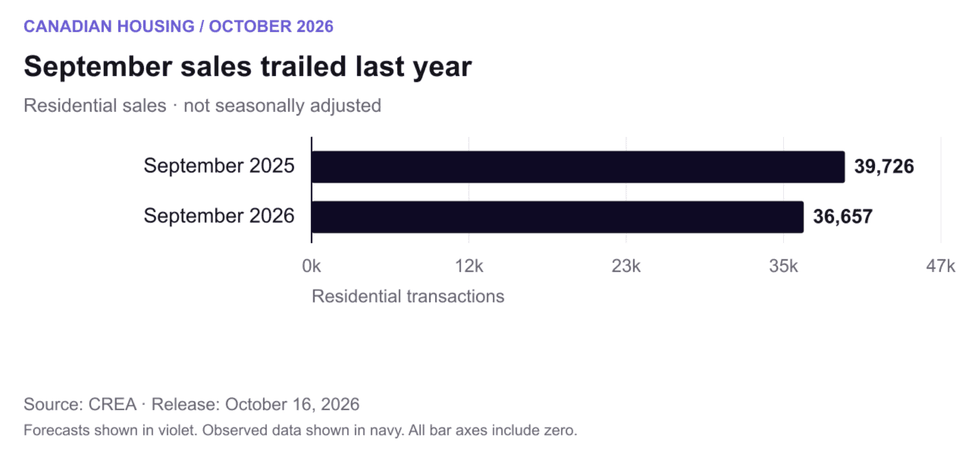 September residential sales, not seasonally adjusted; the annual comparison uses CREA’s revised figures. Chart:
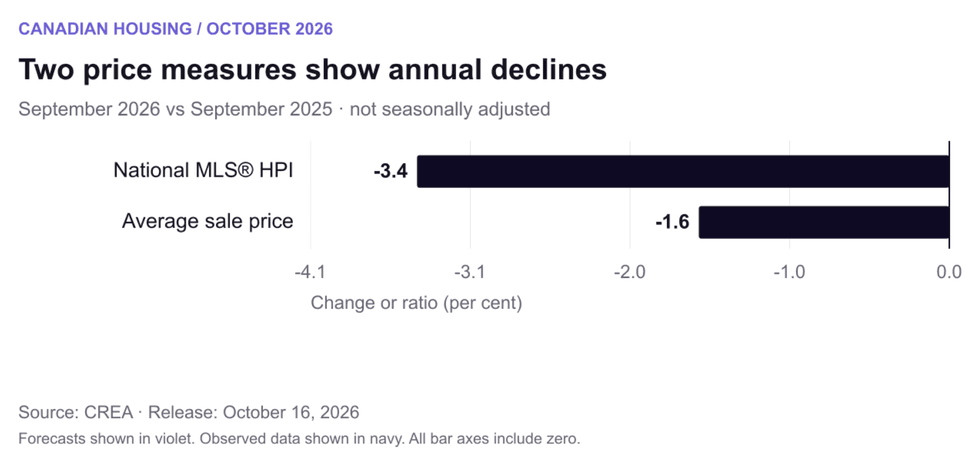 Annual changes in the unadjusted national MLS® HPI and average sale price. The average is affected by the mix of transactions. Chart:
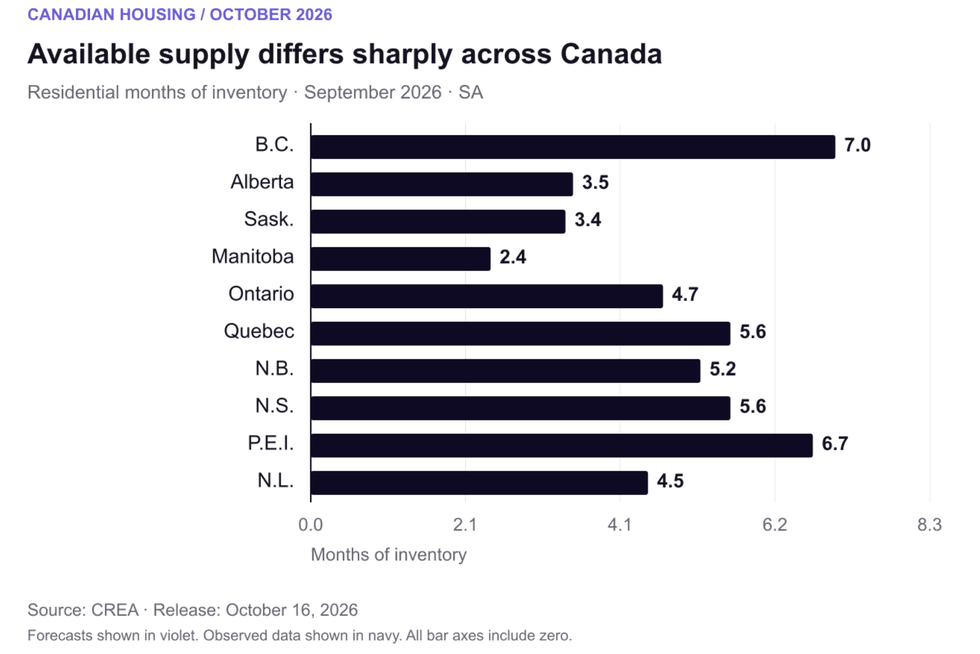 Seasonally adjusted residential months of inventory by province. Local property types can differ substantially. Chart:
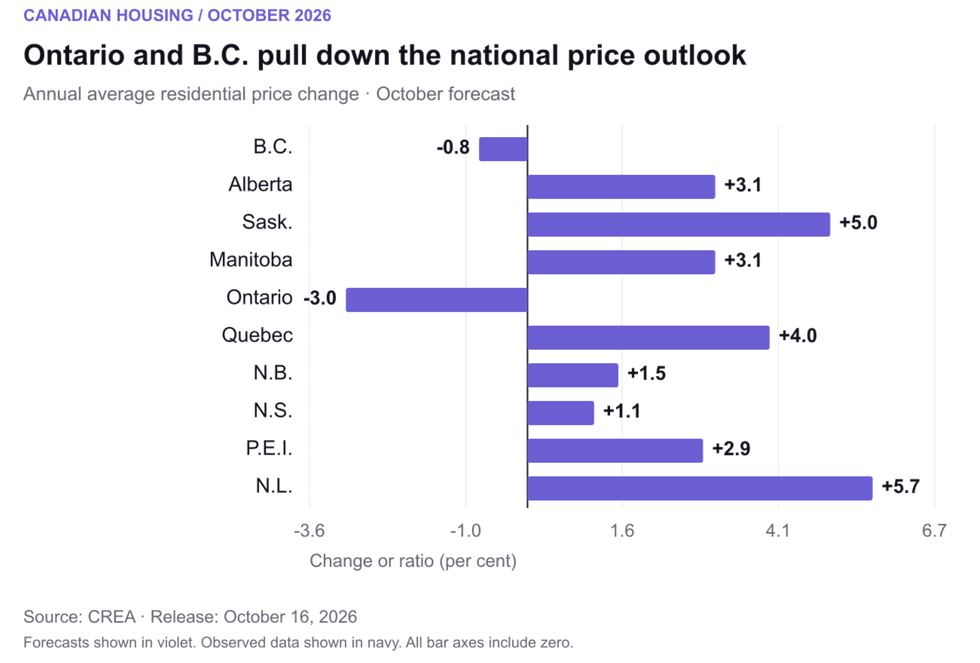 Ontario and B.C. are the two provinces with forecast annual average-price declines in 2026. Chart:
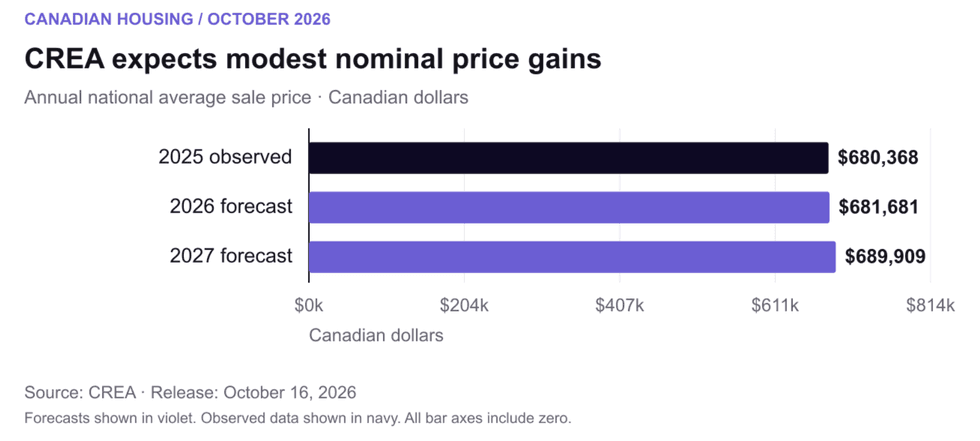 Annual average transaction prices in Canadian dollars. Forecast values are not December price targets. Chart:
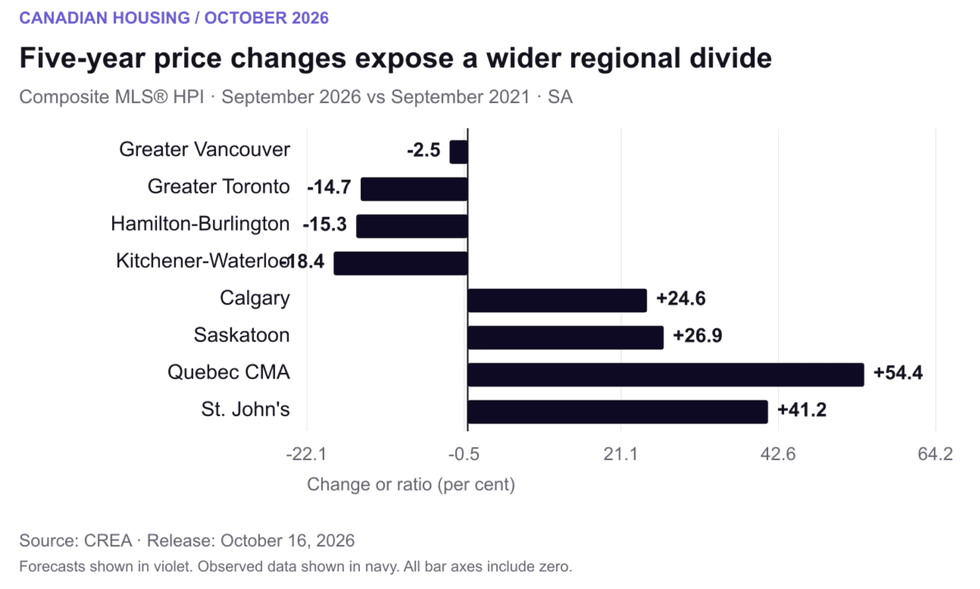 Five-year changes in seasonally adjusted composite MLS® HPI benchmarks, September 2021 to September 2026. Chart: