Foreign Buyer Ban
Explore Canada’s Foreign Buyer Ban, who it affects, what exceptions exist, and how it shapes the real estate market for non-resident purchasers.
May 22, 2025
What is the Foreign Buyer Ban?
The Foreign Buyer Ban refers to a Canadian federal policy that prohibits certain non-Canadians from purchasing residential real estate in Canada for a specified period.
Why the Foreign Buyer Ban Matters in Real Estate
Officially known as the Prohibition on the Purchase of Residential Property by Non-Canadians Act, this ban came into effect on January 1, 2023. It aims to curb housing speculation and improve affordability by reducing foreign demand in overheated markets.
Under the ban, foreign individuals and commercial entities are generally prohibited from buying residential property in Canada for two years. The law applies primarily to urban areas and covers properties like detached homes, condos, and townhouses. Certain exceptions exist, including:
- Permanent residents and refugees
- International students meeting specific criteria
- Temporary foreign workers
- Purchases of recreational properties in non-urban areas
Violations may result in fines up to $10,000 and the forced sale of the property. Real estate professionals must verify a buyer’s eligibility before facilitating a transaction.
Understanding the Foreign Buyer Ban is essential for international clients, real estate agents, and investors evaluating Canadian housing markets.
Example of the the Foreign Buyer Ban in Action
A non-resident foreign investor attempts to buy a condo in Vancouver in 2023. The sale is blocked under the Foreign Buyer Ban, as the buyer does not meet the exemption criteria.
Key Takeaways
- Restricts most non-Canadians from purchasing residential property.
- Enacted to address affordability and reduce speculation.
- Includes defined exemptions for specific groups.
- Applies primarily to urban residential properties.
- In effect for two years starting January 1, 2023.
Related Terms
- Non-Resident Buyer
- Property Transfer Tax
- Speculation and Vacancy Tax
- Investment Property
- Permanent Resident
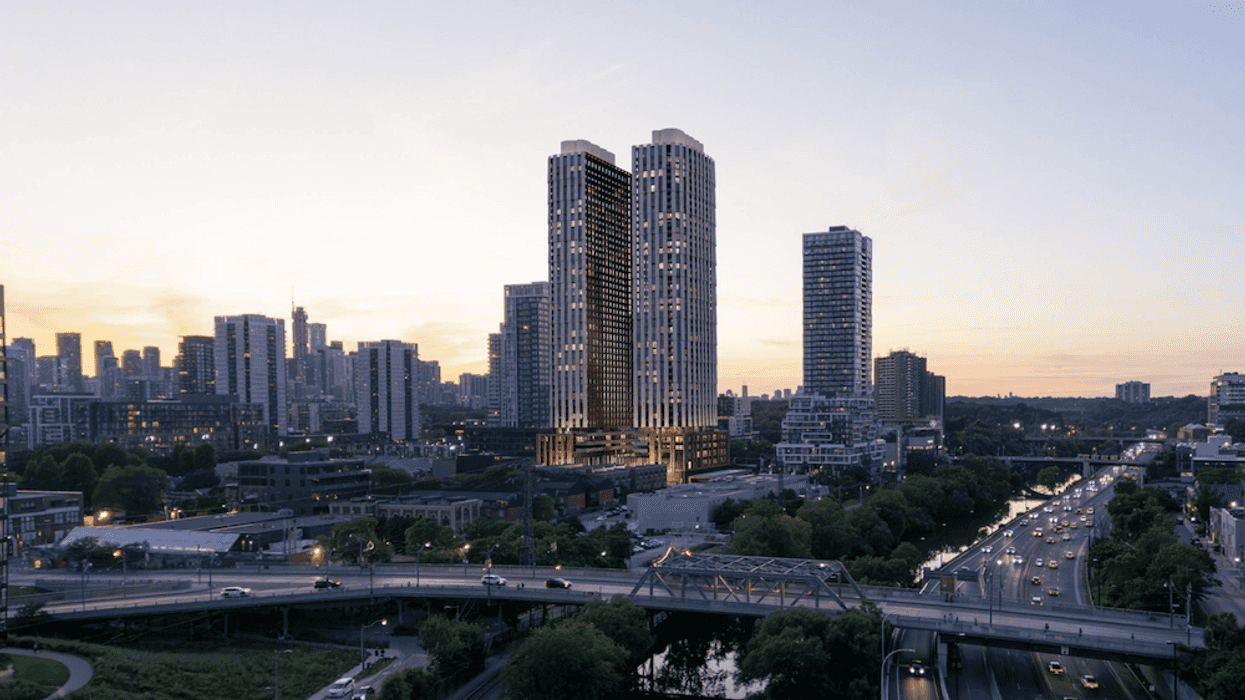
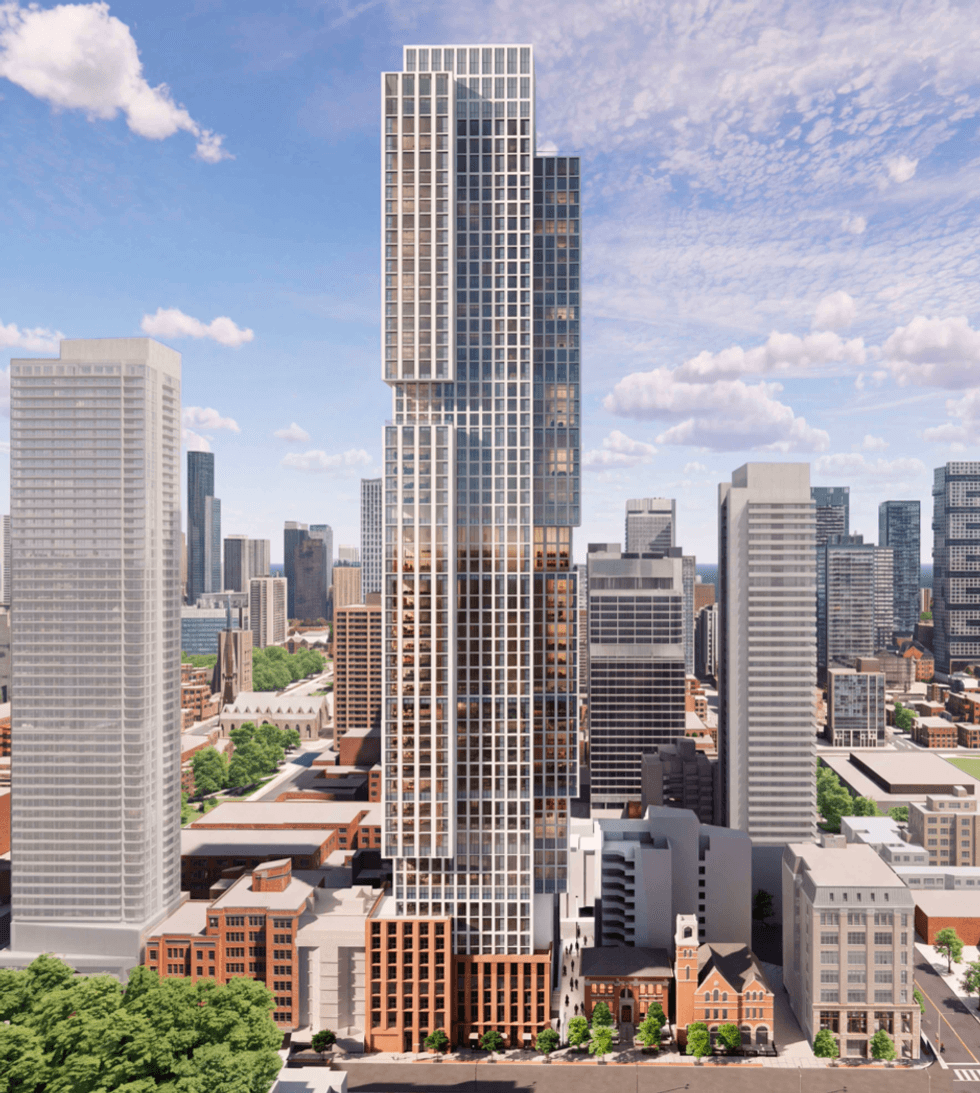 Rendering of 86 and 100-108 Lombard St and 103 Richmond St E/WZMH Architects
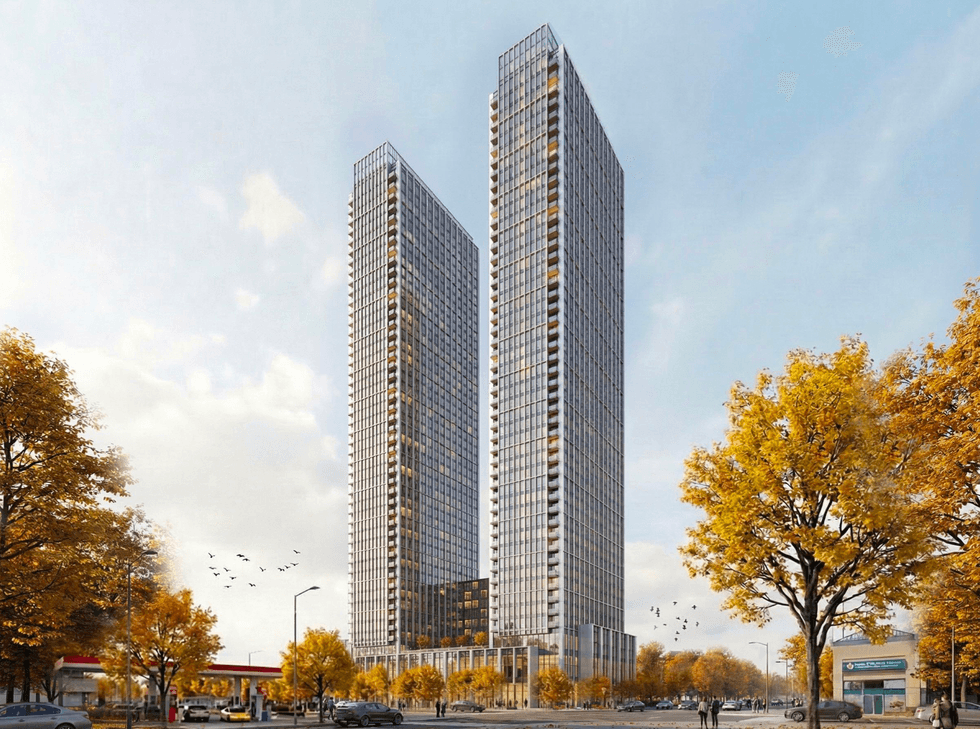 Rendering of 60 Overlea Blvd/Sweeny&Co Architects
 Rendering of 7 Labatt Ave and 77 River St/Giannone Petricone Associates
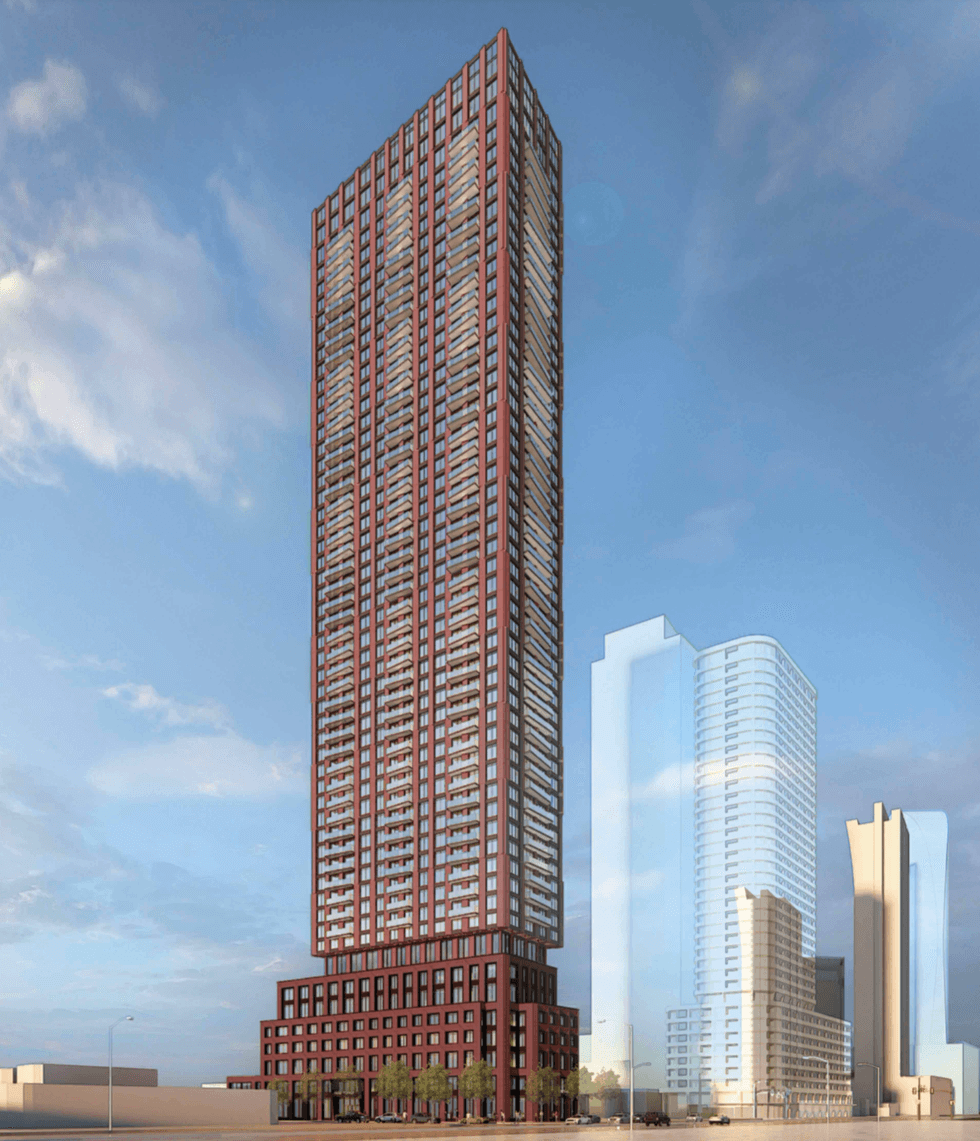 Rendering of 4632-4648 Yonge St and 16-18 Cameron Ave/Arcadis
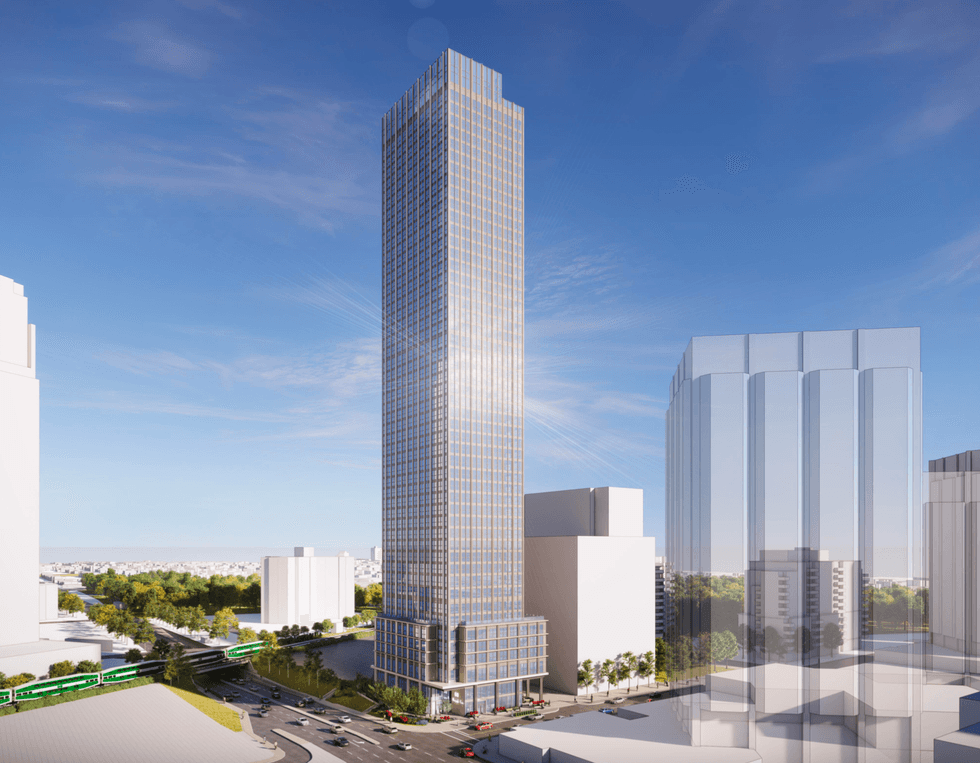 Rendering of 1234 Islington Ave/Sweeny&Co Architects
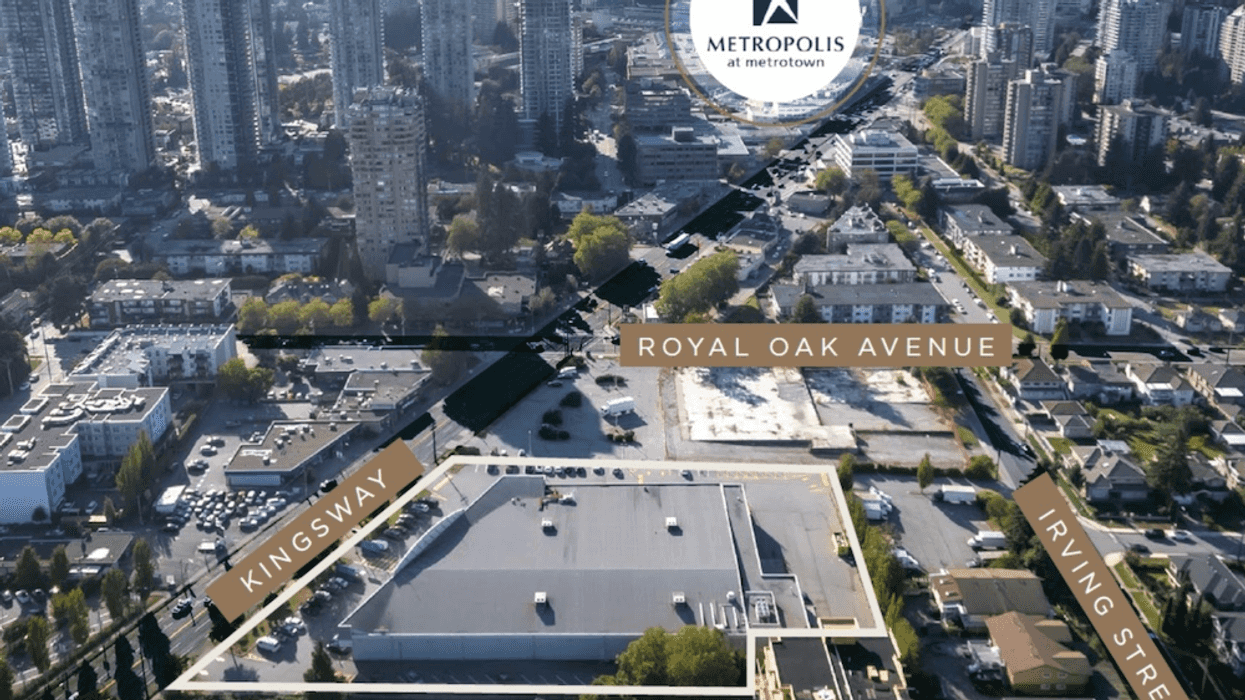
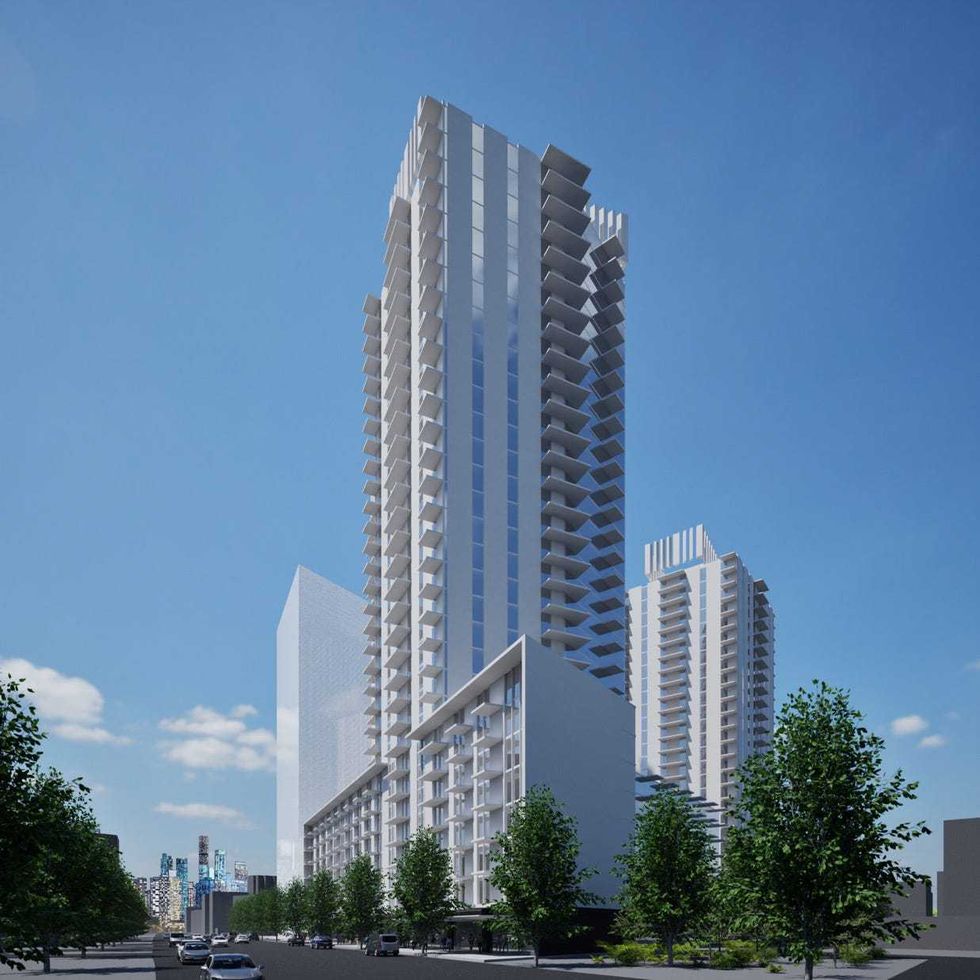 A preliminary conceptual development for 5335 Kingsway in Burnaby. (Arcadis, JLL)
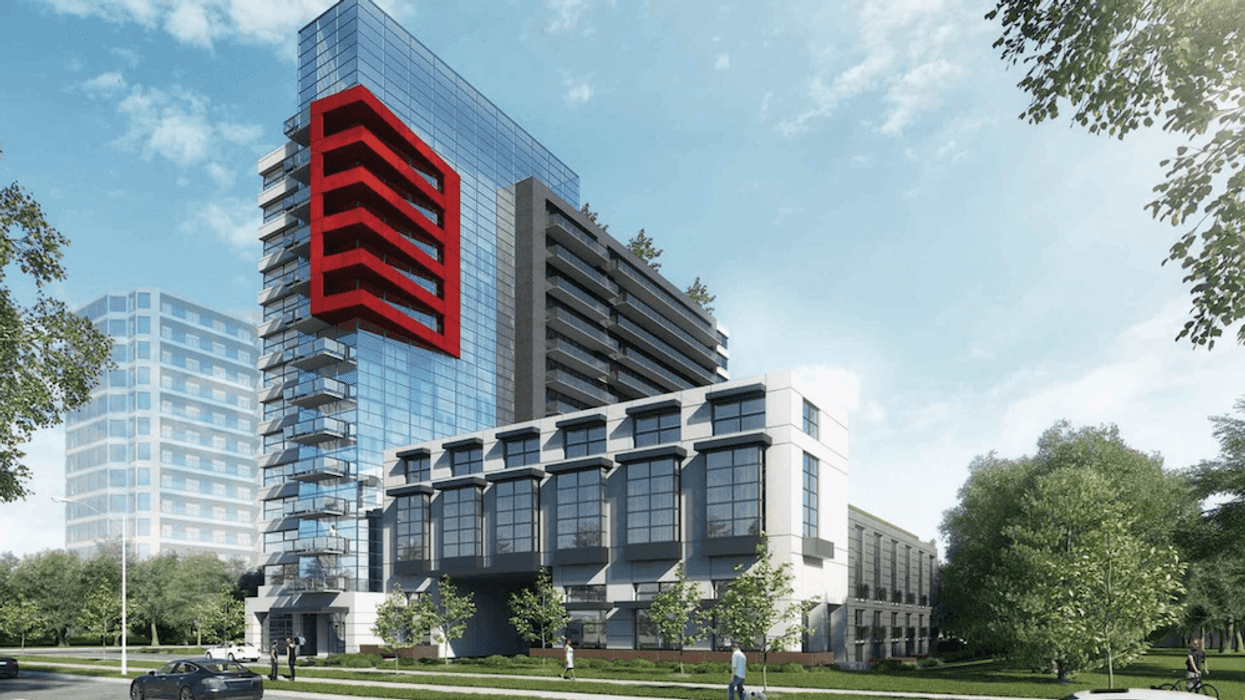

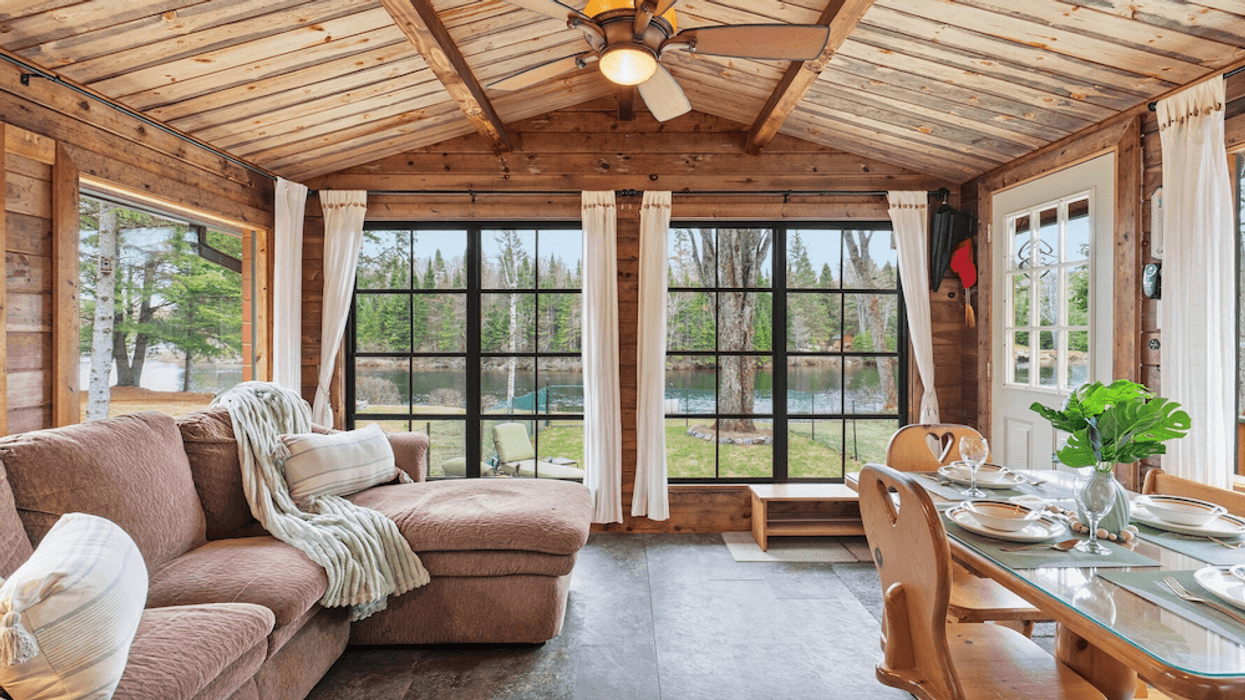

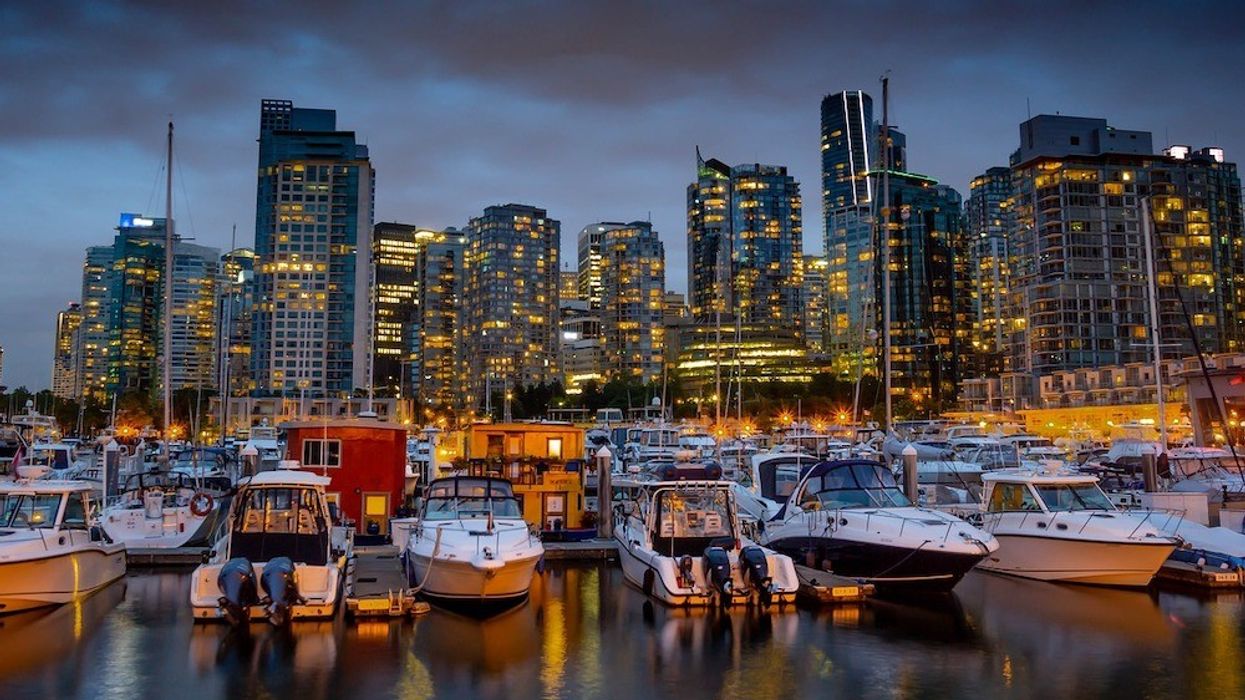
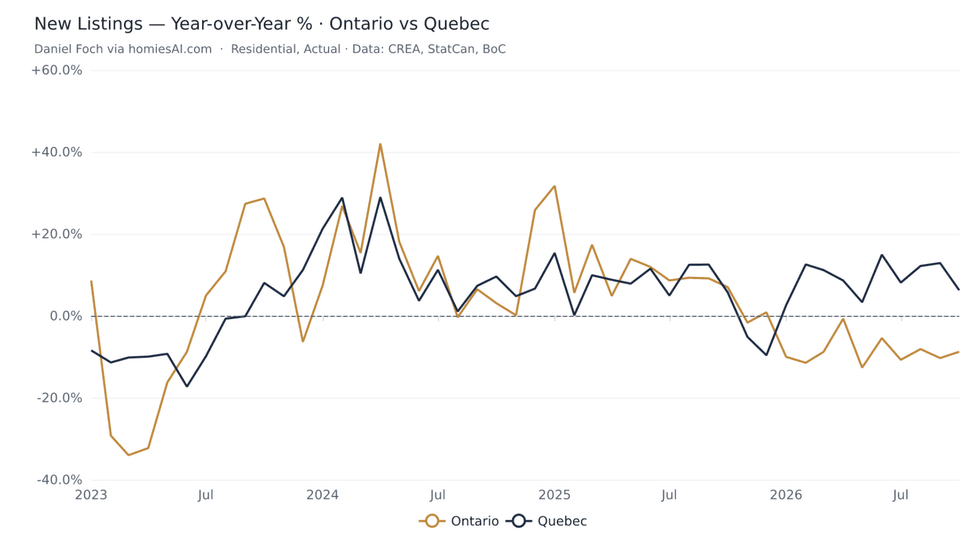 Chart: New listings, year-over-year %, Ontario vs Quebec. Daniel Foch via homiesai.com/stats. Data:
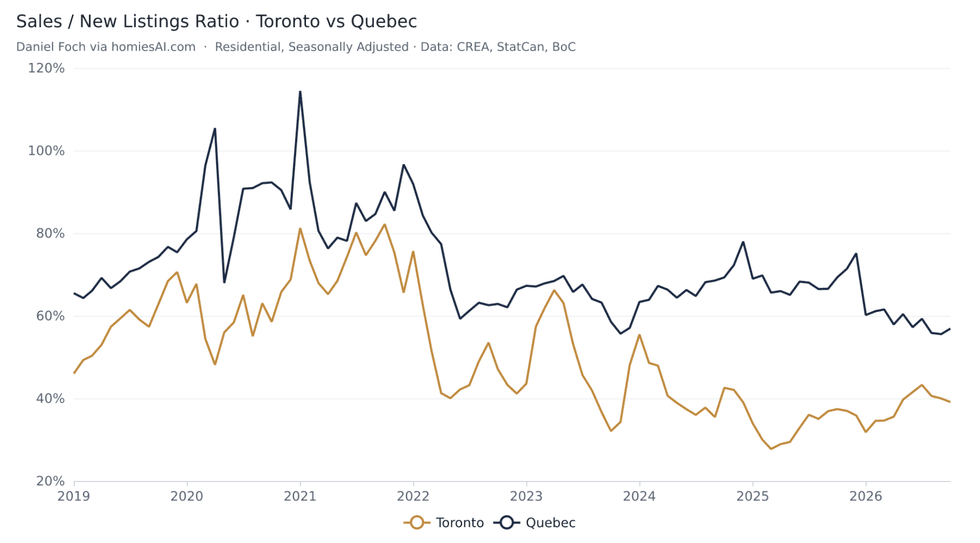 Chart: Sales-to-new-listings ratio, seasonally adjusted. Toronto vs Quebec. Daniel Foch via homiesai.com/stats. Data: CREA.
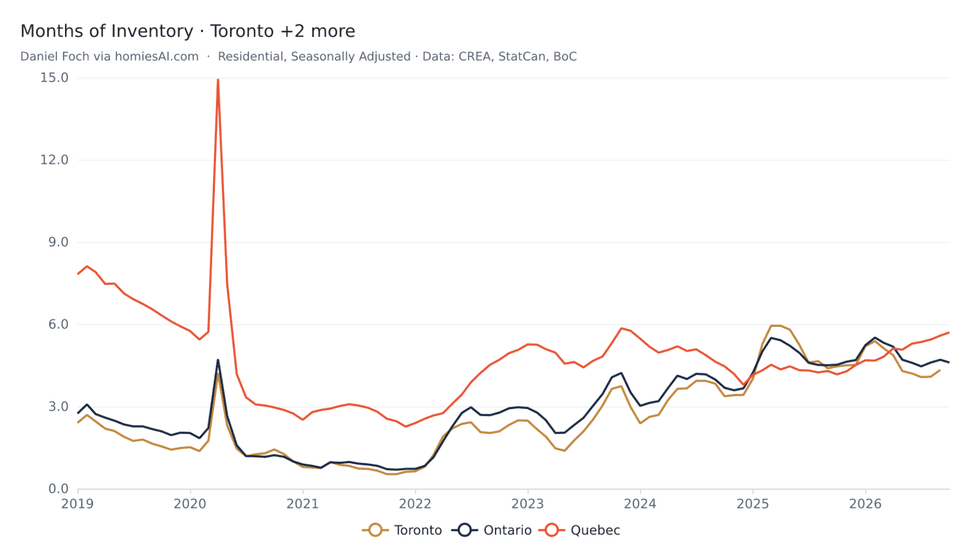 Chart: Months of inventory, seasonally adjusted. Daniel Foch via homiesai.com/stats. Data: CREA.
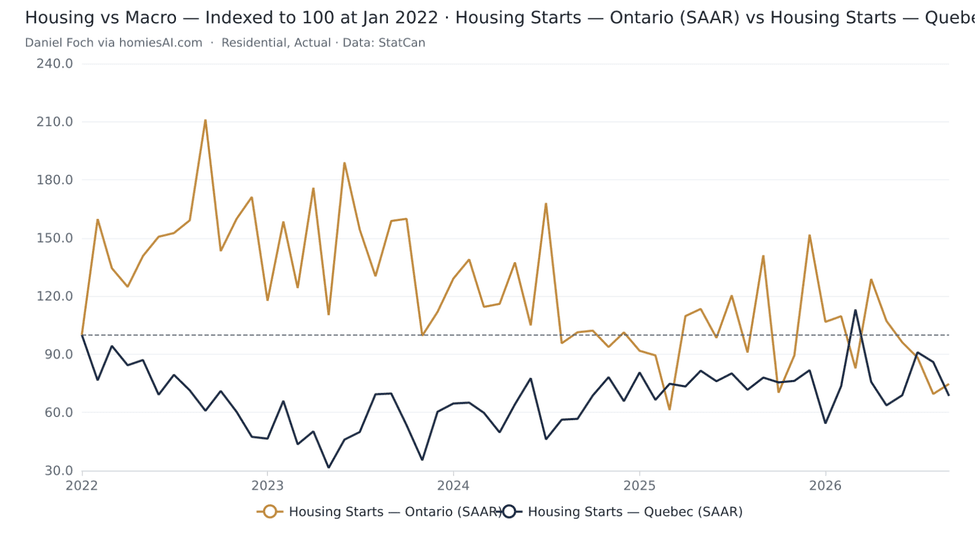 Chart: Housing starts, seasonally adjusted annual rate, Ontario vs Quebec, indexed to January 2022. Daniel Foch via homiesai.com/stats. Data: CMHC via Statistics Canada.
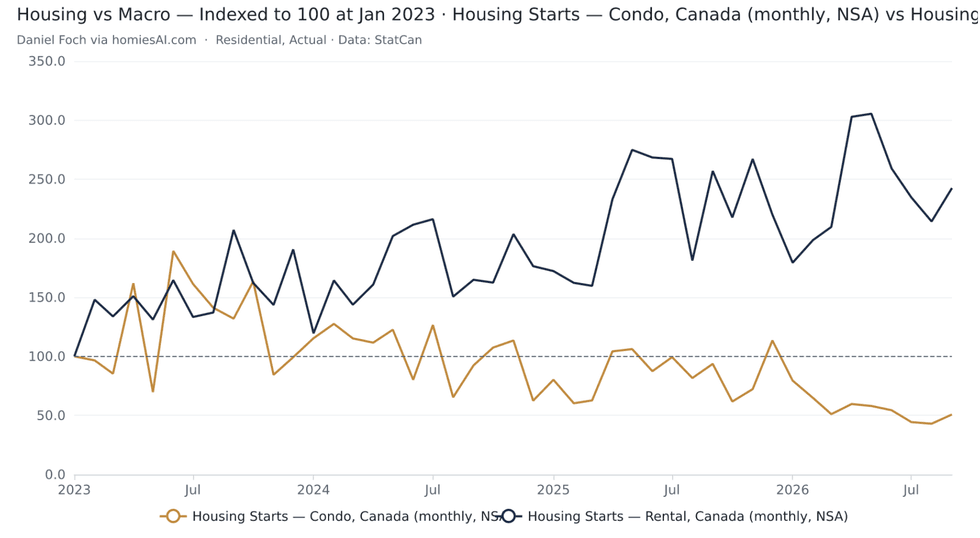 Chart: Condo vs rental housing starts, Canada, indexed to January 2023. Daniel Foch via homiesai.com/stats. Data: CMHC via Statistics Canada.
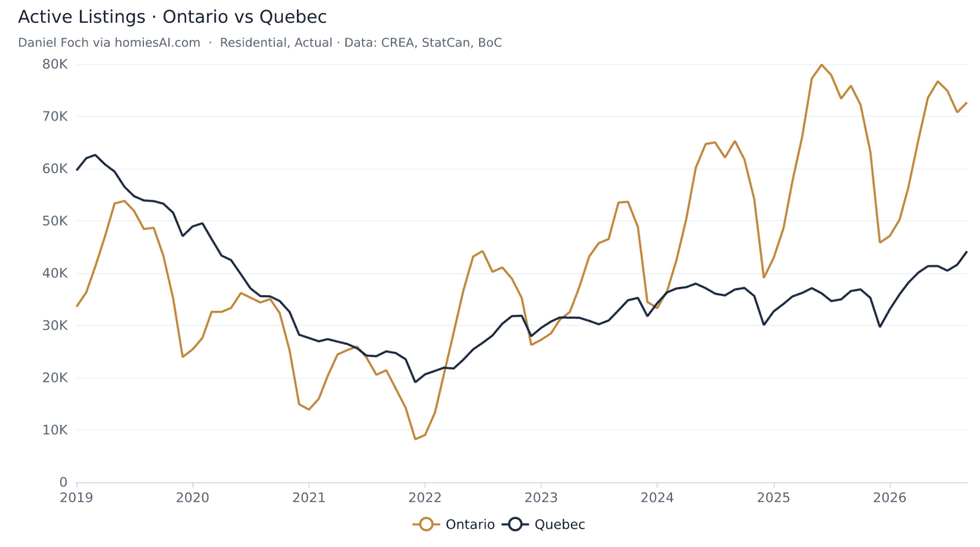 Chart: Active residential listings, Ontario vs Quebec. Daniel Foch via homiesai.com/stats. Data: CREA.
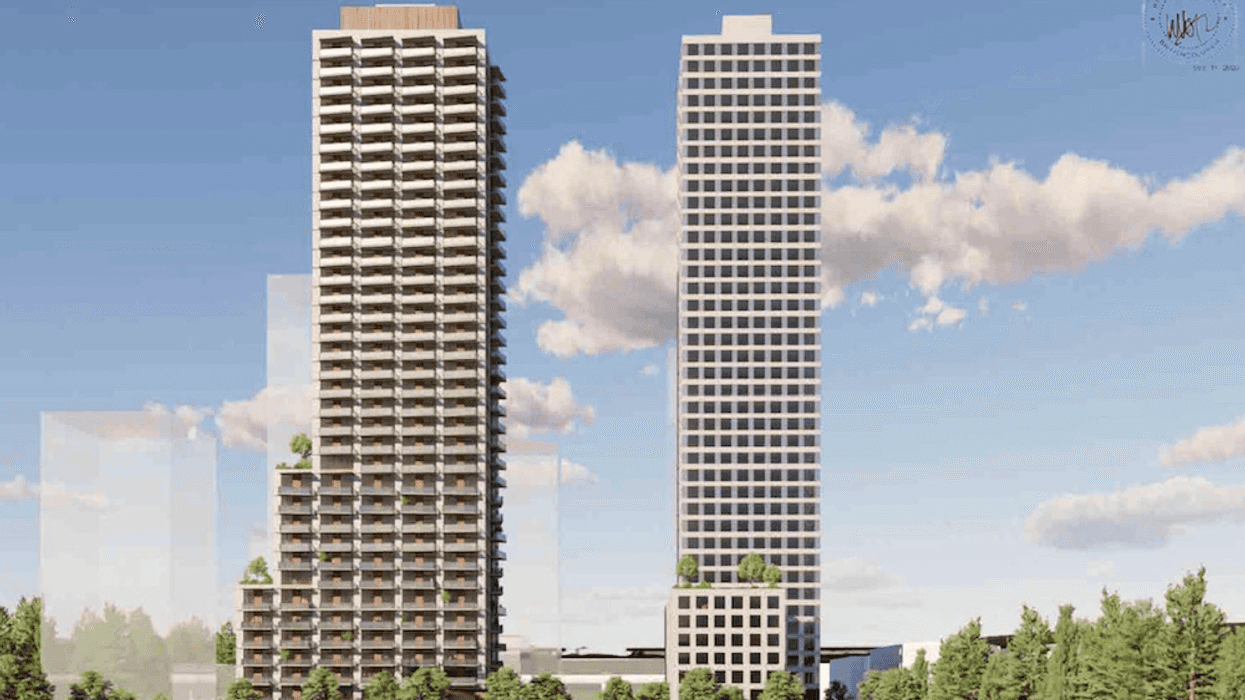
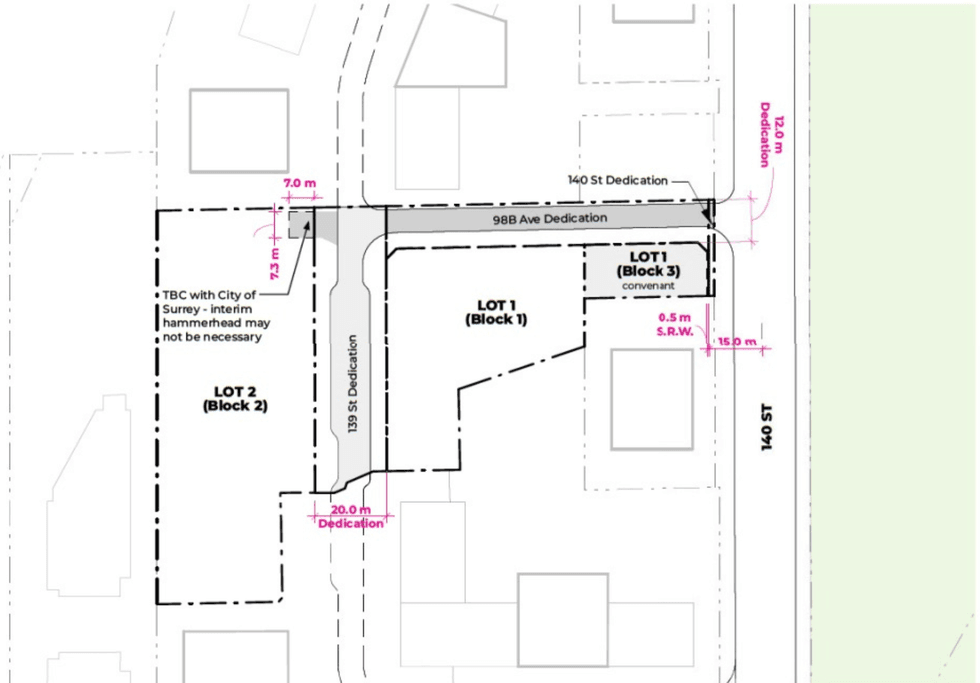 9883 140 Street and the proposed road dedications. (WW+P Architects, Entre Nous Femmes Housing Society)
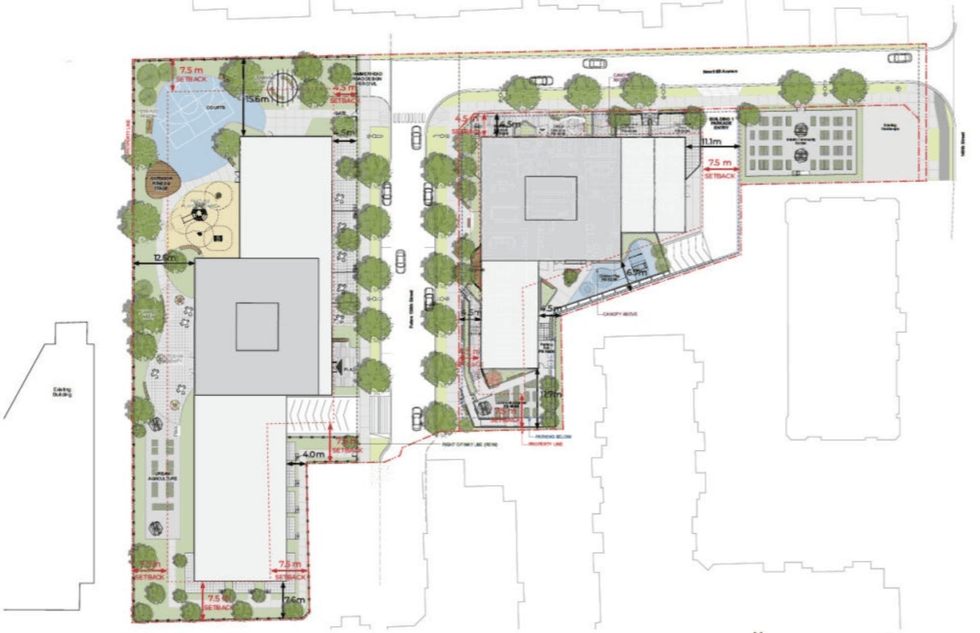 The
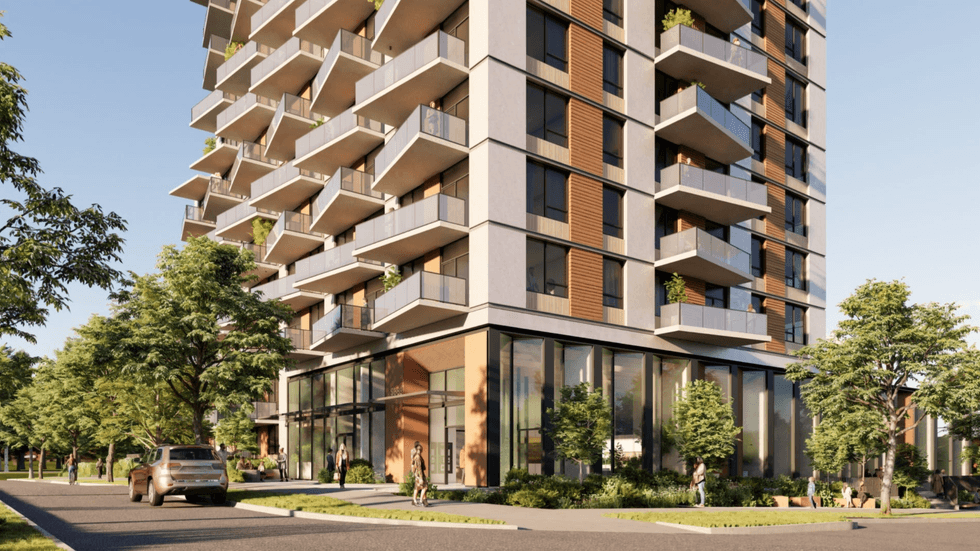 One of the towers proposed for 9883 140 Street. (Entres Nous Femmes Housing Society)
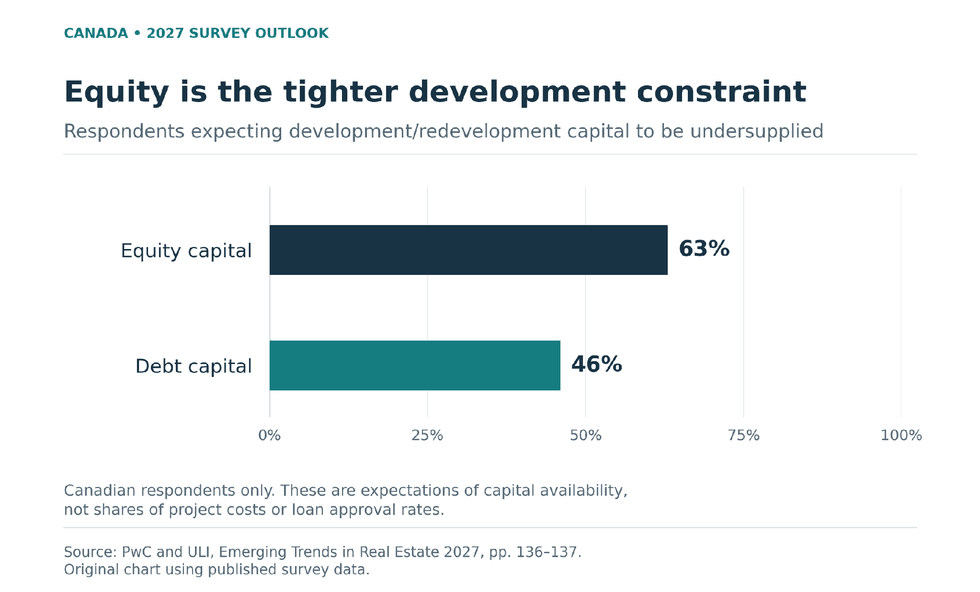 Canadian respondents were more likely to expect an undersupply of development/redevelopment equity capital (63%) than debt capital (46%) in 2027. These are survey expectations, not measured financing volumes. Source: PwC and ULI, Emerging Trends in Real Estate 2027, pp. 136–137. Original chart.
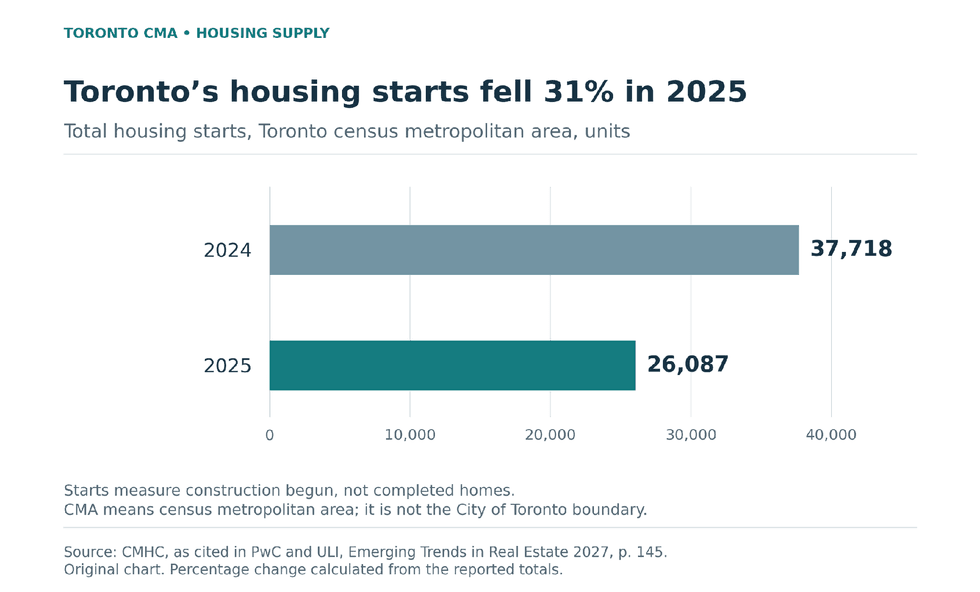 Toronto census metropolitan area housing starts fell from 37,718 units in 2024 to 26,087 in 2025, a 30.8% decline (rounded to 31%). Starts measure construction begun, not completed homes. Source: CMHC, as cited in PwC and ULI, Emerging Trends in Real Estate 2027, p. 145. Original chart.