Escape Clause
Understand escape clauses in Canadian real estate — what they are, how they work, and how they protect buyers and sellers.

July 27, 2025
What is an Escape Clause?
An escape clause is a provision in a real estate purchase agreement allowing one party to terminate the contract under specified conditions.
Why Escape Clauses Matter in Real Estate
In Canadian property transactions, escape clauses provide flexibility to buyers or sellers to withdraw from deals if certain conditions are not met.
Common scenarios:
- Buyer unable to sell current home
- Financing or inspection issues
- Receipt of a better competing offer (for sellers)
Understanding escape clauses helps parties manage risk and avoid being locked into unfavorable agreements.
Example of an Escape Clause in Action
The buyer included an escape clause allowing them to cancel the purchase if their current home didn’t sell within 30 days.
Key Takeaways
- Allows termination of a contract under conditions
- Protects buyers or sellers from adverse situations
- Common for buyers with home sale conditions
- Must be clearly documented in agreement
- Helps manage risk in transactions
Related Terms
- Contingency Clause
- Conditional Offer
- Firm Offer
- Purchase Agreement
- Multiple Offers

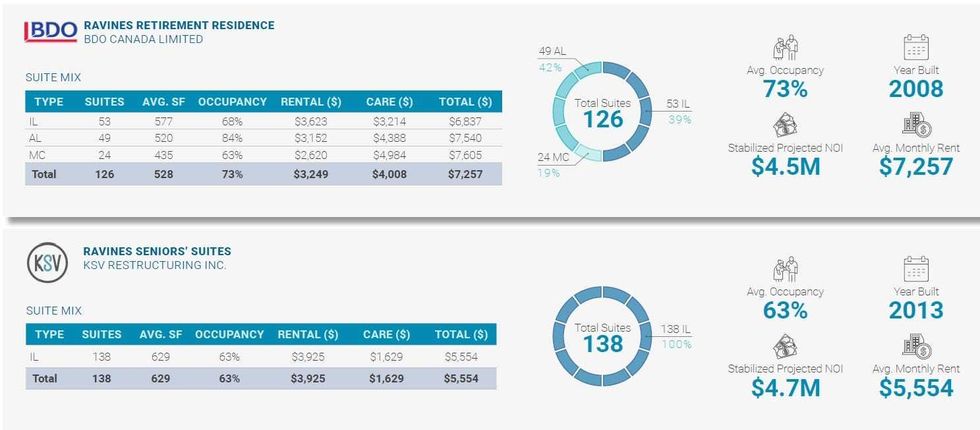 An overview of the two Ravine buildings. (Newmark)






 95 Clegg Road in Markham, Ontario. (Colliers)
 95 Clegg Road (centre) in Markham, Ontario. (Colliers)

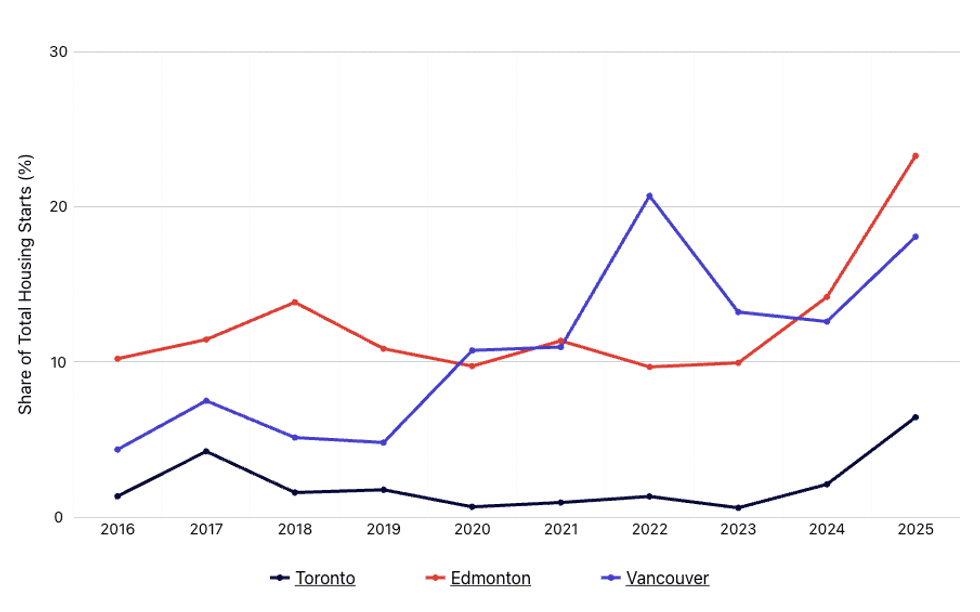 Small-scale infill share of housing starts in Toronto, Vancouver, and Edmonton/CMHC
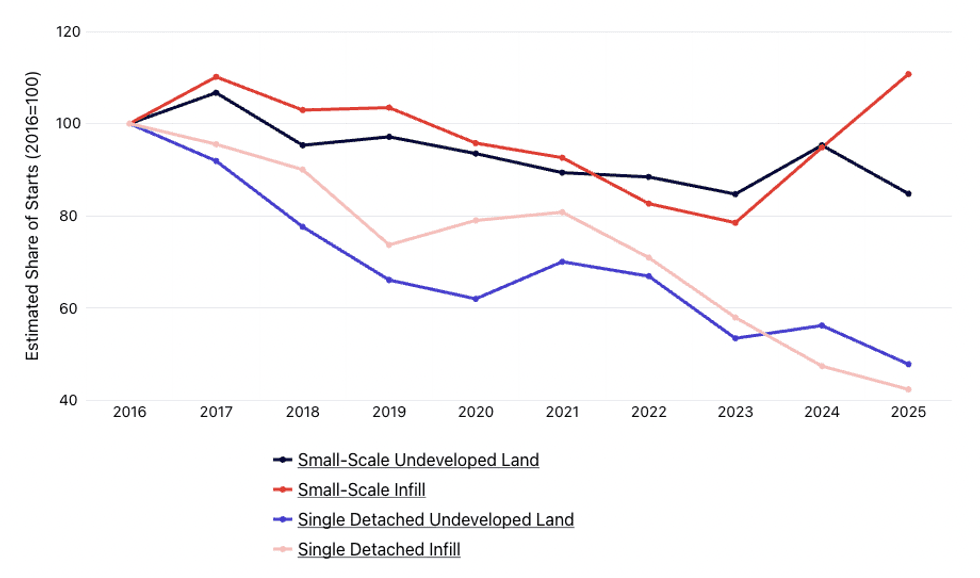 Housing starts for one to eight unit developments/CMHC

 An overview of Hedge Road Landing. (Alliance Homes)
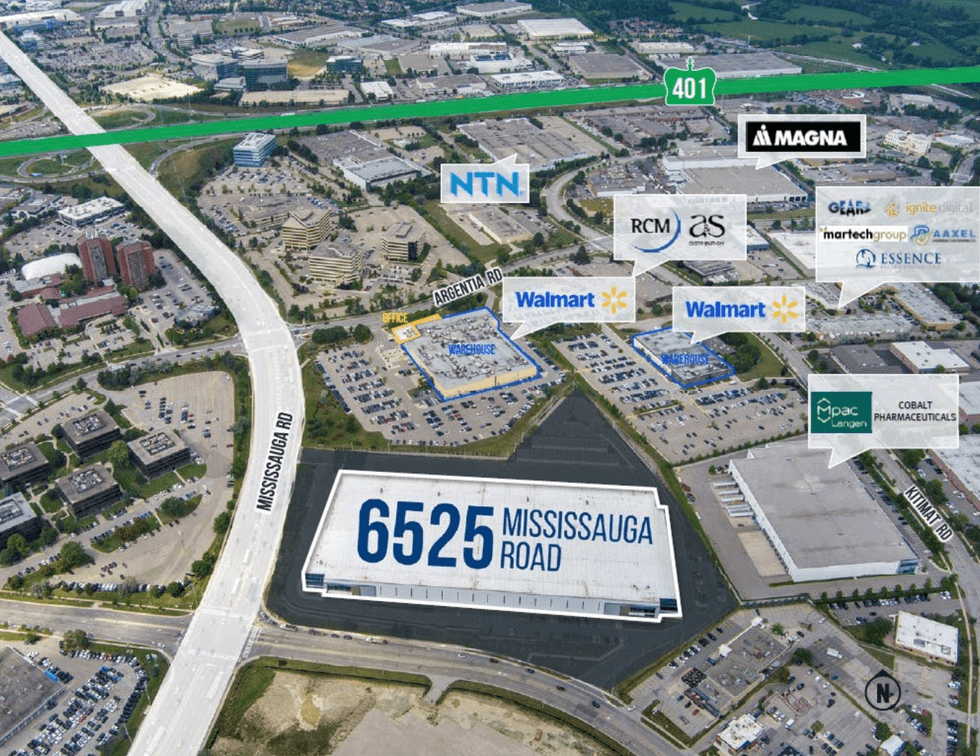 6525 Mississauga Road and its surrounding context. (RBC Capital Markets & CBRE)
 Property details for 6525 Mississauga Road. (RBC Capital Markets & CBRE)