Tenant Improvements
Explore tenant improvements in Canadian commercial real estate — what they include, how they're funded, and their role in lease agreements.

June 27, 2025
What are Tenant Improvements?
Tenant improvements refer to custom modifications or build-outs made to a leased space to suit the tenant’s operational needs, often negotiated as part of a commercial lease agreement.
Why Tenant Improvements Matter in Real Estate
In Canadian commercial real estate, tenant improvements impact lease negotiations, costs, and occupancy timelines.
Typical improvements include:
- Partition walls and interior finishes
- Electrical, plumbing, and HVAC alterations
- Specialized fixtures or signage
Landlords may provide a tenant improvement allowance (TIA) to cover part of the costs. Clear terms help avoid disputes and align expectations.
Understanding tenant improvements helps both tenants and landlords plan financially and logistically.
Example of Tenant Improvements in Action
The landlord offered a tenant improvement allowance to help build out the retail space’s customized display area and lighting.
Key Takeaways
- Modifications to leased space for tenant use
- Negotiated in lease agreements
- May involve landlord allowances
- Impacts costs and timelines
- Requires clear documentation
Related Terms
- Commercial Lease
- Triple Net Lease
- Net Lease
- Property Management
- Tenant Mix

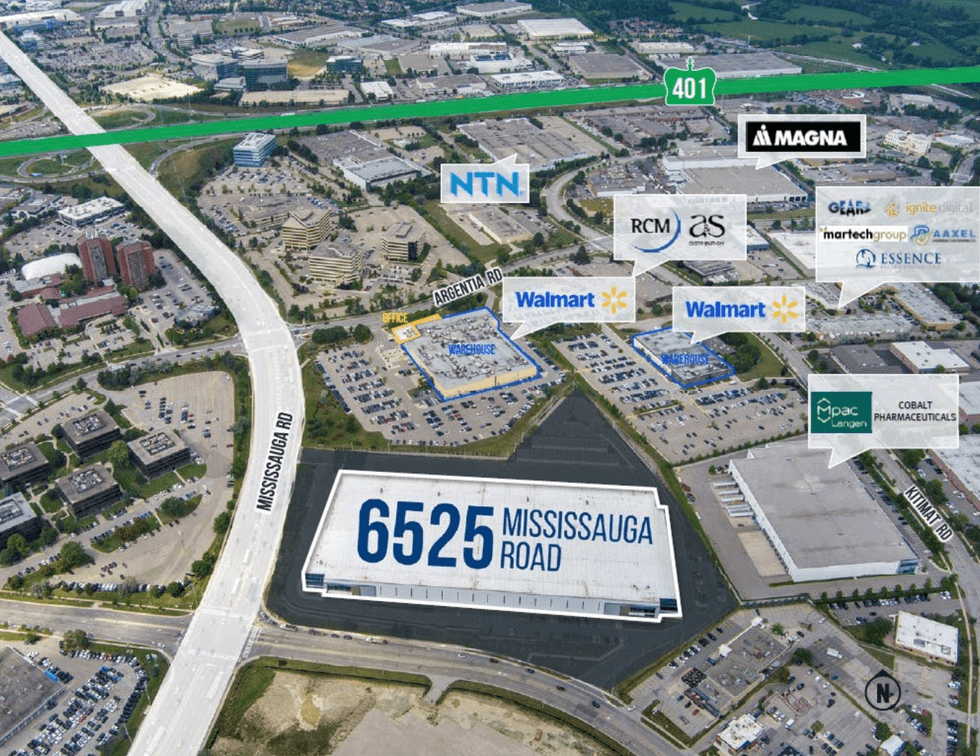 6525 Mississauga Road and its surrounding context. (RBC Capital Markets & CBRE)
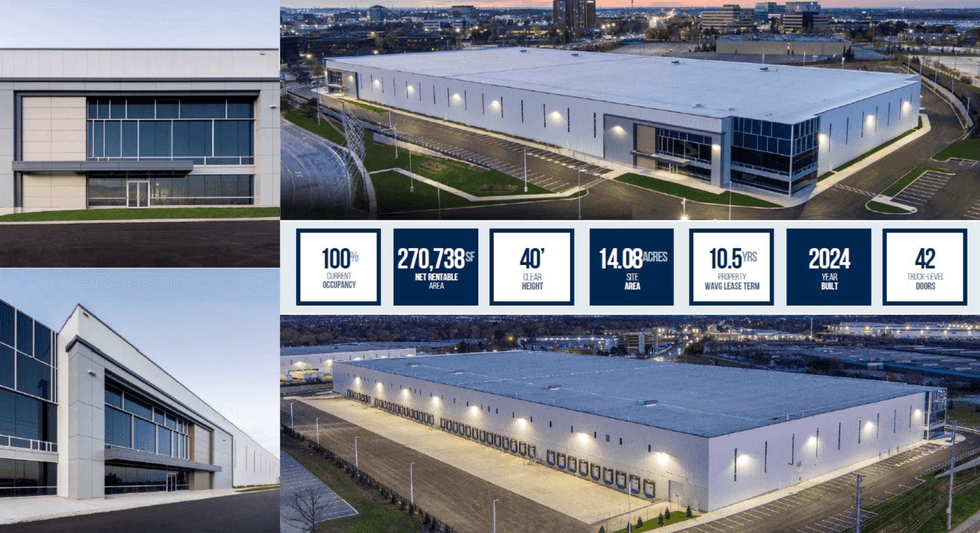 Property details for 6525 Mississauga Road. (RBC Capital Markets & CBRE)
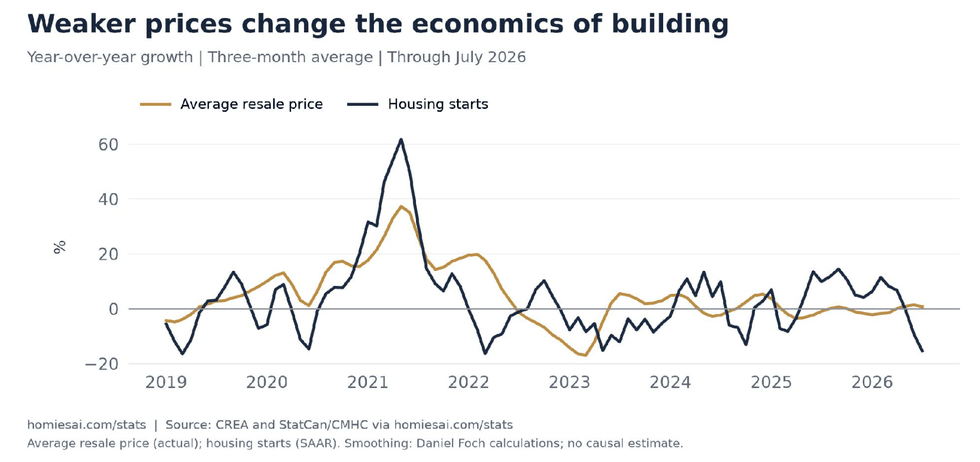 National average resale-price growth and housing-starts growth, smoothed over three months. The comparison illustrates the cycle; it does not establish how much a price change causes construction to change.
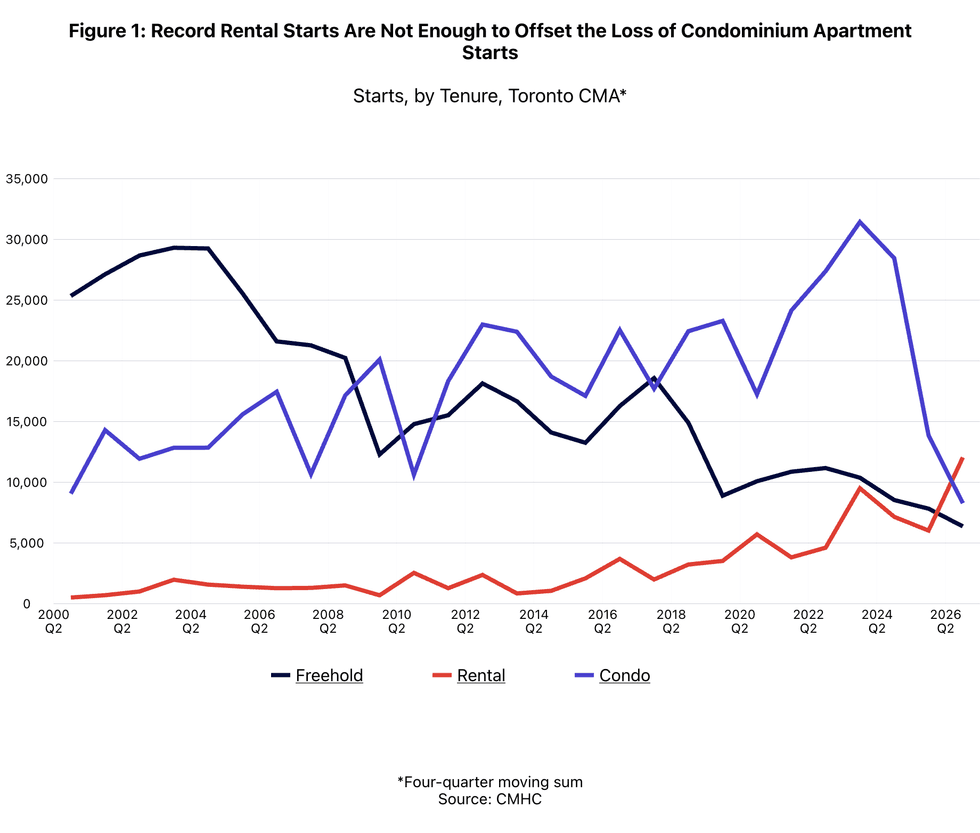
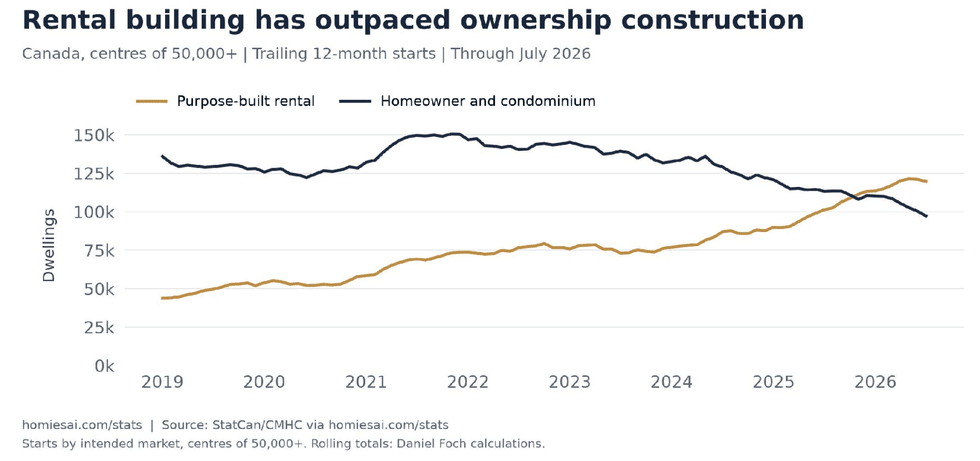 Trailing 12-month starts in centres of 50,000 or more remove the usual monthly seasonality. Ownership combines the homeowner and condominium categories; rental is shown separately.
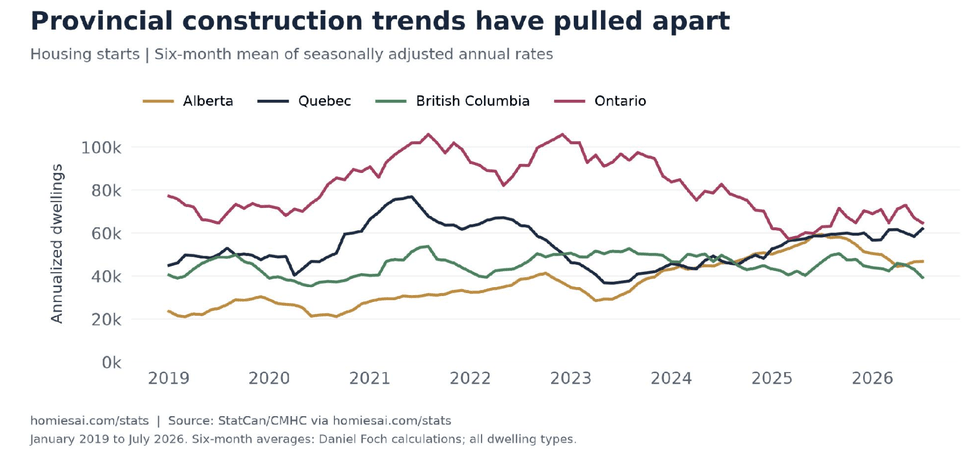 Six-month averages of provincial starts, expressed at annual rates. The smoothing reduces the influence of individual apartment projects.
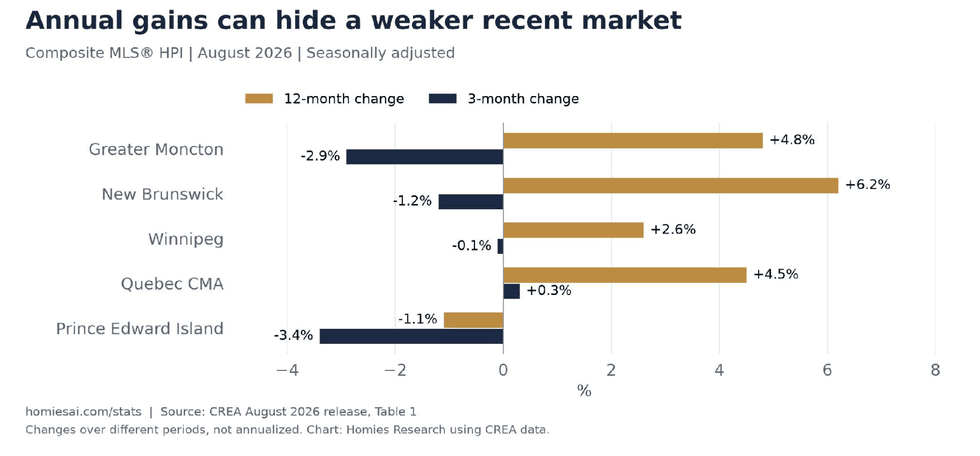 The same August benchmark compared with two different starting points. Three-month changes are not annualized.
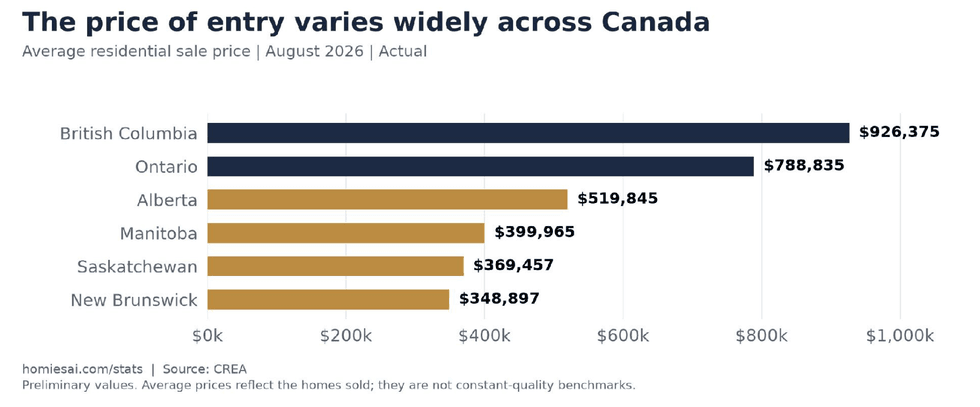 Average sale prices show the difference in purchase costs across markets. They do not measure affordability relative to local incomes or construction costs.
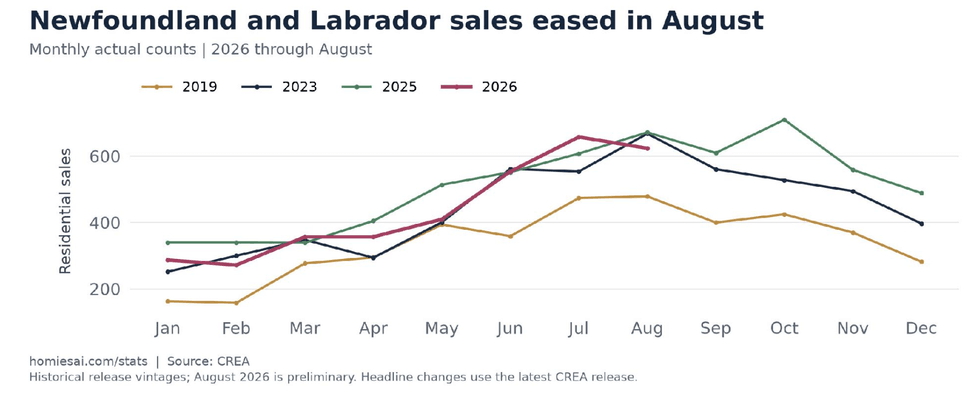 Newfoundland and Labrador remains above its pre-pandemic sales pattern, but August activity was below last year. Historical lines retain their original release vintages.








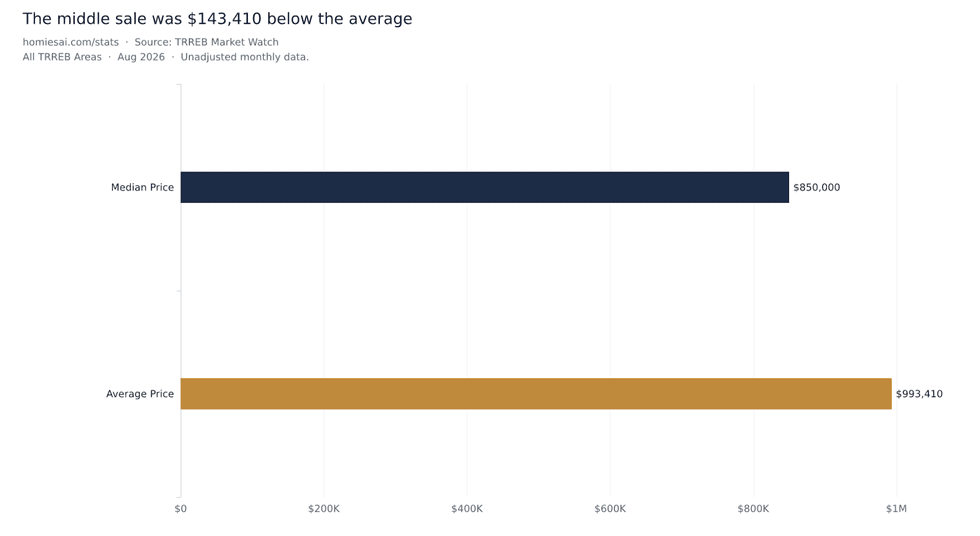 Average and median describe different aspects of the same month’s transactions. Both are affected by the mix of homes sold.
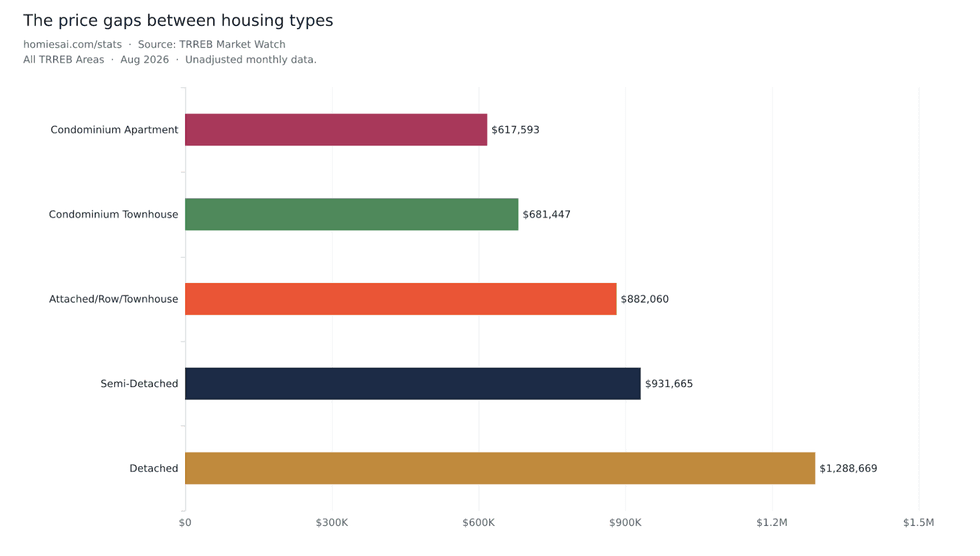 Category averages compare different homes and locations; the gaps are not estimates of the cost to upgrade an otherwise identical property.
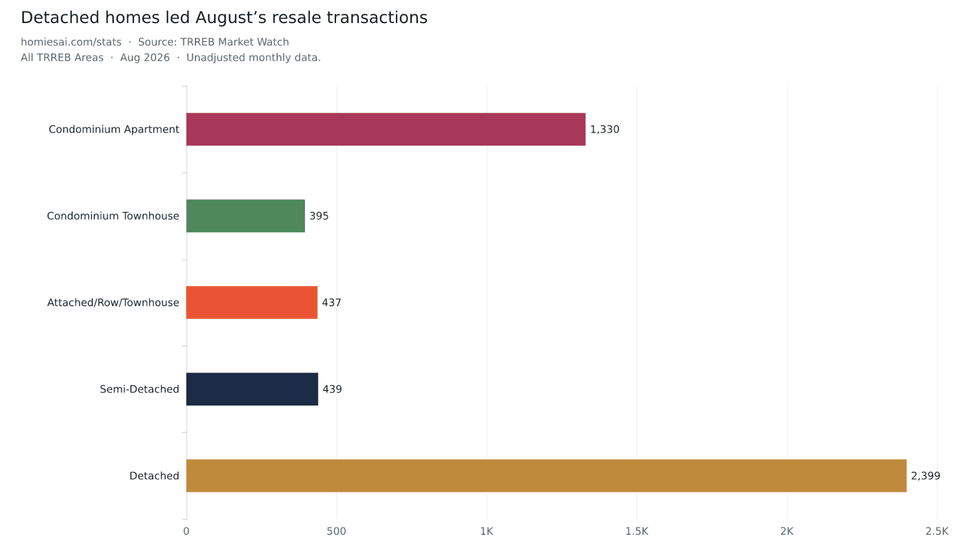 The five categories shown account for 5,000 of the board’s 5,057 sales. The remaining 57 transactions were in other housing categories.
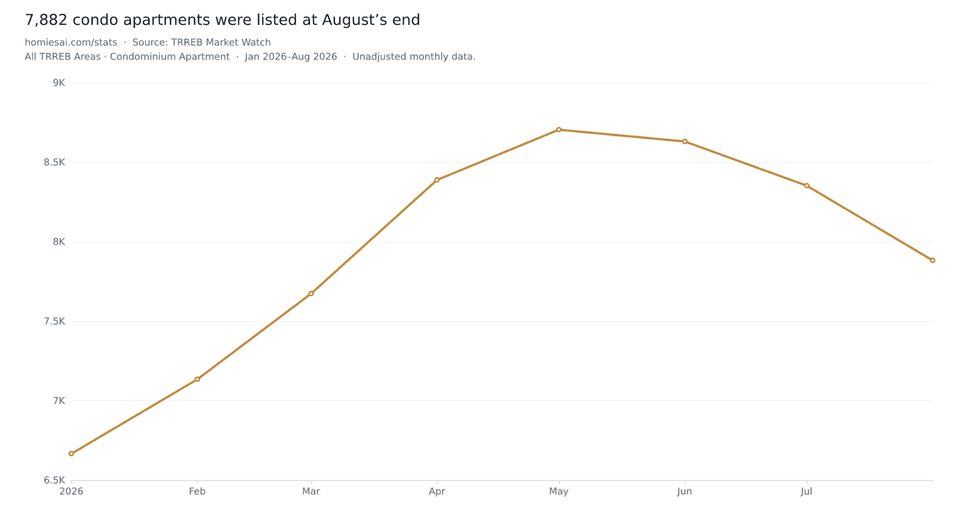 Monthly observations are not seasonally adjusted. Active listings count properties available at month-end; they are not construction inventory.
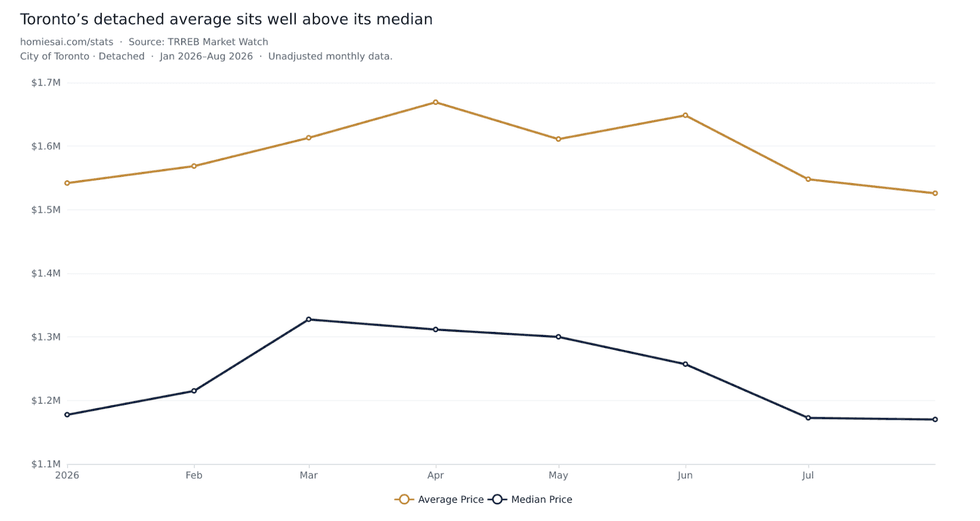 Average and median prices share one dollar axis. These unadjusted transaction measures do not control for changes in the homes sold.
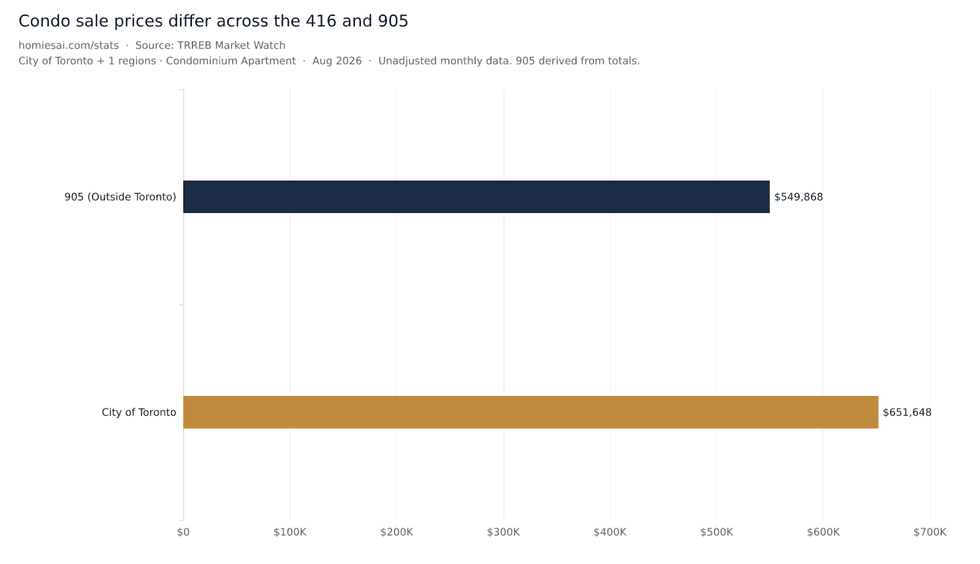 TRREB’s 416/905 categories compare the apartments sold in each area. The difference does not isolate a location premium for equivalent units.

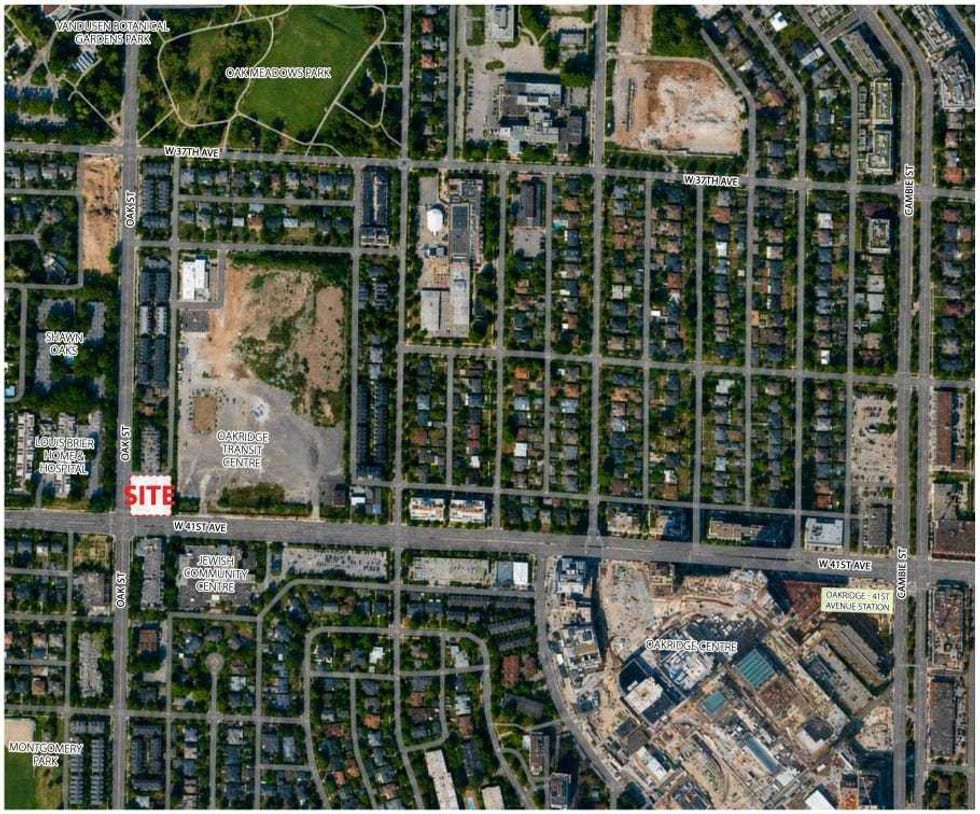 5680 Oak Street in Vancouver and its surrounding context. (MCMP Architects)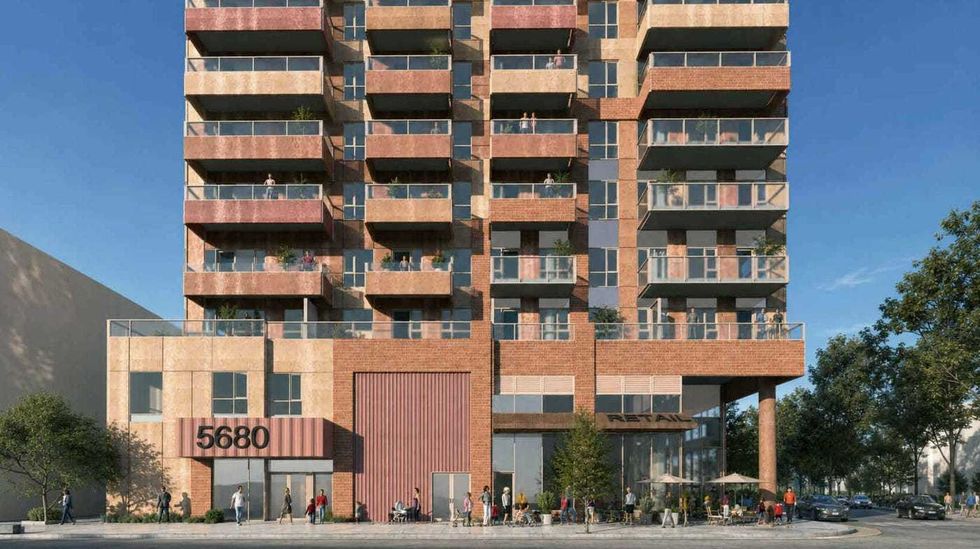
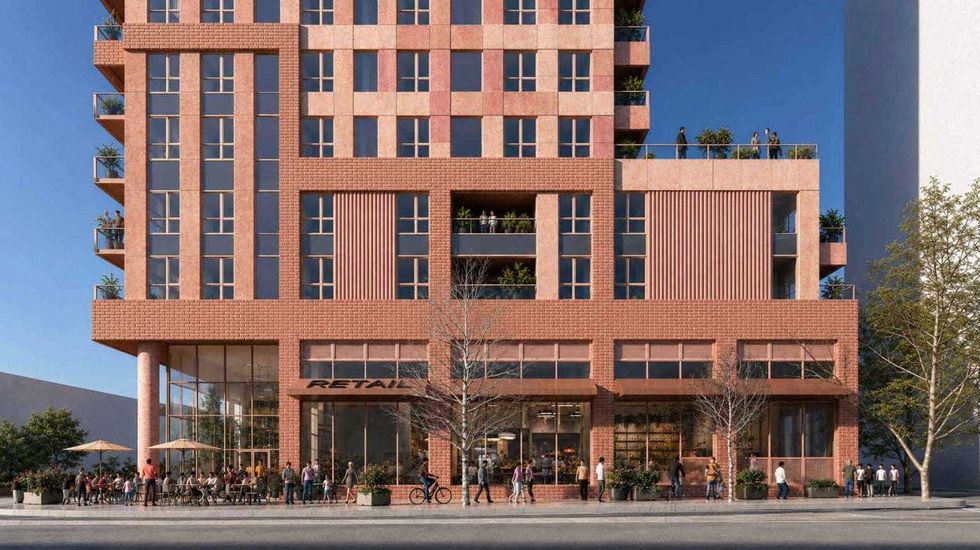 Ground-level renderings of the tower proposed for 5680 Oak Street in Vancouver. (MCMP Architects)