Property Value
Explore how property value is determined in Canadian real estate, what influences it, and how it’s used in buying, selling, and financing decisions.

May 30, 2025
What is Property Value?
Property value refers to the estimated monetary worth of a real estate asset based on market conditions, location, features, and comparable sales.
Why Property Value Matters in Real Estate
In Canadian real estate, property value influences buying and selling prices, mortgage lending, taxation, and investment analysis.
Factors affecting property value include:
- Recent comparable sales (comps)
- Condition, upgrades, and lot size
- Local market trends and interest rates
- School zones, transit access, and amenities
Property value may differ depending on context: assessed value (for taxes), appraised value (for financing), and market value (what a buyer will pay).
Understanding property value helps buyers negotiate, sellers price competitively, and investors evaluate returns.
Example of Property Value
A seller lists their home at $850,000 based on an appraisal and recent comparable sales, reflecting the property’s current market value.
Key Takeaways
- Reflects what a property is worth.
- Varies by market, condition, and purpose.
- Used in lending, pricing, and taxation.
- Can differ from assessed or appraised values.
- Key to all real estate decisions.
Related Terms
- Appraisal
- Market Value
- Assessed Value
- Depreciation
- Comparable Market Analysis (CMA)

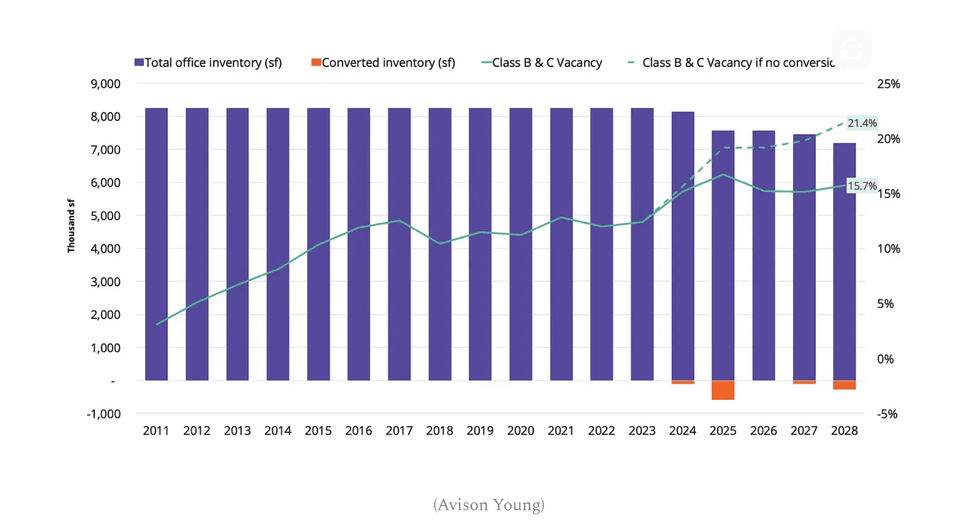 (Avison Young)
 The Mason Suite Interior (Infinity Properties)
 The Mason Suite Interior (Infinity Properties)
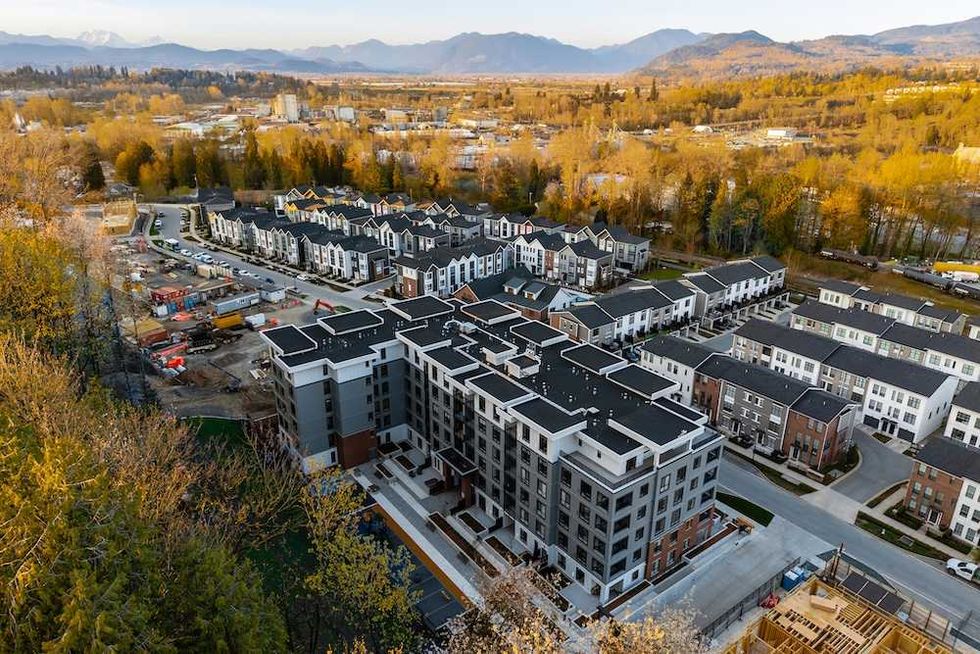 Rail District aerial (Infinity Properties)
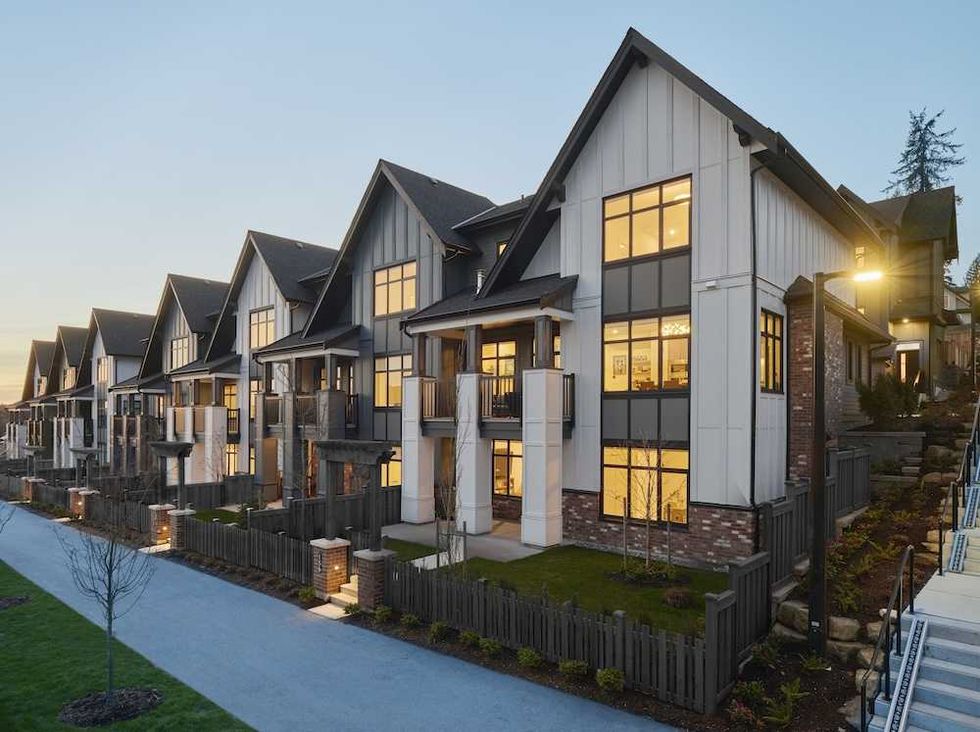 Versant (Infinity Properties)








 Narrow Fourplex (City of Toronto)
 Wide Sixplex - Side View (City of Toronto)
 Centre Block and its surrounding context. (Stantec-Revery, SCDC)
 The 12-storey Phase One of Centre Block. (Stantec-Revery, SCDC)
 The 12-storey Phase One of Centre Block. (Stantec-Revery, SCDC)
 Mondria One, set for 1607 King Street East in Clarington, Ontario. (ICON Architects Inc., Monde Development Group)