Property Title Search
Discover what a property title search is in Canadian real estate — how it protects buyers and ensures legal, lien-free ownership.

June 27, 2025
What is Property Title Search?
A property title search is a legal review of public records to verify ownership, liens, easements, and other encumbrances on a property.
Why Property Title Searches Matter in Real Estate
In Canadian real estate, a title search ensures that the seller has clear title and reveals any legal issues that could affect the transaction.
A title search typically checks for:
- Ownership records and chain of title
- Registered mortgages and liens
- Easements and rights-of-way
- Legal description and boundaries
Title searches are usually conducted by a lawyer or notary during the closing process.
Understanding title searches protects buyers from hidden claims and supports secure, legal property transfers.
Example of a Property Title Search in Action
The lawyer performed a property title search that uncovered an unpaid lien, which was resolved before closing.
Key Takeaways
- Confirms ownership and legal status of property
- Reveals liens, easements, and restrictions
- Essential for secure property transfer
- Performed during due diligence
- Supports clean title and insurability
Related Terms
- Title Insurance
- Deed
- Easement
- Property Disclosure Statement
- Legal Title
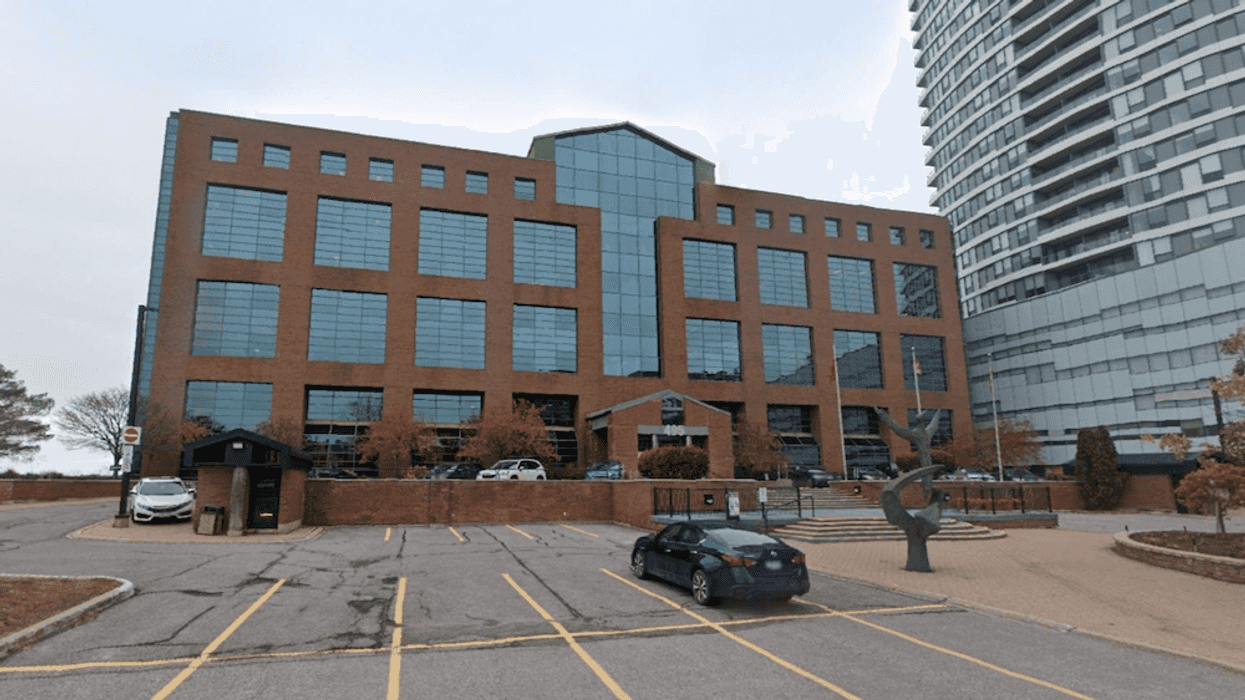
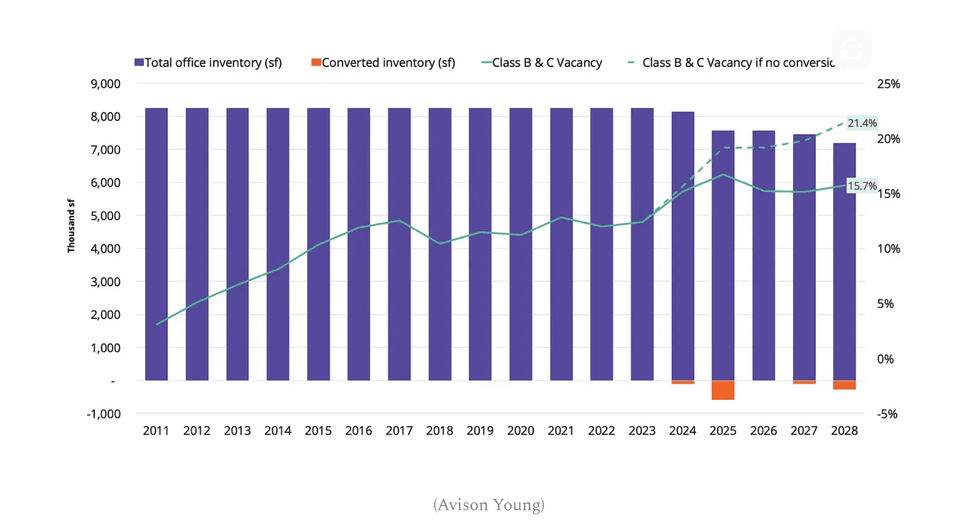 (Avison Young)
 The Mason Suite Interior (Infinity Properties)
 The Mason Suite Interior (Infinity Properties)
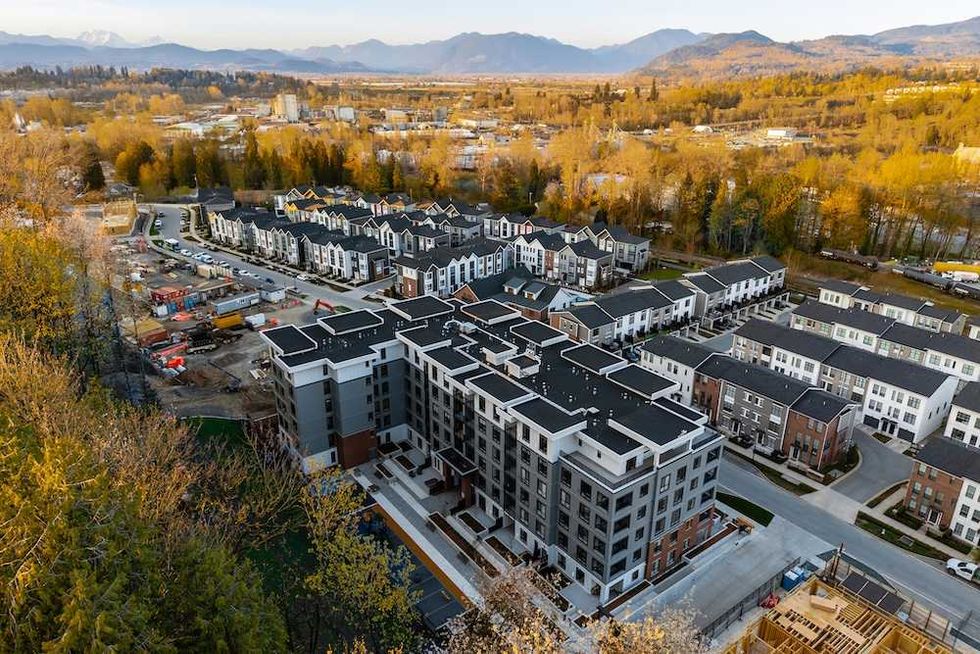 Rail District aerial (Infinity Properties)
 Versant (Infinity Properties)








 Narrow Fourplex (City of Toronto)
 Wide Sixplex - Side View (City of Toronto)
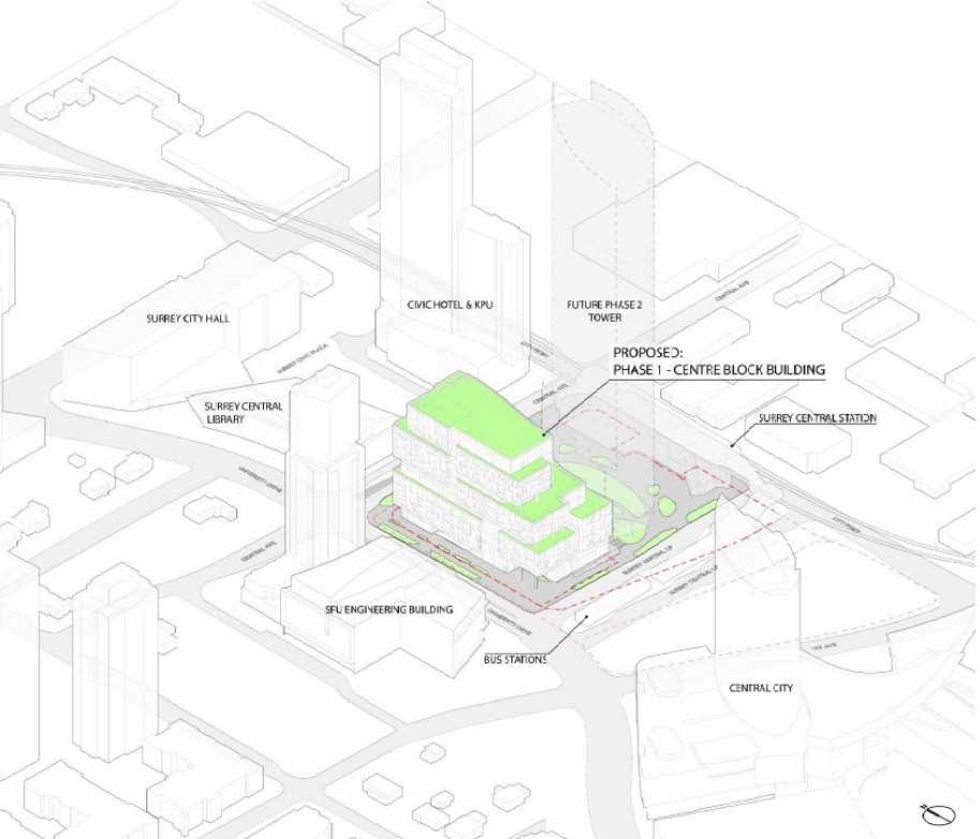 Centre Block and its surrounding context. (Stantec-Revery, SCDC)
 The 12-storey Phase One of Centre Block. (Stantec-Revery, SCDC)
 The 12-storey Phase One of Centre Block. (Stantec-Revery, SCDC)
 Mondria One, set for 1607 King Street East in Clarington, Ontario. (ICON Architects Inc., Monde Development Group)