Power of Attorney for Property
A Power of Attorney for Property authorizes someone to manage real estate and financial matters on behalf of the owner.

September 30, 2025
What is Power of Attorney for Property?
A Power of Attorney for Property is a legal document that authorizes another person (the attorney) to make financial and property-related decisions on behalf of the grantor. It may be limited or continuing, depending on the scope granted.
Why Power of Attorney for Property Matters in Real Estate
This matters in real estate because it allows property transactions to proceed if the owner is unavailable or incapacitated. It ensures continuity in managing property and financial affairs.
Example of Power of Attorney for Property in Action
An elderly homeowner grants their child Power of Attorney for Property, enabling the child to sell the family home and manage proceeds on their behalf.
Key Takeaways
- Authorizes another person to manage property decisions.
- Can be limited or continuing in scope.
- Useful if owner is unavailable or incapacitated.
- Common tool in estate and incapacity planning.
- Must be executed with legal formality to be valid.
Related Terms
- Estate Planning
- Probate
- Trust
- Property Transfer
- Legal Authority
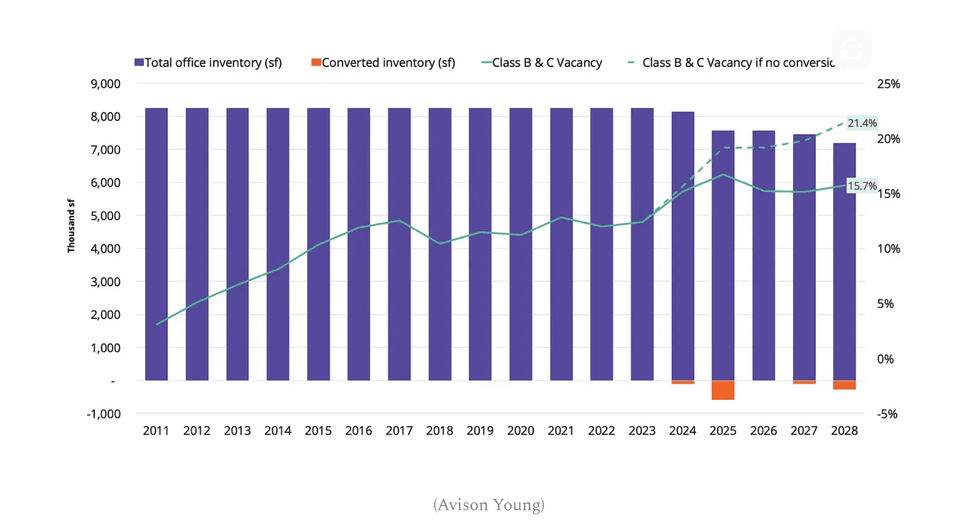 (Avison Young)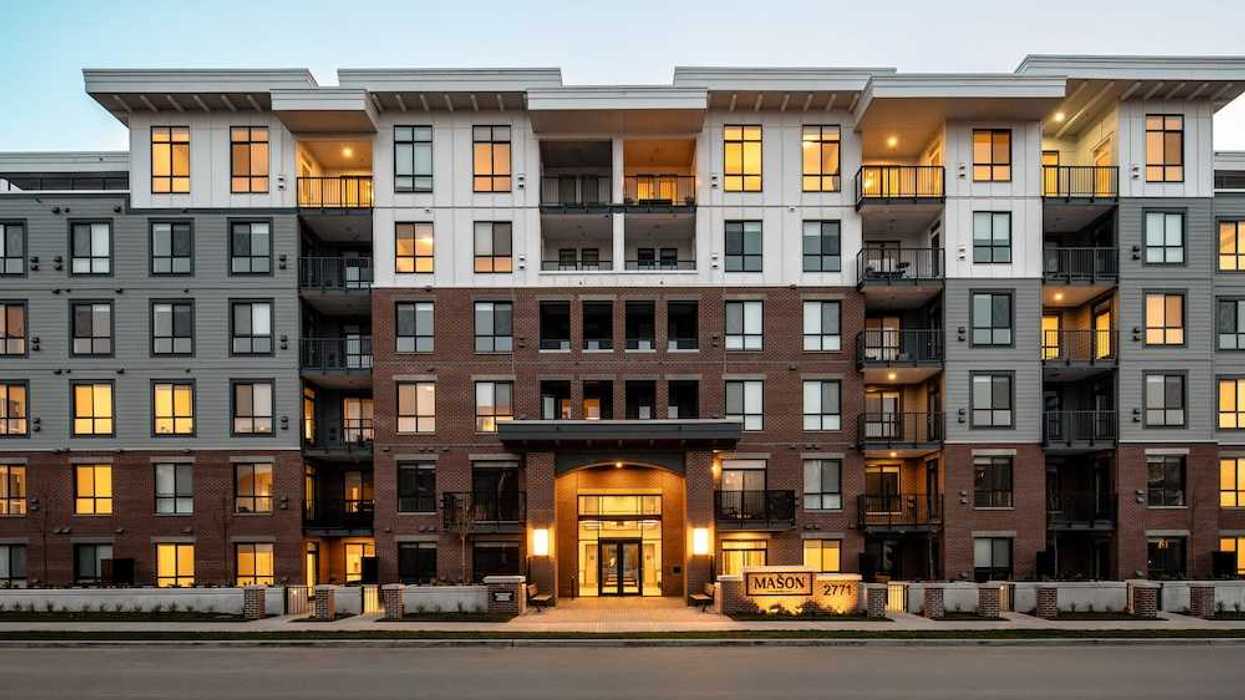
 The Mason Suite Interior (Infinity Properties)
 The Mason Suite Interior (Infinity Properties)
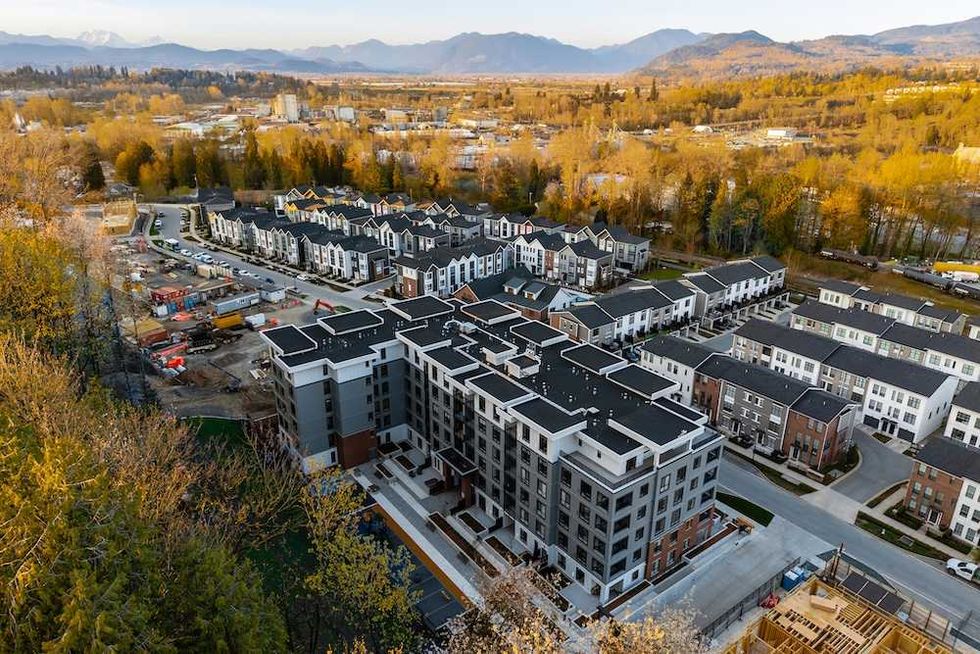 Rail District aerial (Infinity Properties)
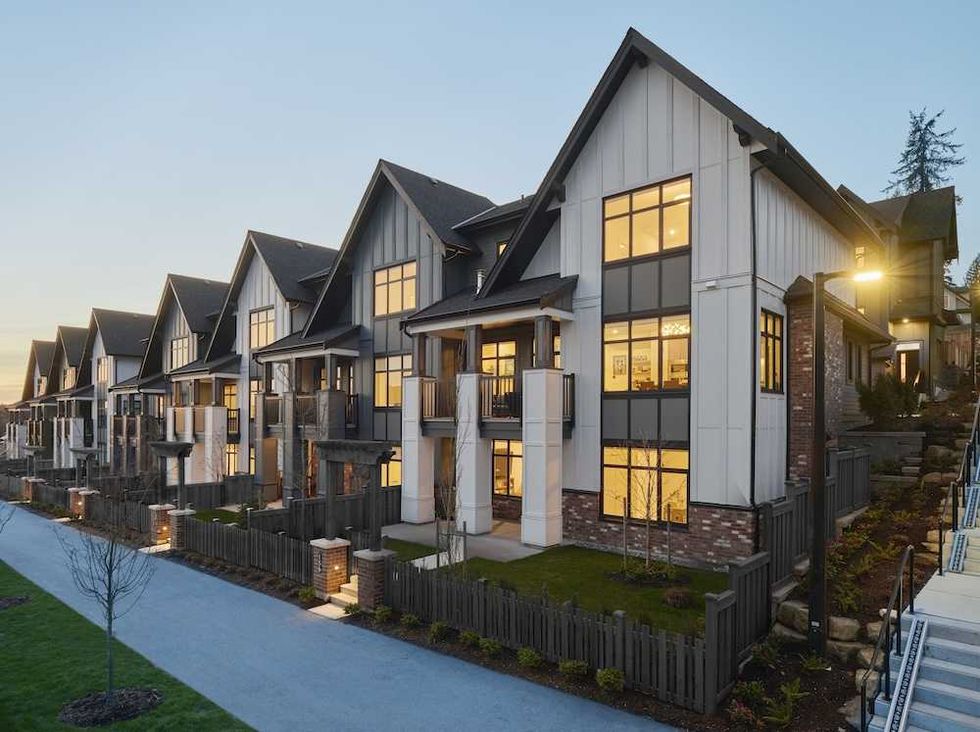 Versant (Infinity Properties)






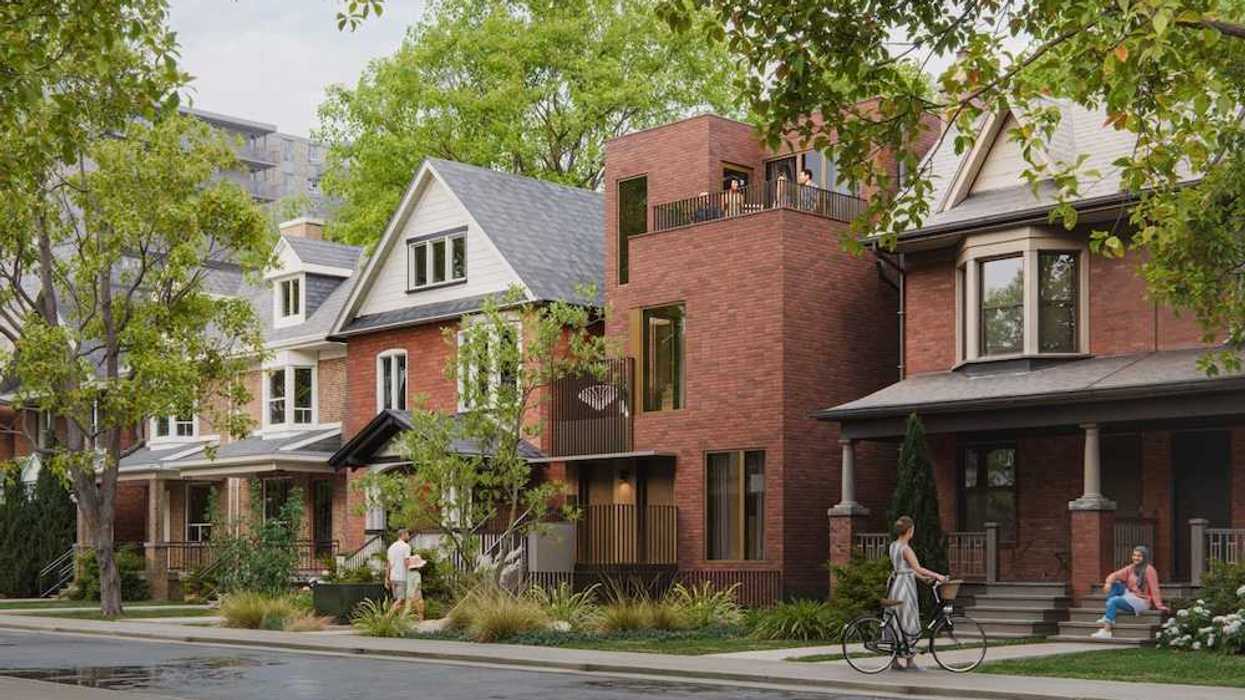
 Narrow Fourplex (City of Toronto)
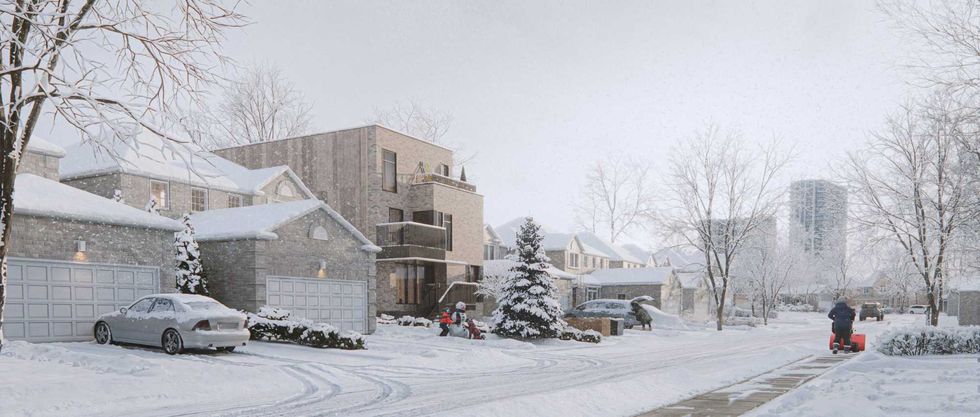 Wide Sixplex - Side View (City of Toronto)
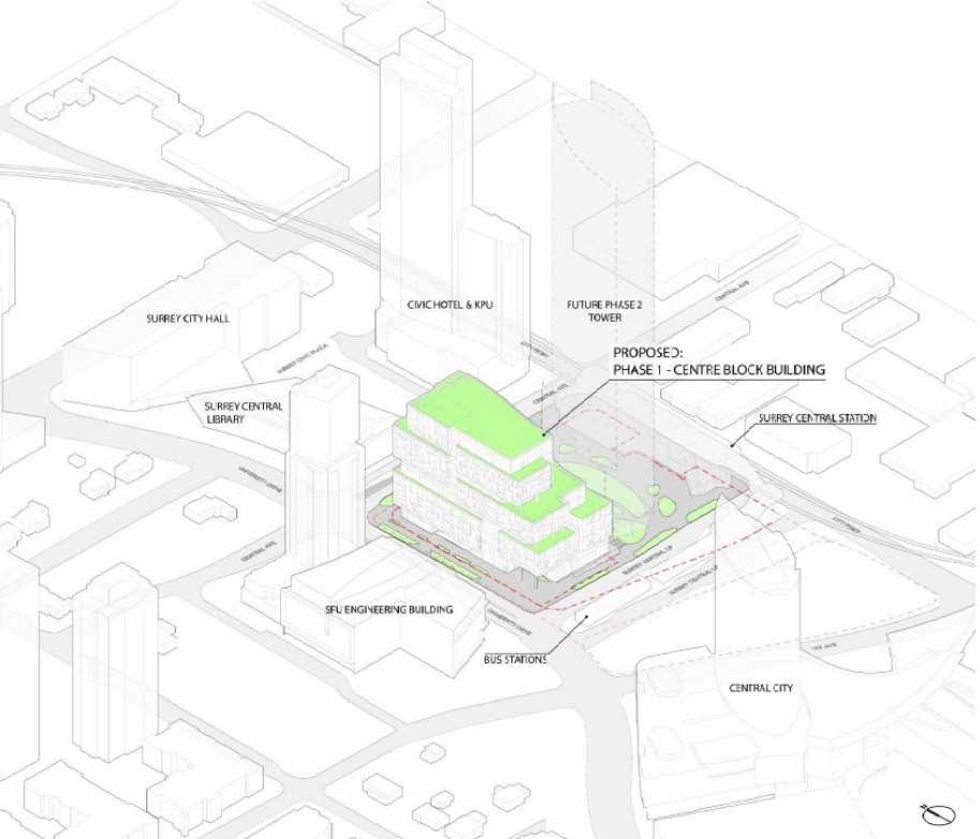 Centre Block and its surrounding context. (Stantec-Revery, SCDC)
 The 12-storey Phase One of Centre Block. (Stantec-Revery, SCDC)
 The 12-storey Phase One of Centre Block. (Stantec-Revery, SCDC)
 Mondria One, set for 1607 King Street East in Clarington, Ontario. (ICON Architects Inc., Monde Development Group)