Personal Property Security Act
Learn about the Personal Property Security Act (PPSA) in Canada — what it is, how it works, and its role in securing interests in personal property.
August 01, 2025
What is the Personal Property Security Act?
The Personal Property Security Act (PPSA) is provincial legislation in Canada that governs the creation, registration, and enforcement of security interests in personal property.
Why the Personal Property Security Act Matters in Real Estate
In Canadian real estate and lending, the PPSA ensures transparency and priority when lenders take security over personal property, including equipment or fixtures.
Key points:
- Establishes a central registry for security interests
- Determines priority among multiple creditors
- Applies to movable property and fixtures
Understanding the PPSA helps lenders, borrowers, and buyers manage risk and verify ownership rights.
Example of the Personal Property Security Act in Action
The lender registered a security interest under the Personal Property Security Act to secure financing for the restaurant's equipment.
Key Takeaways
- Governs security interests in personal property
- Ensures creditor priority and transparency
- Includes a public registry of interests
- Applies to movable property and fixtures
- Critical for lending and asset transfers
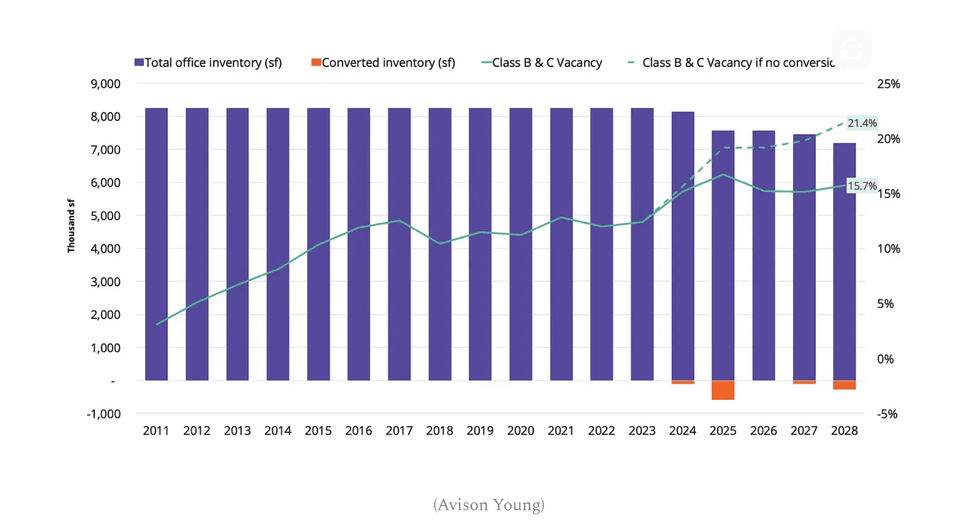 (Avison Young)
 The Mason Suite Interior (Infinity Properties)
 The Mason Suite Interior (Infinity Properties)
 Rail District aerial (Infinity Properties)
 Versant (Infinity Properties)







 Narrow Fourplex (City of Toronto)
 Wide Sixplex - Side View (City of Toronto)
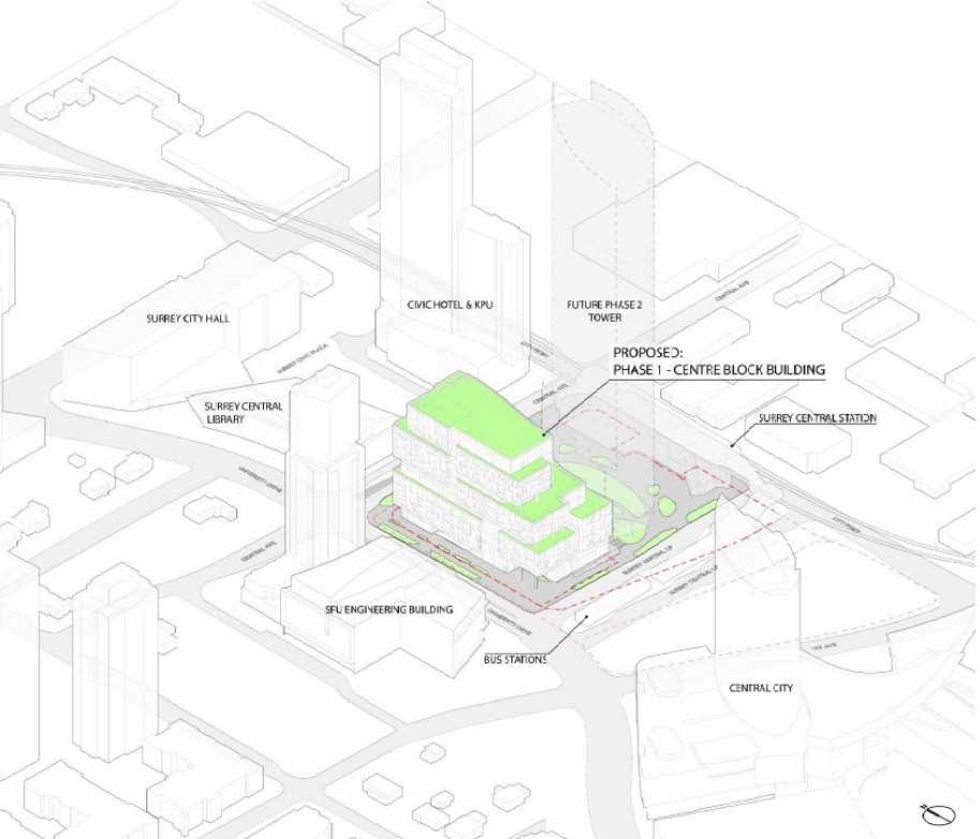 Centre Block and its surrounding context. (Stantec-Revery, SCDC)
 The 12-storey Phase One of Centre Block. (Stantec-Revery, SCDC)
 The 12-storey Phase One of Centre Block. (Stantec-Revery, SCDC)
 Mondria One, set for 1607 King Street East in Clarington, Ontario. (ICON Architects Inc., Monde Development Group)