Payment Schedule
Understand mortgage payment schedules in Canadian real estate, how frequency affects interest costs, amortization, and cash flow planning.

May 30, 2025
What is a Payment Schedule?
A payment schedule is the frequency and timing of mortgage payments agreed upon between a borrower and lender.
Why Does a Payment Schedule Matter in Real Estate?
In Canadian real estate, mortgage payments can be made on a variety of schedules, which affect interest paid and how quickly the loan is paid down.
Common payment frequencies include:
- Monthly
- Bi-weekly (standard or accelerated)
- Weekly (standard or accelerated)
Accelerated options lead to faster amortization and less total interest. Borrowers can choose a schedule that aligns with their cash flow and budget.
Understanding payment schedules he
Example of a Payment Schedule in Action
A homeowner selects an accelerated bi-weekly payment schedule, reducing their 25-year amortization by several years and saving on interest.
Key Takeaways
- Defines how often mortgage payments are made.
- Impacts interest and loan duration.
- Includes monthly, bi-weekly, and weekly options.
- Accelerated options reduce interest.
- Important for budgeting and repayment planning.
Related Terms
- Amortization
- Mortgage Term
- Interest Rate
- Prepayment Penalty
- Mortgage Application
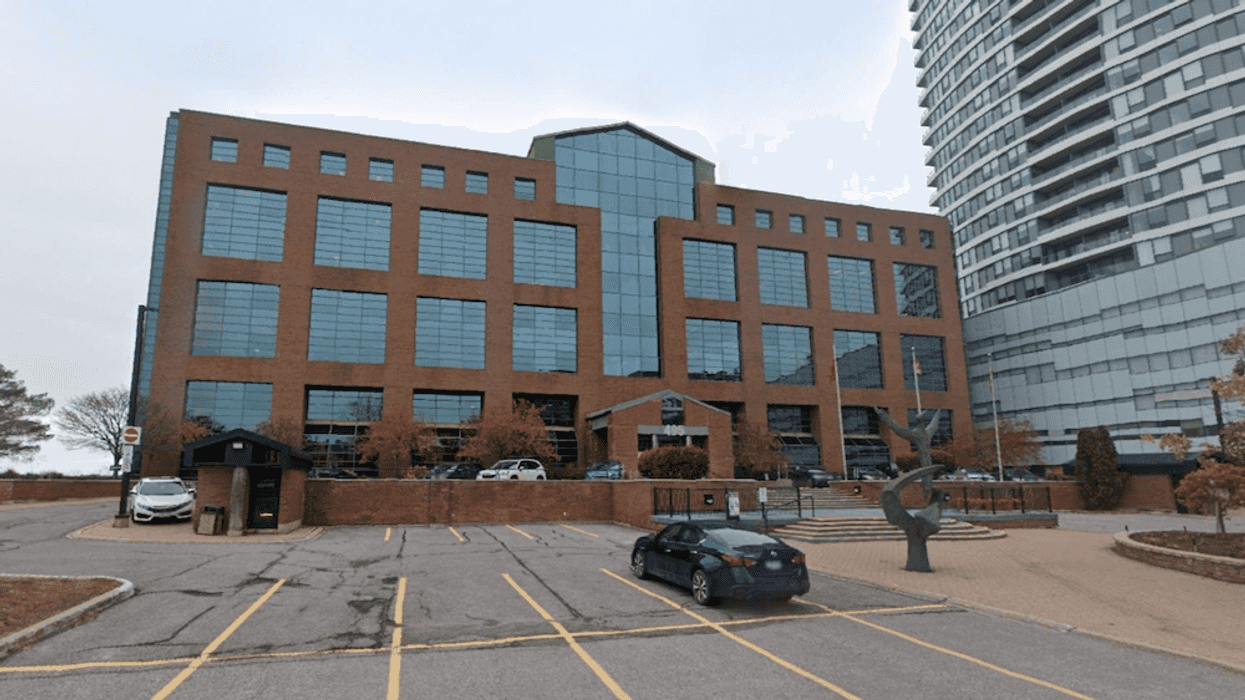
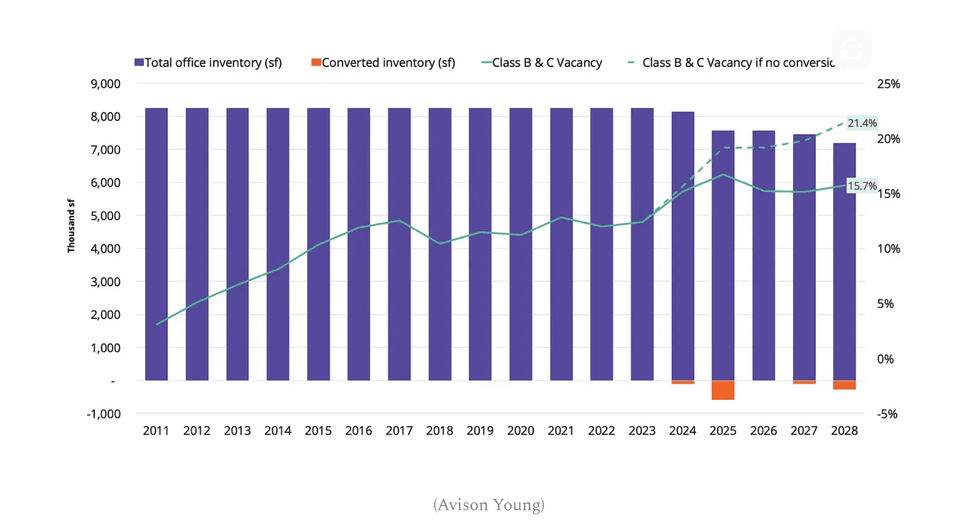 (Avison Young)
 The Mason Suite Interior (Infinity Properties)
 The Mason Suite Interior (Infinity Properties)
 Rail District aerial (Infinity Properties)
 Versant (Infinity Properties)







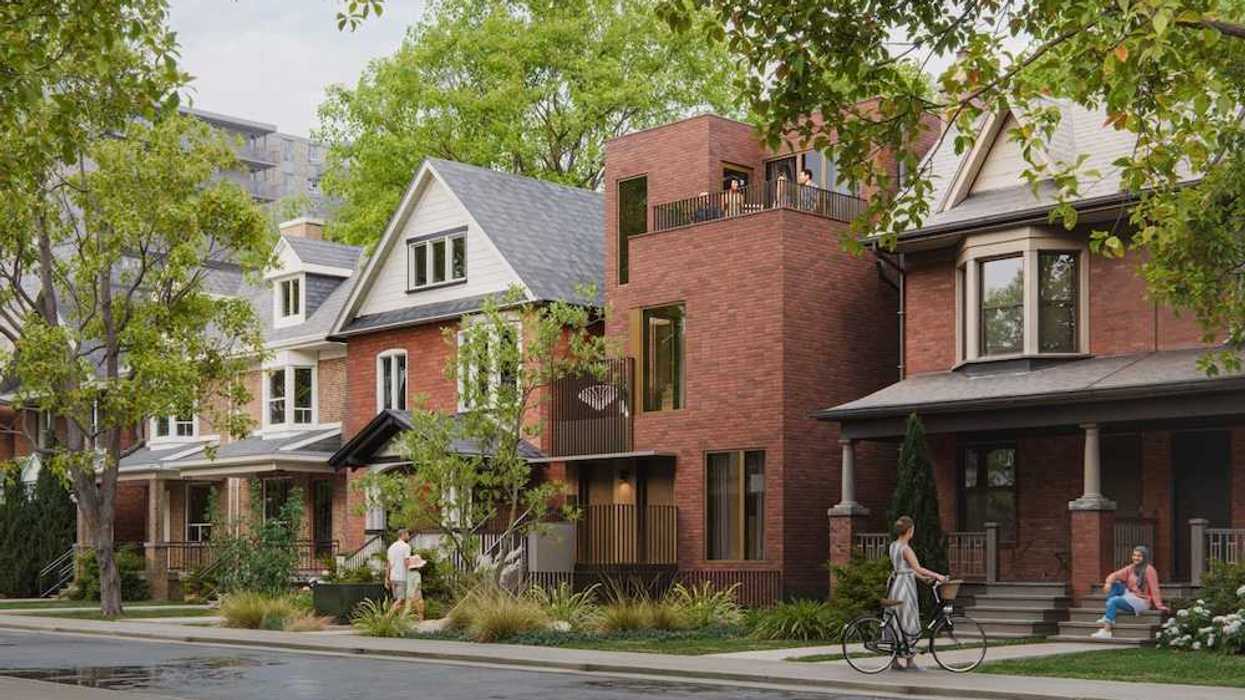
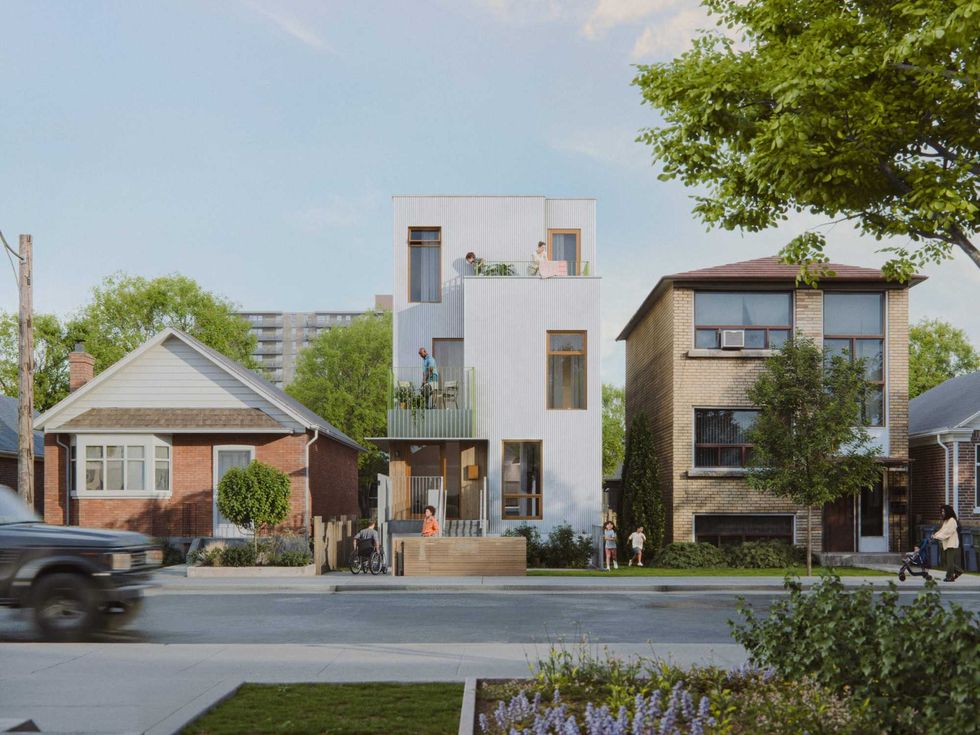 Narrow Fourplex (City of Toronto)
 Wide Sixplex - Side View (City of Toronto)
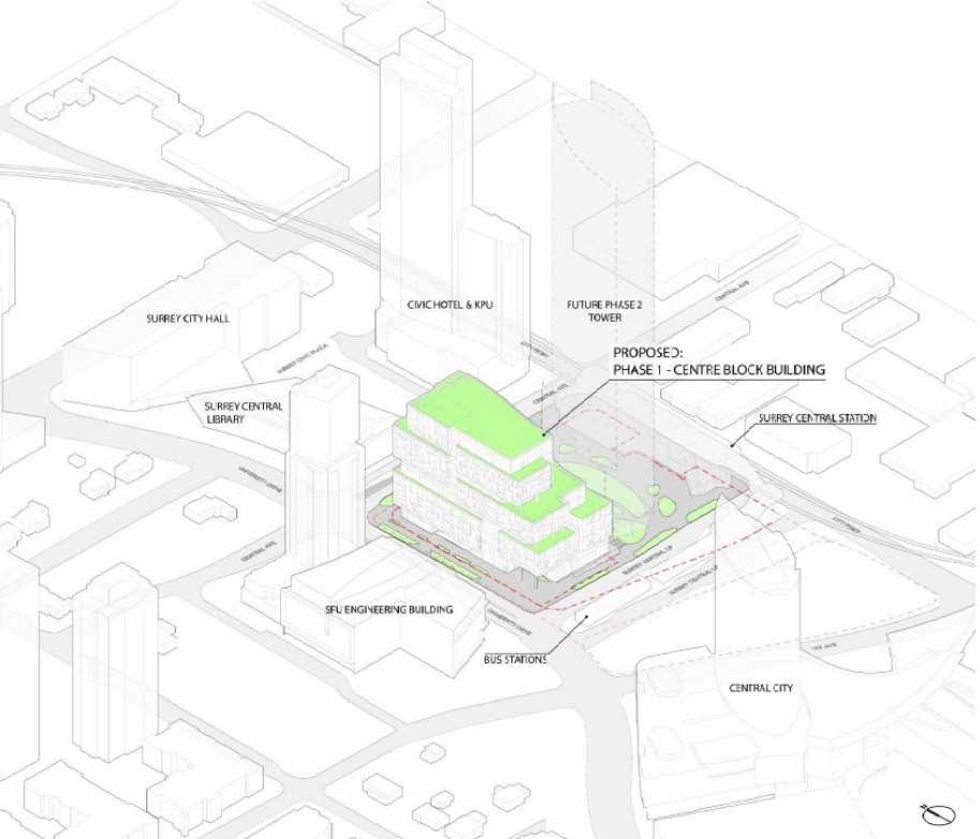 Centre Block and its surrounding context. (Stantec-Revery, SCDC)
 The 12-storey Phase One of Centre Block. (Stantec-Revery, SCDC)
 The 12-storey Phase One of Centre Block. (Stantec-Revery, SCDC)
 Mondria One, set for 1607 King Street East in Clarington, Ontario. (ICON Architects Inc., Monde Development Group)