Operating Costs

Explore operating costs in Canadian real estate: what they include, how they’re passed to tenants, and how they impact profitability and valuation.

Operating Costs


What are Operating Costs?

Operating costs are the recurring expenses associated with owning and managing a property, including taxes, insurance, utilities, repairs, and property management fees.

Why Operating Costs Matter in Real Estate

In Canadian real estate, operating costs influence rent levels, investment returns, and budgeting for both commercial and residential properties.


Typical operating costs include:
  • Property taxes
  • Building insurance
  • Utilities (heat, water, electricity)
  • Maintenance and repairs
  • Management fees


In commercial leases, these costs are often passed through to tenants in full or in part, depending on lease structure (e.g., triple net or gross).


Understanding operating costs helps buyers, tenants, and landlords accurately project cash flow and value properties effectively.

Example of Operating Costs in Action

The landlord includes snow removal and building insurance in the operating costs billed back to the retail tenant under their net lease.

Key Takeaways

  • Includes recurring property-related expenses
  • Affects profitability and tenant charges
  • Varies by lease type and property use
  • Must be factored into financial planning
  • Important for both owners and tenants

Related Terms

Additional Terms

Public Realm Improvements

Public realm improvements are enhancements to public spaces such as sidewalks, parks, plazas, and streetscapes, often funded or contributed by. more

Mortgagee in Possession

A mortgagee in possession is a lender who takes control of a property after borrower default, but before foreclosure or power of sale. The lender. more

Lease Surrender Agreement

A lease surrender agreement is a negotiated contract between a landlord and tenant that ends a lease before its scheduled expiration. Terms may. more

Green Infrastructure

Green infrastructure refers to natural or engineered systems that manage stormwater, reduce heat, and improve sustainability in developments.. more

Escrow Holdback

An escrow holdback is a portion of funds withheld at closing and held in escrow until specific conditions are met, such as completion of repairs,. more

Underused Housing Tax

The Underused Housing Tax (UHT) is a federal annual 1% tax on the value of vacant or underused residential property owned by non-resident,. more

More For You

Carney, Ford Announce $8.8B Deal To Cut Ont​ario Development Charges By Up To 50%

Prime Minister Mark Carney and Ontario Premier Doug Ford have announced a new federal-provincial housing partnership with development charge reductions and HST cuts at its core — a move the governments say will help lower the cost of a new Ontario home by up to $200,000.

At the centre of the agreement is a joint $8.8 billion commitment over 10 years, with the federal government and Ontario cost-matching funding for housing-enabling infrastructure. That investment is designed to support reductions to municipal development charges of up to 50%, with the reductions set to remain in place for three years. The targeted municipalities collectively cover approximately 80% of Ontario's population. Municipalities will also be expected to contribute to the reductions, with the province working alongside them to identify and advance infrastructure projects.

Keep ReadingShow less
GTA New Home Sales Tick Higher As HST Cut Sets Stage For Recovery: BILD

New home sales in the Greater Toronto Area showed marginal improvement in February 2026, though activity continued to track well below historical norms, according to the newest from the Building Industry and Land Development Association (BILD).

There were 531 new homes sold across the GTA last month, up 16% from February 2025 but still 76% below the 10-year average of 2,251 units for the month, based on data from Altus Group, BILD's official source for new home market intelligence.

Keep ReadingShow less
Canadian Commercial Real Estate Is Warming Up To AI, But Slowly

Toronto office buildings

Increased efficiency and reduced costs.

That is what AI promises the commercial real estate industry. And it’s a tantalizing promise, but despite the big buzz around big tech, a recent report shows uptake of AI solutions in the commercial segment has been underwhelming.

Keep ReadingShow less
Meet The Agent: Daniel Kim, Sotheby's International Realty Canada

Welcome to Meet the Agent, an ongoing series profiling real estate agents from across Canada. With more than 150,000 agents, brokers, and salespeople working in 75 different boards and associations across the country, we thought it was about time they had a place to properly introduce themselves.

If you or someone you know deserves the same chance, email agents@storeys.com to apply.

Keep ReadingShow less
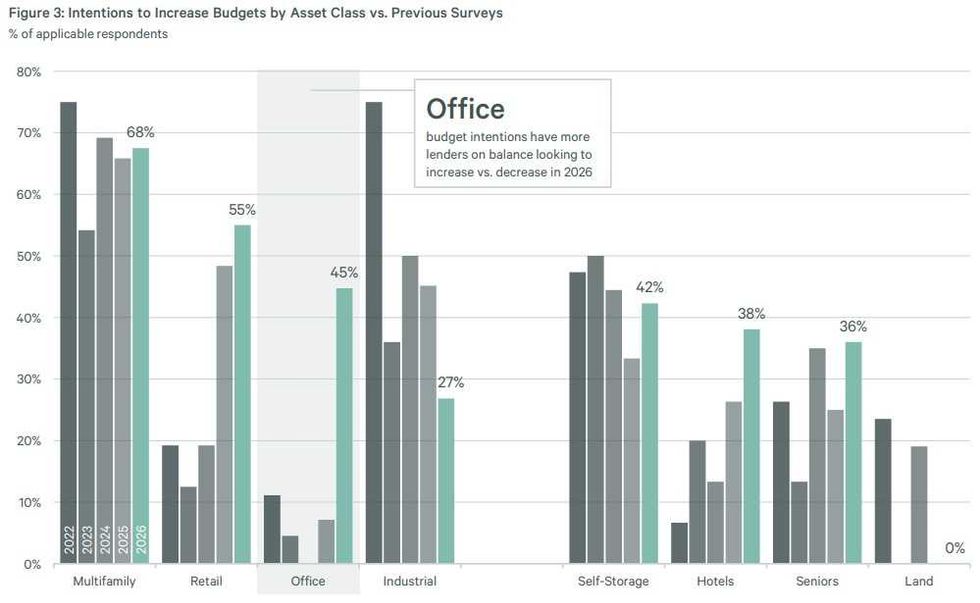
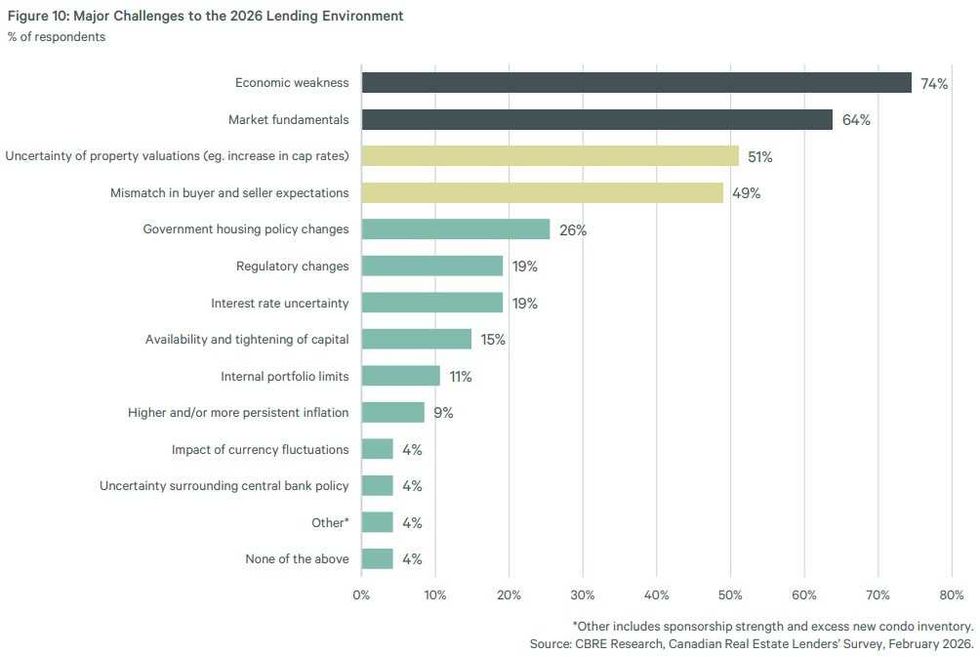
How Lenders See Canada's 2026 Commercial Real Estate Market

You can have a development proposal for a beautiful building, or a financially-viable affordable rental project, or a sprawling transit-oriented mixed-use community, but you can’t do anything without support from lenders. So, knowing what lenders are thinking can go a long way.

Every year, CBRE Canada publishes an annual real estate lenders report, with this year’s survey — conducted between December 10 and January 16 — including 47 companies with an aggregate total of over $200 billion in loans under management. Lenders include domestic banks, private capital, foreign banks, pension funds, insurance companies, and credit unions.

Keep ReadingShow less
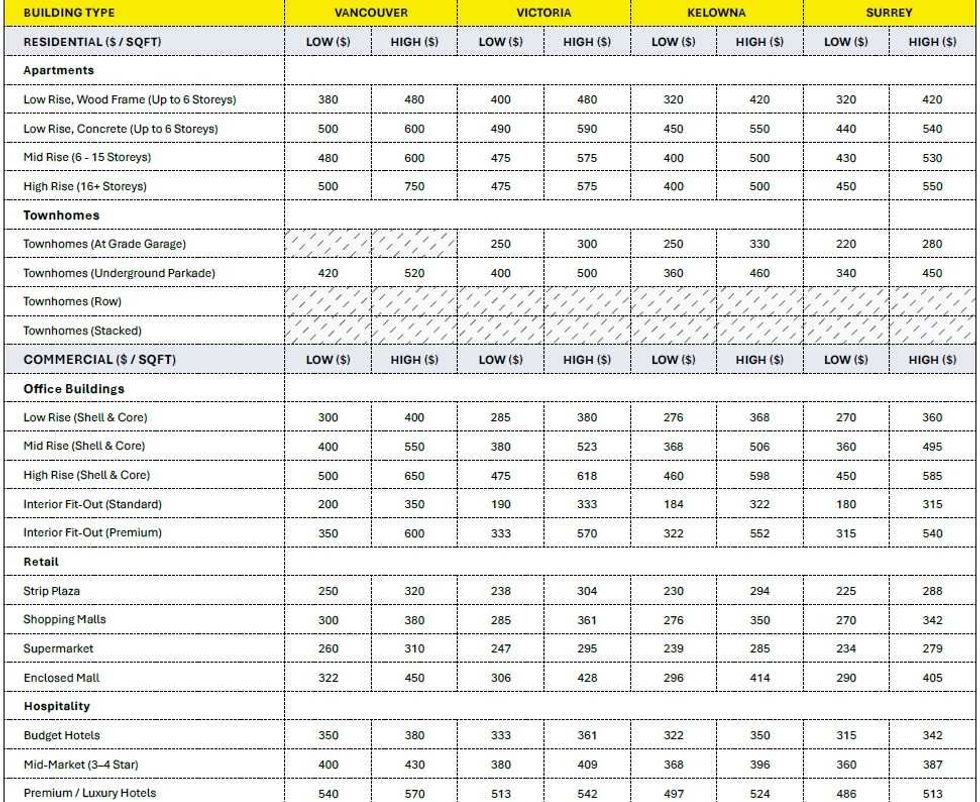
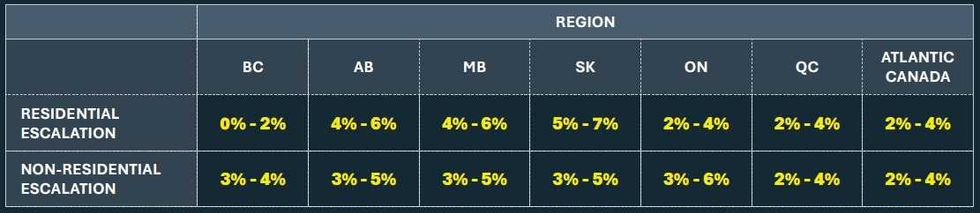
Construction Costs Stabilized In 2025, Expected To Align With Inflation In 2026

Between ongoing demand shifts, immigration policy tweaks, and threats of tariffs, 2025 was a temperamental year for the Canadian construction sector to say the least. But 2026 may bring some stability, according to an annual report published earlier this month by construction consultancy firm BTY Group.

“Construction activity at the beginning of the year maintained the momentum seen at the tail end of 2024, but metrics shifted after tariffs were announced and implemented early in the year,” said BTY Group. “Population growth also slowed dramatically which widened existing demand gaps for residential construction, most notably in British Columbia and Ontario. Activity picked up from Q2 to Q3 however, as tariff impacts were better understood and cost escalation was mostly in line with general inflation.”

Keep ReadingShow less
Bank Of Canada Holds Interest Rate Steady In Second 2026 Decision

The Bank of Canada left its overnight rate at 2.25% on Wednesday — as many of the nation's banks had predicted — keeping borrowing costs steady as global and domestic developments continue to shape the economic outlook.

Volatility has spiked since the outbreak of conflict in the Middle East, with oil and natural gas prices rising sharply, and financial markets tightening.

Keep ReadingShow less
Where Every Big Bank Stands On Tomorrow’s Interest Rate Announcement
Bank of Canada/X

After a month hiatus, another Bank of Canada (BoC) interest rate announcement is scheduled for tomorrow morning — Wednesday, March 18. We’re going into this decision with a policy rate of 2.25% after two consecutive holds at the December and January 2025 announcements.

“Governing Council judges the current policy rate remains appropriate, conditional on the economy evolving broadly in line with the outlook we published today,” the BoC said in a statement in January. “However, uncertainty is heightened and we are monitoring risks closely. If the outlook changes, we are prepared to respond.”

Keep ReadingShow less