Mortgage Broker Fee
Understand mortgage broker fees in Canadian real estate — how they work, who pays them, and what borrowers should know about costs and disclosure.

May 22, 2025
What is a Mortgage Broker Fee?
A mortgage broker fee is the compensation paid to a mortgage broker for arranging financing between a borrower and a lender.
Why Mortgage Broker Fees Matter in Real Estate
In Canadian real estate, brokers help buyers access multiple lenders and mortgage products. Fees vary based on the broker’s business model, the type of loan, and lender commission policies.
Key facts about broker fees:- Often paid by the lender for standard residential deals
- May be charged to the borrower for private or complex financing
- Disclosed upfront in a broker fee agreement
Buyers should clarify whether they’ll pay any fees before proceeding. Brokers must follow provincial licensing and disclosure regulations.
Understanding mortgage broker fees helps buyers evaluate the cost of service and compare it with the value of broader lender access.
Example of Mortgage Broker Fees in Action
A borrower using a mortgage broker to secure a private loan pays a 1% fee at closing, as outlined in the broker agreement.
Key Takeaways
- Compensation for broker services.
- May be paid by lender or borrower.
- Common in private or complex deals.
- Must be disclosed in writing.
- Regulated by provincial authorities.
Related Terms
- Mortgage Qualification
- Private Lending
- Broker Disclosure
- Financing Prequalification
- Lender Guidelines
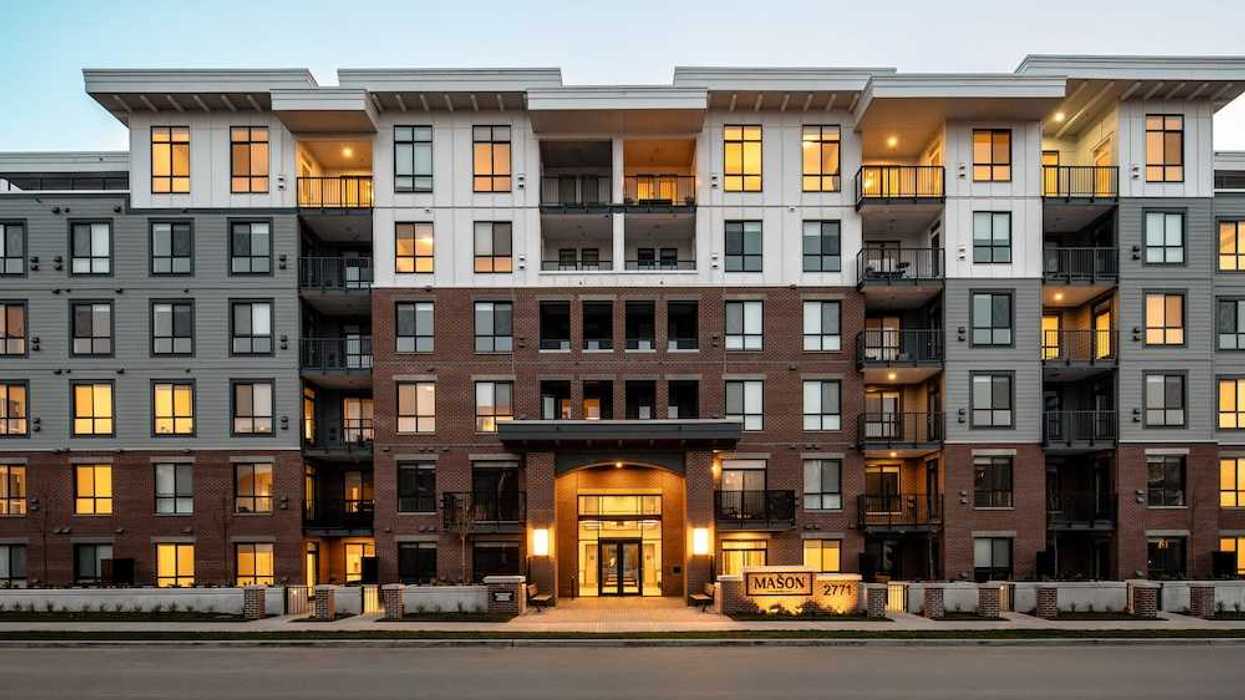
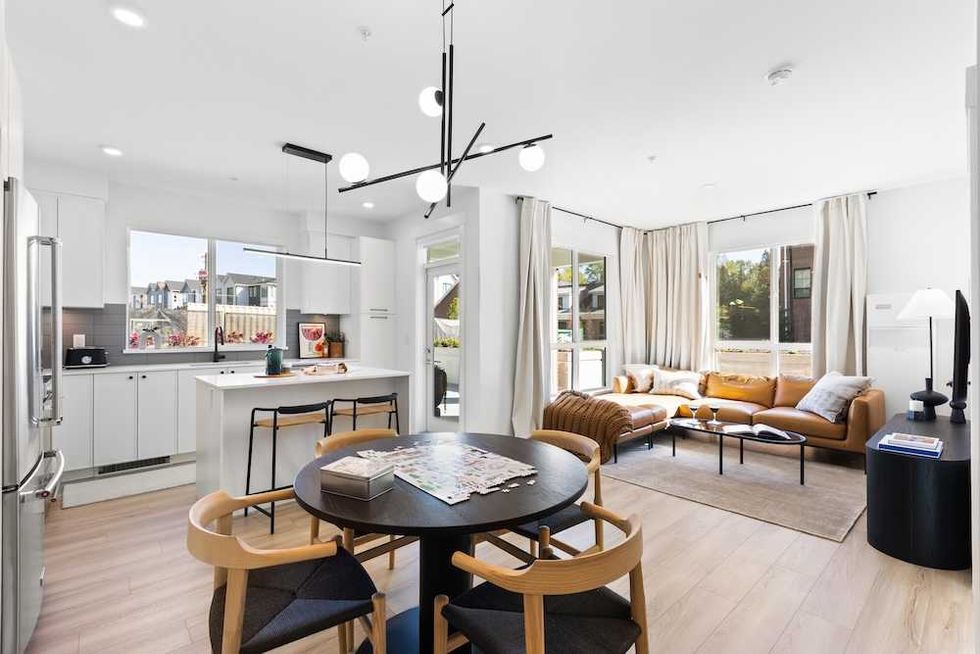 The Mason Suite Interior (Infinity Properties)
 The Mason Suite Interior (Infinity Properties)
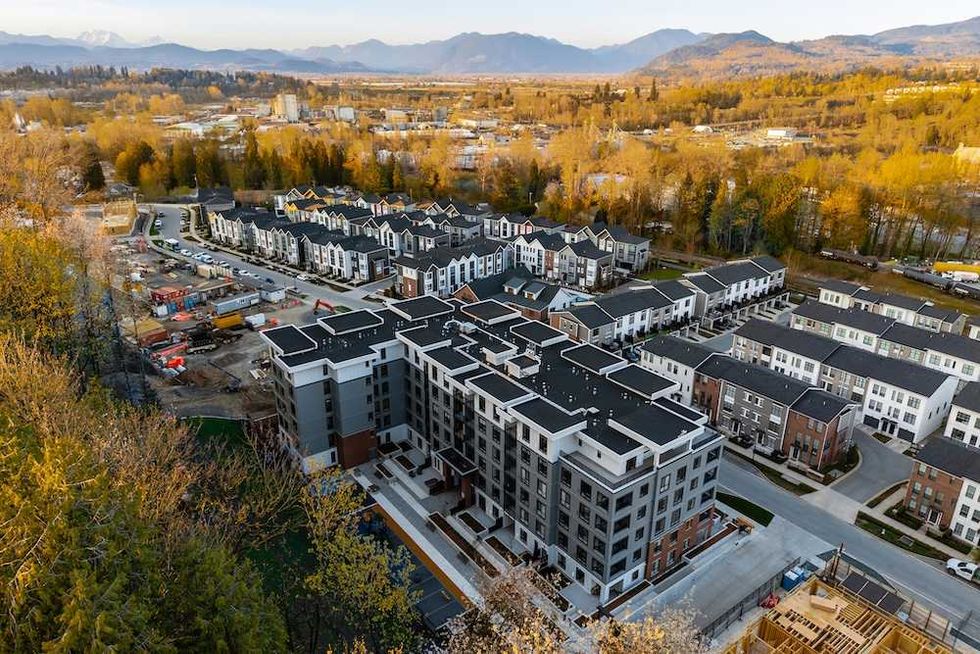 Rail District aerial (Infinity Properties)
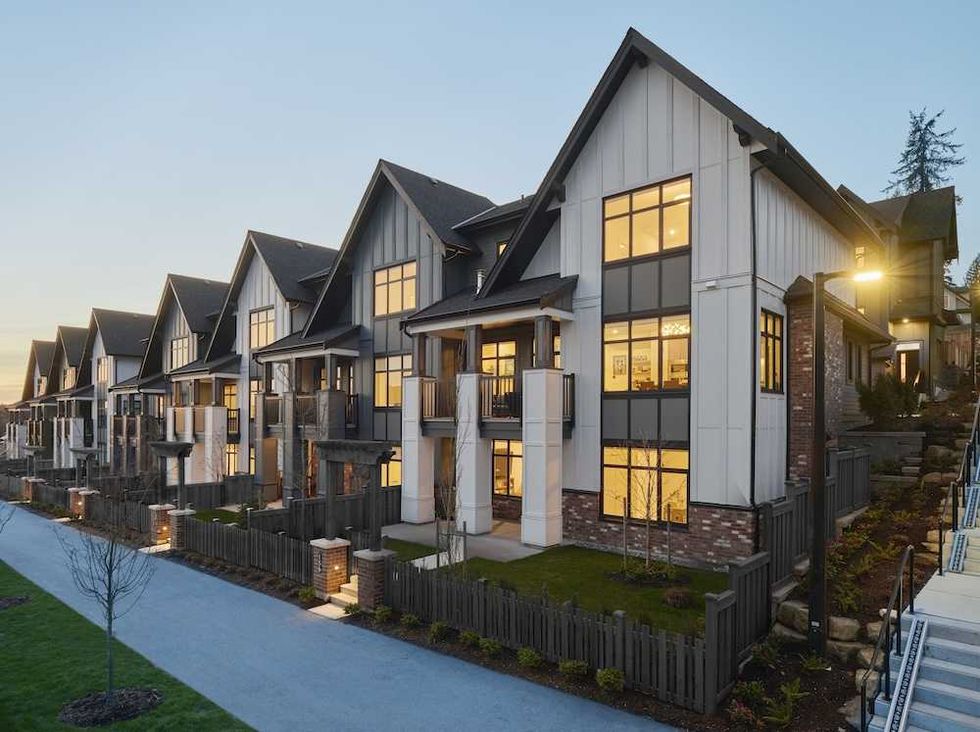 Versant (Infinity Properties)




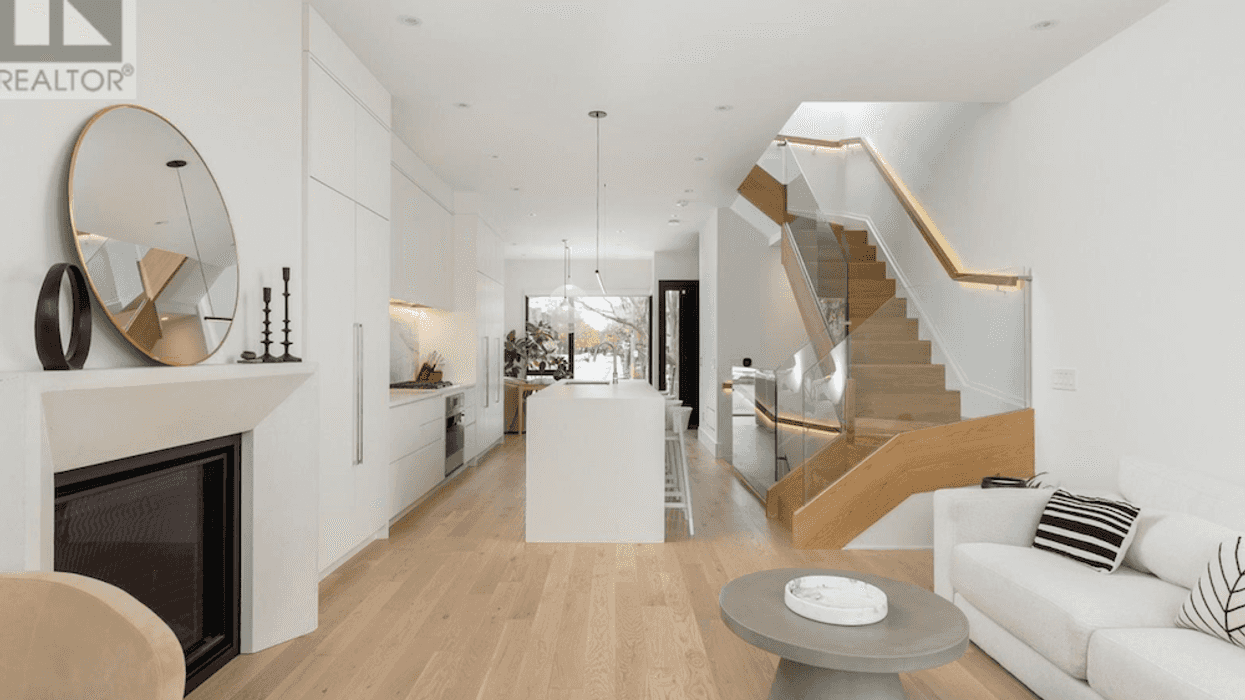



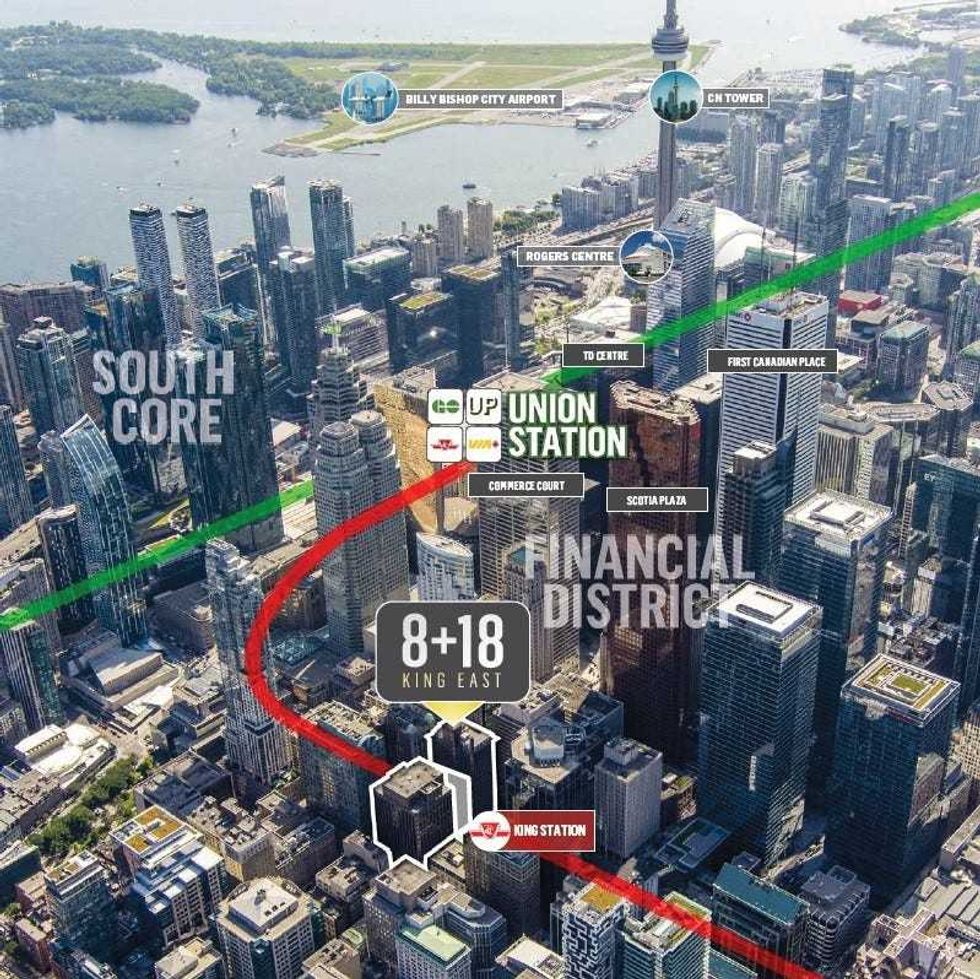 8 and 18 King Street East in Toronto. (RBC Capital Markets Realty)
 Interior photos of 8 and 18 King Street East. (RBC Capital Markets Realty)
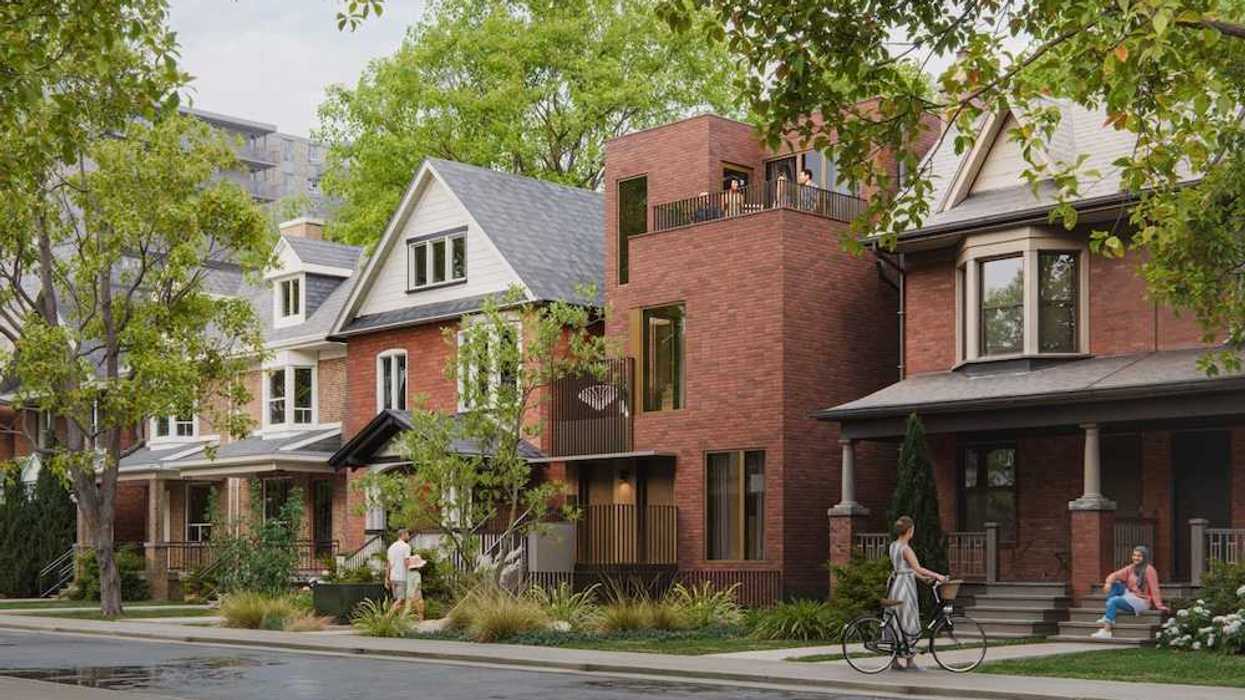
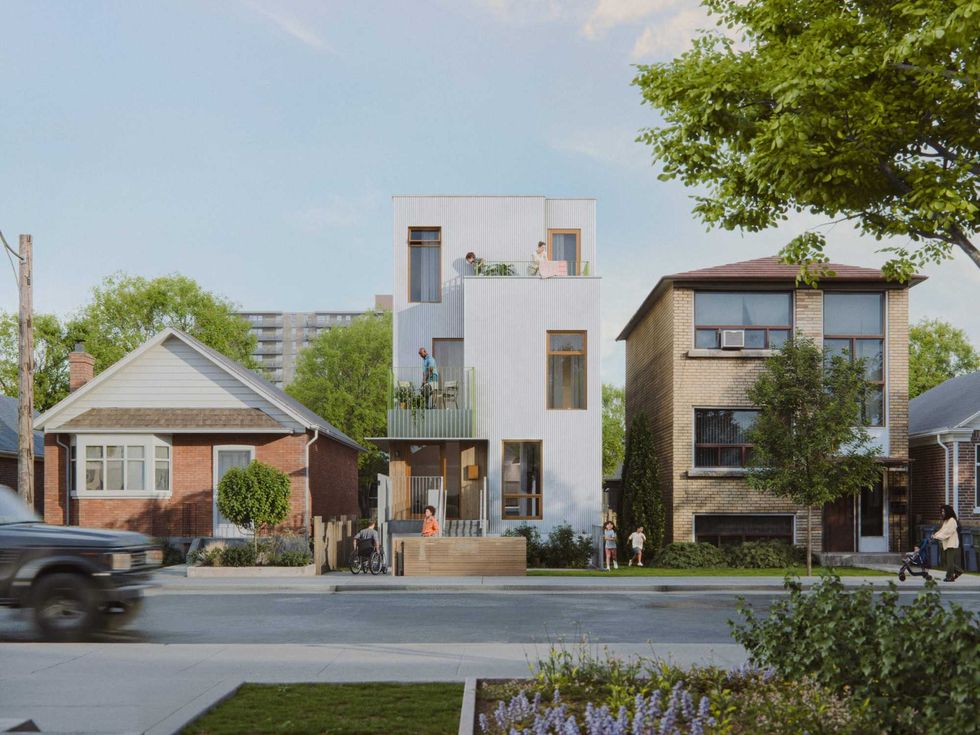 Narrow Fourplex (City of Toronto)
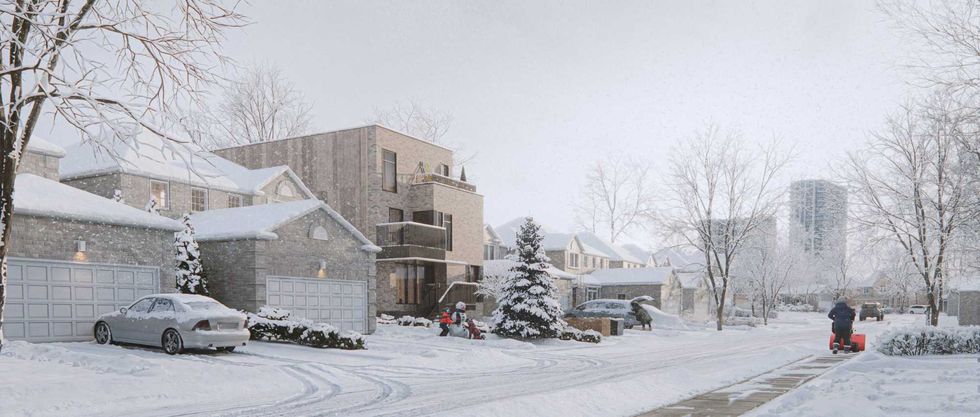 Wide Sixplex - Side View (City of Toronto)