Material Defect

Learn what material defects are in Canadian real estate, why they must be disclosed, and how they impact buyer protection and legal responsibility.
Material Defect


What is a Material Defect?

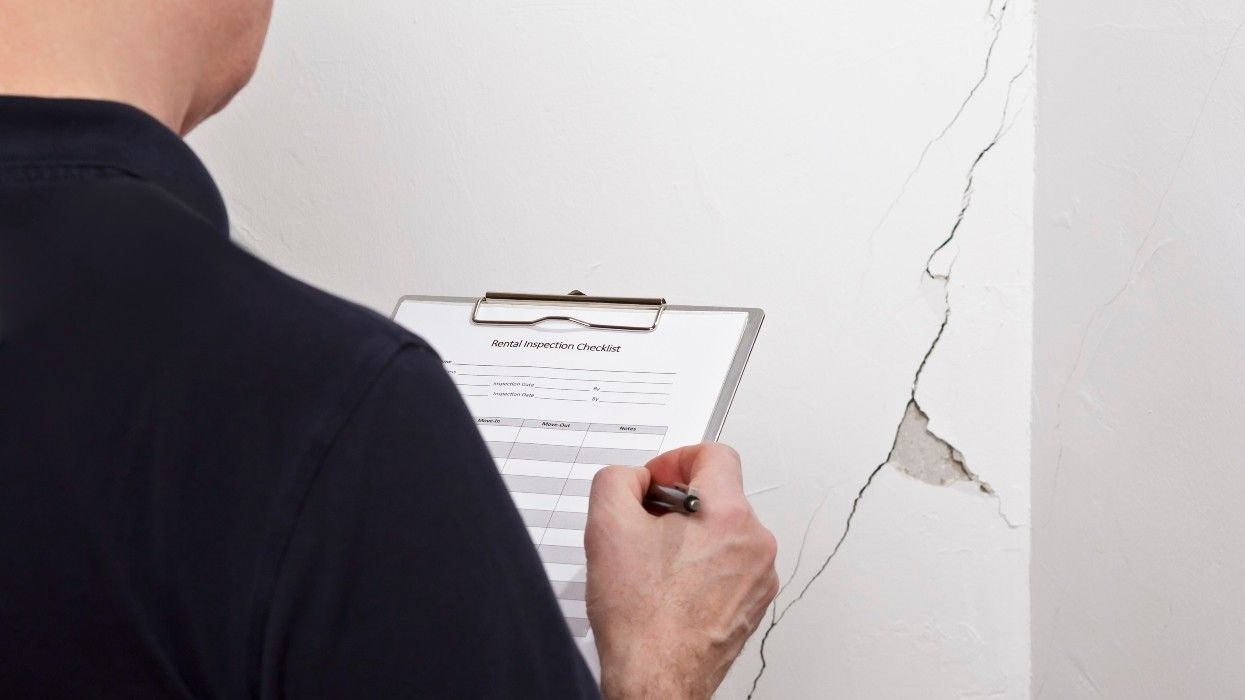
A material defect is a significant issue with a property that may impact its value, safety, or livability, and that must be disclosed to potential buyers by law.

Why Material Defects Matter in Real Estate

In Canadian real estate, material defects go beyond minor cosmetic flaws. These issues can include:
  • Foundation cracks or structural instability
  • Mold, water damage, or pest infestations
  • Electrical or plumbing hazards
  • Previous fire or flood damage

Sellers have a legal obligation to disclose known material defects to prospective buyers. Failing to do so may result in legal liability, cancelled sales, or lawsuits after closing. Disclosure rules vary by province, but courts consistently uphold the buyer’s right to be informed of defects that could impact decision-making.

Buyers are also encouraged to conduct home inspections to uncover hidden issues. A seller’s failure to disclose a known material defect, particularly one not easily observable, may be deemed fraudulent or negligent.

Understanding what constitutes a material defect protects buyers from unexpected repair costs and helps sellers comply with disclosure laws.

Example of Material Defects

A seller discloses a repaired basement flood from three years ago. The buyer includes a home inspection clause to ensure the problem hasn’t recurred.

Key Takeaways

  • Major issue affecting safety or value.
  • Must be disclosed by seller.
  • May trigger legal disputes if hidden.
  • Buyers should request inspections.
  • Laws vary by province.

Related Terms

  • Disclosure Statement
  • Home Inspection
  • Latent Defect
  • Seller Liability
  • Real Estate Law

Additional Terms

Public Realm Improvements

Public realm improvements are enhancements to public spaces such as sidewalks, parks, plazas, and streetscapes, often funded or contributed by. more

Mortgagee in Possession

A mortgagee in possession is a lender who takes control of a property after borrower default, but before foreclosure or power of sale. The lender. more

Lease Surrender Agreement

A lease surrender agreement is a negotiated contract between a landlord and tenant that ends a lease before its scheduled expiration. Terms may. more

Green Infrastructure

Green infrastructure refers to natural or engineered systems that manage stormwater, reduce heat, and improve sustainability in developments.. more

Escrow Holdback

An escrow holdback is a portion of funds withheld at closing and held in escrow until specific conditions are met, such as completion of repairs,. more

Underused Housing Tax

The Underused Housing Tax (UHT) is a federal annual 1% tax on the value of vacant or underused residential property owned by non-resident,. more

More For You

Public REITs Could Be Poised For A 2026 Comeback: Hazelview
LinedPhoto/Unsplash

After spending much of the decade trailing broader equities, public real estate may finally be nearing a turning point.

That’s the view from Hazelview Investments’ newly released 2026 Global Public Real Estate Outlook Report, which argues that the forces shaping global REIT markets are beginning to shift. Using an active management lens, Hazelview’s public securities team points to an environment where supply, demand, valuation, and capital discipline are increasingly coming into alignment — and where the long-standing gap between public and private real estate values is becoming harder to ignore.

Keep ReadingShow less
2025 A Strong Year for Housing Starts, But The Finish Was Uneven
Home under construction

Canada built more homes in 2025 than it did the year before — but the year ended with less momentum than the topline numbers might suggest.

According to the Canada Mortgage and Housing Corporation (CMHC), housing starts across all areas of the country reached 259,028 units in 2025, up 5.6% from 2024 and ranking as the fifth-highest annual total on record. In centres with populations of 10,000 or more, starts rose 6% year-over-year to 241,171 units, driven largely by another record-breaking year for rental construction.

Keep ReadingShow less
Beyond The Forecasts: A Framework For Understanding GTA Real Estate In 2026

Nano Do/Unsplash

This article was written and submitted by Cameron Levitt, a Toronto-based real estate agent with RE/MAX Hallmark who writes about housing dynamics, market trends, and the Canadian economy.


Keep ReadingShow less
GTA Housing Market Ends 2025 More Affordable, But Confidence Remains Key

Teunard Droog/Unsplash

As 2025 drew to a close, new data from the Toronto Regional Real Estate Board (TRREB) painted a picture of a market still under pressure, but notably more affordable than it was a year earlier — a shift that, according to the board, may help lay the groundwork for recovery in the year ahead.

Annual GTA home sales declined in 2025 amid ongoing economic uncertainty, as buyers remained cautious in the face of broader concerns around employment and the cost of living. Over the same period, however, elevated listing inventory gave buyers greater negotiating power, contributing to lower selling prices and improved affordability across the region.

Keep ReadingShow less
Minto Group, Crestpoint Strike $2.3B Deal To Take Minto Apartment REIT Private

Minto Group and Crestpoint Real Estate Investments have announced the formation of a new joint venture partnership alongside a $2.3-billion take-private transaction involving Minto Apartment REIT.

Under the agreement, Crestpoint will acquire all outstanding units of Minto Apartment REIT not already owned by Minto and certain senior executives for $18.00 per unit in cash. The transaction values the REIT at approximately $2.3 billion, including the assumption of net debt and retained equity interests held by Minto and affiliated parties.

Keep ReadingShow less
What's Open And Closed In Toronto On New Year's Day
Richard Cavalleri/Shutterstock

Even if you weren't much of a planner in 2025, the new year is your chance to start on a better foot.

At the very least, we recommend planning ahead for New Year's Day, which falls on Wednesday this year and is a statutory holiday. As such, banks and government services will be closed, however, some malls, grocery stores, and attractions will be open, albeit with special hours. Here's what you need to know.

Keep ReadingShow less
New Year's Day: What's Open And Closed In Vancouver
James Chen/Shutterstock

Is it just us, or have the holidays come and passed a bit too quickly? But don't fret: there are still a few days left, and plenty of things to do as the year comes to a close (and the new one opens with a fresh beginning).

For those who will be taking public transit, TransLink will once again be offering free transit on New Year's Eve, starting at 5:00 pm; services will also be provided on an extended weekday schedule before shifting to a Sunday/Holiday schedule for New Year's Day.

Keep ReadingShow less
In Ontario, Who Has To Shovel Snow: The Tenant Or Landlord?
Shutterstock

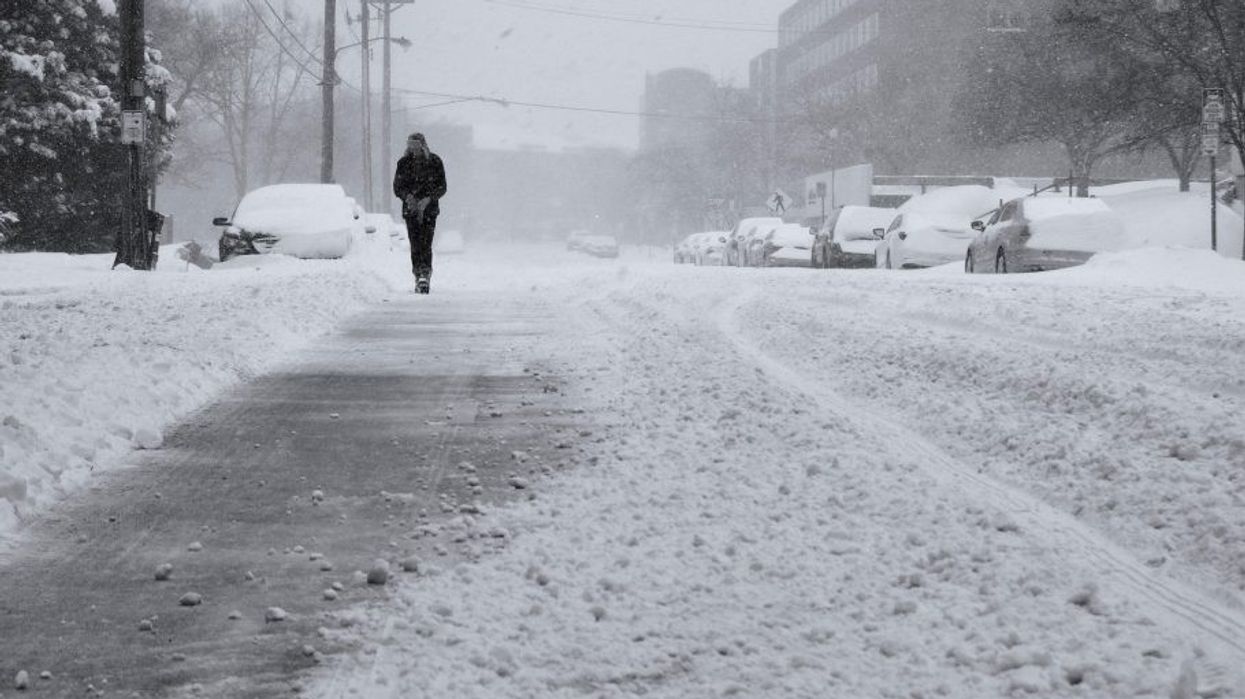
It's the time of year when many of us will find ourselves walking — and shovelling — through a winter wonderland.

Everyone knows (or should know) that big fines are in store if you fail to shovel the snow outside your home. But what if you rent your property? Is it still your responsibility, or your landlord’s?

That’s the high-value question.

According to Section 20(1) of the Residential Tenancies Act, “a landlord is responsible for providing and maintaining a residential complex, including the rental units in it, in a good state of repair and fit for habitation and for complying with health, safety, housing and maintenance standards.” And according to court rulings, this includes snow removal.

Keep ReadingShow less