Key Money
Learn what key money means in Canadian rental markets, how it’s regulated, and why both tenants and landlords should proceed with caution.

May 22, 2025
What is Key Money?
Key disclosure refers to the seller’s obligation to disclose material facts or known defects about a property that could affect a buyer’s decision to purchase.
Why Key Money Matters in Real Estate
In Canadian real estate, key money is generally discouraged and in many provinces may be illegal unless explicitly permitted under tenancy law.
Key facts about key money:
- Often paid upfront and separate from rent or deposit
- May be required for commercial or residential leases
- Can violate tenancy legislation depending on jurisdiction
Tenants should be cautious and review provincial laws before agreeing to pay key money. Landlords found demanding unauthorized payments can face legal penalties.
Understanding key money helps renters identify unethical practices and landlords ensure compliance with tenancy regulations.
Example of Key Money in Action
A landlord in a high-demand neighborhood asks for $2,000 in key money to prioritize the applicant over other interested tenants.
Key Takeaways
- Upfront payment to secure a lease.
- Often discouraged or illegal.
- Common in tight or rent-controlled markets.
- Not considered rent or damage deposit.
- May expose landlords to legal action.
Related Terms
- Security Deposit
- Lease Agreement
- Rental Application
- Residential Tenancies Act
- Landlord Responsibilities
















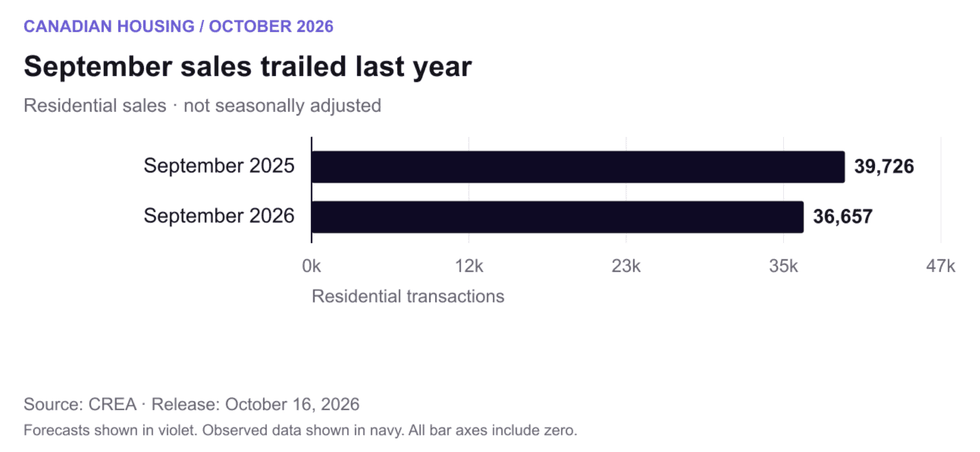 September residential sales, not seasonally adjusted; the annual comparison uses CREA’s revised figures. Chart:
 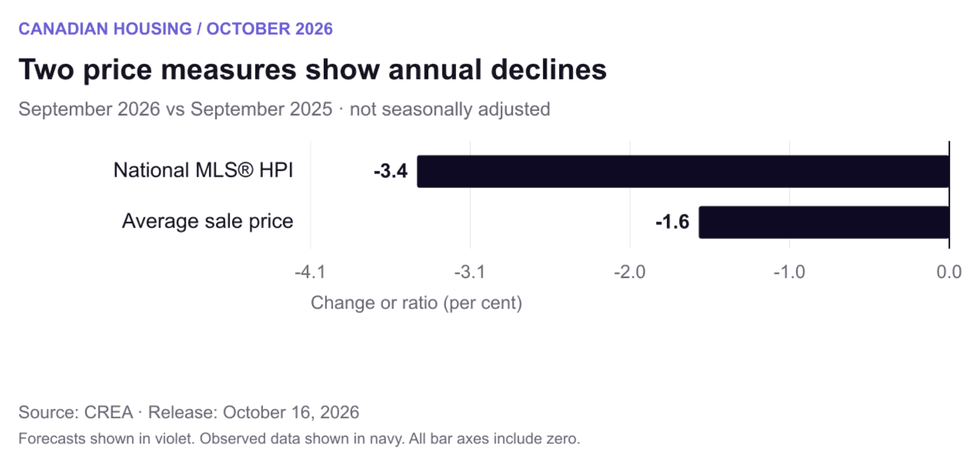 Annual changes in the unadjusted national MLS® HPI and average sale price. The average is affected by the mix of transactions. Chart:
 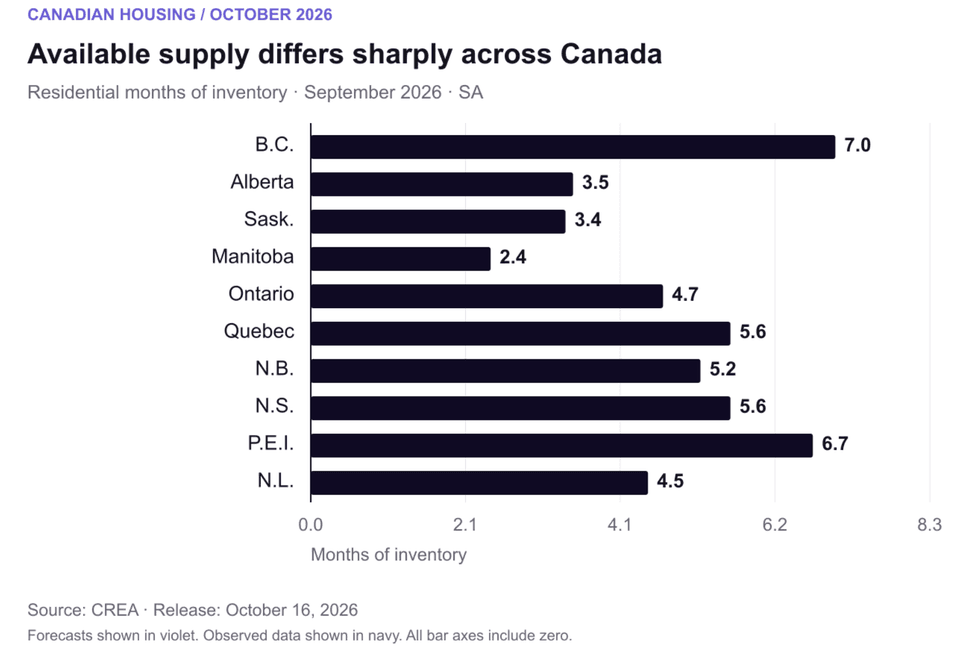 Seasonally adjusted residential months of inventory by province. Local property types can differ substantially. Chart:
 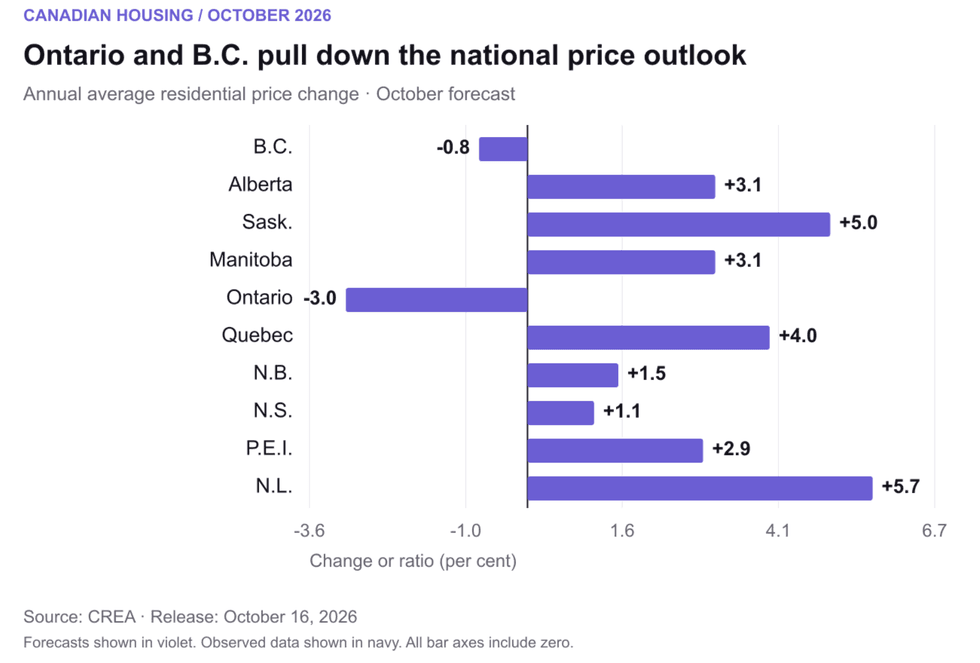 Ontario and B.C. are the two provinces with forecast annual average-price declines in 2026. Chart:
 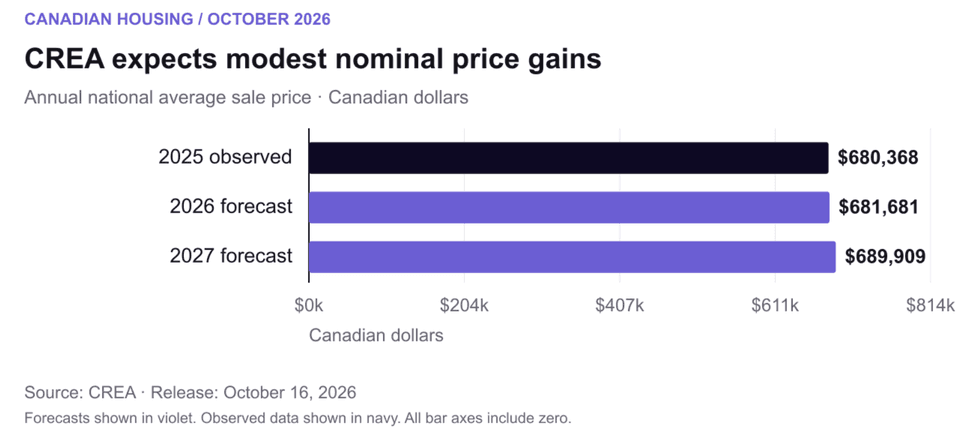 Annual average transaction prices in Canadian dollars. Forecast values are not December price targets. Chart:
 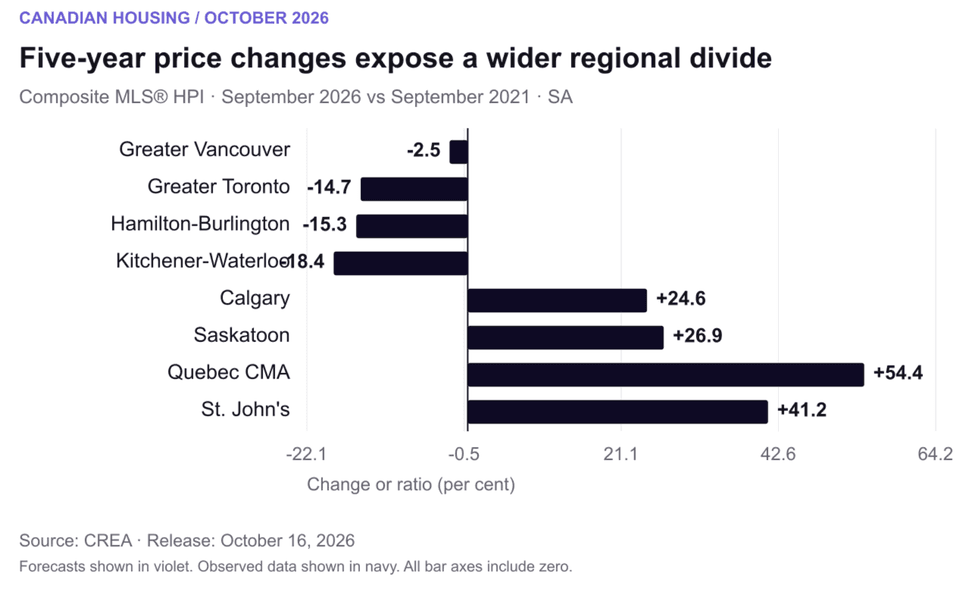 Five-year changes in seasonally adjusted composite MLS® HPI benchmarks, September 2021 to September 2026. Chart: