Gap Financing
Gap financing is a short-term loan used in real estate to cover funding gaps until permanent financing or sales proceeds are available.

September 30, 2025
What is Gap Financing?
Gap financing is short-term funding used to cover a temporary shortfall until permanent financing or revenue becomes available. It is common in construction, development, and acquisitions. Gap financing may come with higher rates and stricter terms, reflecting the higher risk for lenders.
Why Gap Financing Matters in Real Estate
Gap financing matters in real estate because it allows projects to continue without delay when permanent funding is not yet secured. It bridges timing mismatches and provides liquidity for critical stages. However, it can increase project costs and requires a clear exit strategy.
Example of Gap Financing in Action
A condo project nearing completion requires final contractor payments before unit sales close. Developers secure gap financing for three months, repaying the loan once proceeds from closings are received.
Key Takeaways
- Gap financing bridges funding shortfalls temporarily.
- Allows projects to continue without delay.
- Carries higher costs due to risk.
- Exit strategies must be well-defined.
- Common in construction and development deals.
Related Terms
- Bridge Financing
- Progress Draw Mortgage
- Interim Financing
- Takeout Loan
- Lien Priority

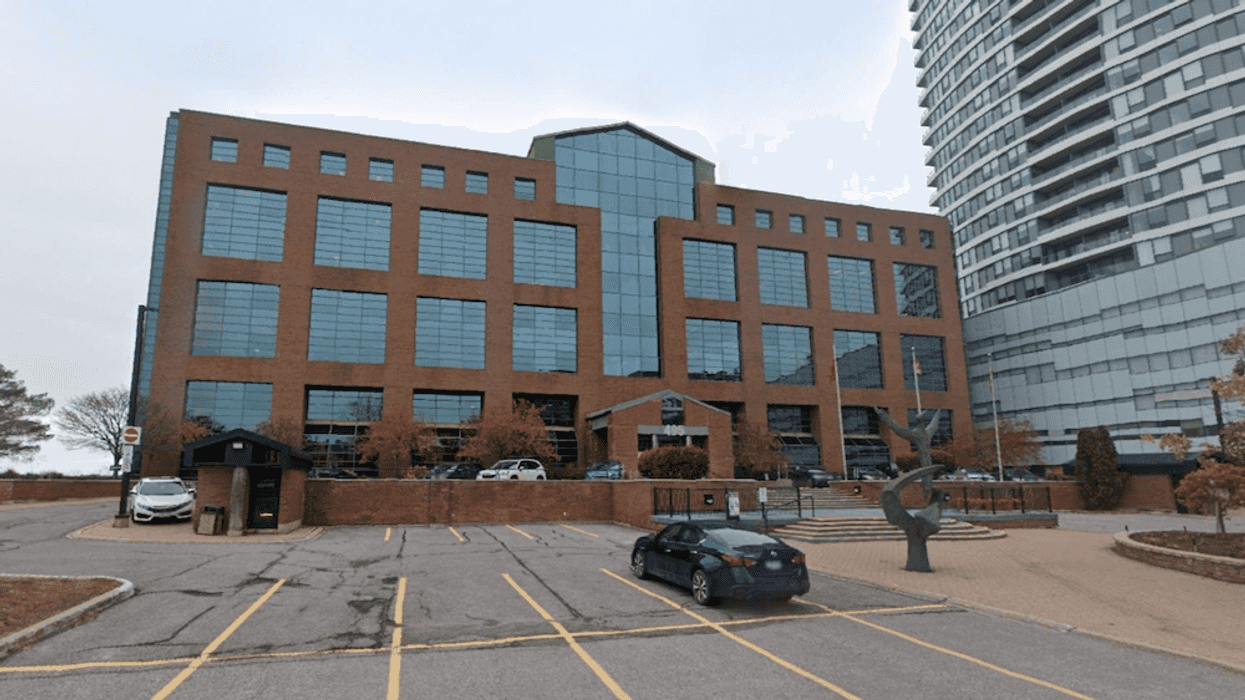
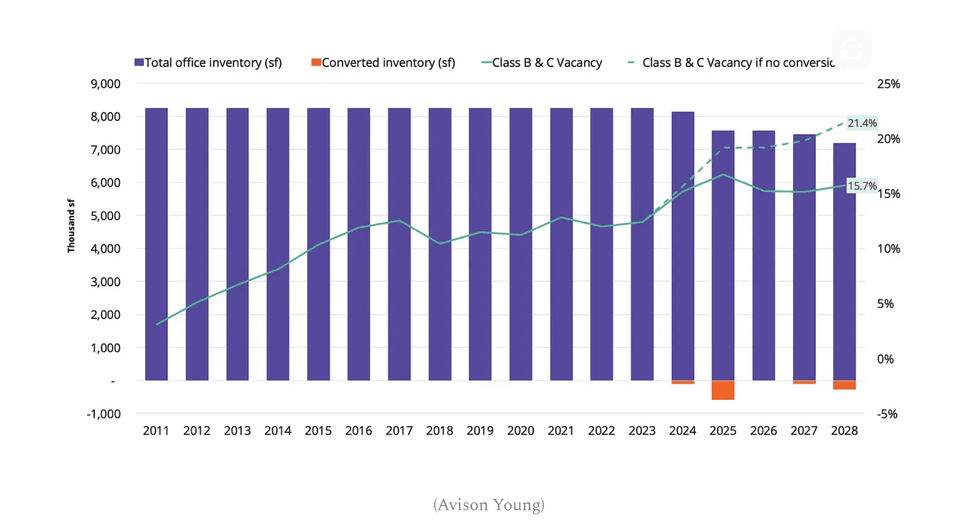 (Avison Young)





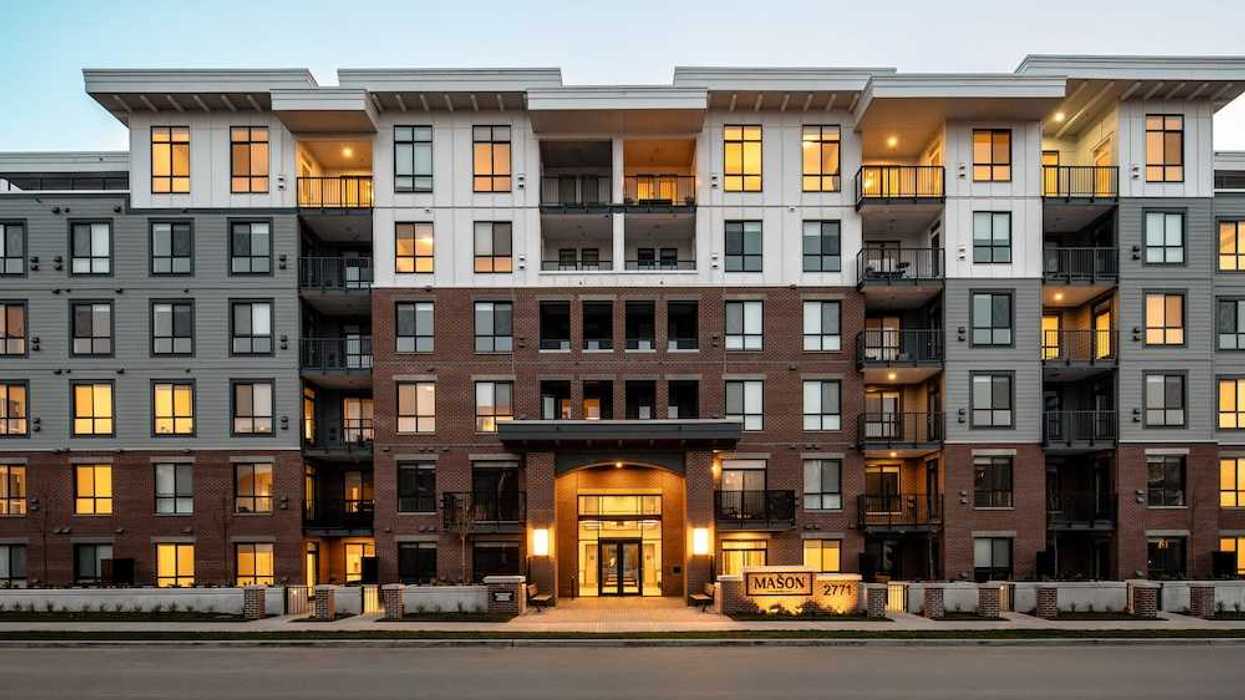
 The Mason Suite Interior (Infinity Properties)
 The Mason Suite Interior (Infinity Properties)
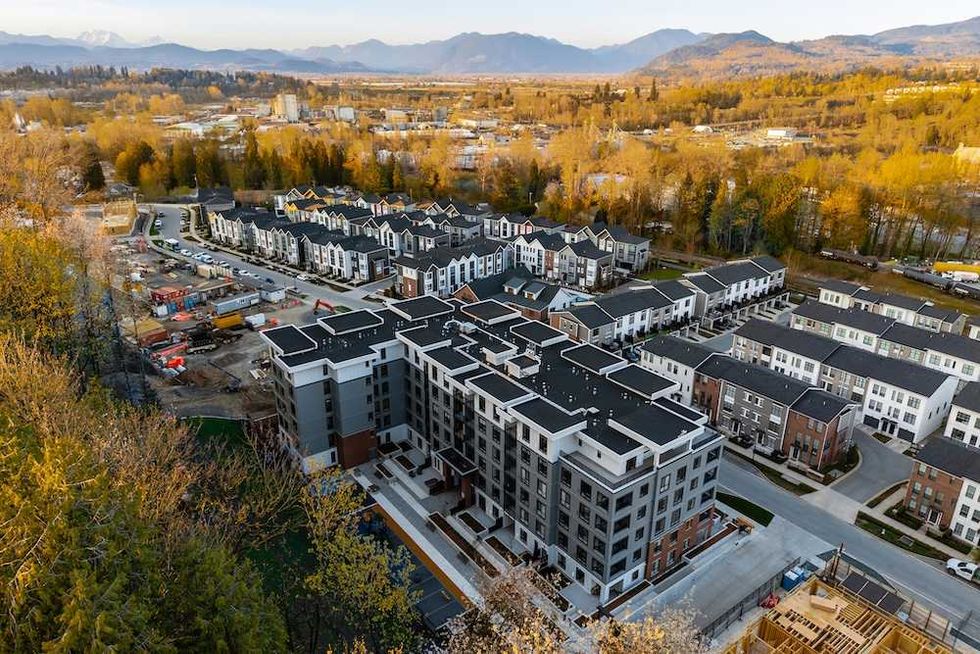 Rail District aerial (Infinity Properties)
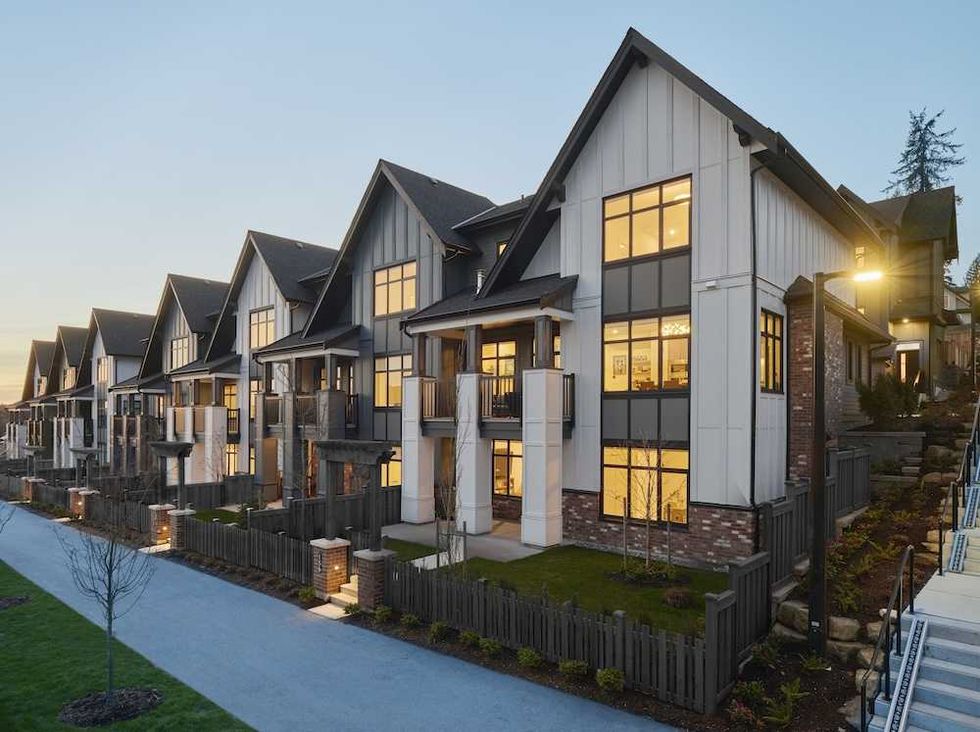 Versant (Infinity Properties)

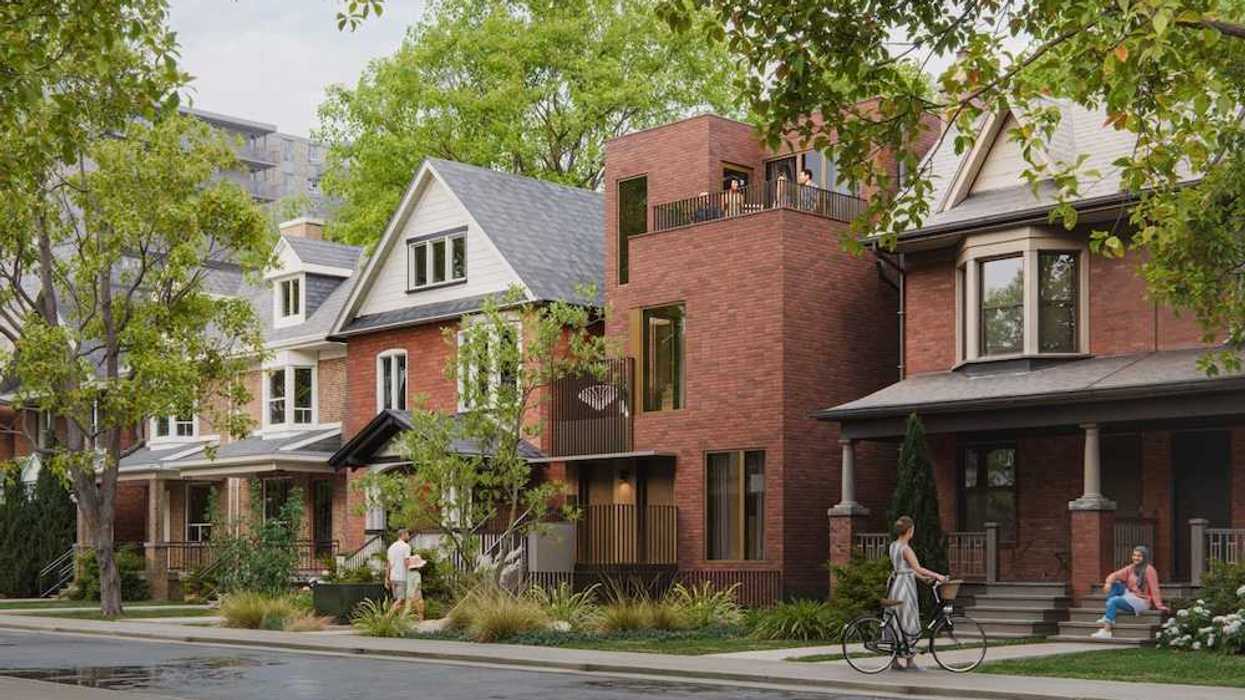
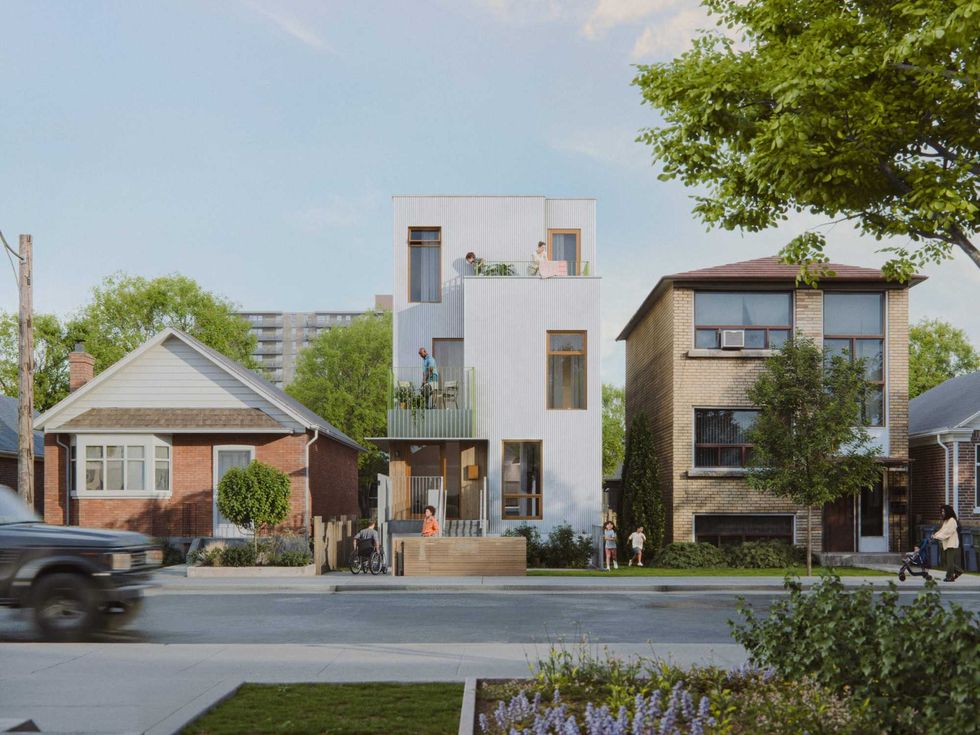 Narrow Fourplex (City of Toronto)
 Wide Sixplex - Side View (City of Toronto)
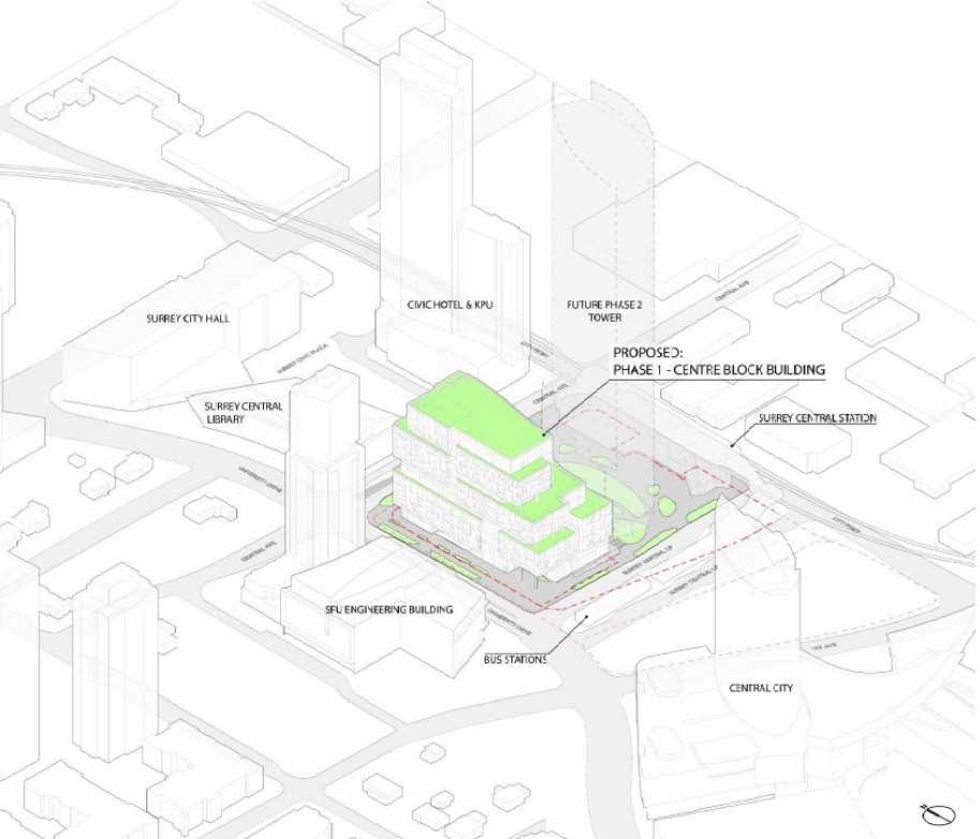 Centre Block and its surrounding context. (Stantec-Revery, SCDC)
 The 12-storey Phase One of Centre Block. (Stantec-Revery, SCDC)
 The 12-storey Phase One of Centre Block. (Stantec-Revery, SCDC)
 Mondria One, set for 1607 King Street East in Clarington, Ontario. (ICON Architects Inc., Monde Development Group)