Fractional Ownership
Fractional ownership is a real estate model that divides ownership among several buyers, who share costs, schedules, and responsibilities.

September 30, 2025
What is Fractional Ownership?
Fractional ownership divides property ownership among multiple individuals who each hold a legal share or interest. This model is common for vacation homes, resorts, and high-value assets. Owners typically share costs proportionally and follow a usage schedule that governs access to the property. Some arrangements are deeded interests, while others may involve shares in a holding company.
Why Fractional Ownership Matters in Real Estate
Fractional ownership matters because it increases accessibility to expensive real estate, allowing more people to participate. It requires strong governance agreements to address cost-sharing, scheduling, resale restrictions, and dispute resolution. Clear rules reduce conflicts and protect investment value.
Example of Fractional Ownership in Action
A group of eight buyers purchases deeded interests in a luxury vacation property. Each is entitled to six weeks of use annually, with a rotating calendar to ensure fairness. A management company maintains the property and collects fees.
Key Takeaways
- Fractional ownership allows multiple buyers to share property.
- Requires strong agreements for management.
- Expands access to luxury or high-cost properties.
- Involves clear scheduling and cost-sharing rules.
- May restrict resale and exit options to protect value.
Related Terms
- Co-Ownership Agreement
- Timeshare
- Governance
- Usage Schedule
- Exit Strategy
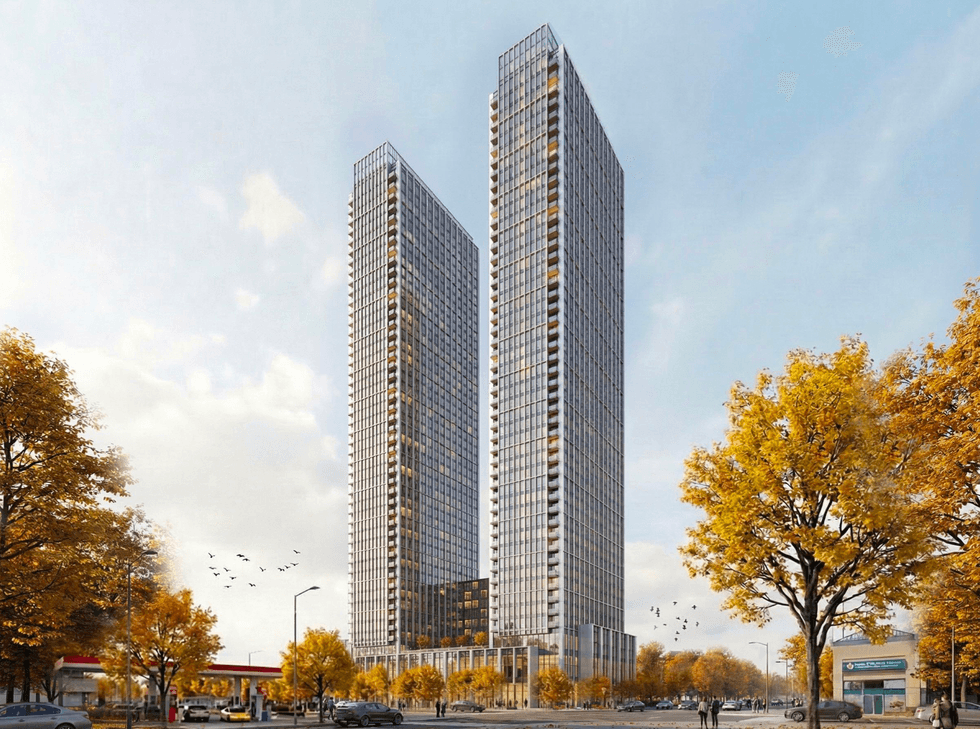
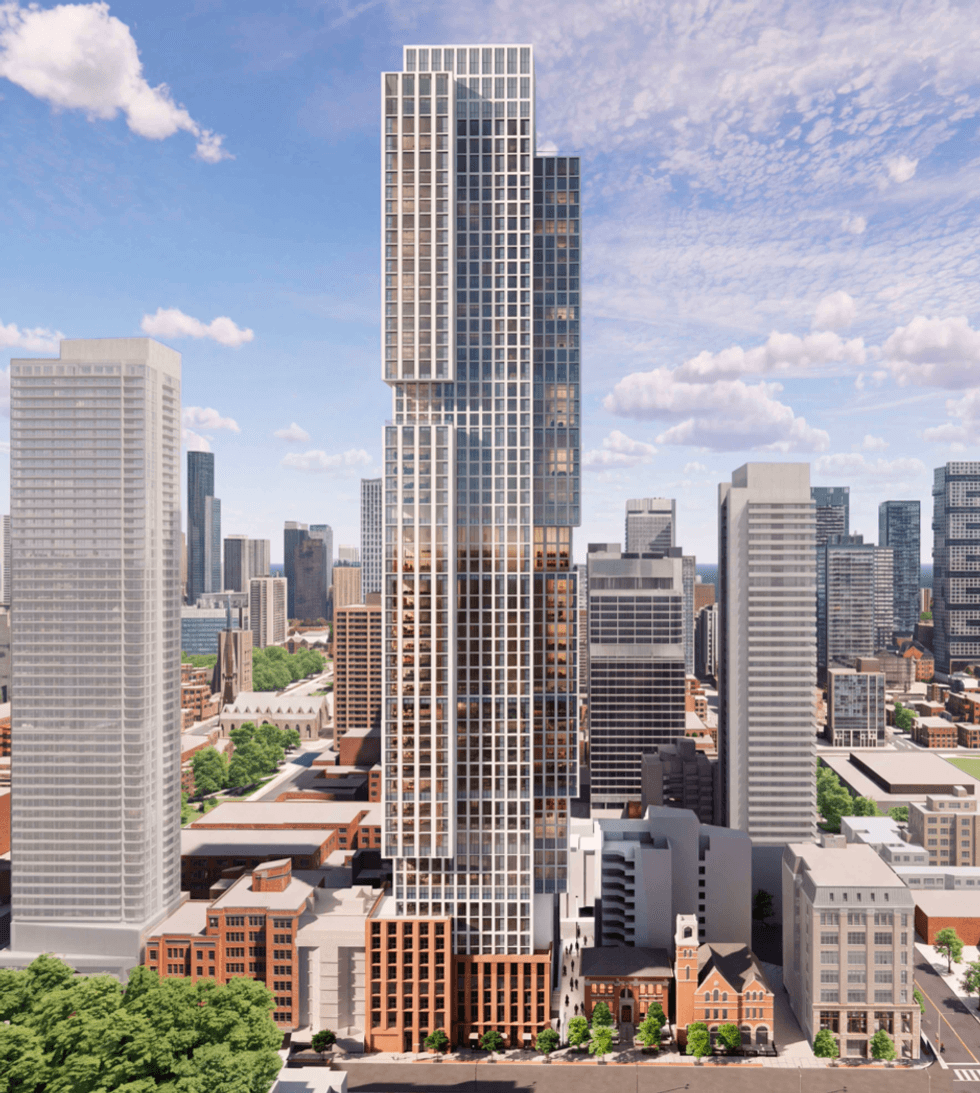 Rendering of 86 and 100-108 Lombard St and 103 Richmond St E/WZMH Architects
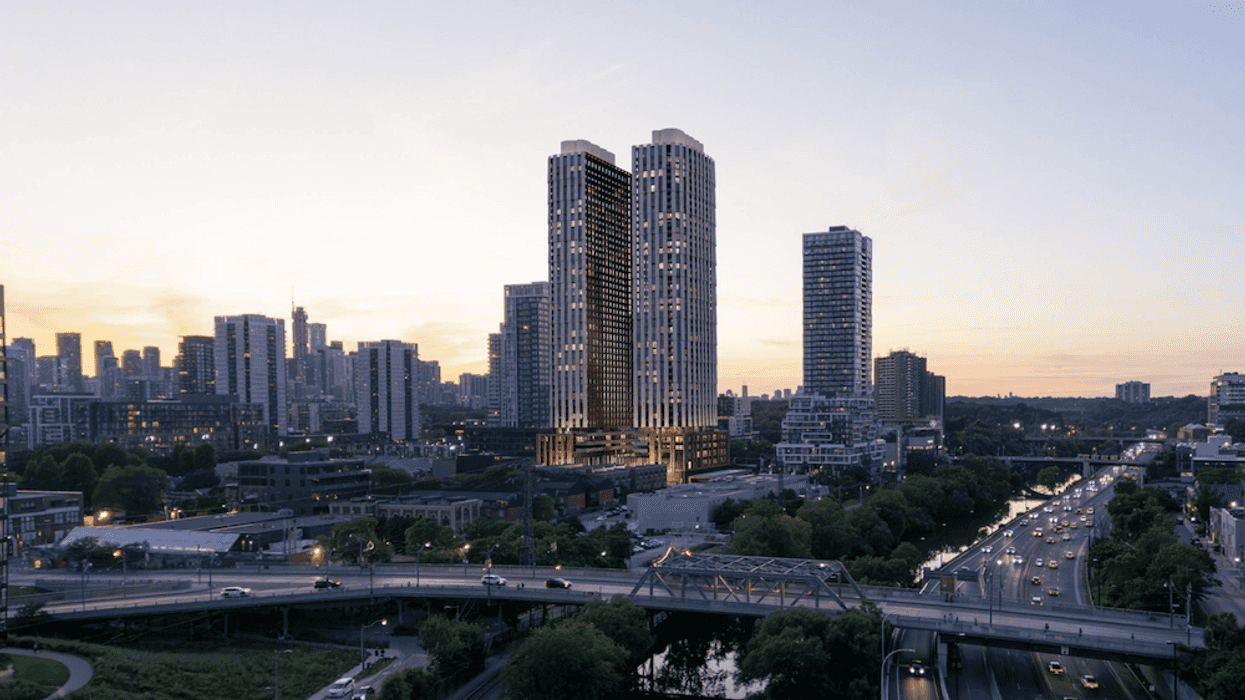
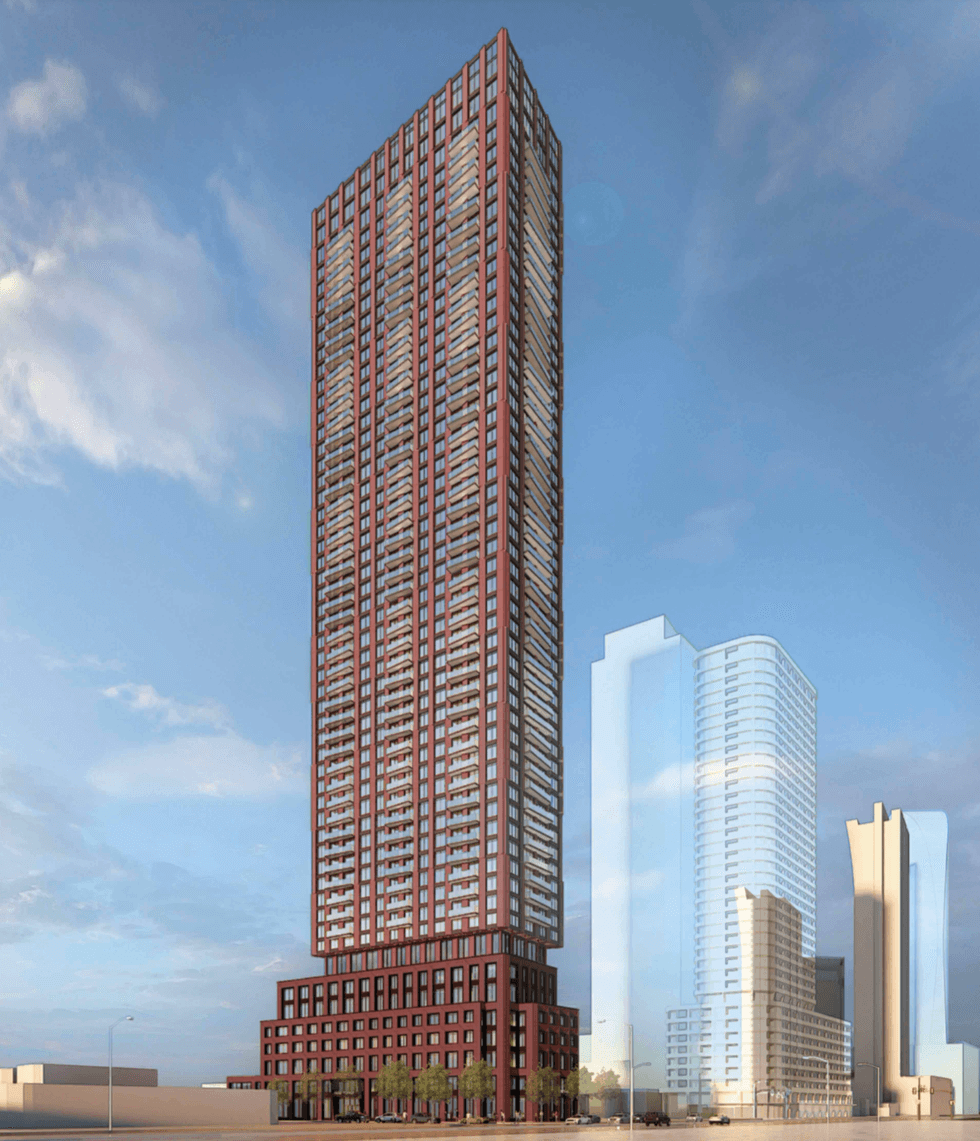
 Rendering of 60 Overlea Blvd/Sweeny&Co Architects
 Rendering of 7 Labatt Ave and 77 River St/Giannone Petricone Associates
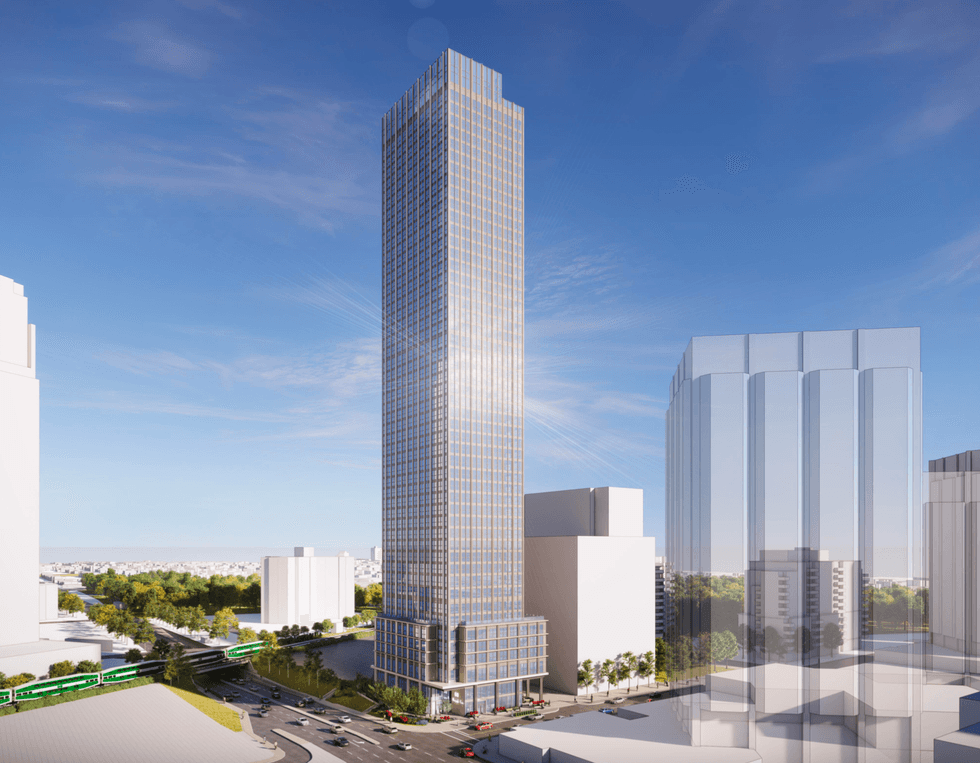
 Rendering of 4632-4648 Yonge St and 16-18 Cameron Ave/Arcadis
 Rendering of 1234 Islington Ave/Sweeny&Co Architects
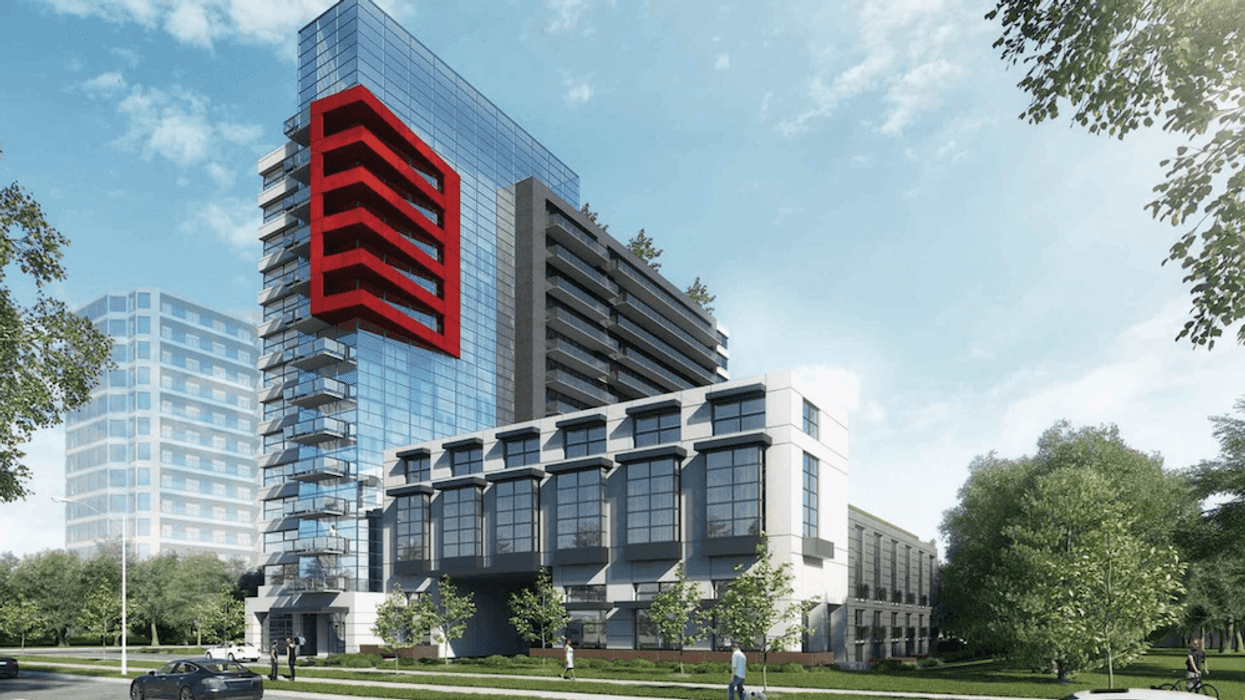

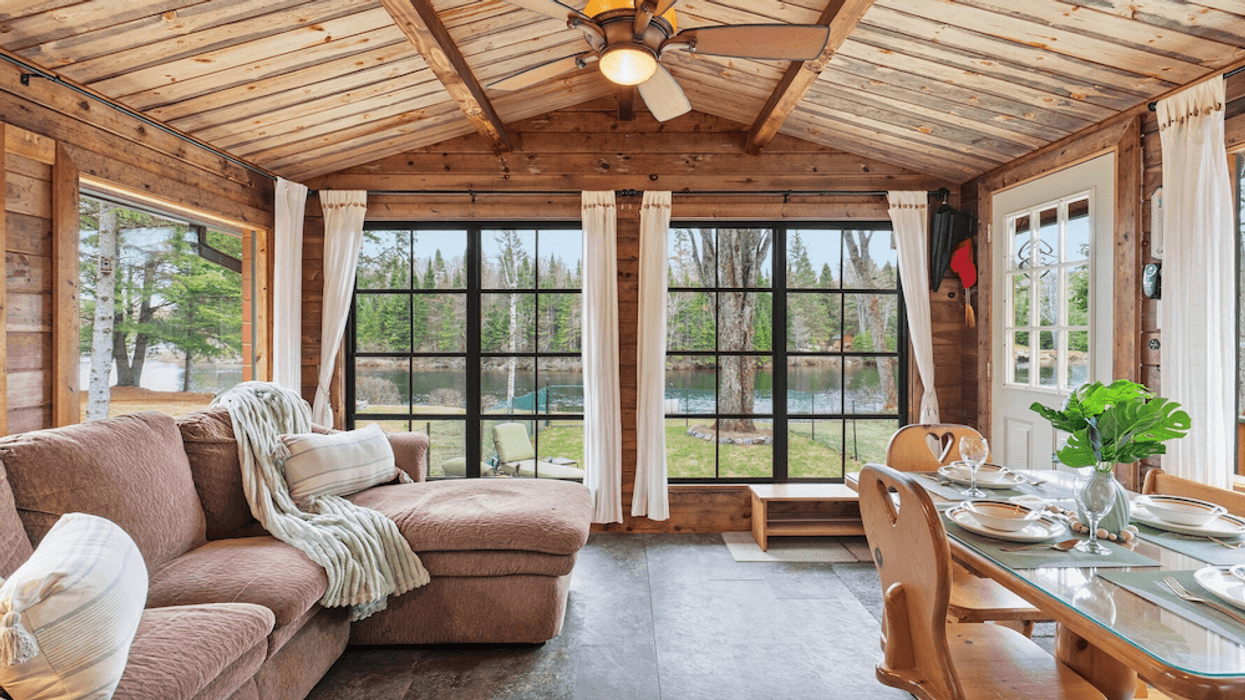


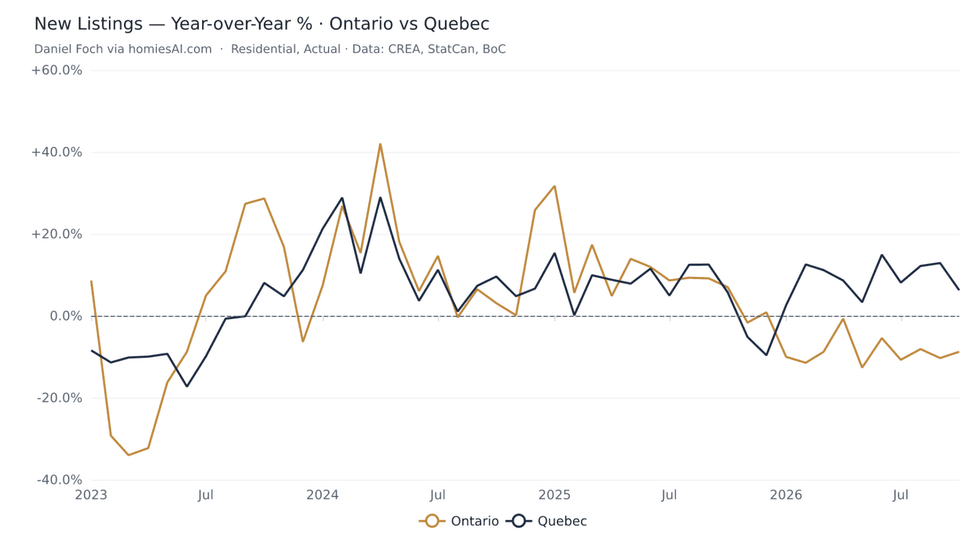 Chart: New listings, year-over-year %, Ontario vs Quebec. Daniel Foch via homiesai.com/stats. Data:
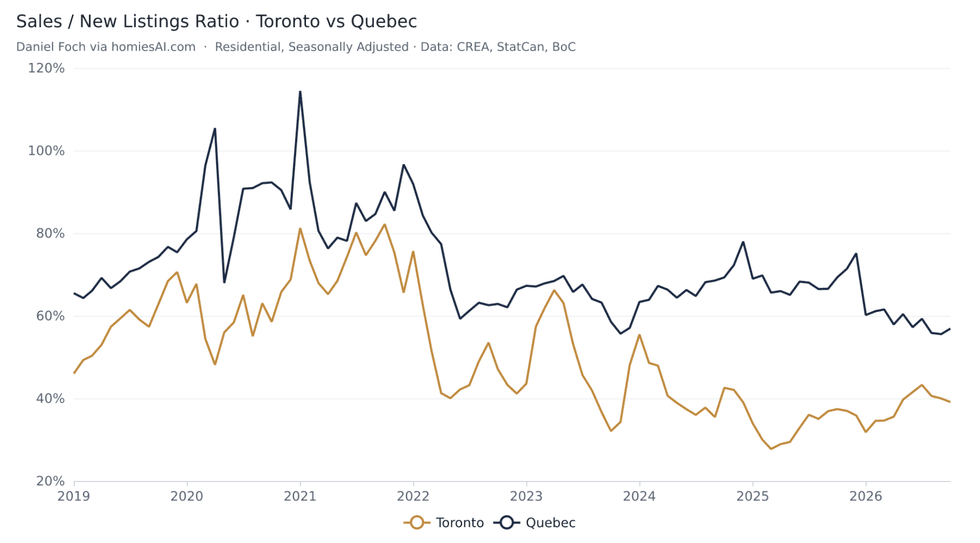 Chart: Sales-to-new-listings ratio, seasonally adjusted. Toronto vs Quebec. Daniel Foch via homiesai.com/stats. Data: CREA.
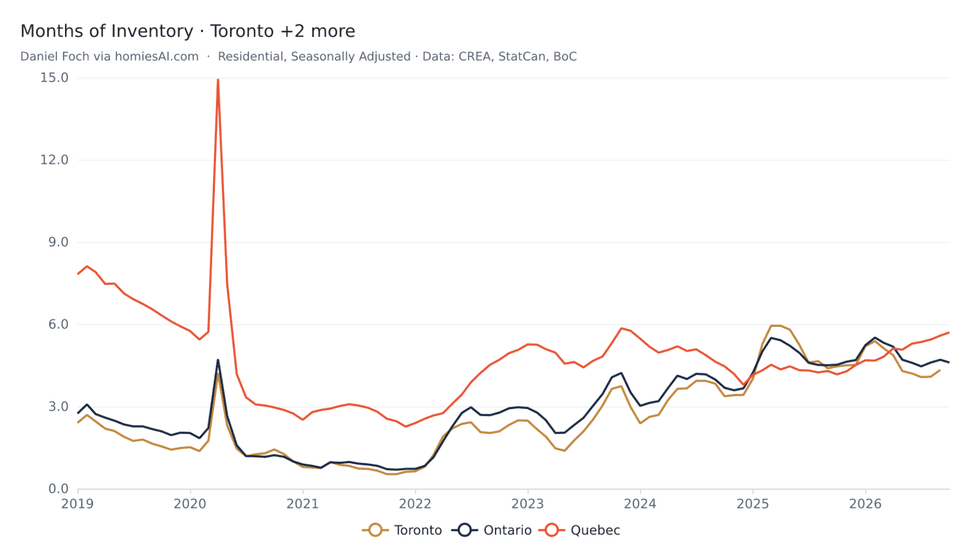 Chart: Months of inventory, seasonally adjusted. Daniel Foch via homiesai.com/stats. Data: CREA.
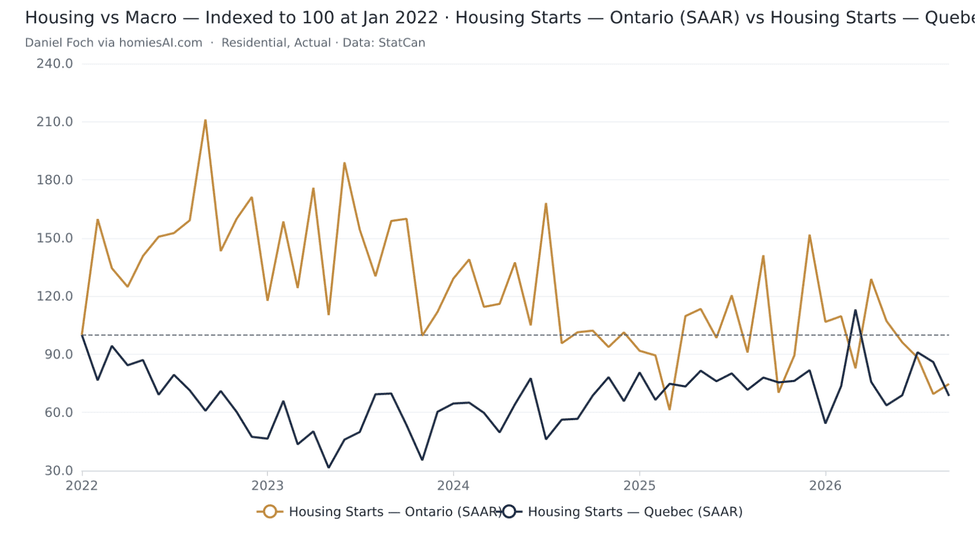 Chart: Housing starts, seasonally adjusted annual rate, Ontario vs Quebec, indexed to January 2022. Daniel Foch via homiesai.com/stats. Data: CMHC via Statistics Canada.
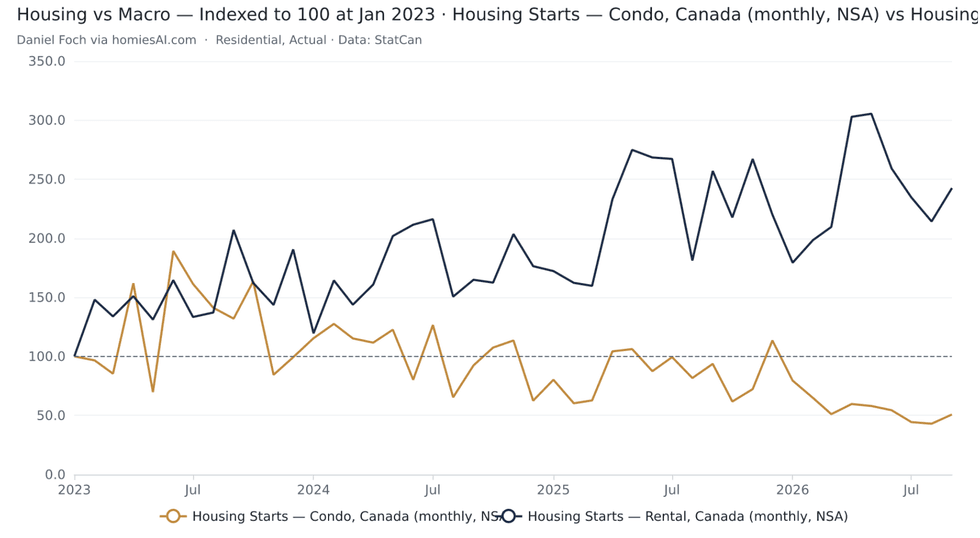 Chart: Condo vs rental housing starts, Canada, indexed to January 2023. Daniel Foch via homiesai.com/stats. Data: CMHC via Statistics Canada.
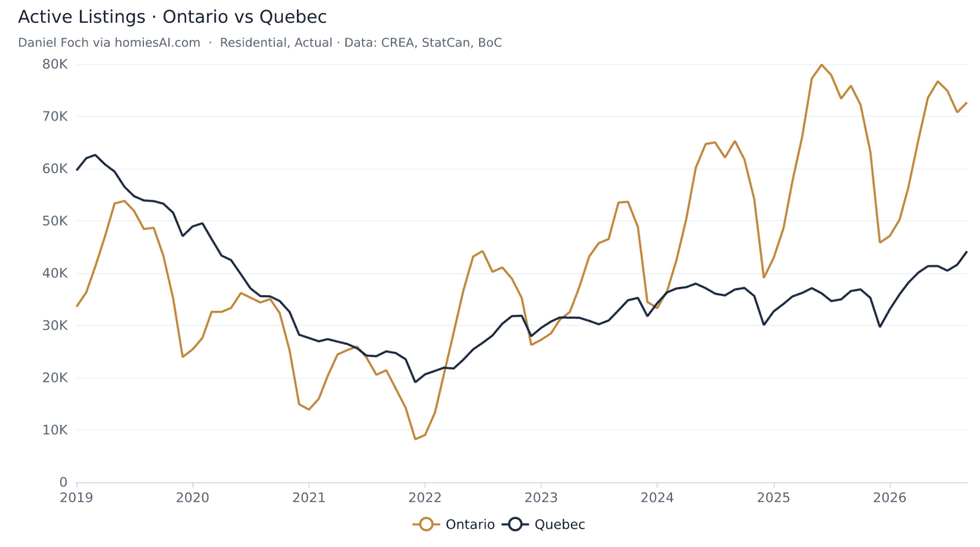 Chart: Active residential listings, Ontario vs Quebec. Daniel Foch via homiesai.com/stats. Data: CREA.
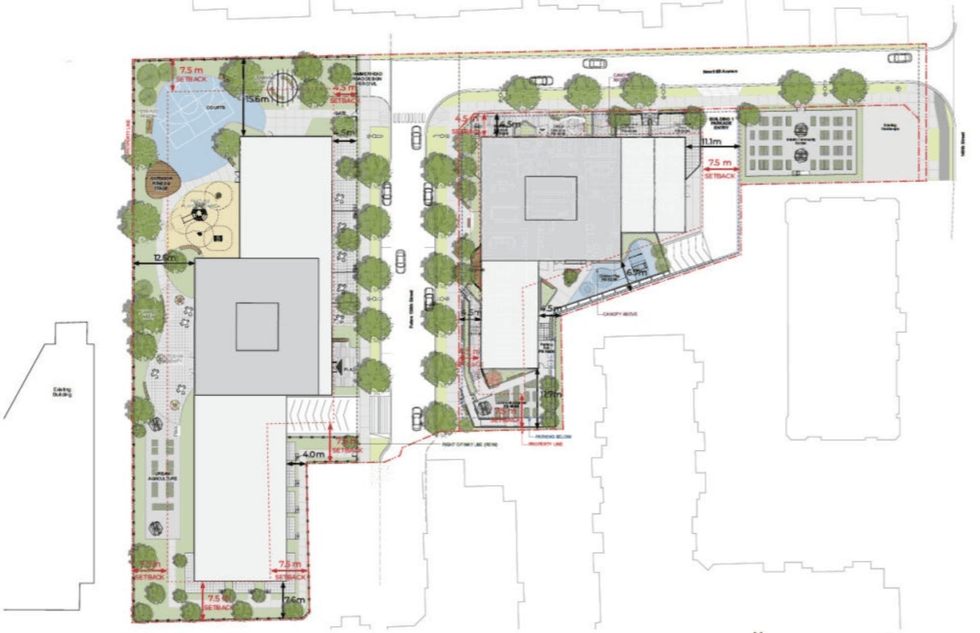
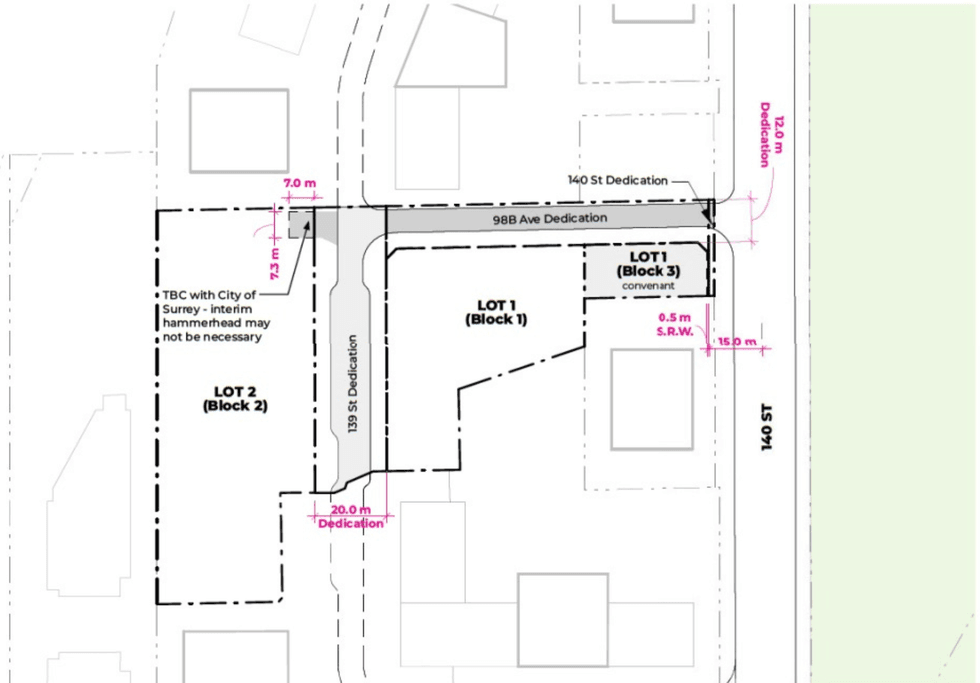 9883 140 Street and the proposed road dedications. (WW+P Architects, Entre Nous Femmes Housing Society)
 The
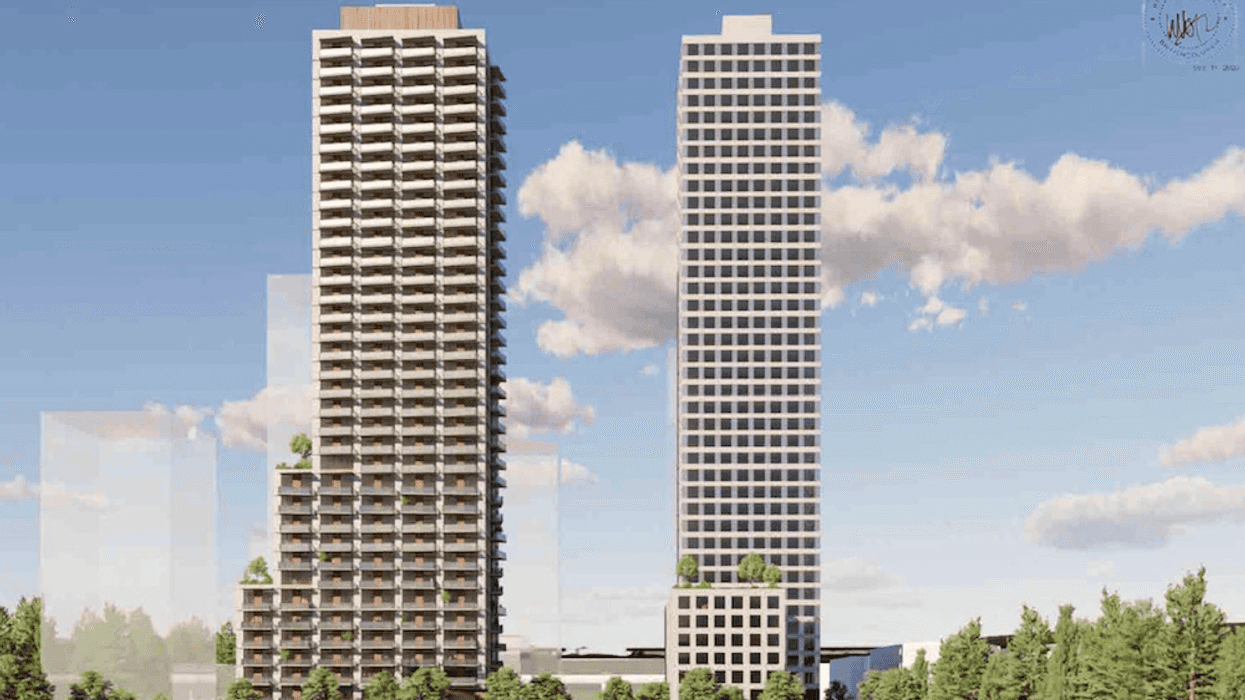
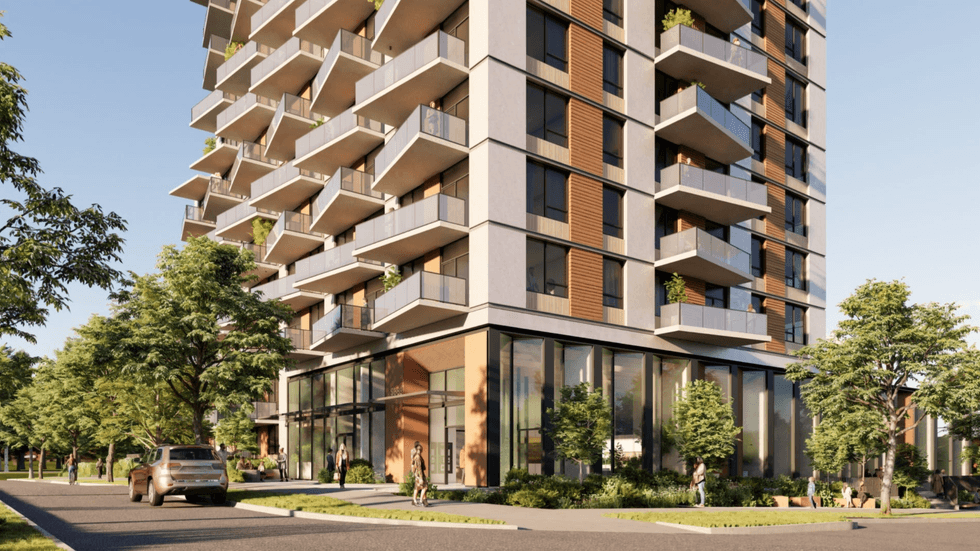 One of the towers proposed for 9883 140 Street. (Entres Nous Femmes Housing Society)

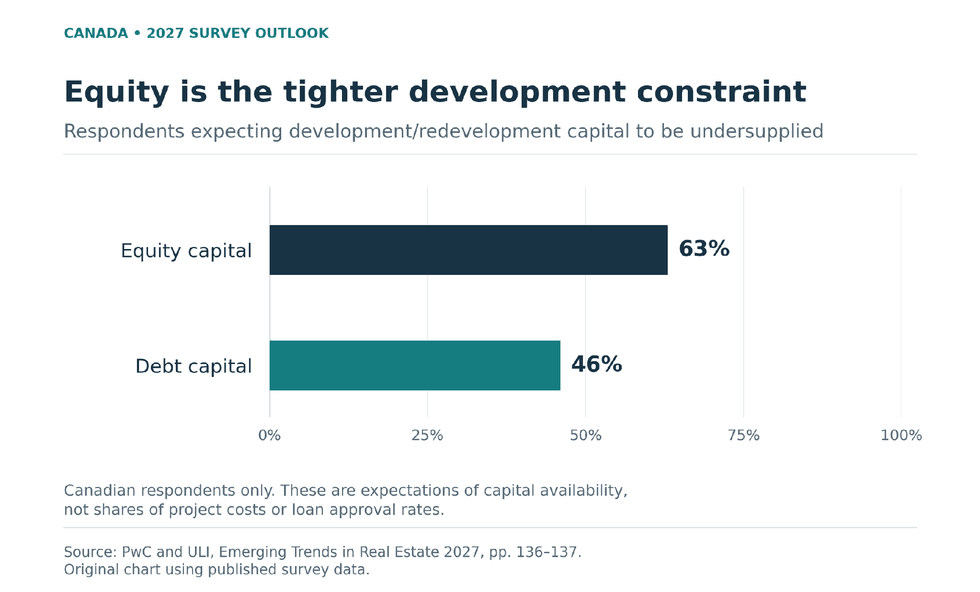 Canadian respondents were more likely to expect an undersupply of development/redevelopment equity capital (63%) than debt capital (46%) in 2027. These are survey expectations, not measured financing volumes. Source: PwC and ULI, Emerging Trends in Real Estate 2027, pp. 136–137. Original chart.
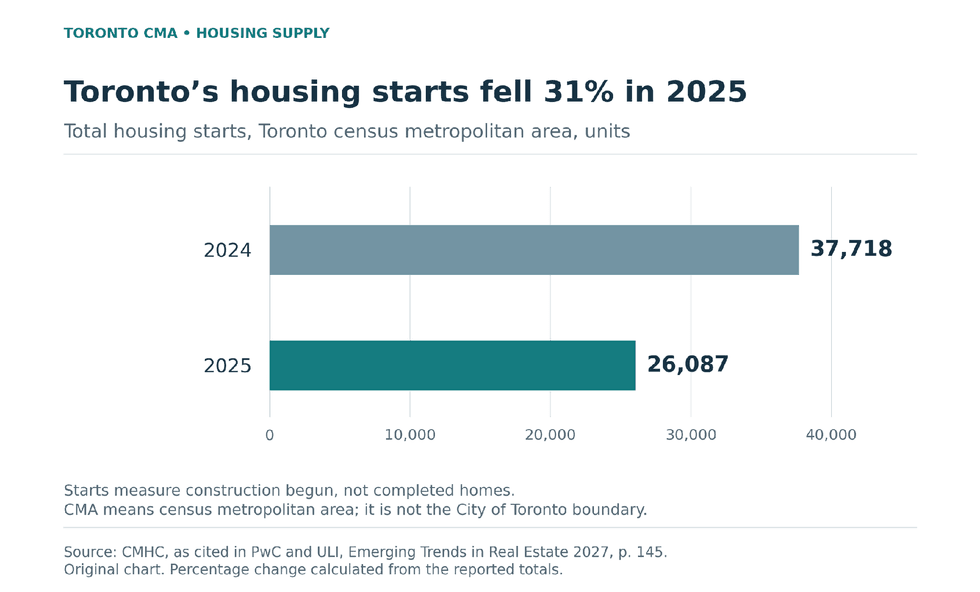 Toronto census metropolitan area housing starts fell from 37,718 units in 2024 to 26,087 in 2025, a 30.8% decline (rounded to 31%). Starts measure construction begun, not completed homes. Source: CMHC, as cited in PwC and ULI, Emerging Trends in Real Estate 2027, p. 145. Original chart.