Disbursements
Understand disbursements in Canadian real estate, what they are, what they cover, and why they’re an important part of your closing costs.

May 22, 2025
What are Disbursements?
Disbursements are out-of-pocket expenses paid by a real estate lawyer or notary on behalf of the buyer or seller during a property transaction.
Why Disbursements Matter in Real Estate
In Canadian real estate, disbursements are a key part of closing costs. These fees are separate from legal fees and cover third-party services necessary to complete the transaction.Common disbursements include:
- Title search and registration
- Courier and document handling
- Land transfer tax registration
- Municipal compliance certificates
Understanding disbursements helps buyers budget properly and understand the breakdown of costs associated with their legal services.
Example of Disbursements
In addition to $1,200 in legal fees, a buyer pays $475 in disbursements for title searches, courier charges, and registration fees.
Key Takeaways
- Paid by lawyers/notaries to third parties.
- Separate from professional legal fees.
- Part of total closing costs.
- Includes registrations, taxes, and delivery.
- Must be settled before closing.
Related Terms
- Legal Fees
- Closing Costs
- Title Transfer
- Real Estate Lawyer
- Land Transfer Tax
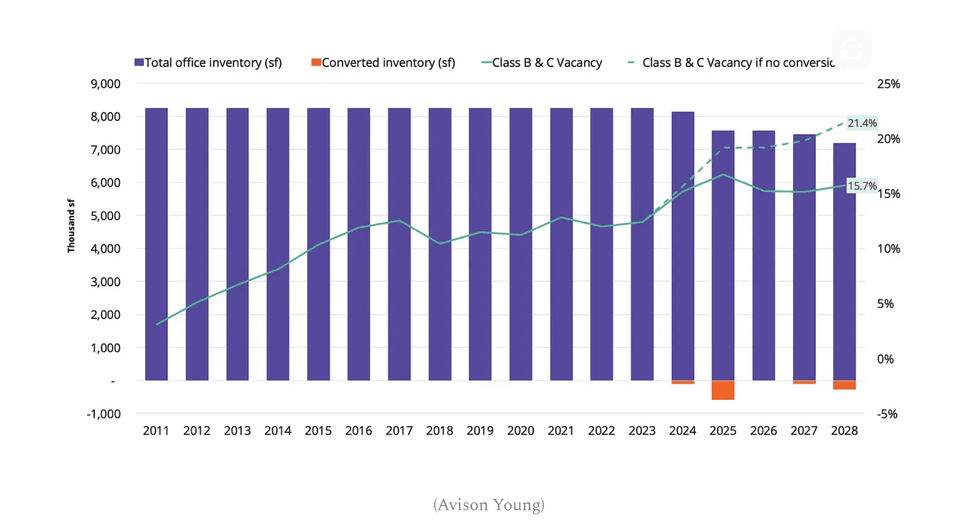 (Avison Young)
 The Mason Suite Interior (Infinity Properties)
 The Mason Suite Interior (Infinity Properties)
 Rail District aerial (Infinity Properties)
 Versant (Infinity Properties)








 Narrow Fourplex (City of Toronto)
 Wide Sixplex - Side View (City of Toronto)
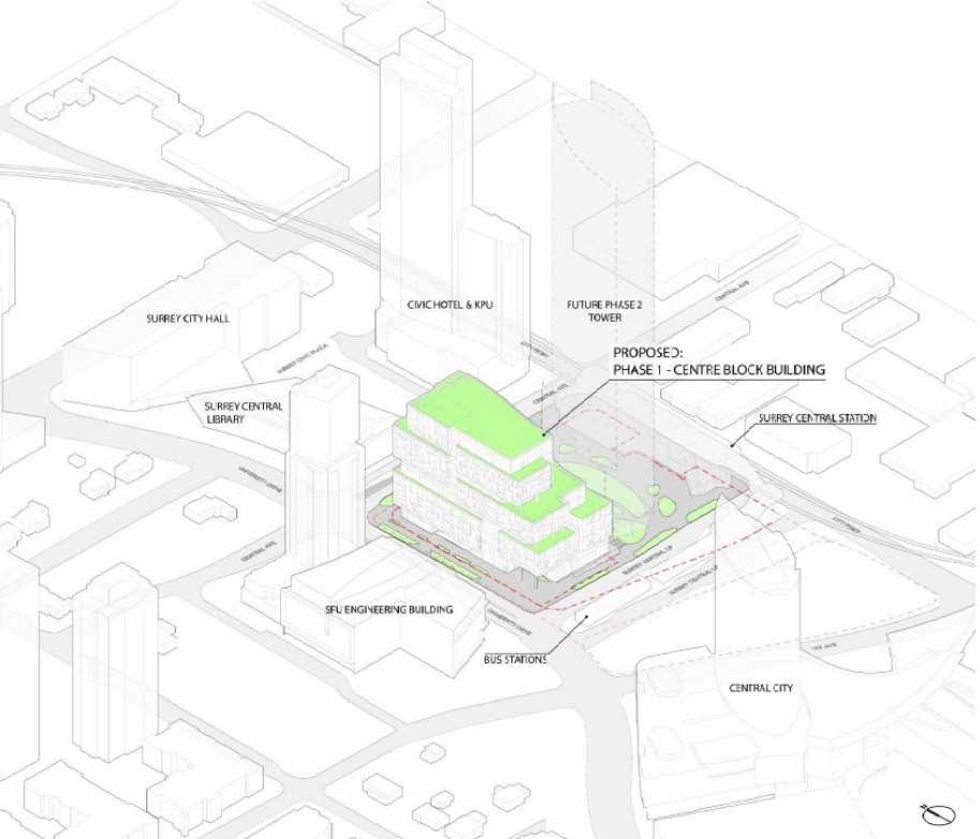 Centre Block and its surrounding context. (Stantec-Revery, SCDC)
 The 12-storey Phase One of Centre Block. (Stantec-Revery, SCDC)
 The 12-storey Phase One of Centre Block. (Stantec-Revery, SCDC)
 Mondria One, set for 1607 King Street East in Clarington, Ontario. (ICON Architects Inc., Monde Development Group)