Closing Statement
Learn what a closing statement is in Canadian real estate, what it includes, and how it ensures all transaction funds are accounted for on closing day.

Shutterstock
May 22, 2025
What is a Closing Statement?
A closing statement is a detailed, itemized summary of all the financial transactions and costs associated with the finalization of a real estate sale.
Why Closing Statements Matter in Real Estate
In Canadian real estate, the closing statement outlines who pays what, and confirms that funds are properly distributed between buyer, seller, legal representatives, and lenders.
The closing statement typically includes:
- Purchase price and deposit
- Adjustments for utilities, taxes, or rent
- Legal fees and disbursements
- Land transfer tax and title insurance
- Mortgage advances and balance owing
Prepared by the buyer’s lawyer or notary, this document ensures transparency and prevents disputes by confirming all amounts have been calculated and paid appropriately.
Understanding the closing statement helps both buyers and sellers verify costs, track payments, and ensure a smooth and accurate closing process.
Example of a Closing Statement in Action
The buyer’s lawyer prepares a closing statement showing the final balance due after deducting the deposit, calculating legal fees, and adjusting for prepaid property taxes.
Key Takeaways
- Lists all financial details of a property transaction.
- Ensures accurate disbursement of funds.
- Prepared by legal representatives.
- Clarifies adjustments and final payments.
- Vital for transparency and accountability.
Related Terms
- Closing Costs
- Disbursements
- Title Transfer
- Legal Fees
- Trust Account
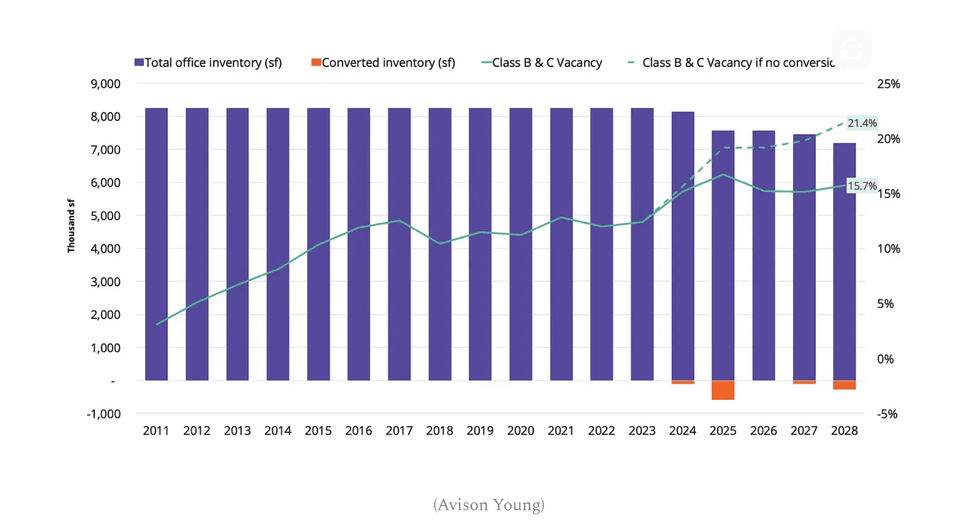 (Avison Young)
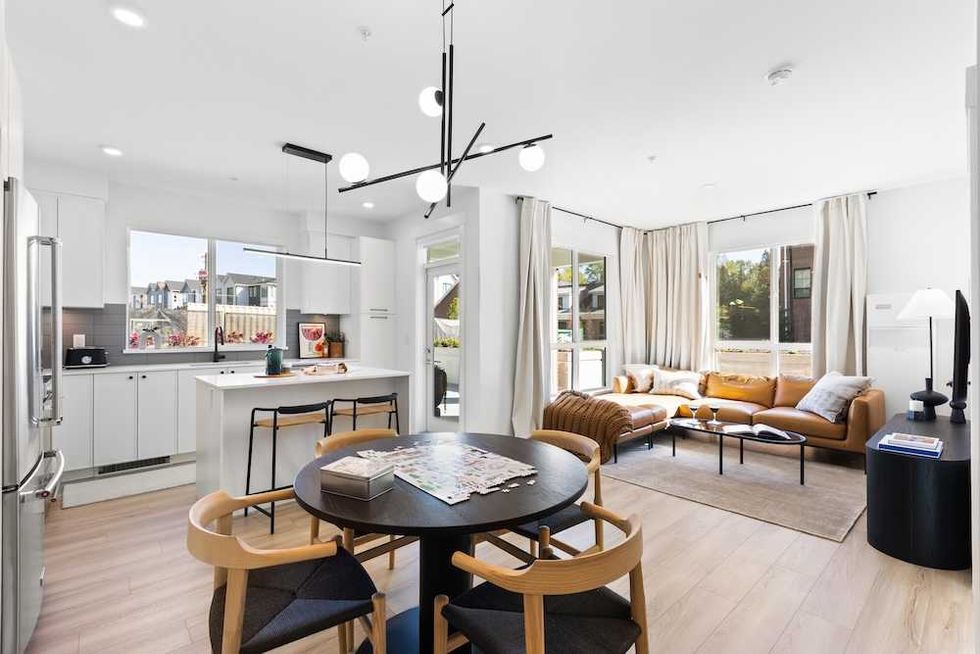 The Mason Suite Interior (Infinity Properties)
 The Mason Suite Interior (Infinity Properties)
 Rail District aerial (Infinity Properties)
 Versant (Infinity Properties)






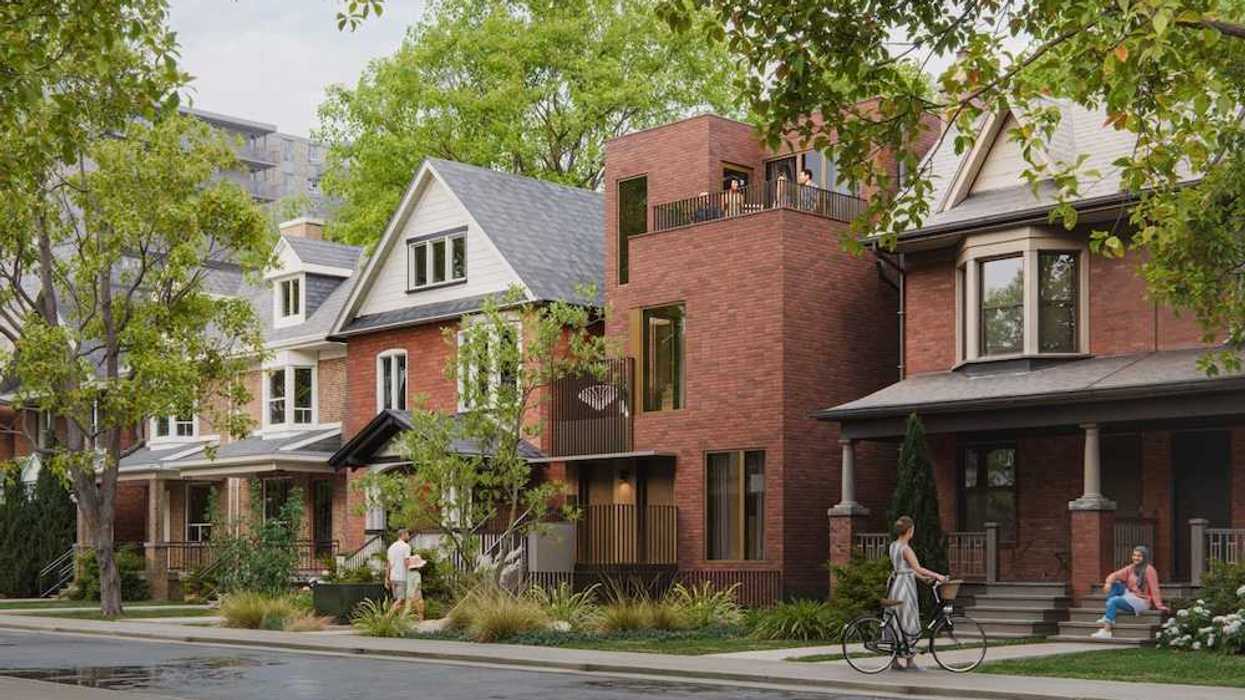
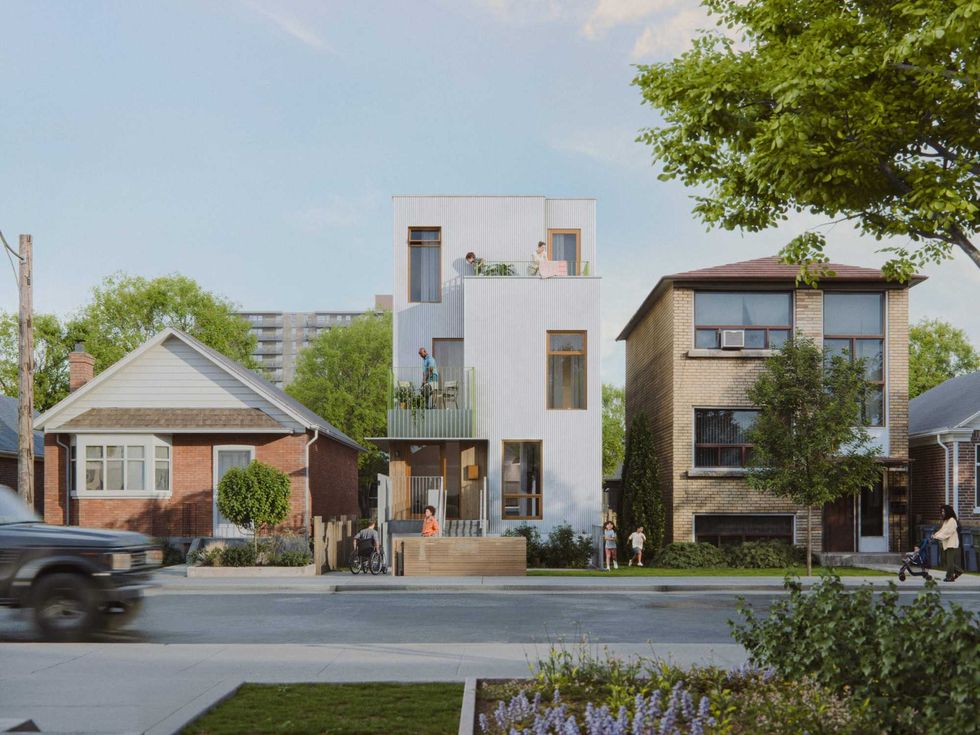 Narrow Fourplex (City of Toronto)
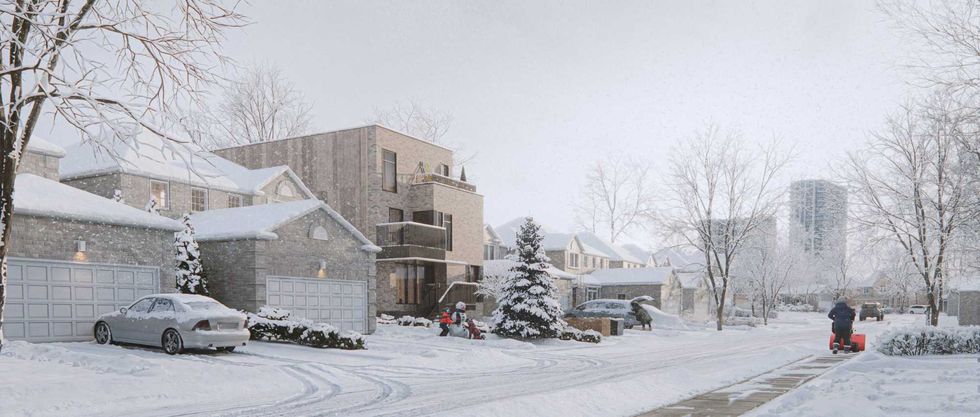 Wide Sixplex - Side View (City of Toronto)
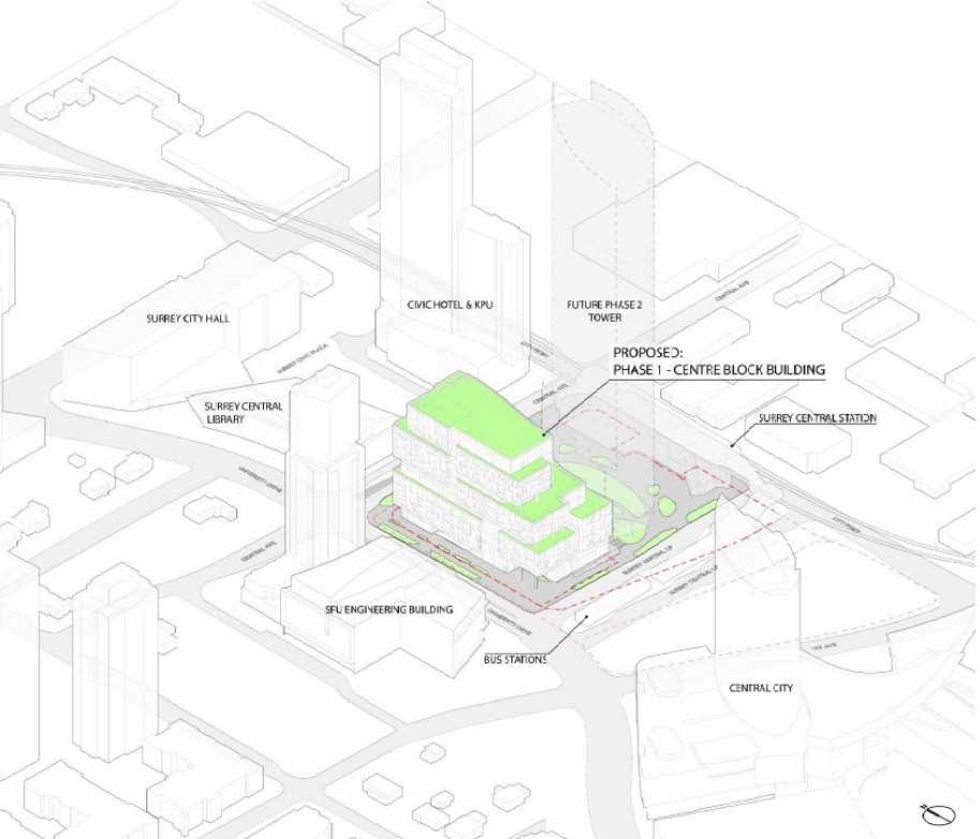 Centre Block and its surrounding context. (Stantec-Revery, SCDC)
 The 12-storey Phase One of Centre Block. (Stantec-Revery, SCDC)
 The 12-storey Phase One of Centre Block. (Stantec-Revery, SCDC)
 Mondria One, set for 1607 King Street East in Clarington, Ontario. (ICON Architects Inc., Monde Development Group)