Condo Fees
Learn what condo fees are in Canadian real estate, how they're calculated, what they cover, and how they affect the cost of owning a condominium.

May 22, 2025
What are Condo Fees?
Condo fees, also known as maintenance fees, are monthly payments made by condominium owners to their condominium corporation to cover the upkeep and operation of the building and shared amenities.
Why Condo Fees Matter in Real Estate
In Canadian real estate, condo fees are a significant and ongoing cost associated with owning a condominium. These fees fund the maintenance of common areas such as lobbies, hallways, elevators, fitness centres, and parking garages, as well as services like snow removal, landscaping, and security.
Condo fees also contribute to the building’s reserve fund—a savings account set aside for major future repairs like roof replacements or structural upgrades. The size of the fee depends on the building’s size, age, amenities, and location. Units with larger square footage or premium locations (e.g., corner units or penthouses) often pay higher fees.
Buyers should factor condo fees into their monthly housing budget, as they directly impact affordability and mortgage qualification. A well-managed condo corporation will provide a clear financial breakdown and a healthy reserve fund. Prospective buyers are advised to review the condominium’s status certificate to understand financial health, fee history, and any pending increases.
Understanding condo fees helps buyers compare buildings, assess long-term affordability, and anticipate shared ownership responsibilities.
Example of Condo Fees in Action
A condo owner in Vancouver pays $450/month in condo fees, which cover heating, building insurance, maintenance, and contributions to the reserve fund.
Key Takeaways
- Monthly payments that cover shared building expenses.
- Vary based on unit size, amenities, and building condition.
- Include contributions to a long-term reserve fund.
- Impact affordability and should be reviewed before purchase.
- Documented in the condominium’s status certificate.
Related Terms
- Reserve Fund
- Condominium Corporation
- Status Certificate
- Property Management
- HOA Fees
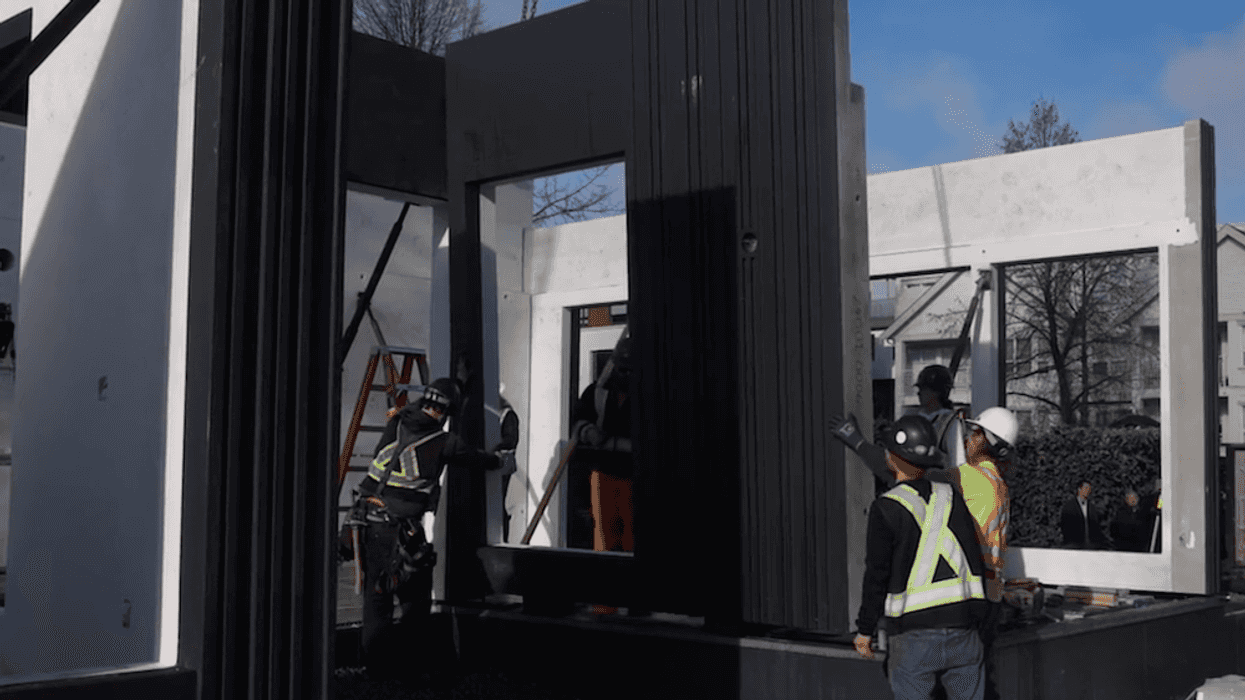
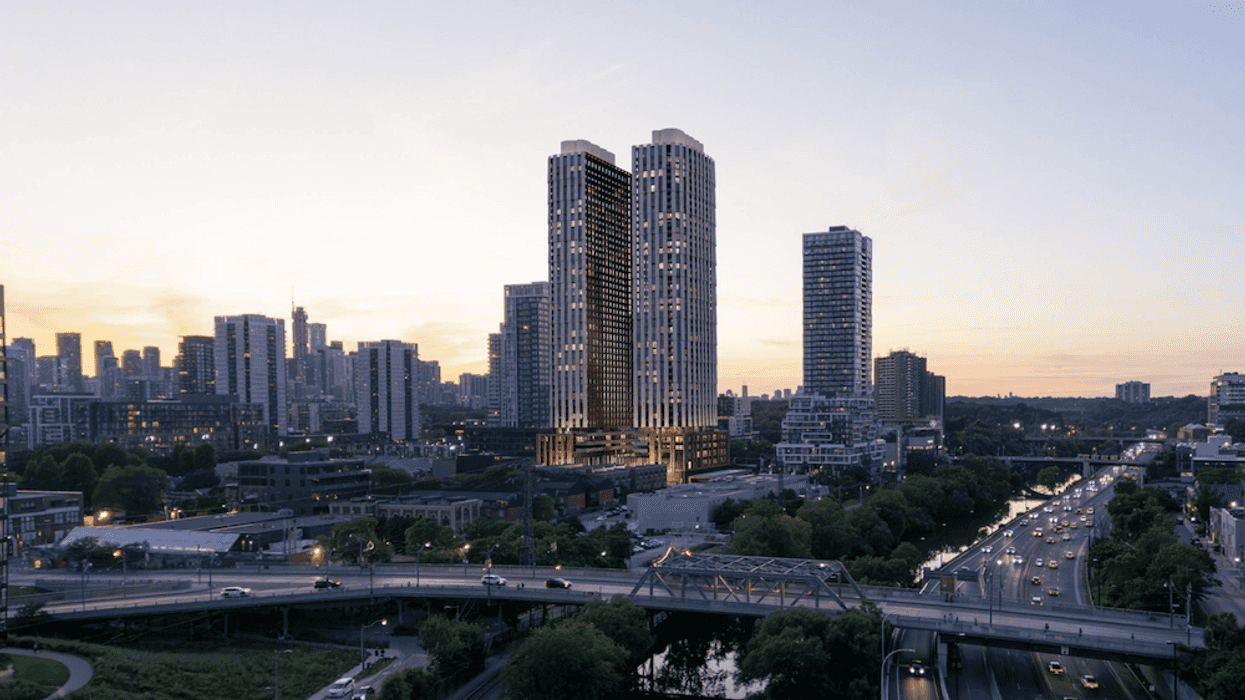
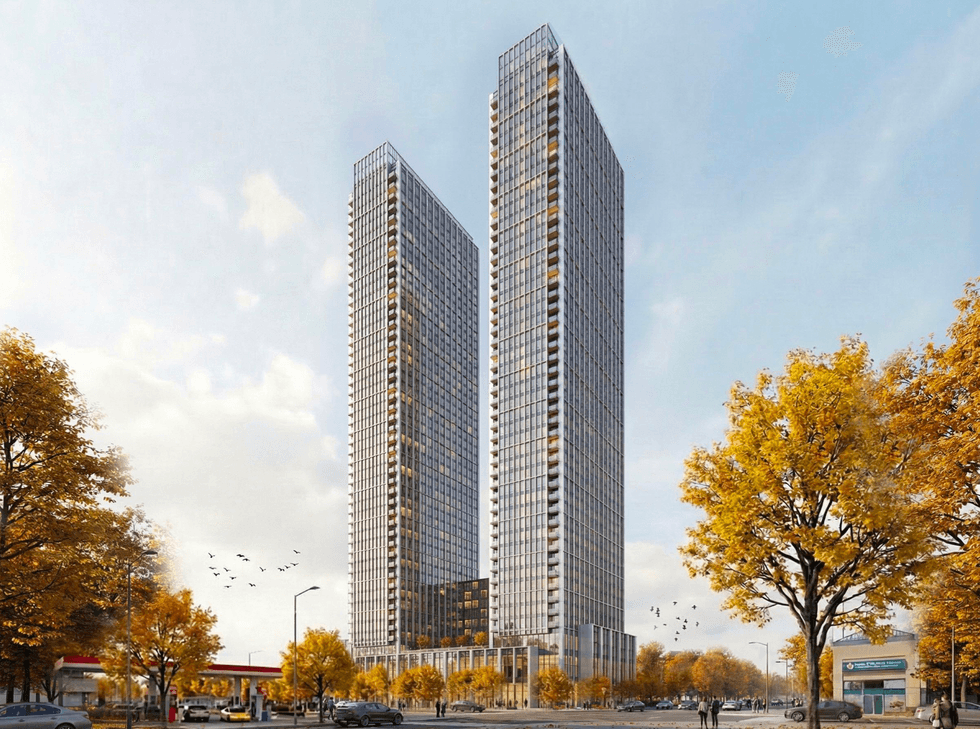
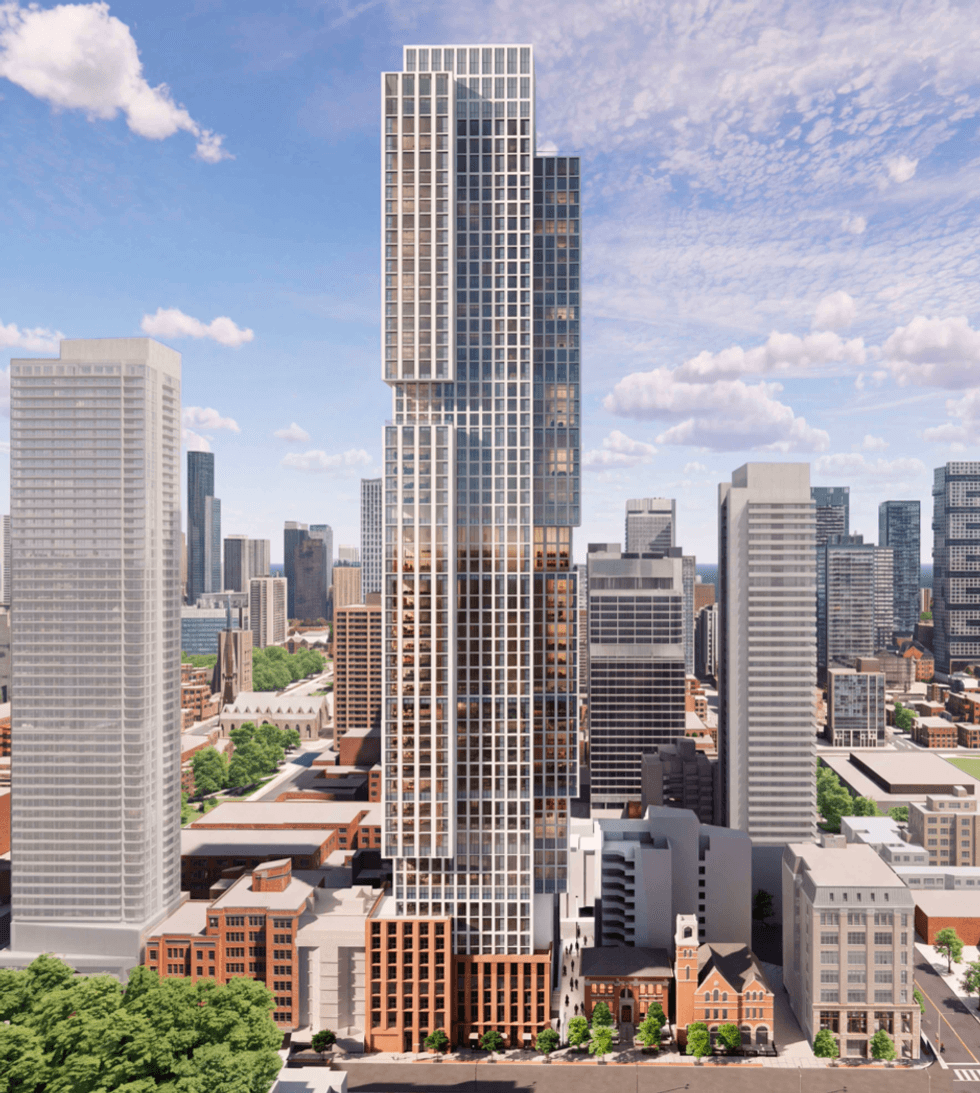 Rendering of 86 and 100-108 Lombard St and 103 Richmond St E/WZMH Architects
 Rendering of 60 Overlea Blvd/Sweeny&Co Architects
 Rendering of 7 Labatt Ave and 77 River St/Giannone Petricone Associates
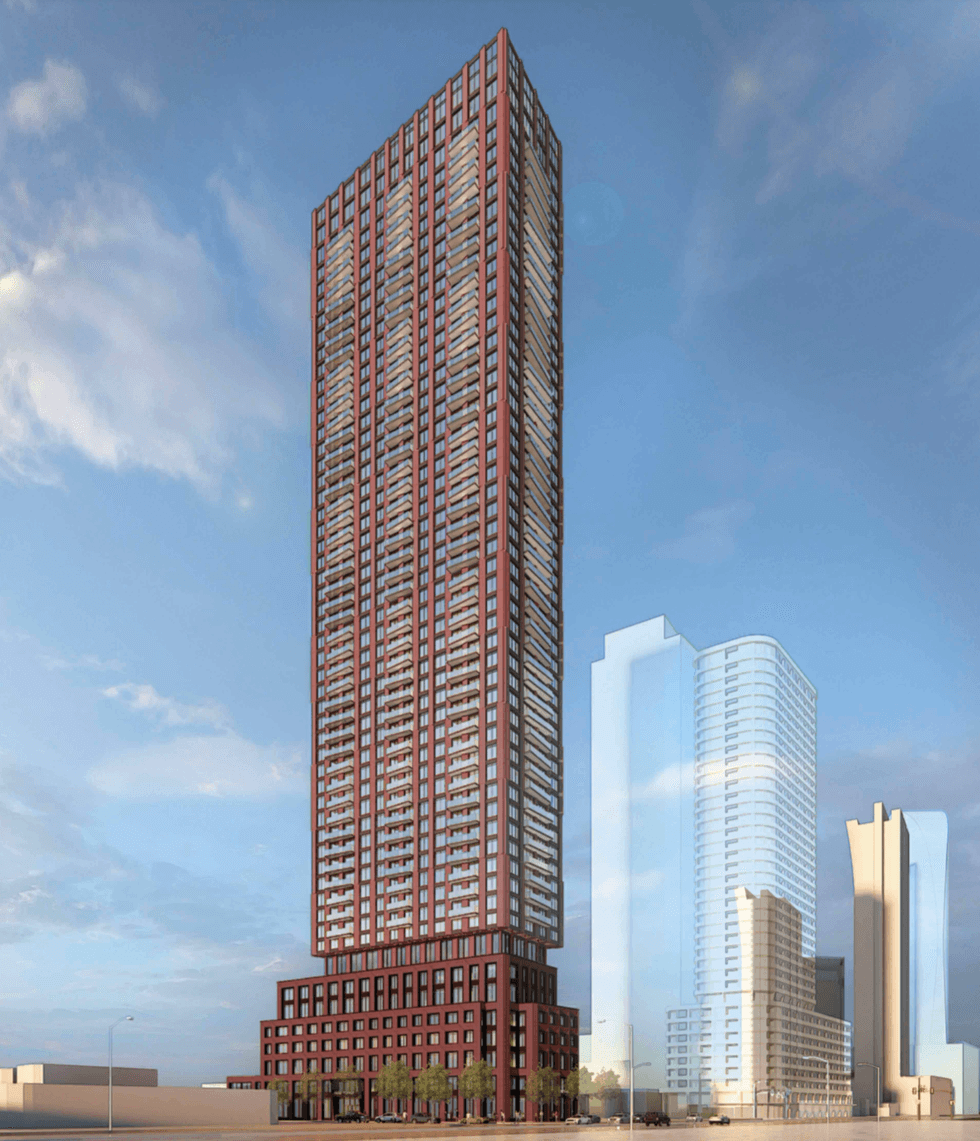 Rendering of 4632-4648 Yonge St and 16-18 Cameron Ave/Arcadis
 Rendering of 1234 Islington Ave/Sweeny&Co Architects
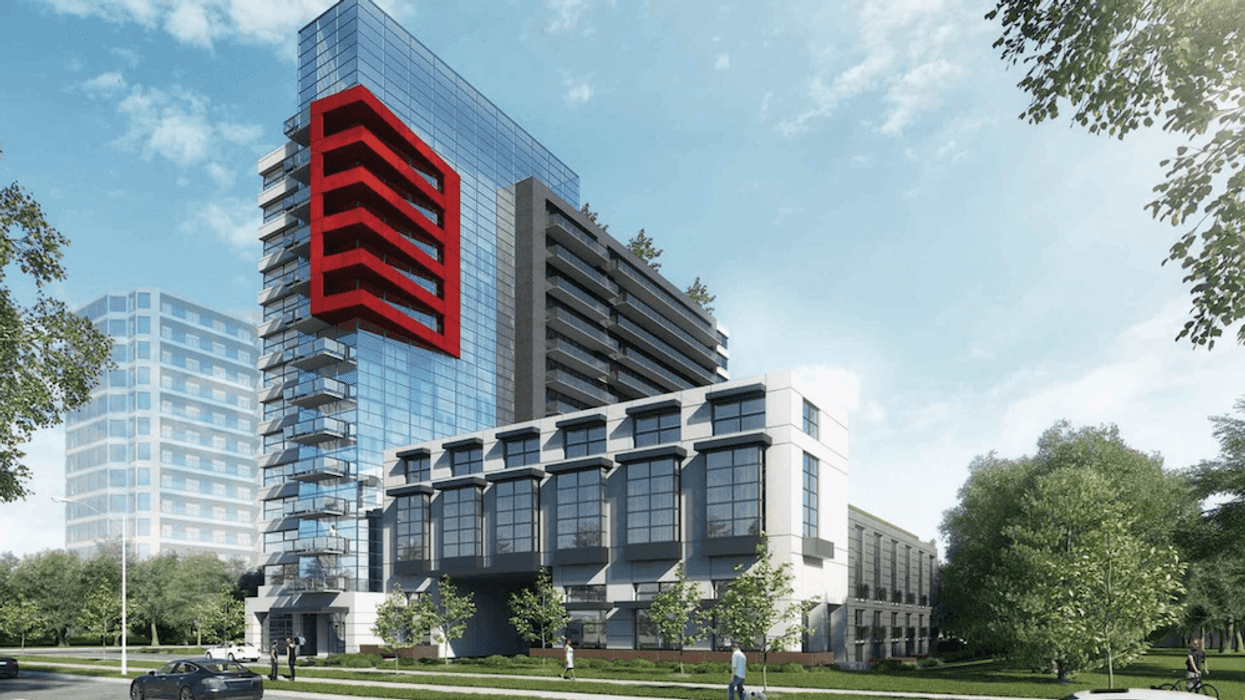




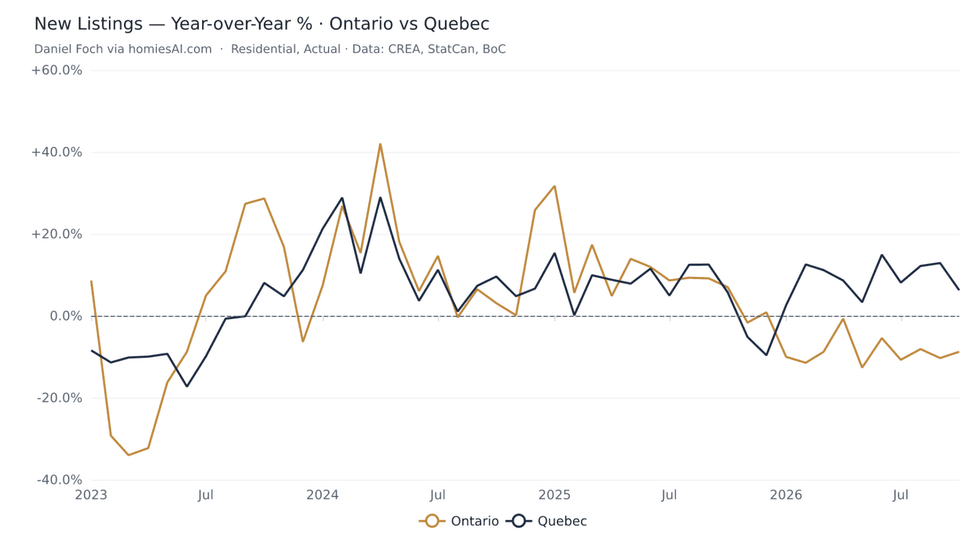 Chart: New listings, year-over-year %, Ontario vs Quebec. Daniel Foch via homiesai.com/stats. Data:
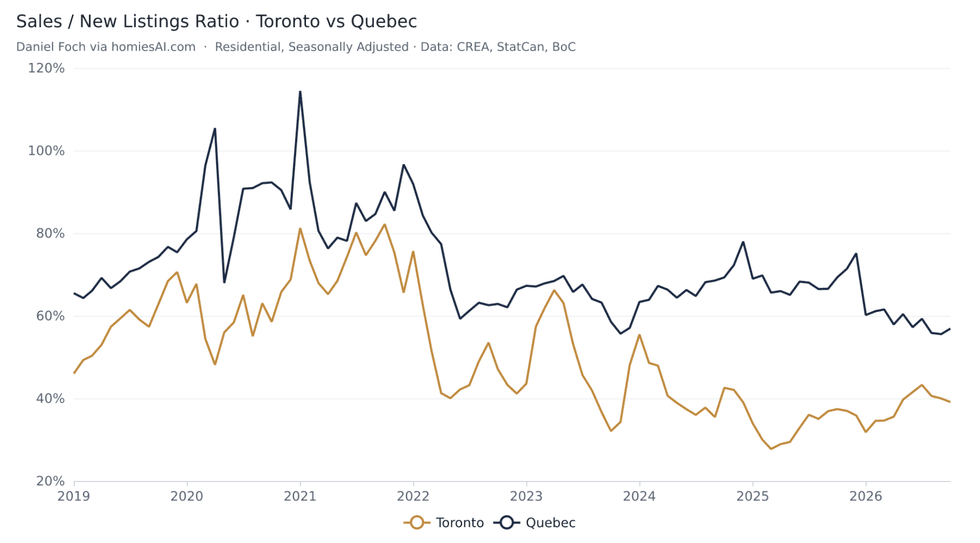 Chart: Sales-to-new-listings ratio, seasonally adjusted. Toronto vs Quebec. Daniel Foch via homiesai.com/stats. Data: CREA.
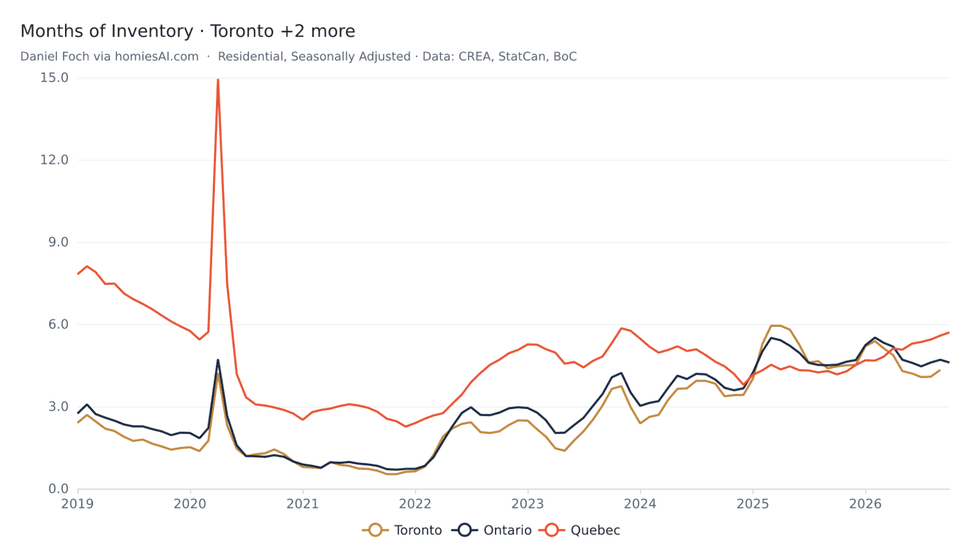 Chart: Months of inventory, seasonally adjusted. Daniel Foch via homiesai.com/stats. Data: CREA.
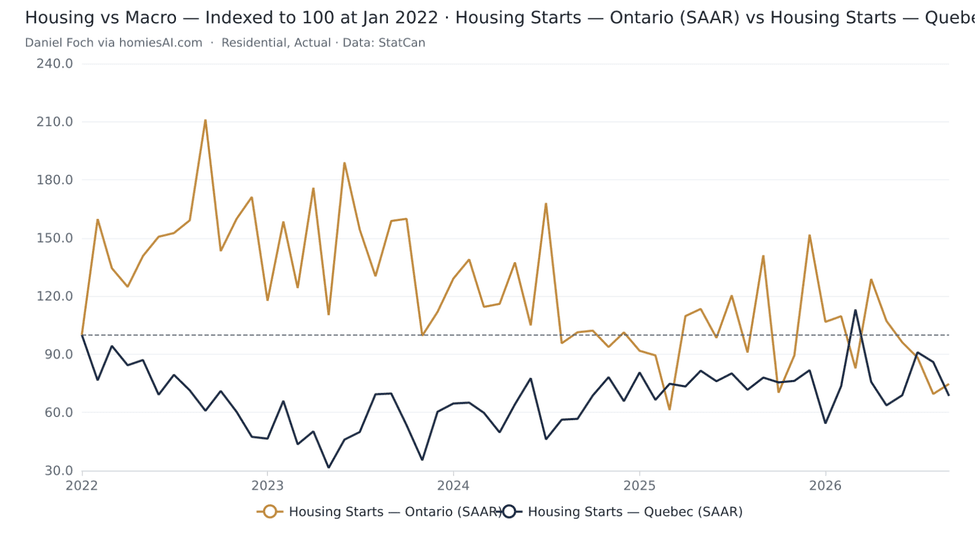 Chart: Housing starts, seasonally adjusted annual rate, Ontario vs Quebec, indexed to January 2022. Daniel Foch via homiesai.com/stats. Data: CMHC via Statistics Canada.
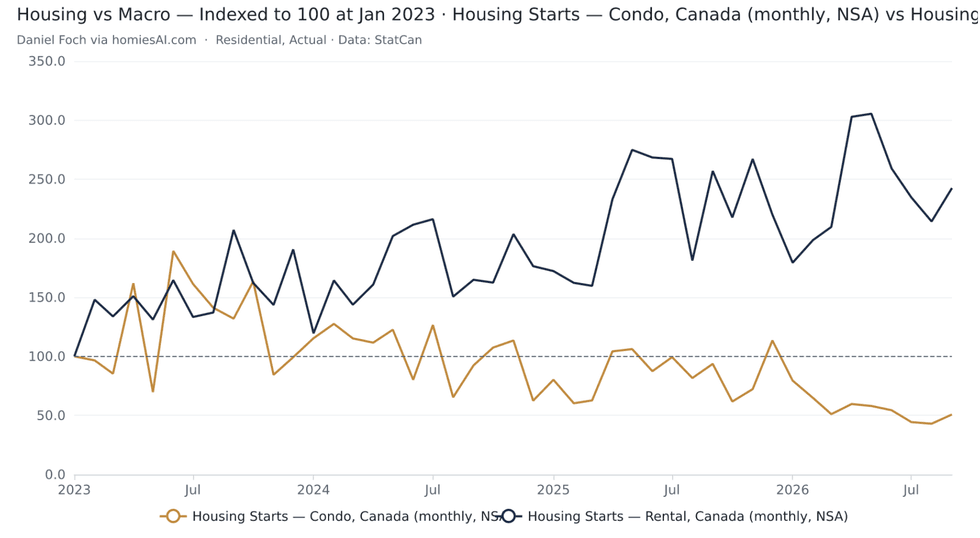 Chart: Condo vs rental housing starts, Canada, indexed to January 2023. Daniel Foch via homiesai.com/stats. Data: CMHC via Statistics Canada.
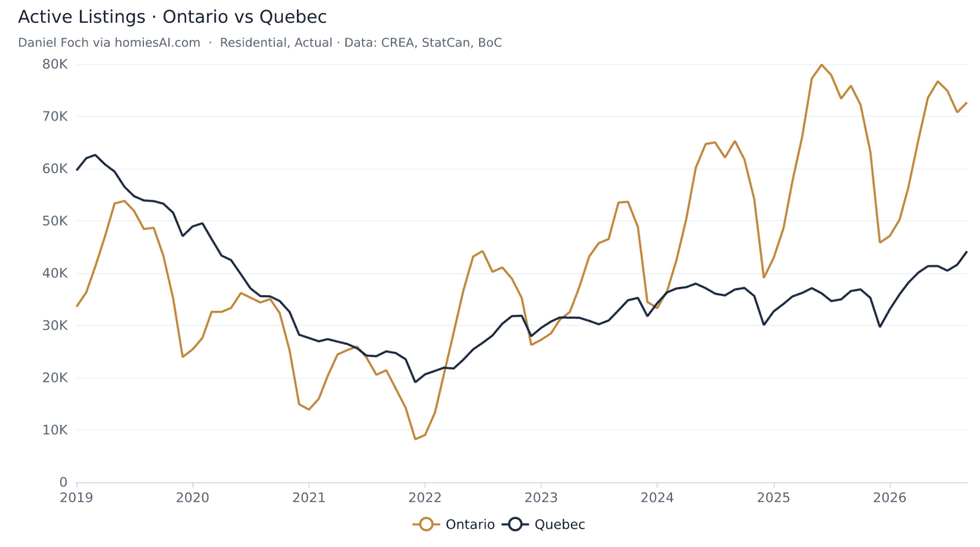 Chart: Active residential listings, Ontario vs Quebec. Daniel Foch via homiesai.com/stats. Data: CREA.
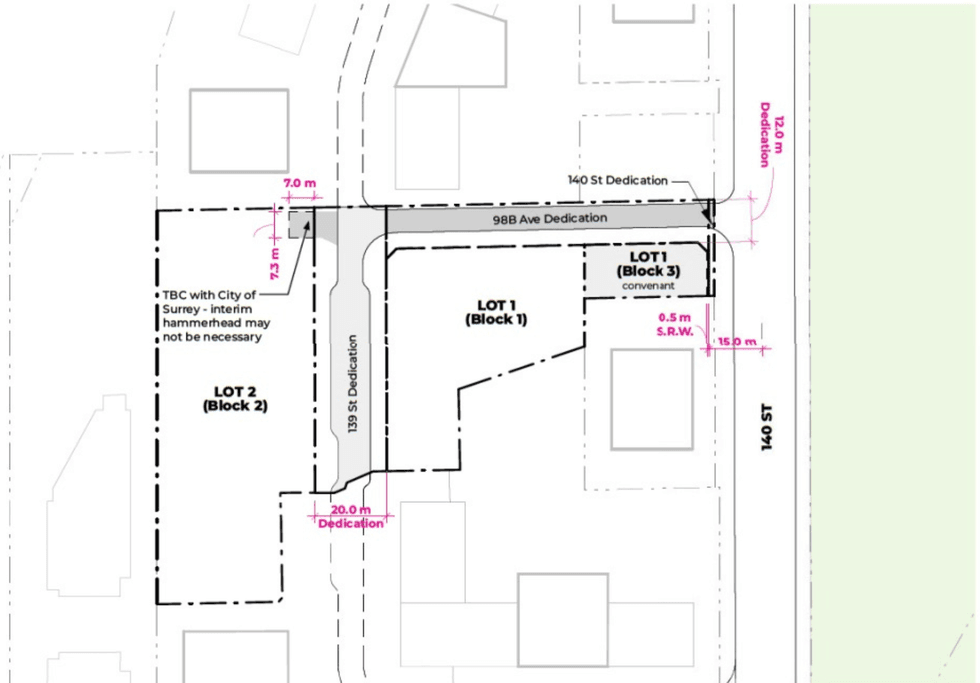 9883 140 Street and the proposed road dedications. (WW+P Architects, Entre Nous Femmes Housing Society)
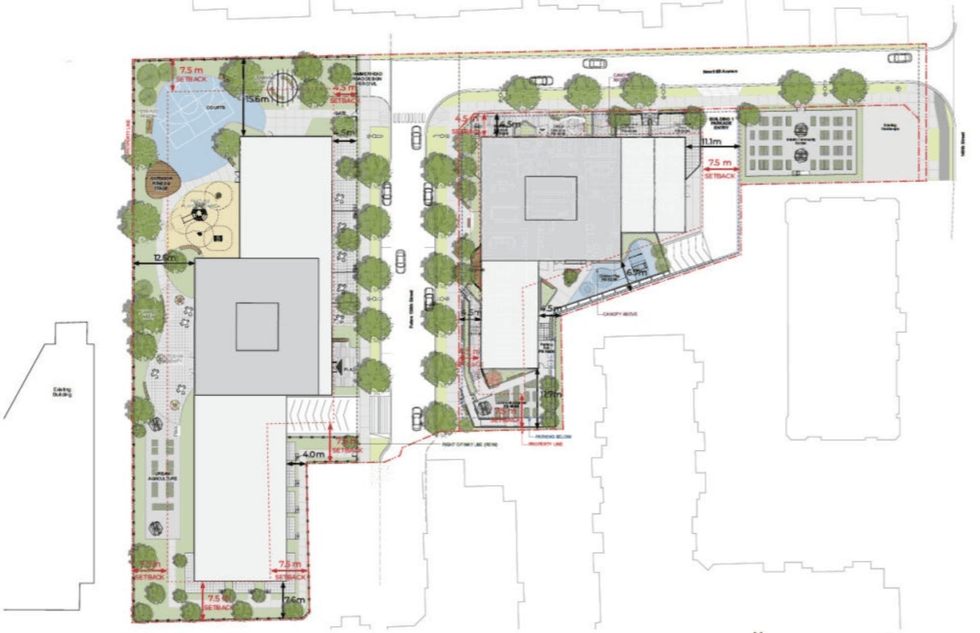 The
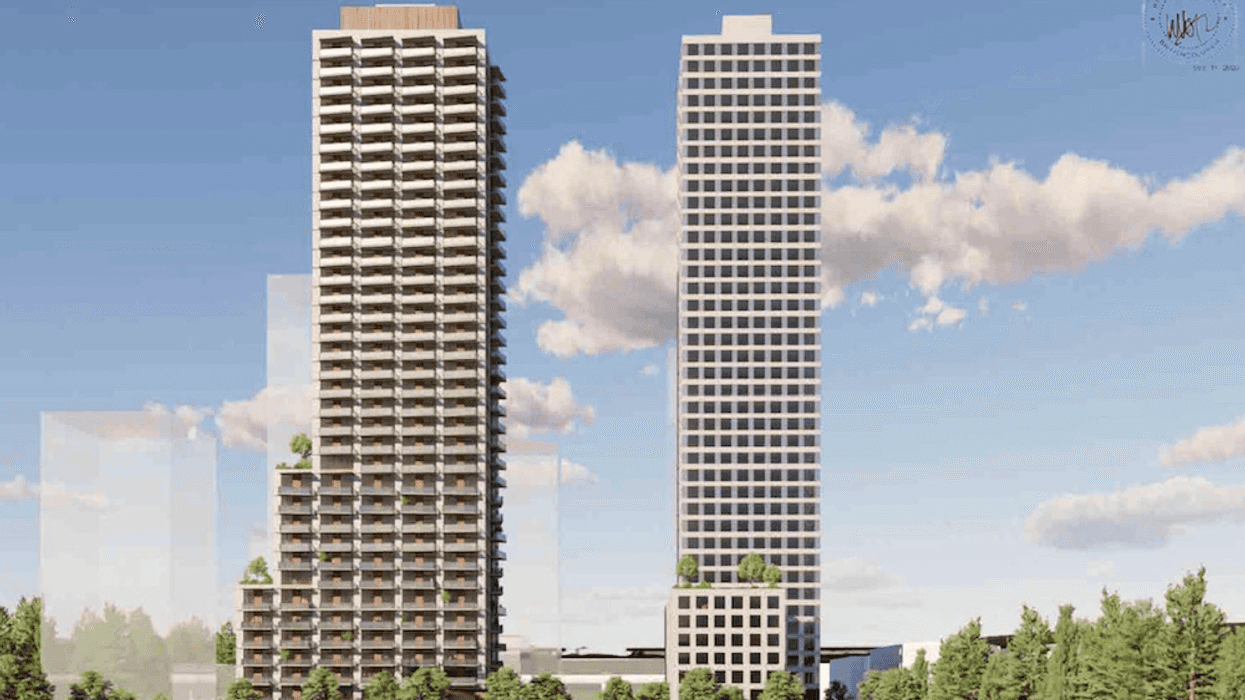
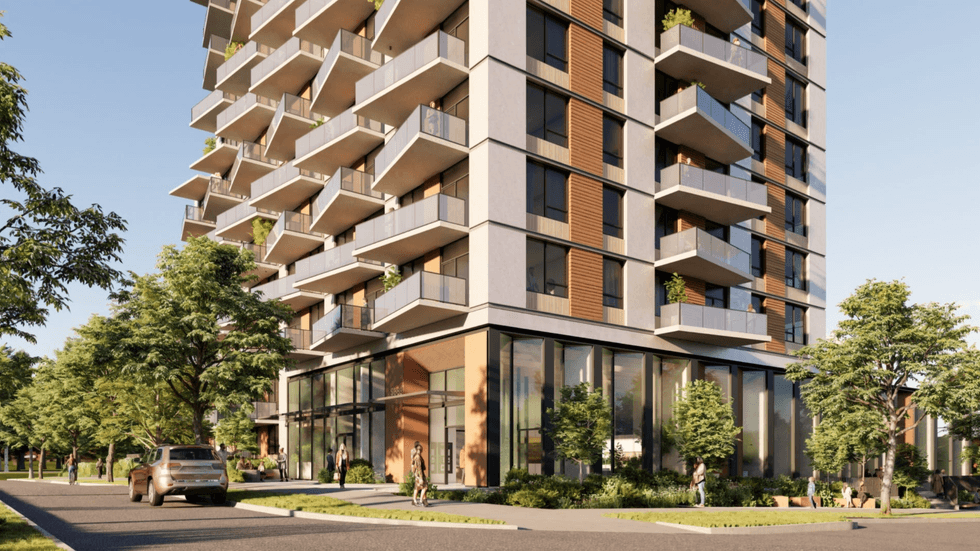 One of the towers proposed for 9883 140 Street. (Entres Nous Femmes Housing Society)

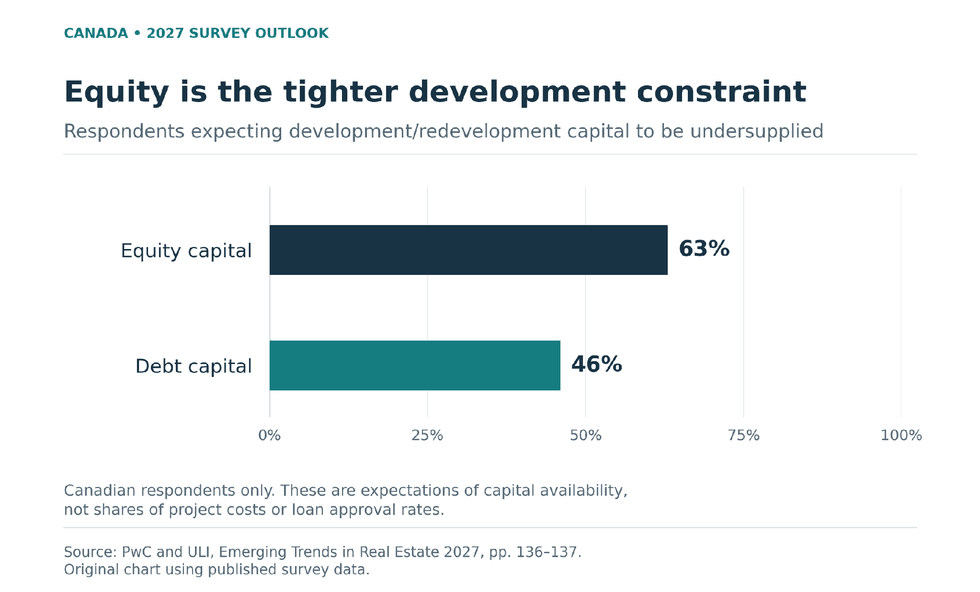 Canadian respondents were more likely to expect an undersupply of development/redevelopment equity capital (63%) than debt capital (46%) in 2027. These are survey expectations, not measured financing volumes. Source: PwC and ULI, Emerging Trends in Real Estate 2027, pp. 136–137. Original chart.
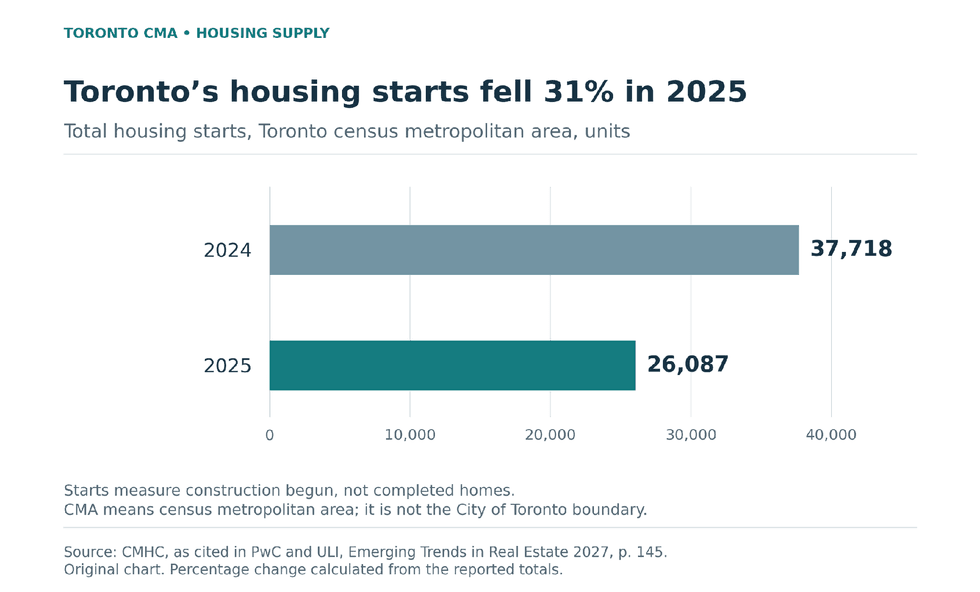 Toronto census metropolitan area housing starts fell from 37,718 units in 2024 to 26,087 in 2025, a 30.8% decline (rounded to 31%). Starts measure construction begun, not completed homes. Source: CMHC, as cited in PwC and ULI, Emerging Trends in Real Estate 2027, p. 145. Original chart.