Amortization
Explore amortization in Canadian real estate, how it affects mortgage repayment, interest costs, and homeownership planning.

May 22, 2025
What is Amortization?
Amortization refers to the process of gradually repaying a mortgage through regular payments over a fixed period of time.
Why Amortization Matters in Real Estate
In Canadian real estate, the amortization period determines the length of time it will take to fully pay off a mortgage. It impacts the size of monthly payments and total interest paid over the life of the loan.
Typical amortization periods:
- 25 years for insured mortgages
- Up to 30 years for uninsured mortgages
Amortization is distinct from the mortgage term, which defines the current contract period. The mortgage is typically renewed multiple times within the amortization schedule.
Understanding amortization helps buyers compare mortgage options and manage long-term affordability.
Example of Amortization
A homeowner selects a 25-year amortization and a 5-year term. They will renew the mortgage several times until the full loan is repaid.
Key Takeaways
- Total time to repay a mortgage in full.
- Affects monthly payment size and total interest.
- Different from mortgage term.
- Can be extended or shortened with refinancing.
- Crucial for long-term budget planning.
Related Terms
- Mortgage
- Mortgage Term
- Refinance
- Interest Rate
- Loan-to-Value Ratio (LTV)

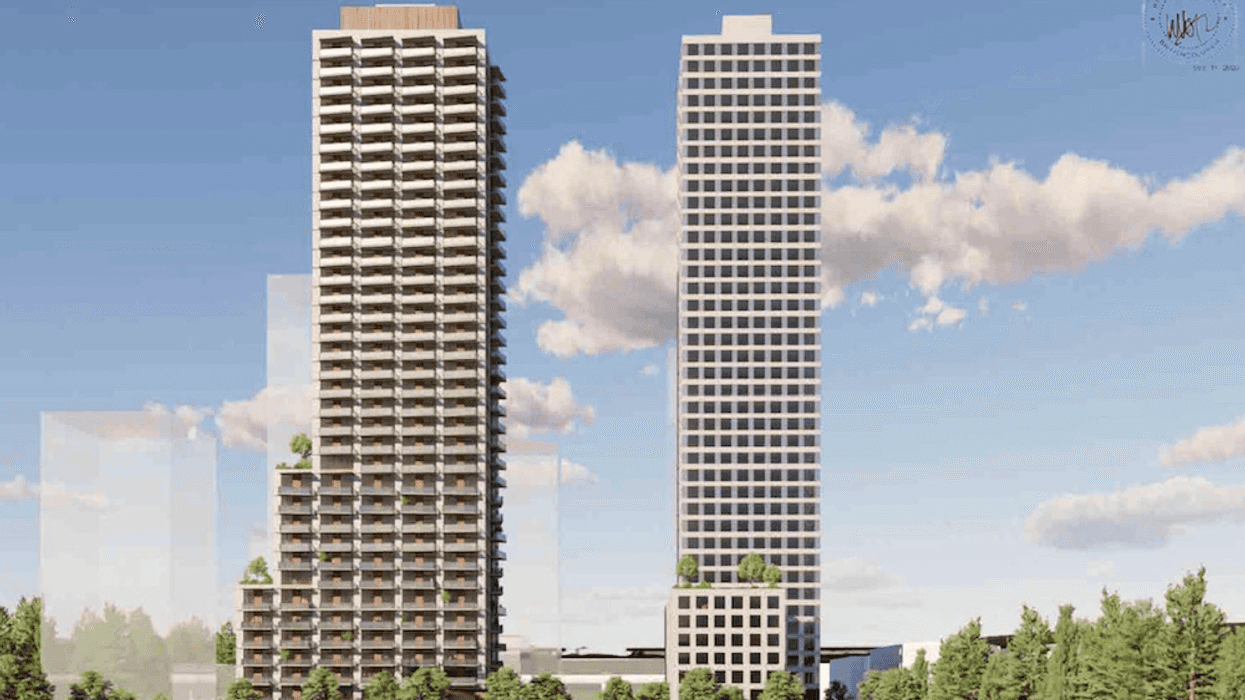
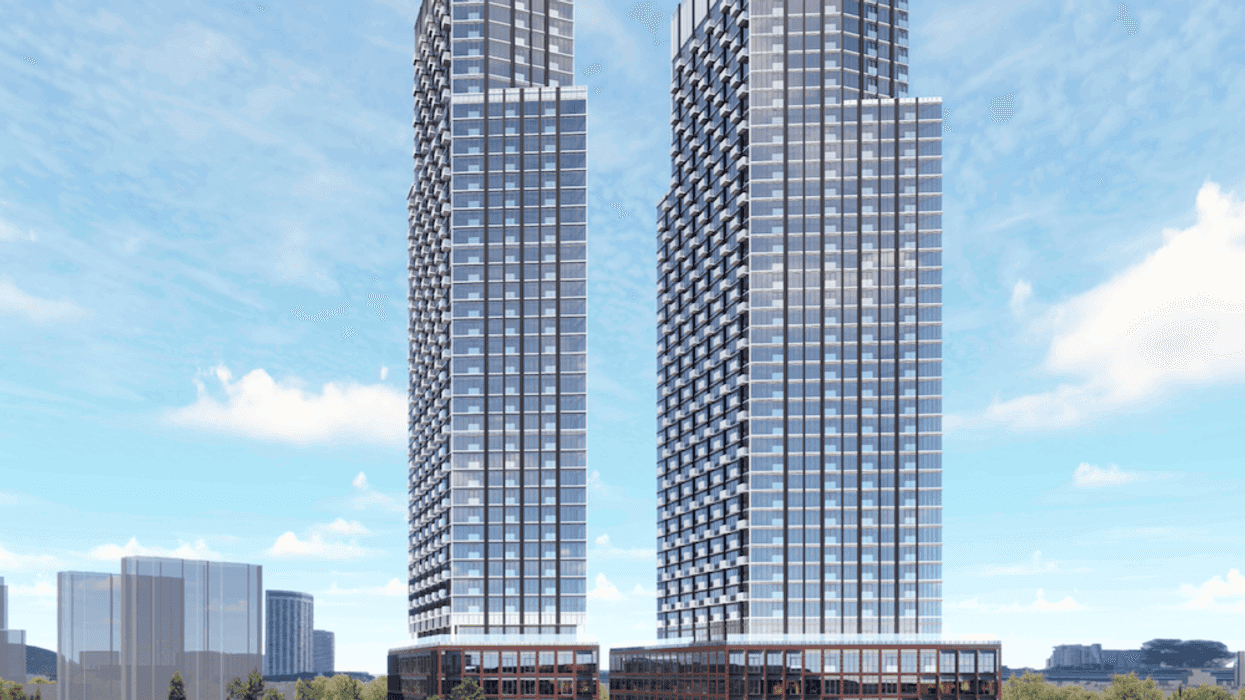
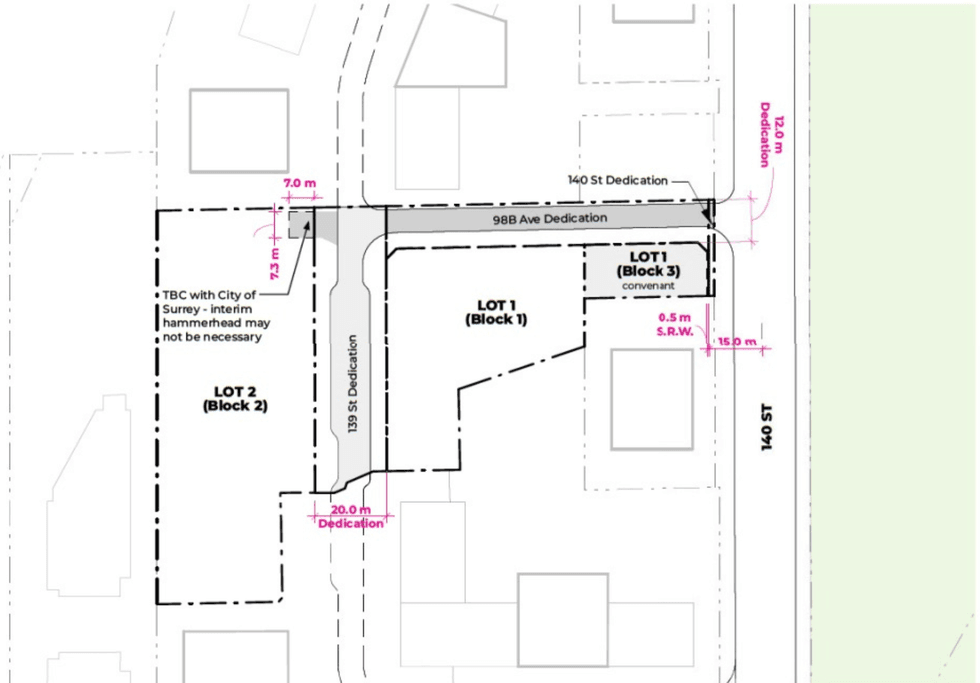 9883 140 Street and the proposed road dedications. (WW+P Architects, Entre Nous Femmes Housing Society)
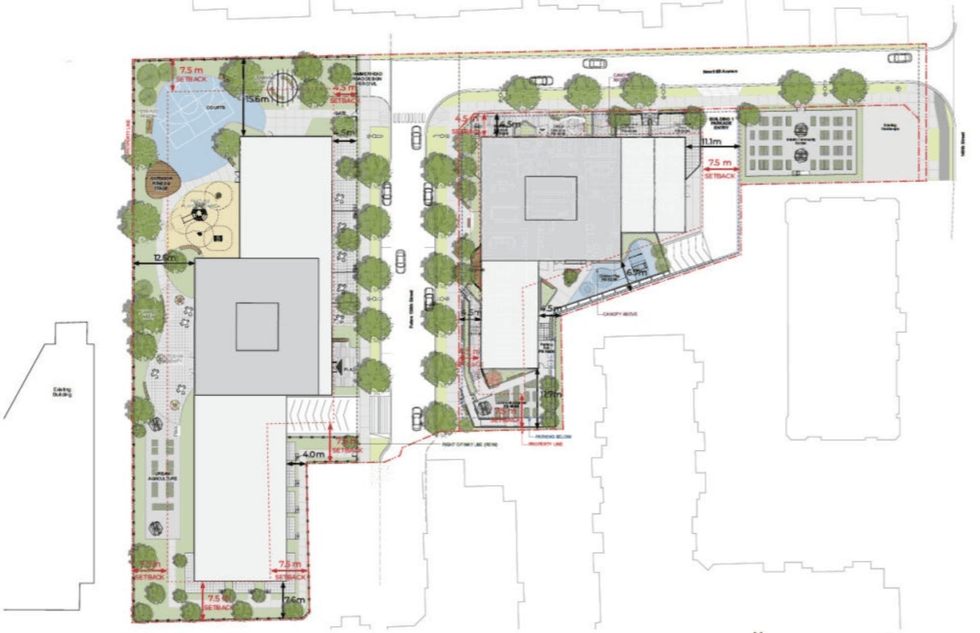 The
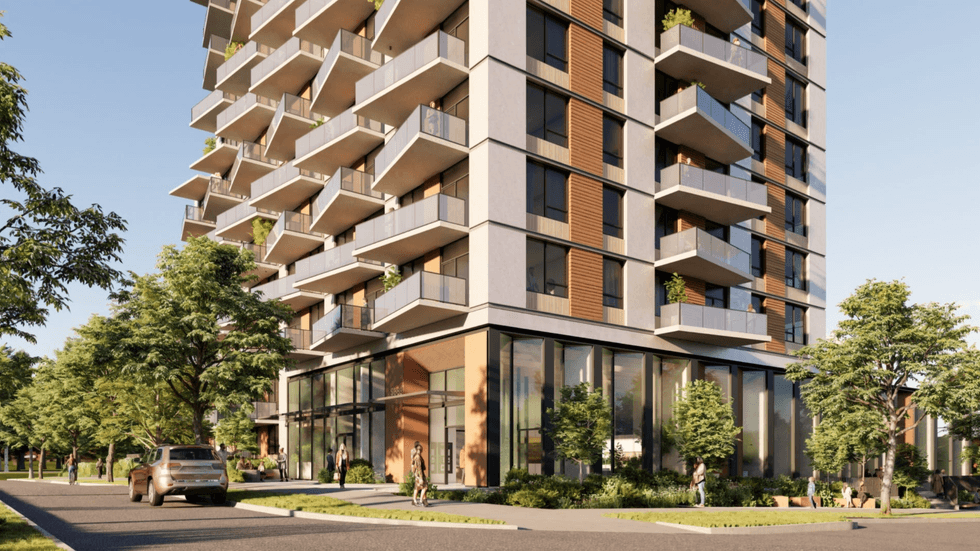 One of the towers proposed for 9883 140 Street. (Entres Nous Femmes Housing Society)





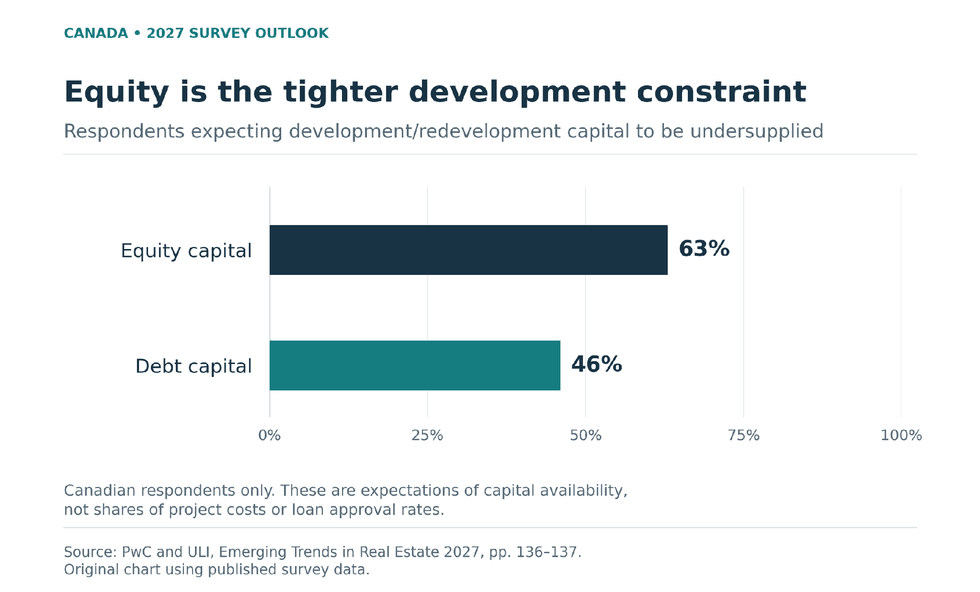 Canadian respondents were more likely to expect an undersupply of development/redevelopment equity capital (63%) than debt capital (46%) in 2027. These are survey expectations, not measured financing volumes. Source: PwC and ULI, Emerging Trends in Real Estate 2027, pp. 136–137. Original chart.
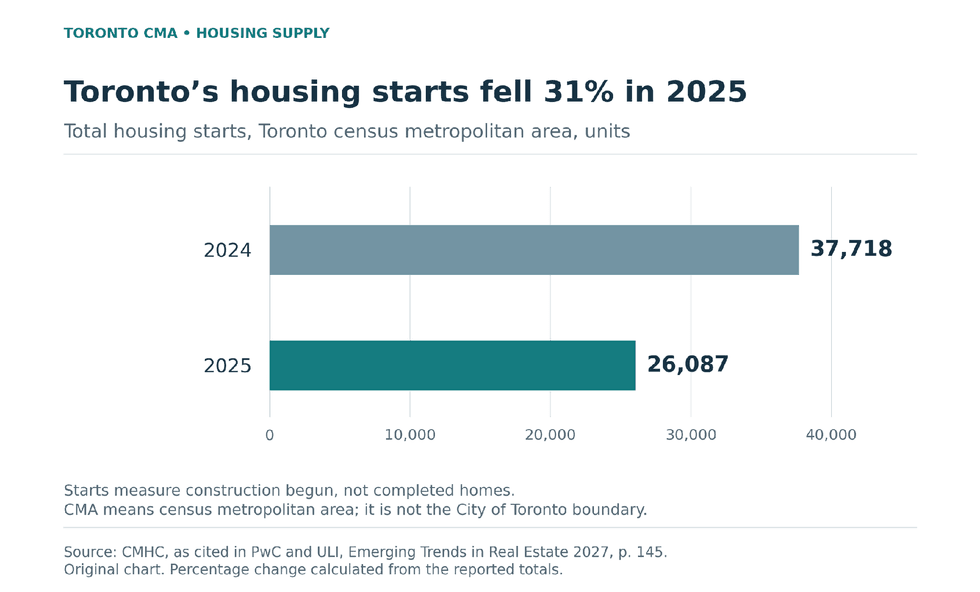 Toronto census metropolitan area housing starts fell from 37,718 units in 2024 to 26,087 in 2025, a 30.8% decline (rounded to 31%). Starts measure construction begun, not completed homes. Source: CMHC, as cited in PwC and ULI, Emerging Trends in Real Estate 2027, p. 145. Original chart.


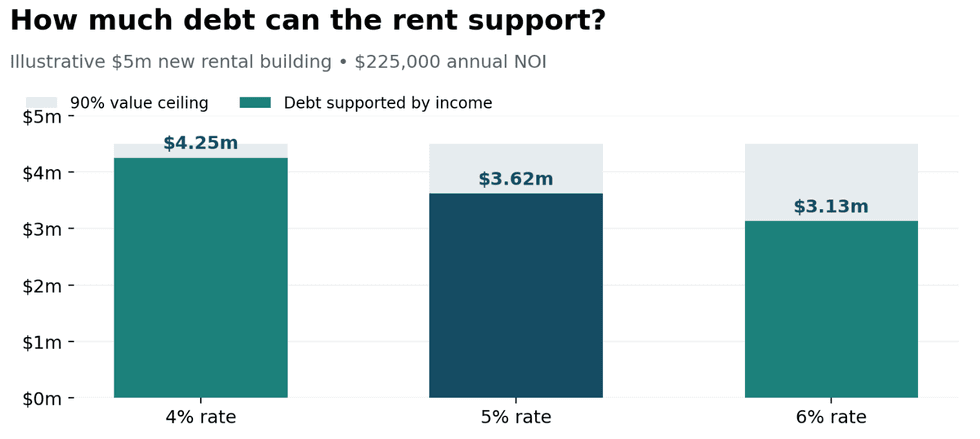 Illustrative calculation: a $4.5-million value ceiling versus income-based capacity of about $4.25 million at 4%, $3.62 million at 5% and $3.13 million at 6%. Assumes 50-year amortization and 1.15 debt coverage.
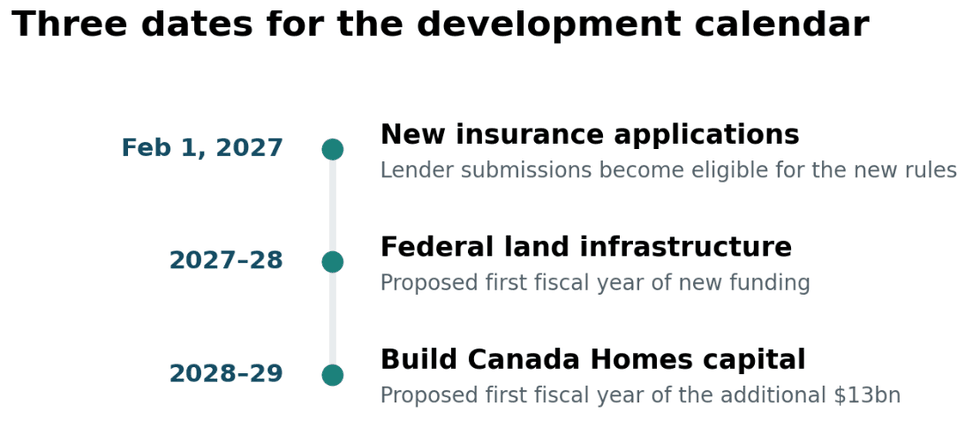 Source: Department of Finance missing-middle backgrounder and Budget 2026 Chapter 3, November 5, 2026. Fiscal-year funding starts are not home-completion dates.
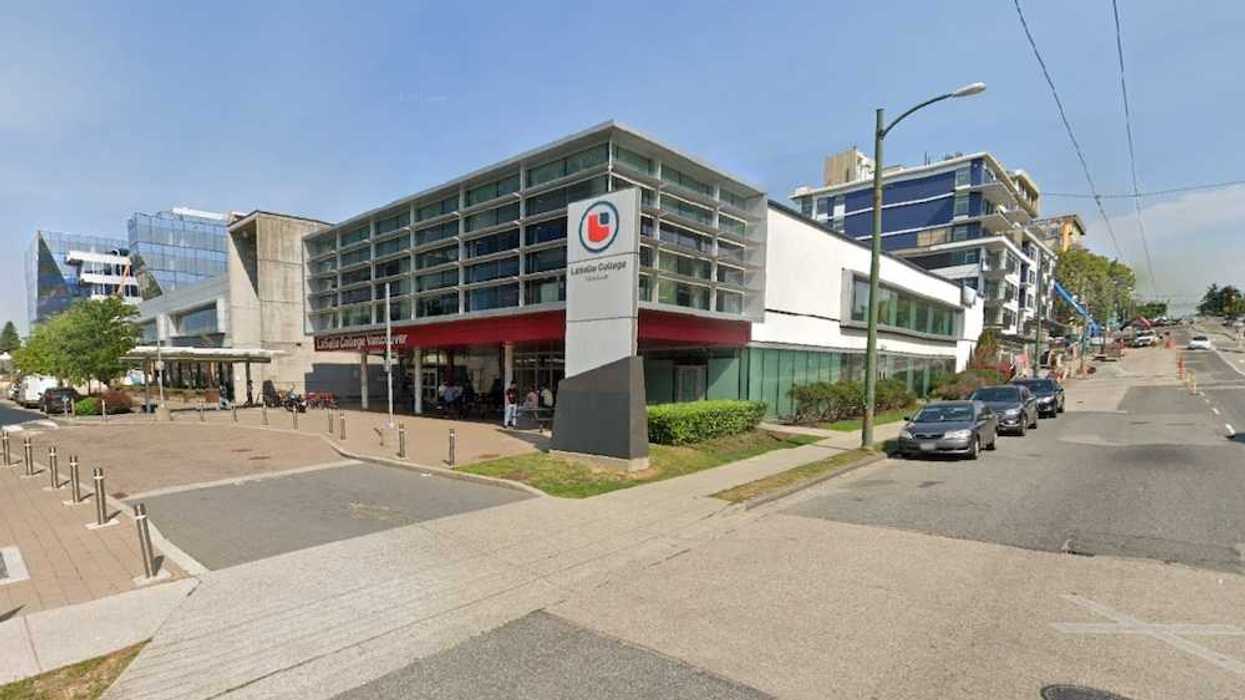
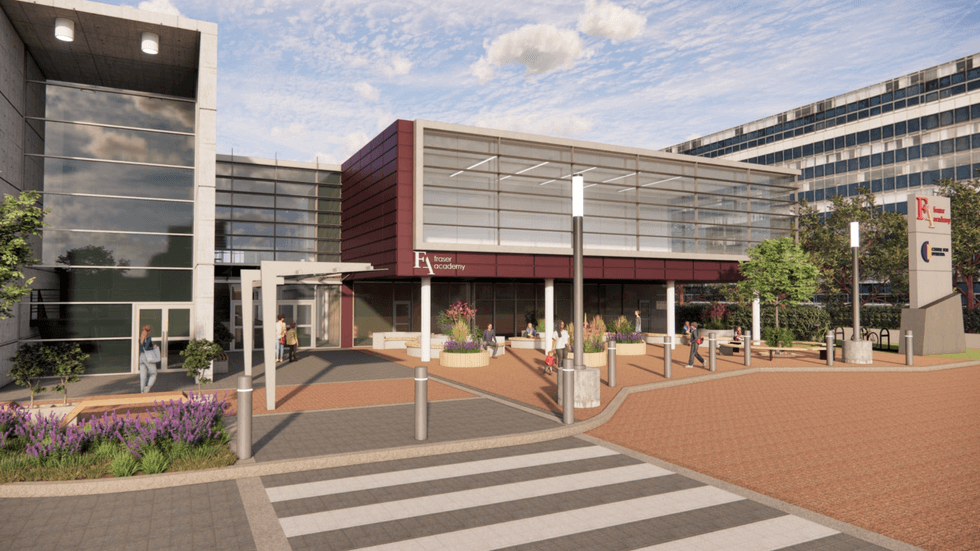 A rendering of Fraser Academy’s new campus. (Fraser Academy)

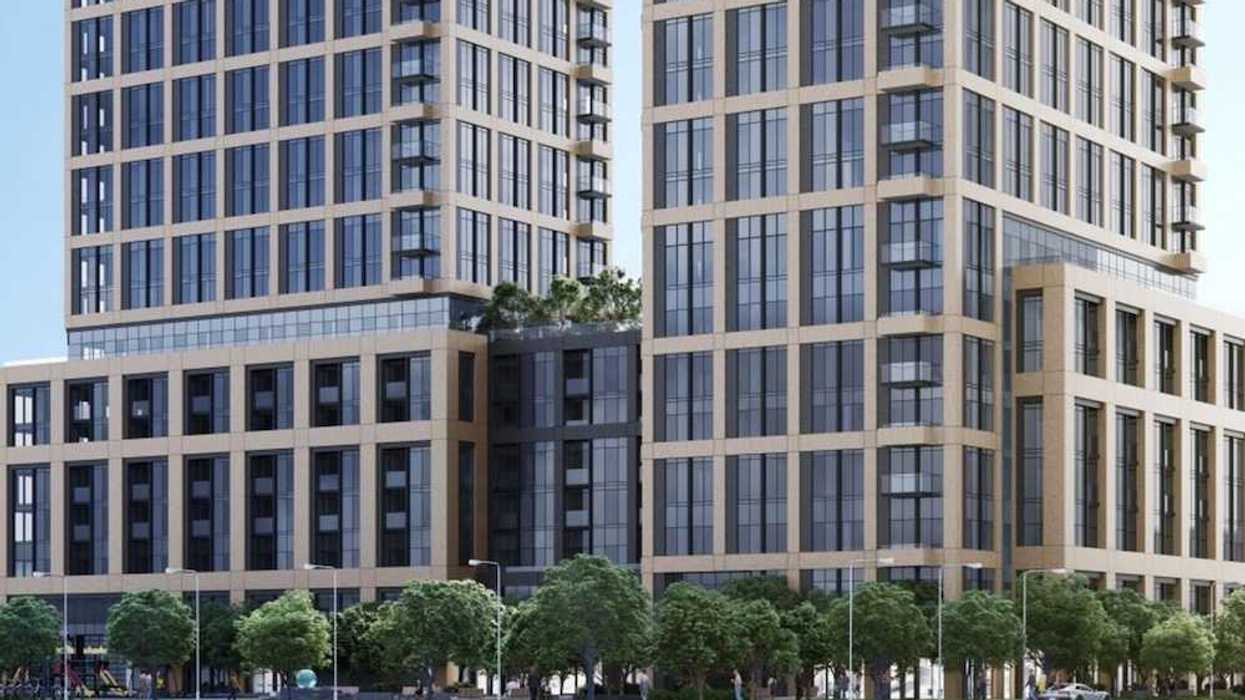
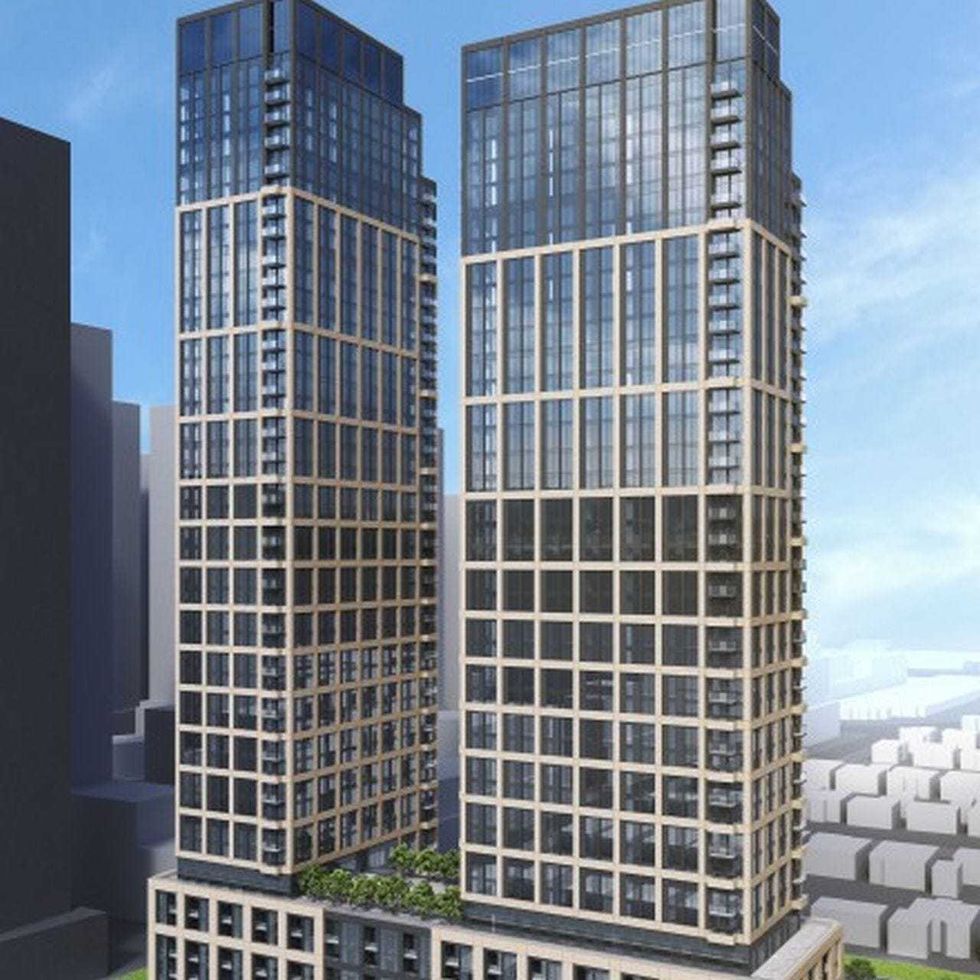 The project planned for 36-48 Steeles Avenue East and 37-49 Highland Park Boulevard in Markham. (Arcadis, Zonix Homes)