Water Table
Understand the water table in Canadian real estate — how it affects construction, drainage, and property risk in flood-prone or rural areas.
May 22, 2025
What is the Water Table?
The water table is the level below the surface of the ground where soil and rock are fully saturated with water.
Why the Water Table Matters in Real Estate
In Canadian real estate, a high water table can affect drainage, basement flooding risk, foundation design, and the long-term integrity of a property.
Key implications include:
- May require sump pumps or drainage systems
- Affects location of septic systems and wells
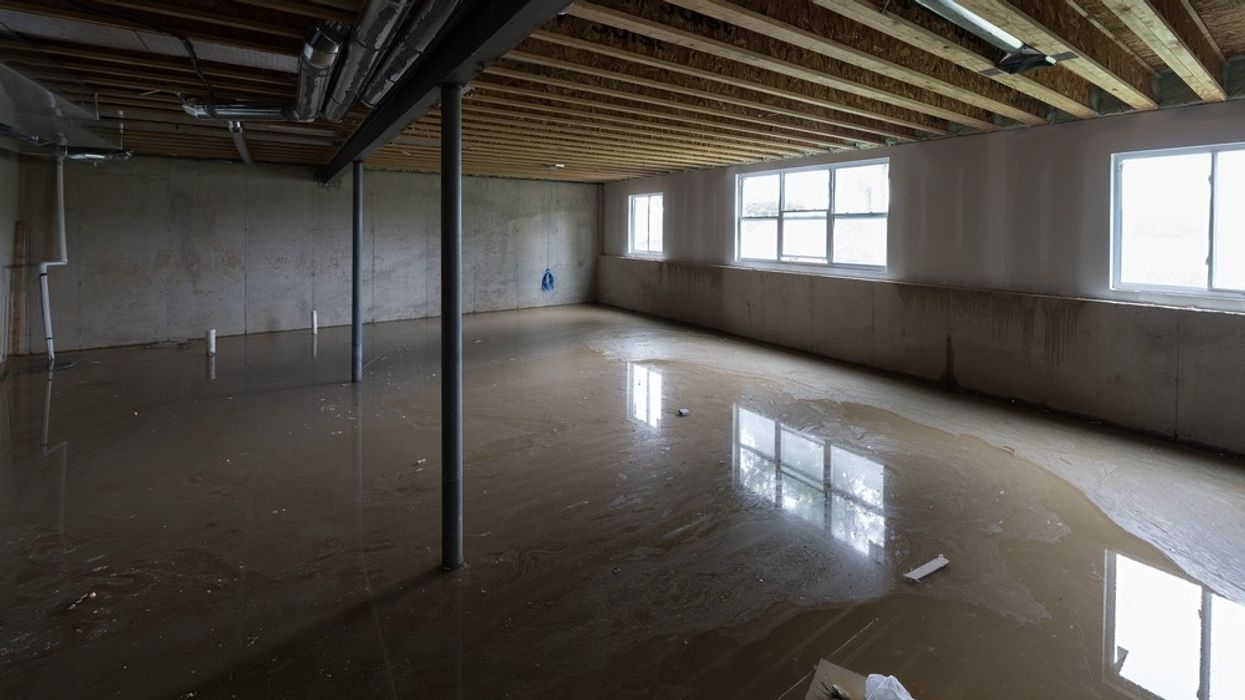
- Can increase risk of water infiltration in basements
Builders and buyers should assess the local water table before constructing or purchasing homes in areas with poor drainage.
Understanding the water table is essential for site planning, flood prevention, and long-term home maintenance.
Example of the Water Table in Action
A buyer building a rural home orders a geotechnical report to confirm the water table is low enough for a standard basement and septic system.
Key Takeaways
- Subsurface level where ground is saturated.
- Impacts basements, foundations, and drainage.
- May influence construction and maintenance.
- Essential for rural or flood-prone areas.
- Requires proper mitigation if high.
Related Terms
- Floodplain
- Drainage System
- Foundation
- Geotechnical Survey
- Sump Pump





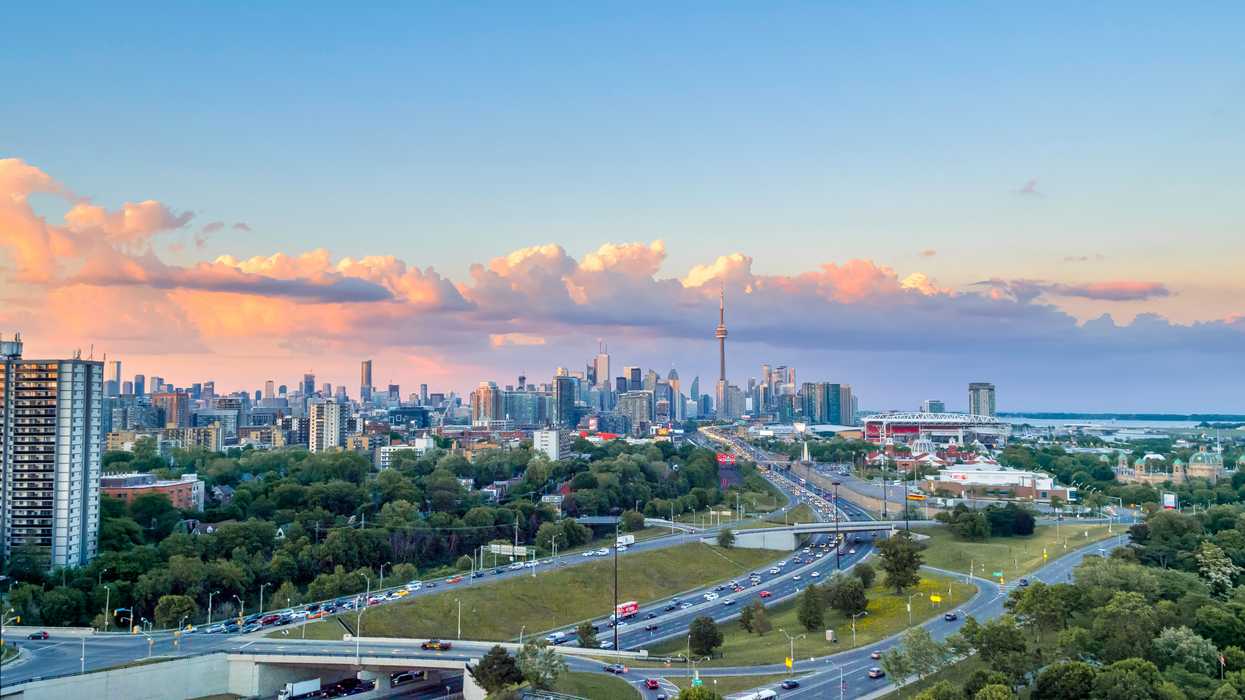
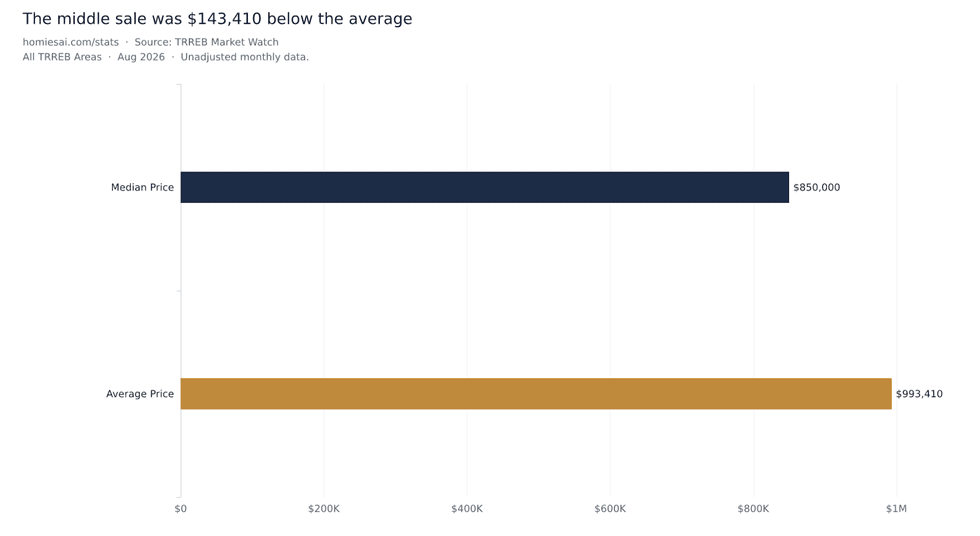 Average and median describe different aspects of the same month’s transactions. Both are affected by the mix of homes sold.
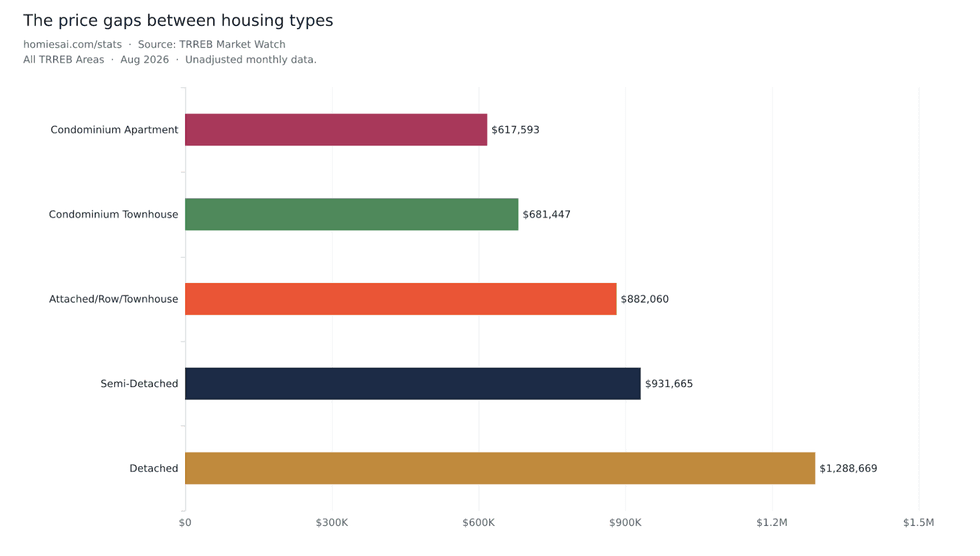 Category averages compare different homes and locations; the gaps are not estimates of the cost to upgrade an otherwise identical property.
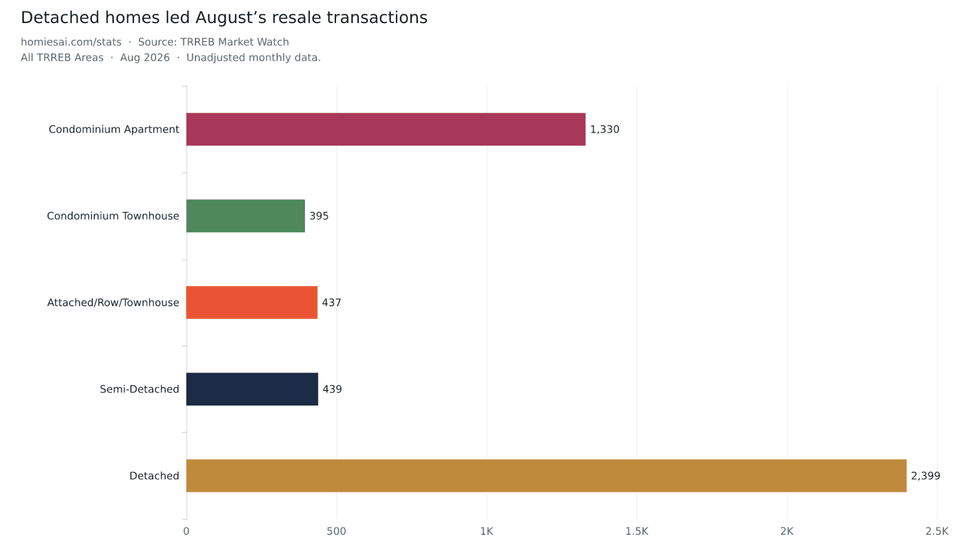 The five categories shown account for 5,000 of the board’s 5,057 sales. The remaining 57 transactions were in other housing categories.
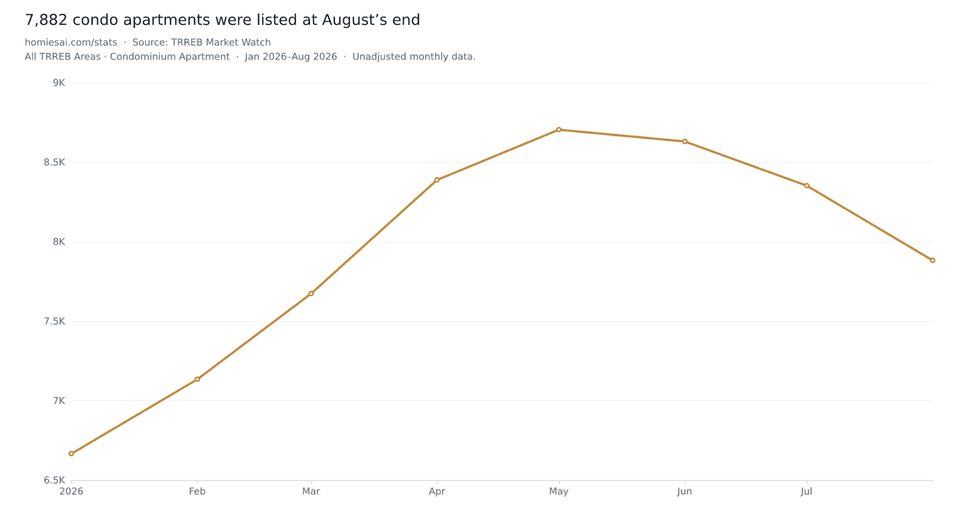 Monthly observations are not seasonally adjusted. Active listings count properties available at month-end; they are not construction inventory.
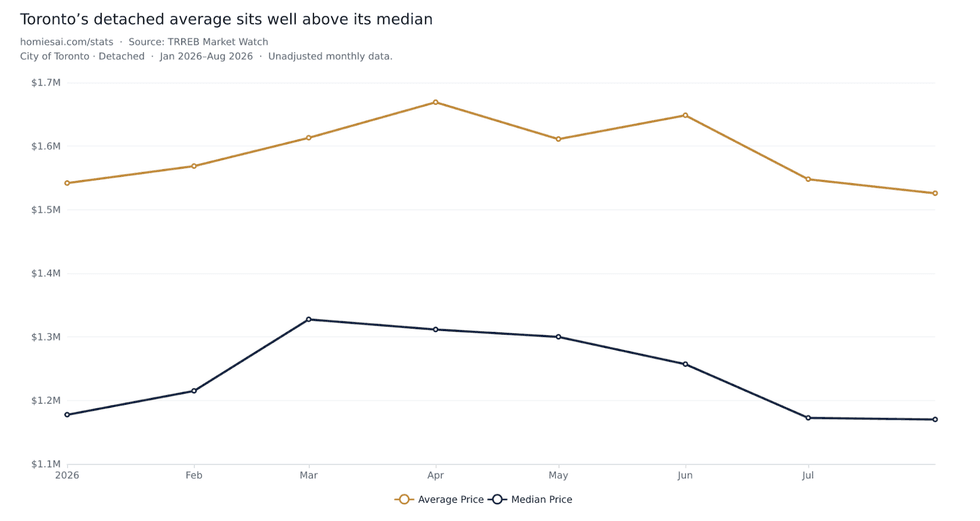 Average and median prices share one dollar axis. These unadjusted transaction measures do not control for changes in the homes sold.
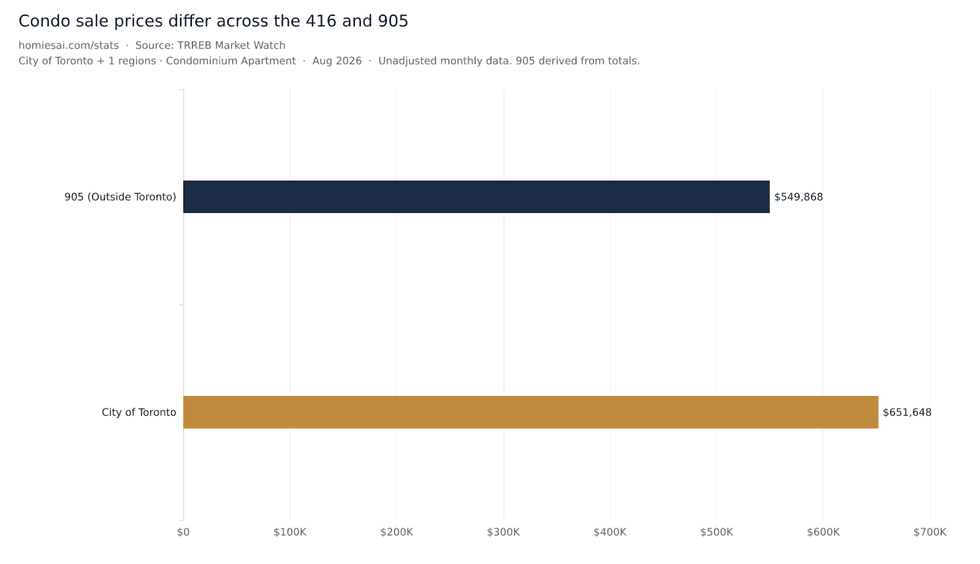 TRREB’s 416/905 categories compare the apartments sold in each area. The difference does not isolate a location premium for equivalent units.
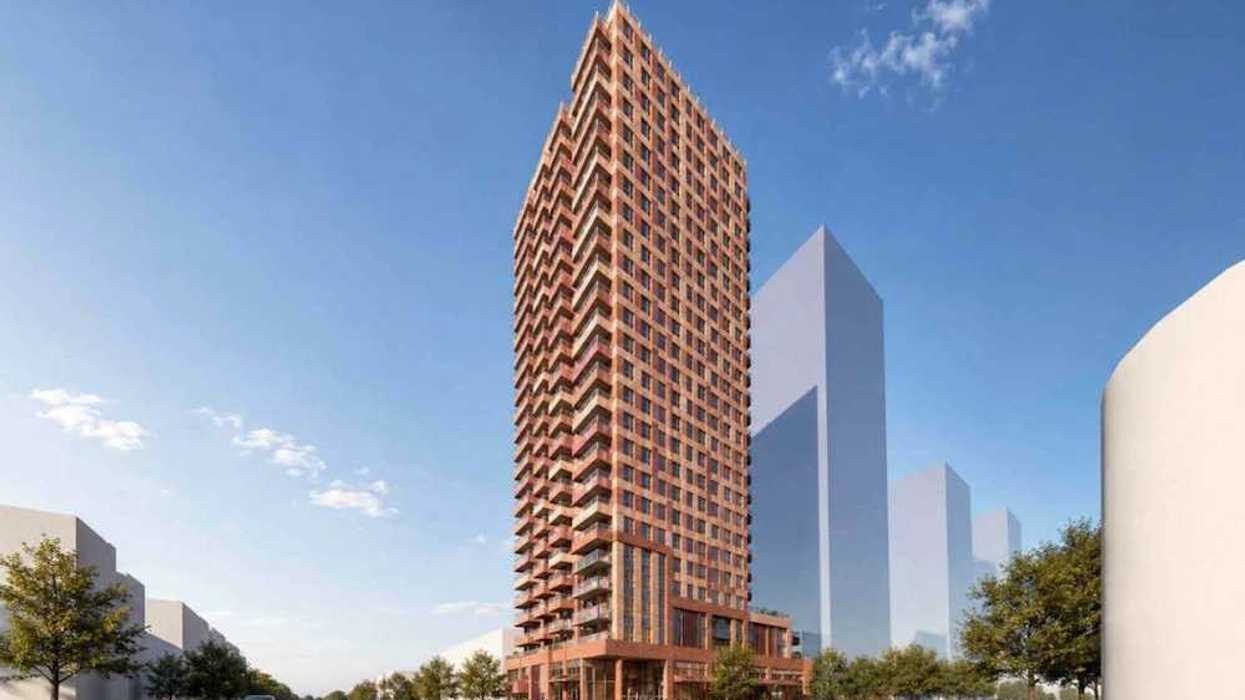
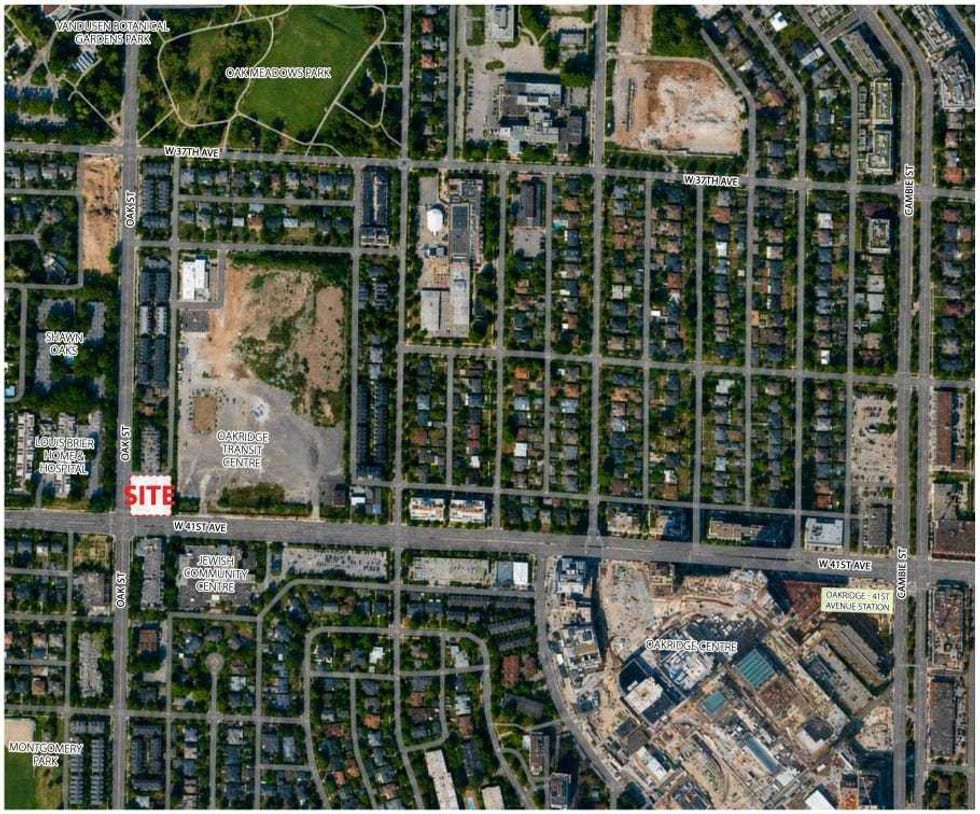 5680 Oak Street in Vancouver and its surrounding context. (MCMP Architects)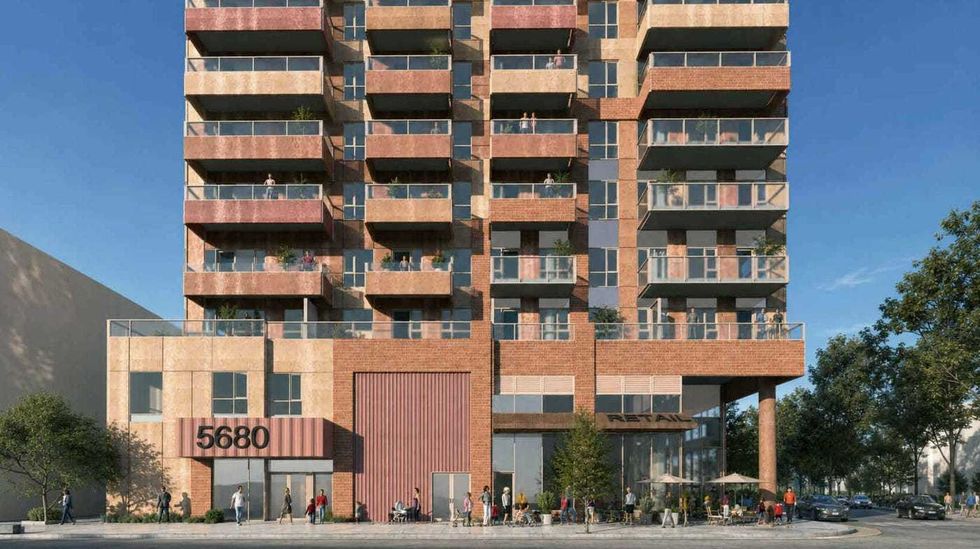
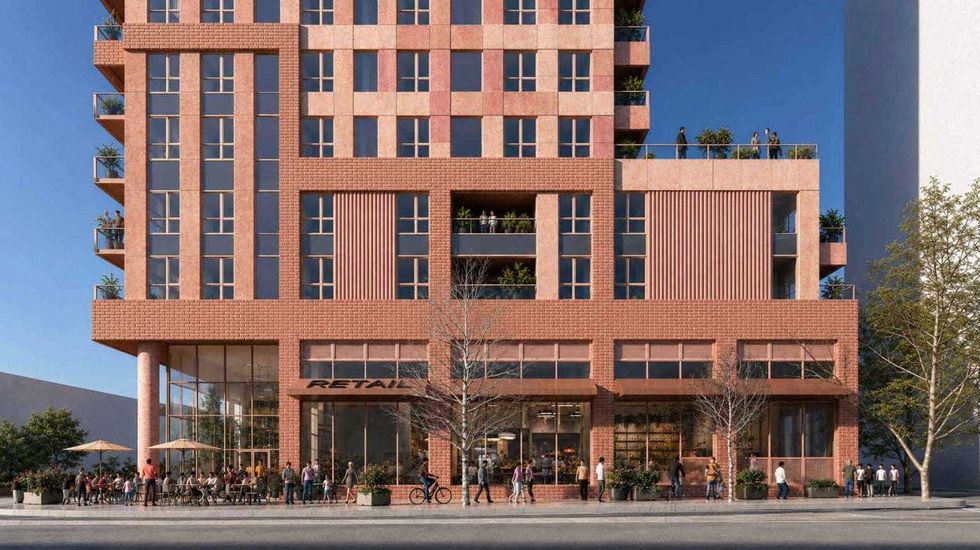 Ground-level renderings of the tower proposed for 5680 Oak Street in Vancouver. (MCMP Architects)