Standard Charge Mortgage
A standard charge mortgage is registered for the exact loan amount, offering portability but less flexibility for future borrowing.

September 30, 2025
What is Standard Charge Mortgage?
A standard charge mortgage is the traditional form of mortgage registered on title for the exact loan amount borrowed. Unlike collateral charge mortgages, it cannot be easily increased to cover new borrowing without re-registering and incurring additional legal fees.
Why Standard Charge Mortgages Matter in Real Estate
Standard charge mortgages matter in real estate because they provide transparency and flexibility for borrowers wishing to switch lenders. Since they are registered only for the loan amount, it is often easier to transfer to another lender at renewal without incurring new costs.
Example of a Standard Charge Mortgage in Action
A homeowner registers a $400,000 standard charge mortgage. If they later want to borrow more, they must refinance and re-register a new mortgage, incurring additional legal fees.
Key Takeaways
- Standard charge mortgages register only the borrowed amount.
- Easier to switch lenders compared to collateral charges.
- Do not provide built-in flexibility for future borrowing.
- Require refinancing and legal costs for additional funds.
- Preferred by borrowers seeking portability between lenders.
Related Terms
- Collateral Charge Mortgage
- Refinancing
- Mortgage Portability
- Mortgage Registration
- Switching Lenders
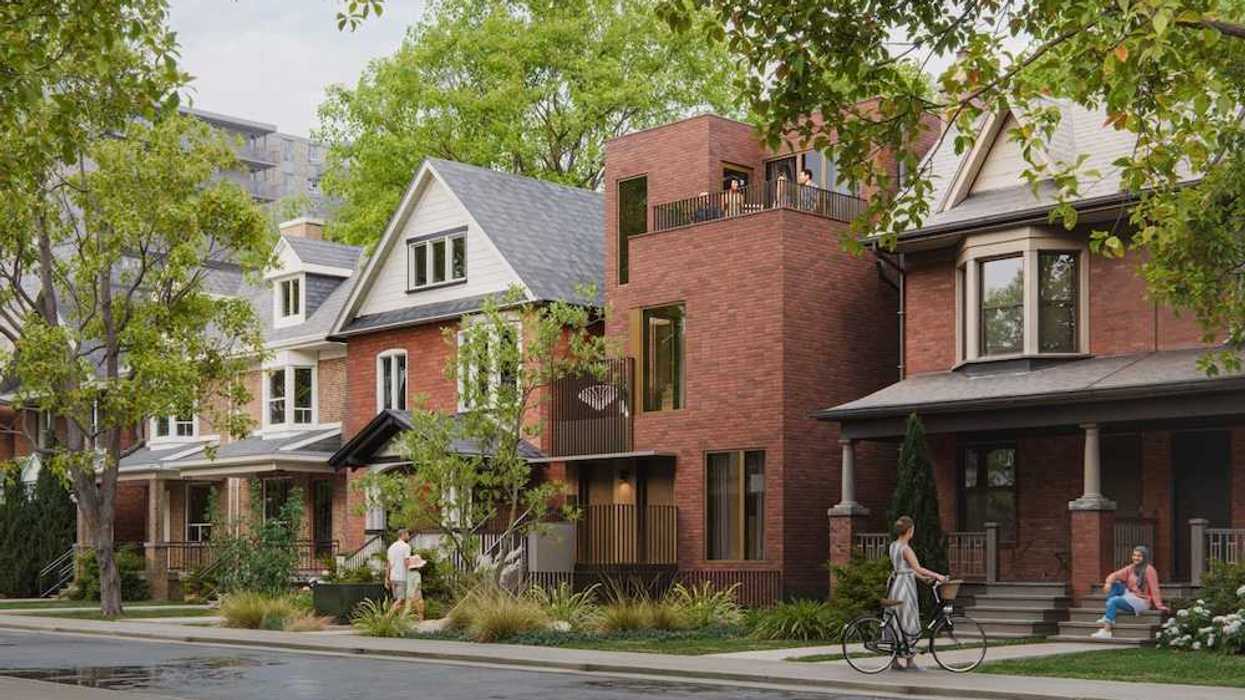
 Narrow Fourplex (City of Toronto)
 Wide Sixplex - Side View (City of Toronto)
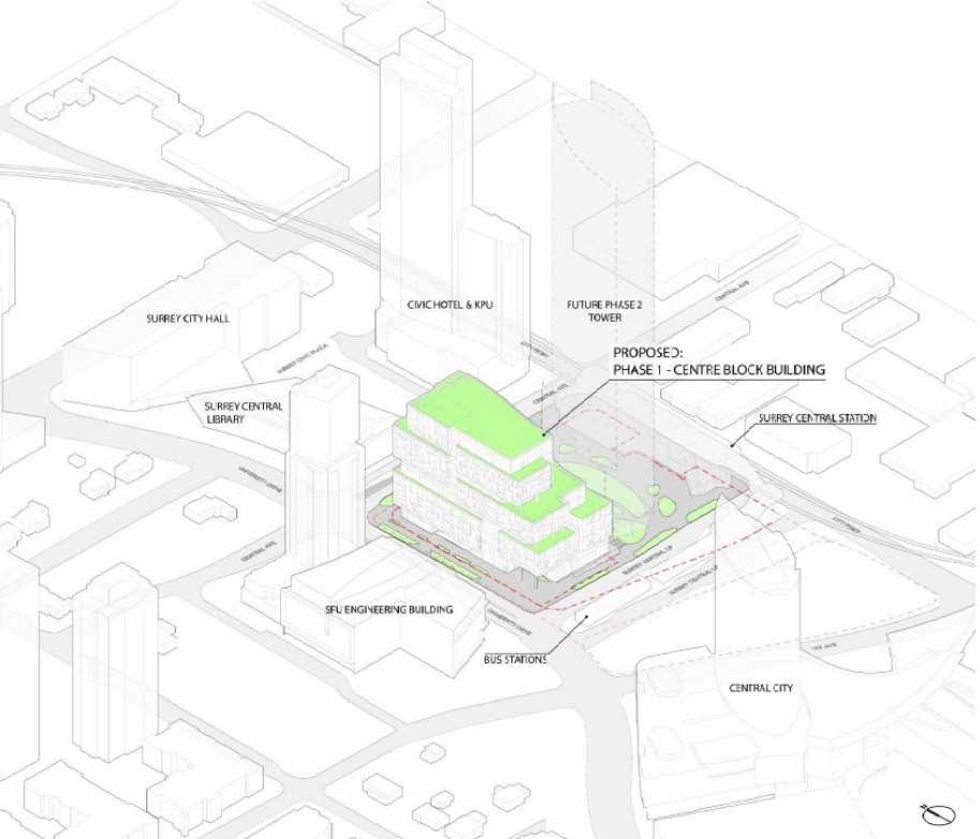 Centre Block and its surrounding context. (Stantec-Revery, SCDC)
 The 12-storey Phase One of Centre Block. (Stantec-Revery, SCDC)
 The 12-storey Phase One of Centre Block. (Stantec-Revery, SCDC)


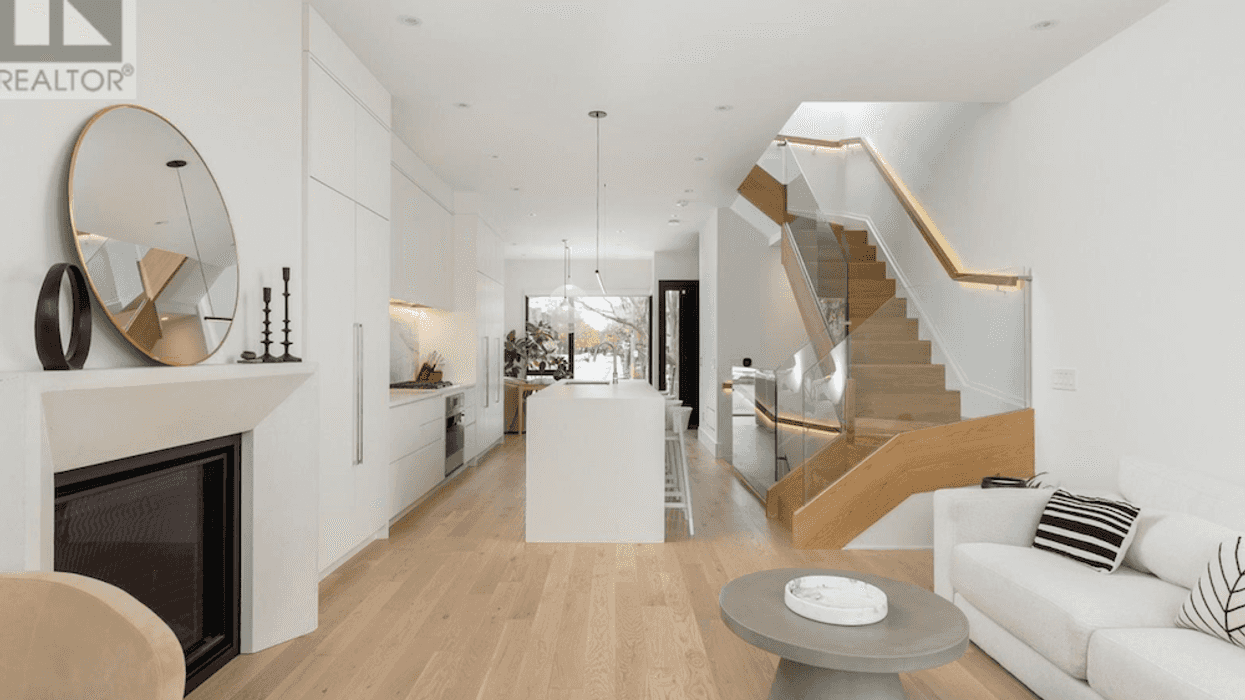





 Via STOREYS Editorial team

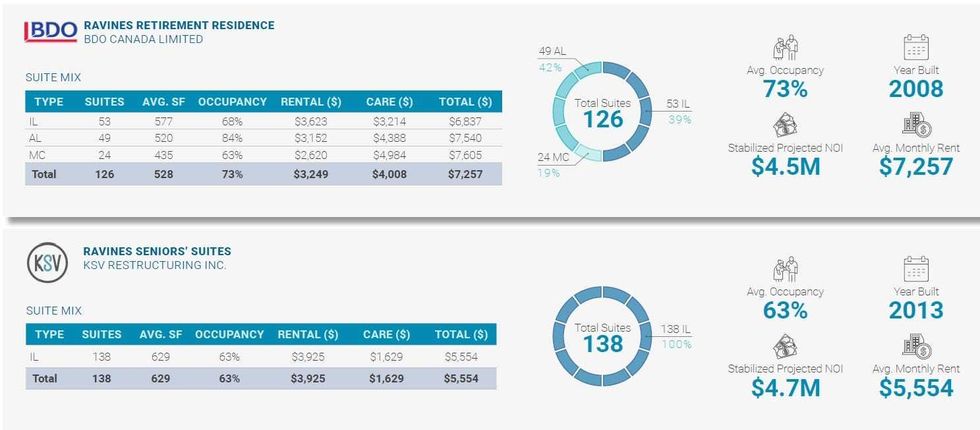 An overview of the two Ravine buildings. (Newmark)
 95 Clegg Road in Markham, Ontario. (Colliers)
 95 Clegg Road (centre) in Markham, Ontario. (Colliers)