Pre-Approval Vs. Pre-Qualification
Compare mortgage pre-approval vs. pre-qualification in Canada to understand which gives buyers stronger offers and more reliable borrowing estimates.

May 22, 2025
What is Pre-Approval and Pre-Qualification?
Pre-approval and pre-qualification are two stages of the mortgage process that assess a buyer’s ability to borrow, but differ in their depth and reliability.
Why do Pre-Approval and Pre-Qualification Matter in Real Estate
Pre-qualification is an informal estimate of how much a buyer might be able to borrow based on self-reported information. It does not involve credit checks or document verification.
Pre-approval, on the other hand, is a formal process in which a lender:
- Reviews credit history
- Verifies income and debts
- Provides a conditional commitment for a mortgage amount
In competitive markets, pre-approval strengthens a buyer’s offer and shows sellers that financing is secure.
Key differences:- Pre-qualification = quick estimate
- Pre-approval = documented, lender-reviewed approval
Buyers should seek pre-approval before shopping seriously, as it provides clarity on budget and helps avoid disappointment. Sellers are also more likely to accept offers backed by pre-approval letters.
Understanding the distinction empowers buyers to navigate the financing process more effectively and make stronger offers.
Example of Pre-Approval and Pre-Qualification in Action
A buyer receives a pre-approval letter for $700,000 from their bank, allowing them to confidently bid on homes in that range.
Key Takeaways
- Pre-qualification = estimate, no verification.
- Pre-approval = verified by lender.
- Pre-approval offers stronger buying power.
- Essential for serious home shopping.
- Boosts credibility in competitive markets.
Related Terms
- Mortgage Pre-Approval
- Mortgage Qualification
- Credit Score
- Debt Service Ratios
- Conditional Offer

 (Avison Young)
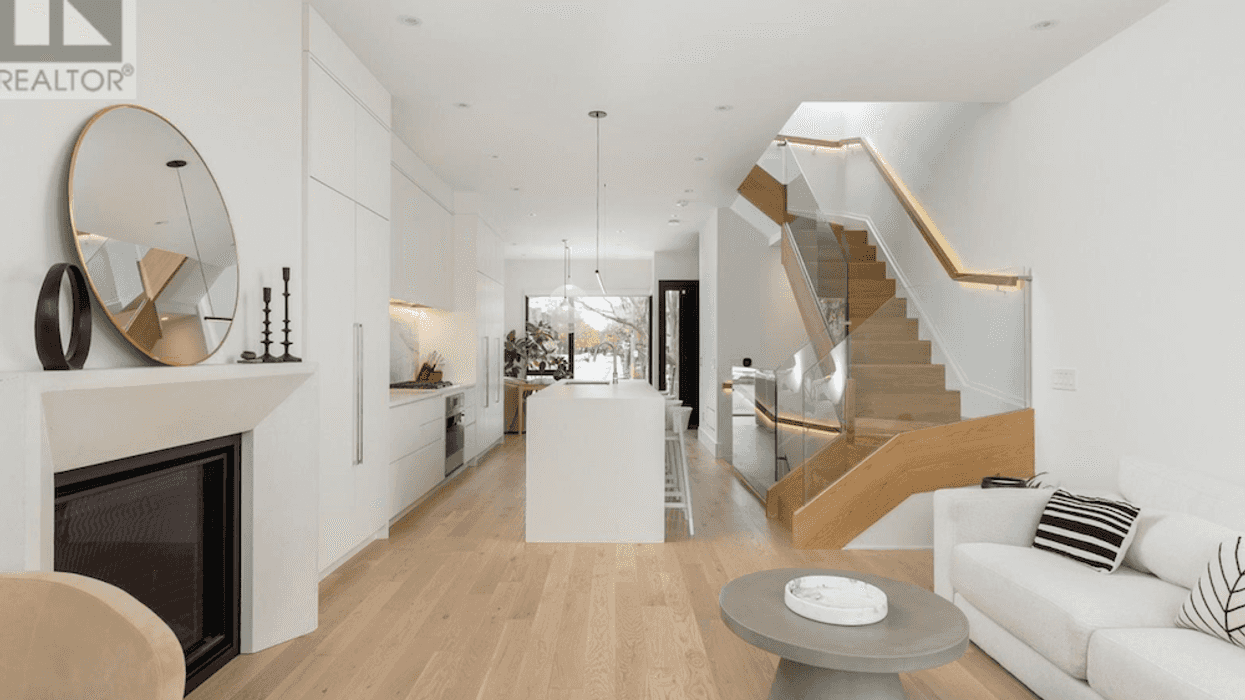
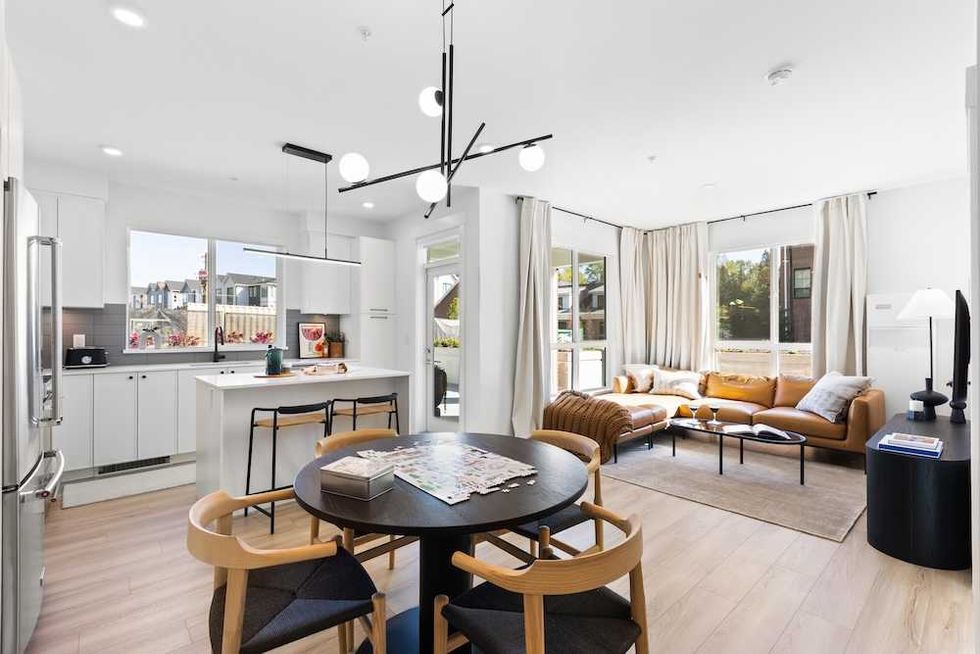 The Mason Suite Interior (Infinity Properties)
 The Mason Suite Interior (Infinity Properties)
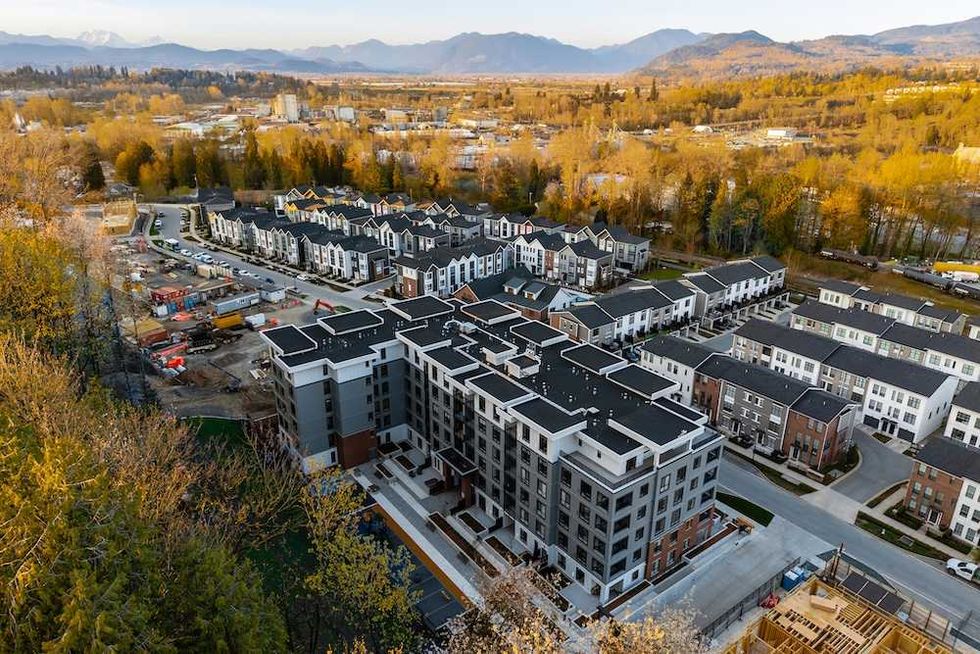 Rail District aerial (Infinity Properties)
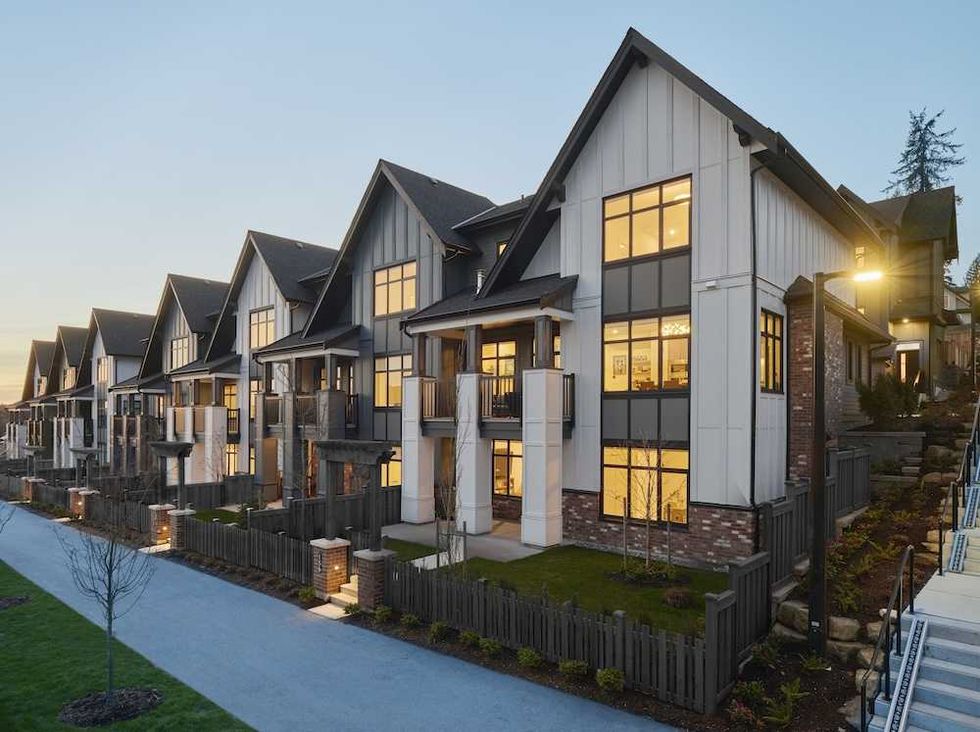 Versant (Infinity Properties)






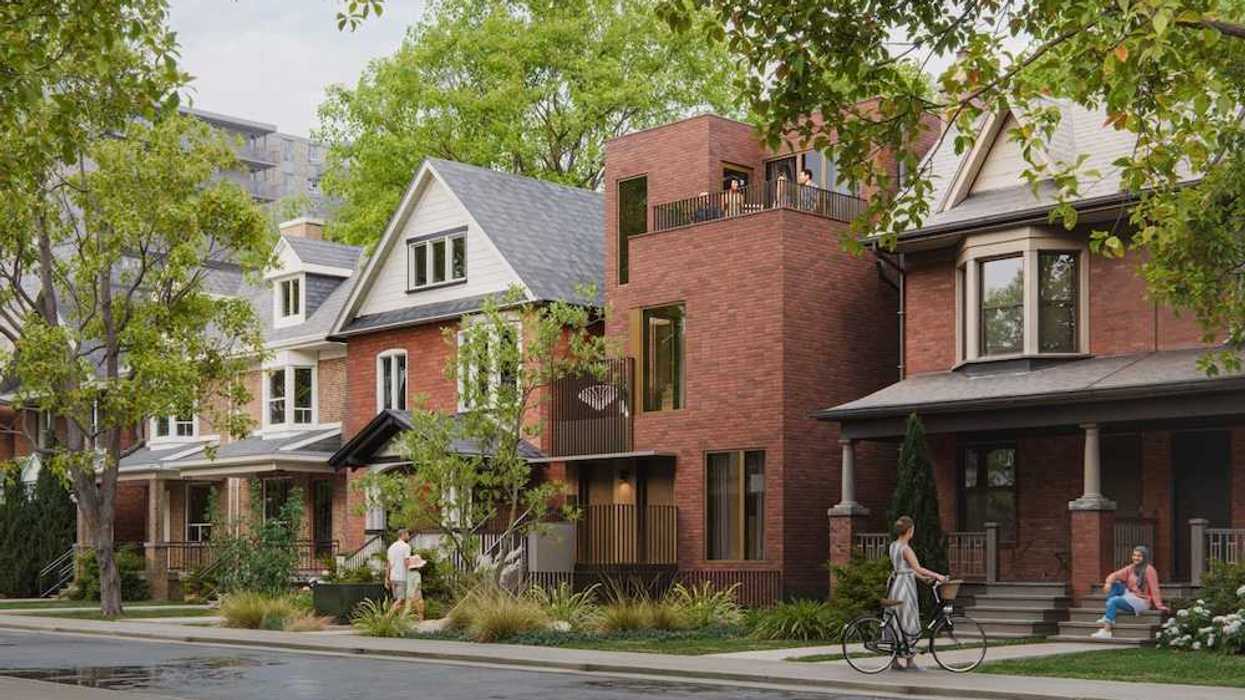
 Narrow Fourplex (City of Toronto)
 Wide Sixplex - Side View (City of Toronto)
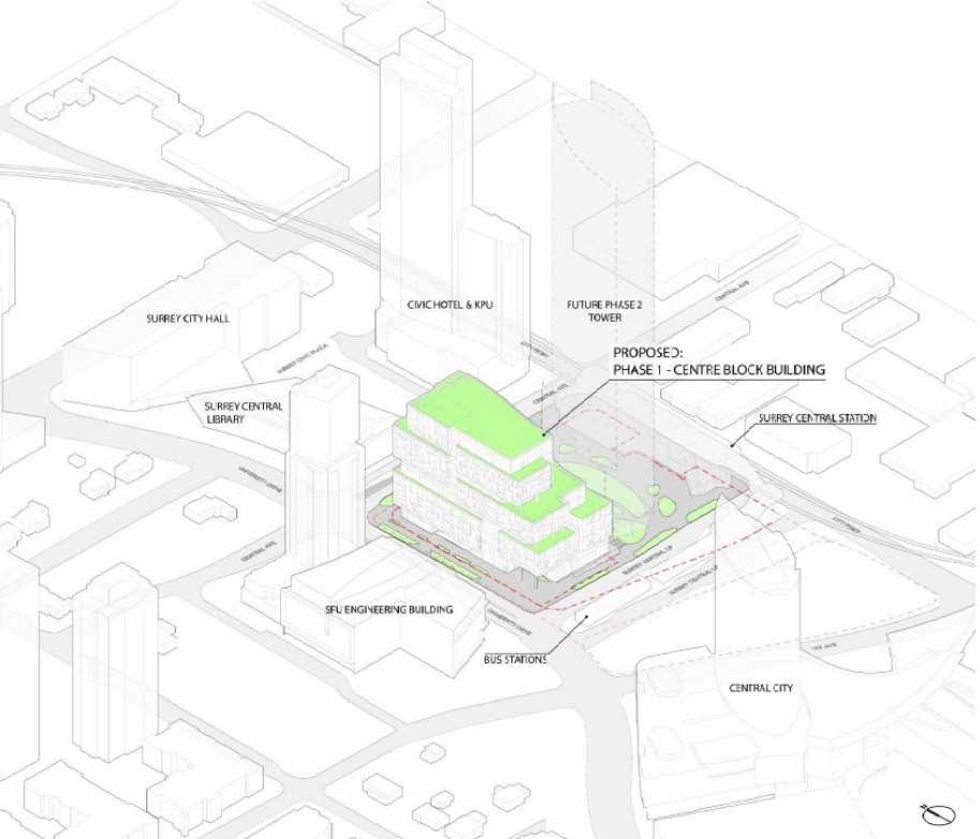 Centre Block and its surrounding context. (Stantec-Revery, SCDC)
 The 12-storey Phase One of Centre Block. (Stantec-Revery, SCDC)
 The 12-storey Phase One of Centre Block. (Stantec-Revery, SCDC)
 Mondria One, set for 1607 King Street East in Clarington, Ontario. (ICON Architects Inc., Monde Development Group)