Pre-Approval Letter
Understand what a pre-approval letter is in Canadian real estate, what it includes, and how it helps buyers make competitive offers.

May 22, 2025
What is a Pre-Approval Letter?
A pre-approval letter is a document issued by a lender that states a buyer has been conditionally approved for a mortgage up to a specified amount, based on a preliminary review of their financial profile.
Why Do Pre-Approval Letters Matter in Real Estate?
In Canadian real estate, a pre-approval letter helps buyers prove their seriousness to sellers and strengthens their offer in competitive markets. While it’s not a final loan commitment, it provides a detailed snapshot of the buyer’s borrowing power.
Pre-approval letters typically include:- Maximum loan amount
- Estimated interest rate and term
- Conditions (e.g., property appraisal or documentation)
- Validity period (usually 60–120 days)
Having a pre-approval letter can speed up the closing process and reassure sellers that the buyer is financially qualified.
Understanding the role of a pre-approval letter helps buyers shop within their budget and act quickly on desired properties.
Example of a Pre-Approval Letter in Action
A buyer presents a pre-approval letter showing they are approved for up to $750,000, giving the seller confidence to accept their offer.
Key Takeaways
- Confirms preliminary mortgage approval.
- Strengthens buyer credibility.
- Based on credit and income review.
- Contains loan amount and terms.
- Not a final commitment.
Related Terms
- Mortgage Pre-Approval
- Conditional Approval
- Mortgage Qualification
- Interest Rate
- Financing Condition

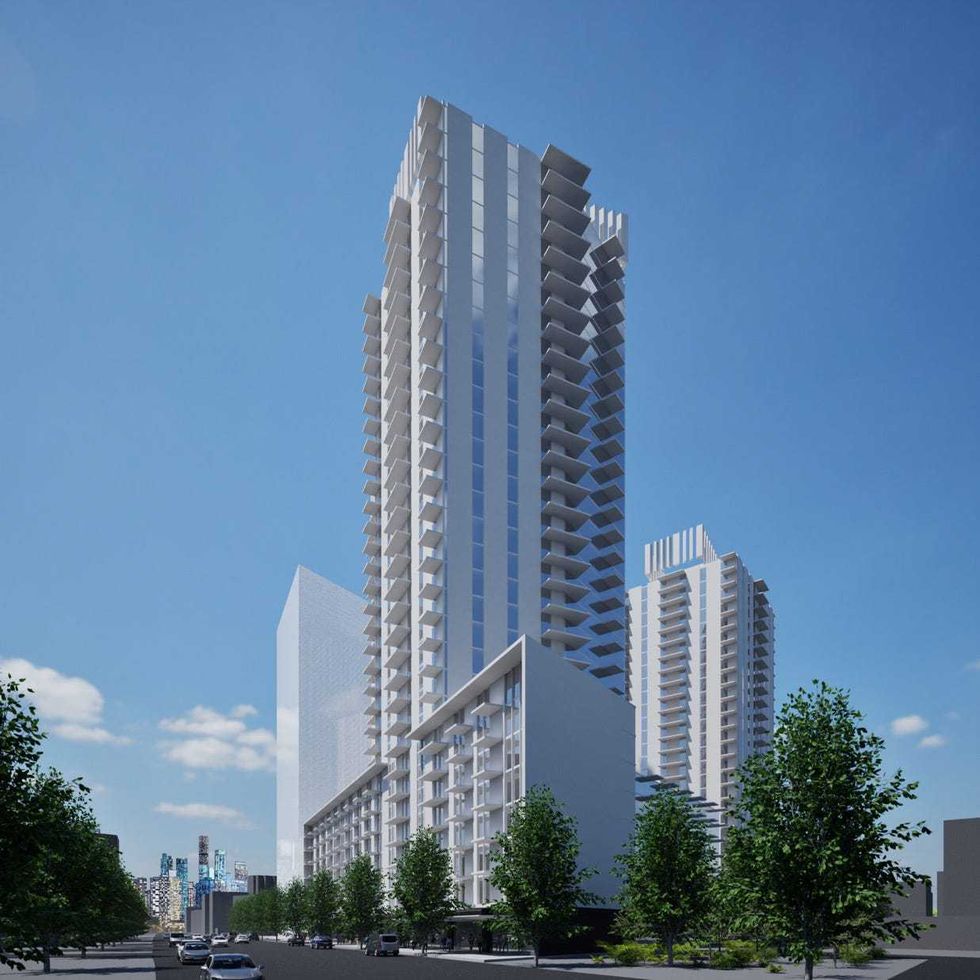 A preliminary conceptual development for 5335 Kingsway in Burnaby. (Arcadis, JLL)







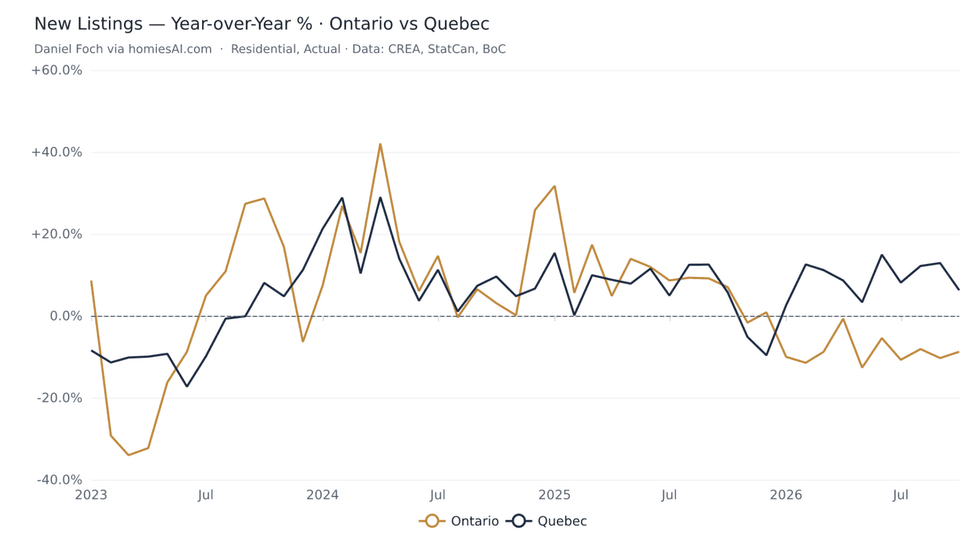 Chart: New listings, year-over-year %, Ontario vs Quebec. Daniel Foch via homiesai.com/stats. Data:
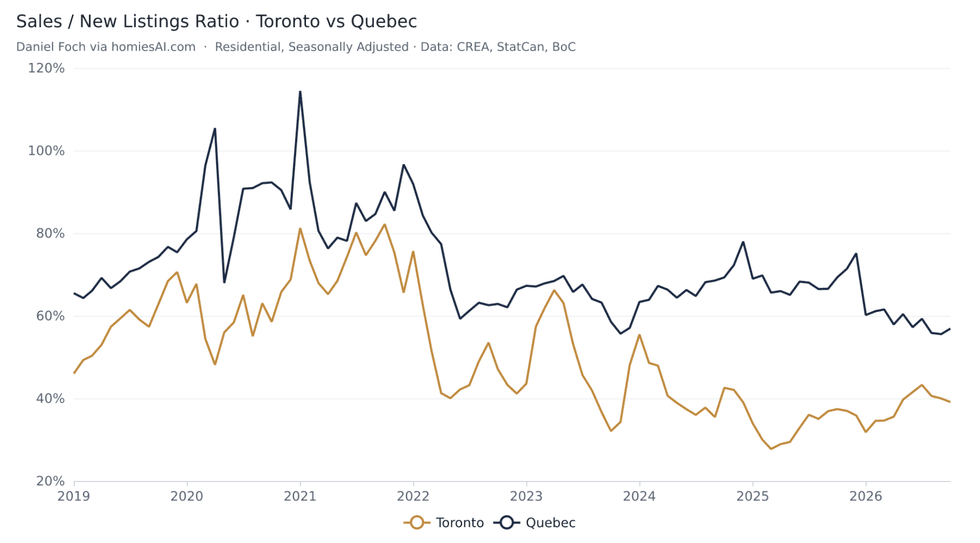 Chart: Sales-to-new-listings ratio, seasonally adjusted. Toronto vs Quebec. Daniel Foch via homiesai.com/stats. Data: CREA.
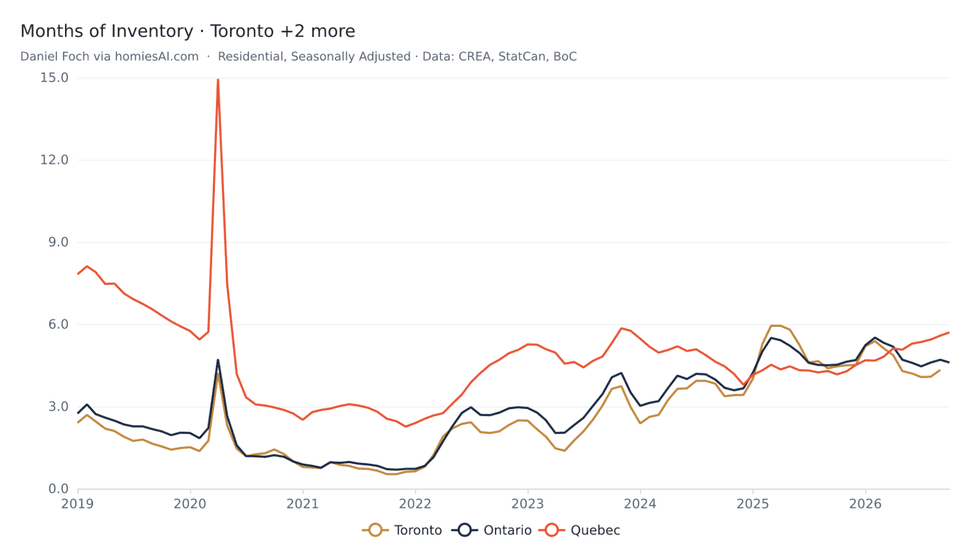 Chart: Months of inventory, seasonally adjusted. Daniel Foch via homiesai.com/stats. Data: CREA.
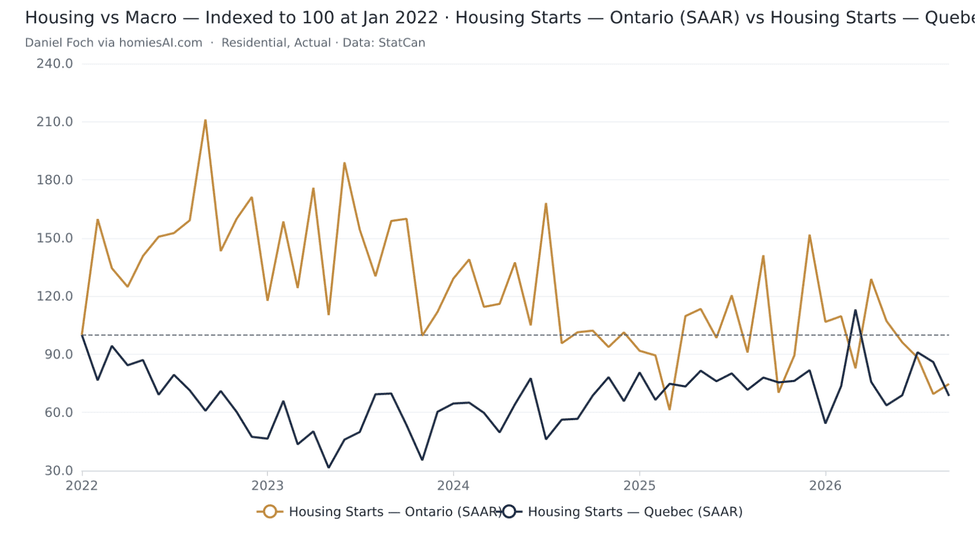 Chart: Housing starts, seasonally adjusted annual rate, Ontario vs Quebec, indexed to January 2022. Daniel Foch via homiesai.com/stats. Data: CMHC via Statistics Canada.
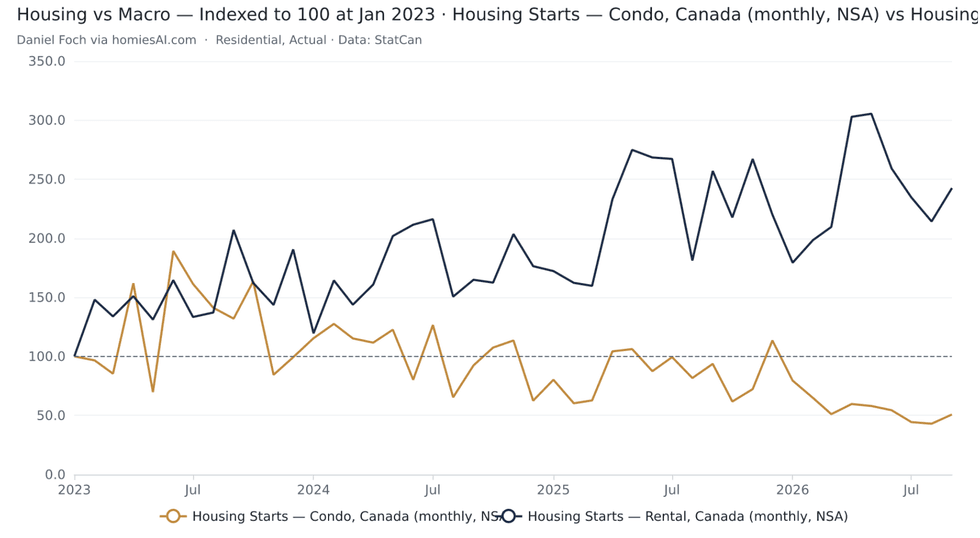 Chart: Condo vs rental housing starts, Canada, indexed to January 2023. Daniel Foch via homiesai.com/stats. Data: CMHC via Statistics Canada.
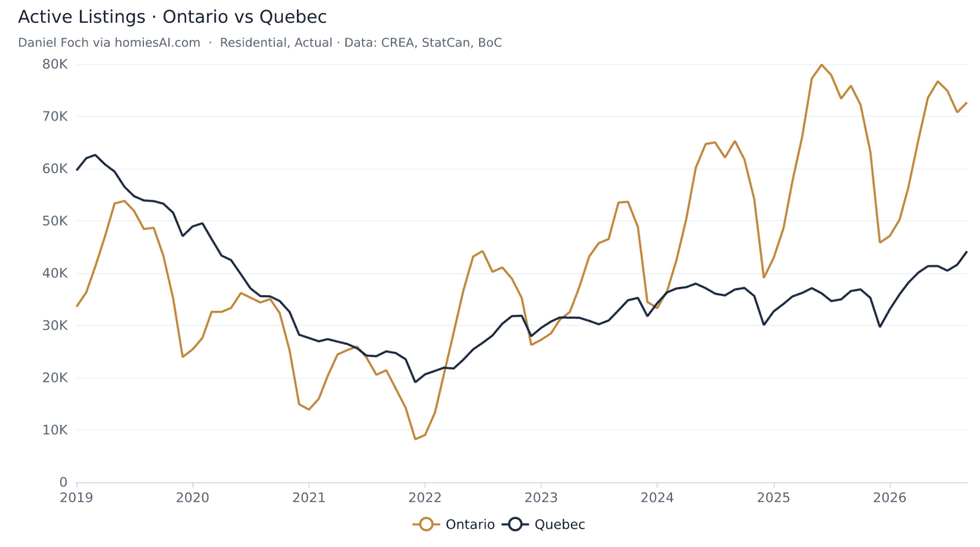 Chart: Active residential listings, Ontario vs Quebec. Daniel Foch via homiesai.com/stats. Data: CREA.

 The Highlight of Mississauga as of March 2026. (Grant Thornton)

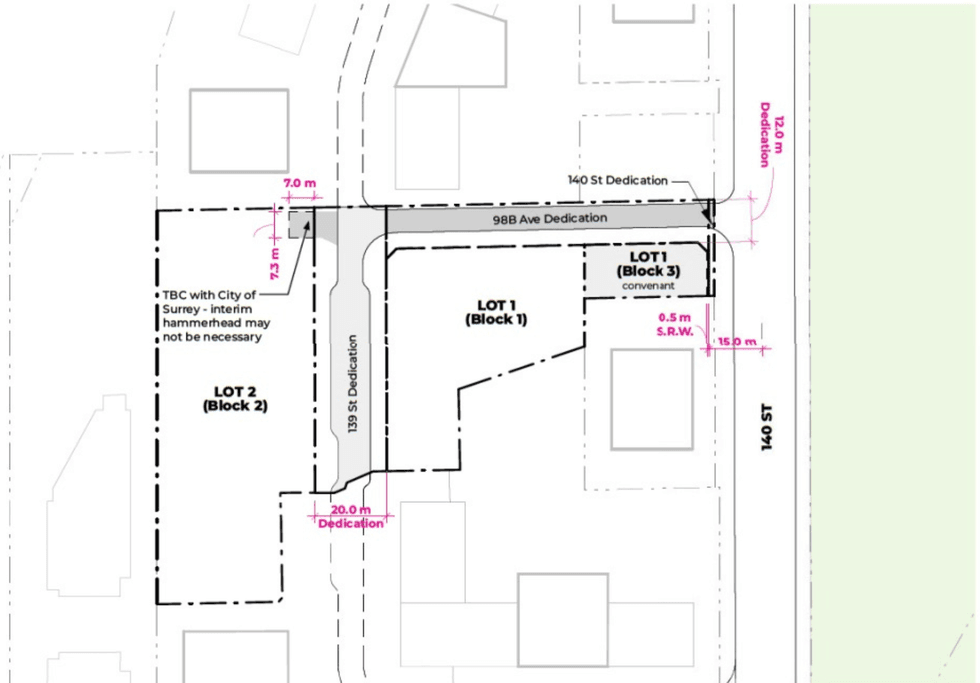 9883 140 Street and the proposed road dedications. (WW+P Architects, Entre Nous Femmes Housing Society)
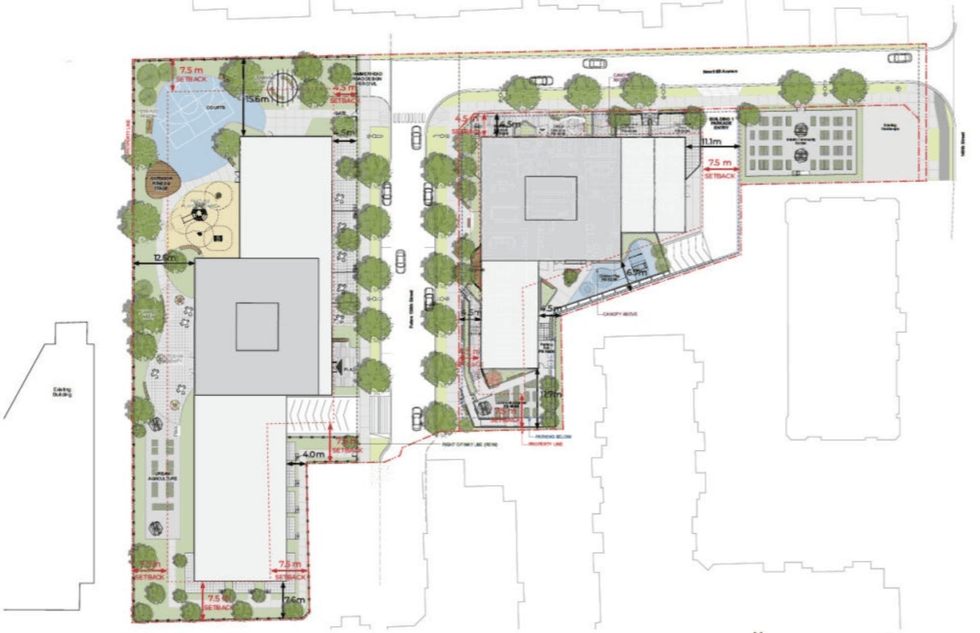 The
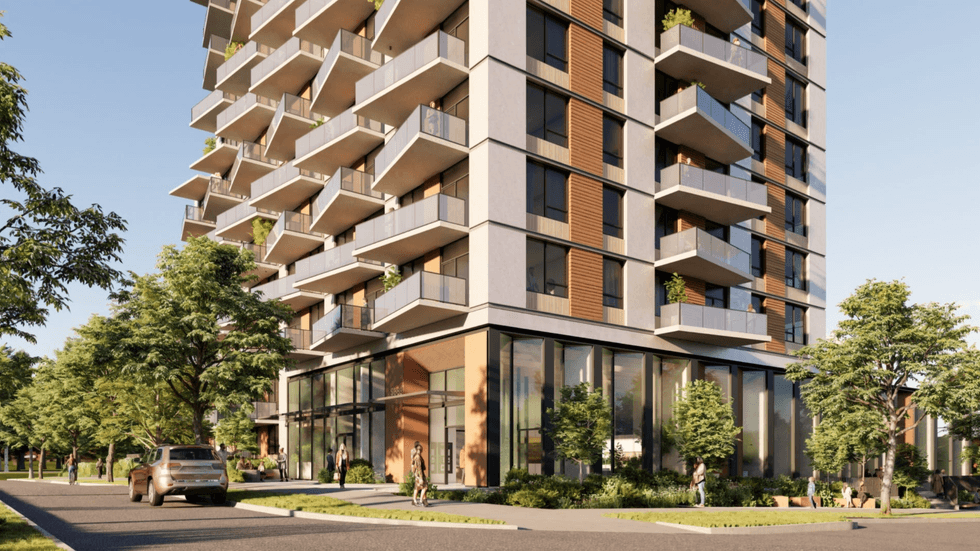 One of the towers proposed for 9883 140 Street. (Entres Nous Femmes Housing Society)

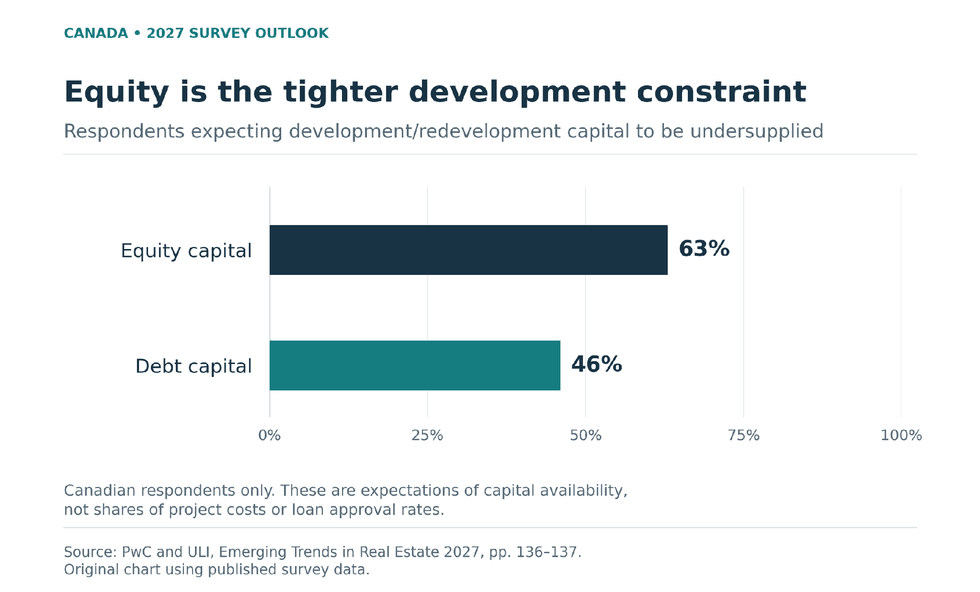 Canadian respondents were more likely to expect an undersupply of development/redevelopment equity capital (63%) than debt capital (46%) in 2027. These are survey expectations, not measured financing volumes. Source: PwC and ULI, Emerging Trends in Real Estate 2027, pp. 136–137. Original chart.
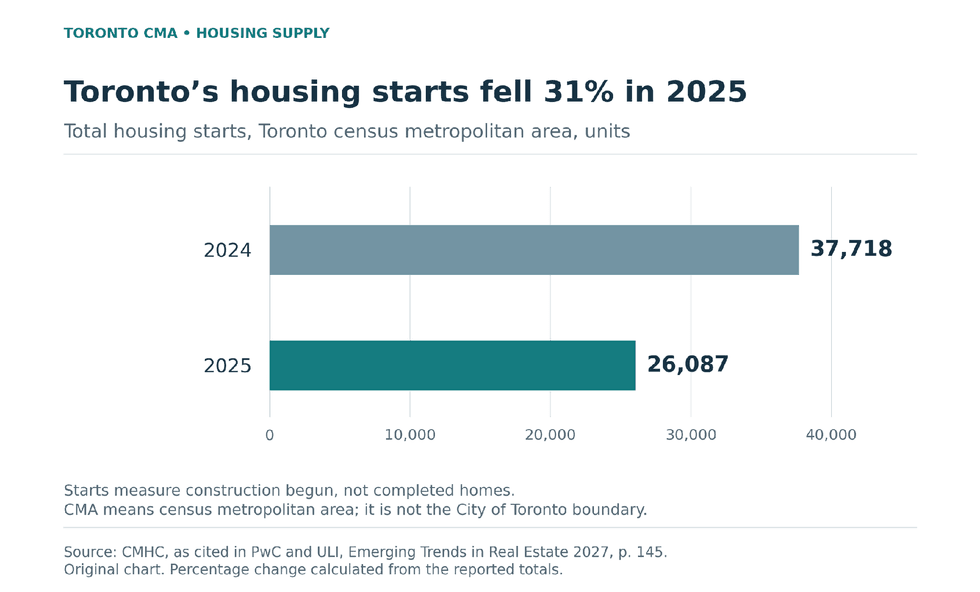 Toronto census metropolitan area housing starts fell from 37,718 units in 2024 to 26,087 in 2025, a 30.8% decline (rounded to 31%). Starts measure construction begun, not completed homes. Source: CMHC, as cited in PwC and ULI, Emerging Trends in Real Estate 2027, p. 145. Original chart.


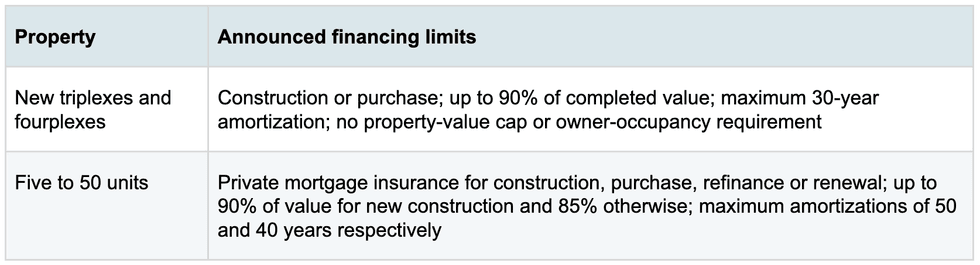
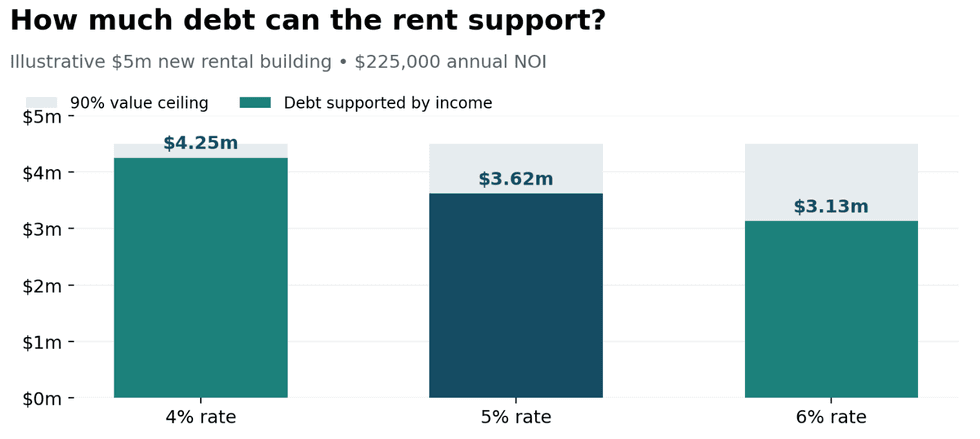 Illustrative calculation: a $4.5-million value ceiling versus income-based capacity of about $4.25 million at 4%, $3.62 million at 5% and $3.13 million at 6%. Assumes 50-year amortization and 1.15 debt coverage.
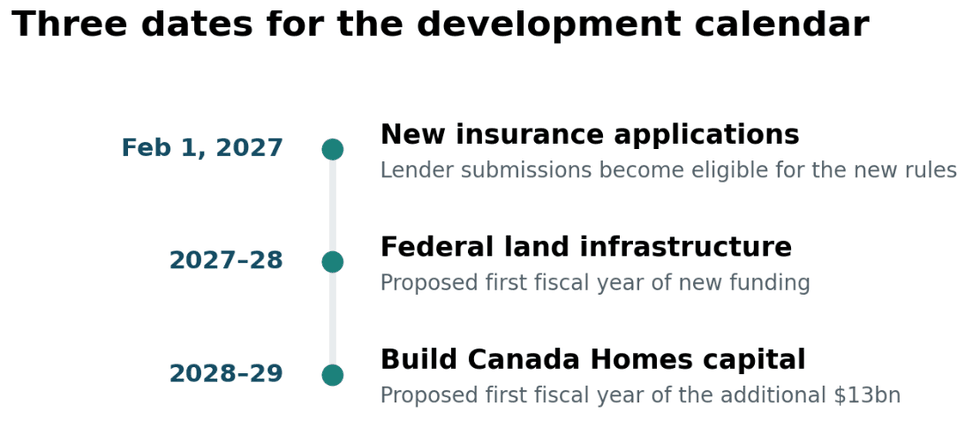 Source: Department of Finance missing-middle backgrounder and Budget 2026 Chapter 3, November 5, 2026. Fiscal-year funding starts are not home-completion dates.