Occupancy Date
Learn what the occupancy date means in Canadian real estate, particularly for pre-construction condos, and how it affects possession and financial planning.
May 22, 2025
What is an Occupancy Date?
The occupancy date is the day a buyer or tenant is legally permitted to move into a property, even if final closing or ownership transfer has not yet occurred.
Why Occupancy Dates Matter in Real Estate
In Canadian real estate, the occupancy date is especially important in pre-construction condominiums. During the interim occupancy period, the buyer lives in the unit but does not yet own it outright.
Key points about occupancy date:- Buyer begins paying occupancy fees to the developer
- Title transfer and mortgage funding occur later (final closing)
- Fees often include estimated taxes, maintenance, and interest on the unpaid balance
For resale homes, the occupancy date is typically the same as the closing date. For new builds, especially condos, buyers should understand what rights and responsibilities begin on the occupancy date, including insurance requirements, utilities setup, and reporting deficiencies.
Understanding the occupancy date ensures buyers are prepared for phased financial obligations and transition into the property.
Example of an Occupancy Date
A condo buyer receives an occupancy date of September 1. They move in and pay monthly occupancy fees until legal title is transferred three months later.
Key Takeaways
- Marks when buyer/tenant can take possession.
- May precede final closing in new builds.
- Involves paying occupancy fees.
- Common in pre-construction condos.
- Requires planning and insurance coverage.
Related Terms
- Closing Date
- Interim Occupancy
- Deposit Structure
- New Construction
- Condo Agreement











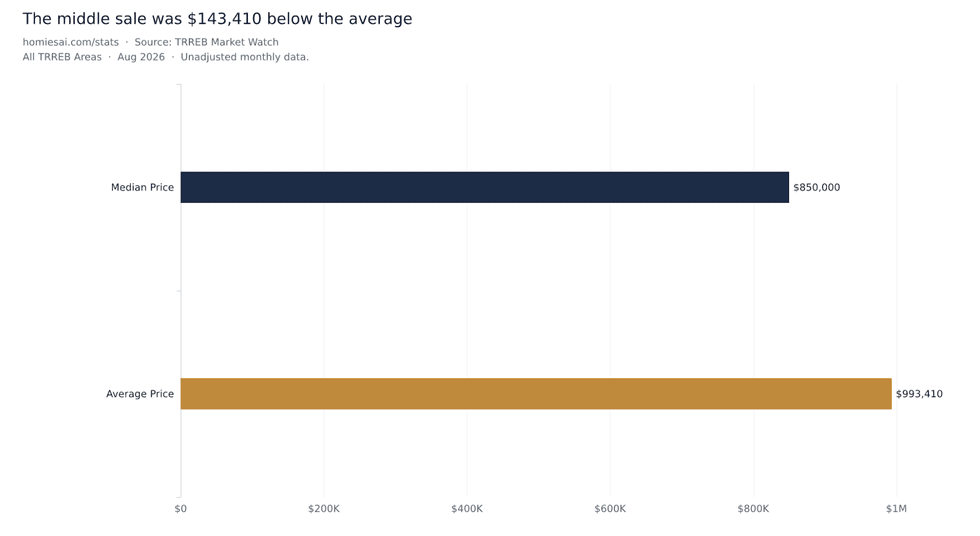 Average and median describe different aspects of the same month’s transactions. Both are affected by the mix of homes sold.
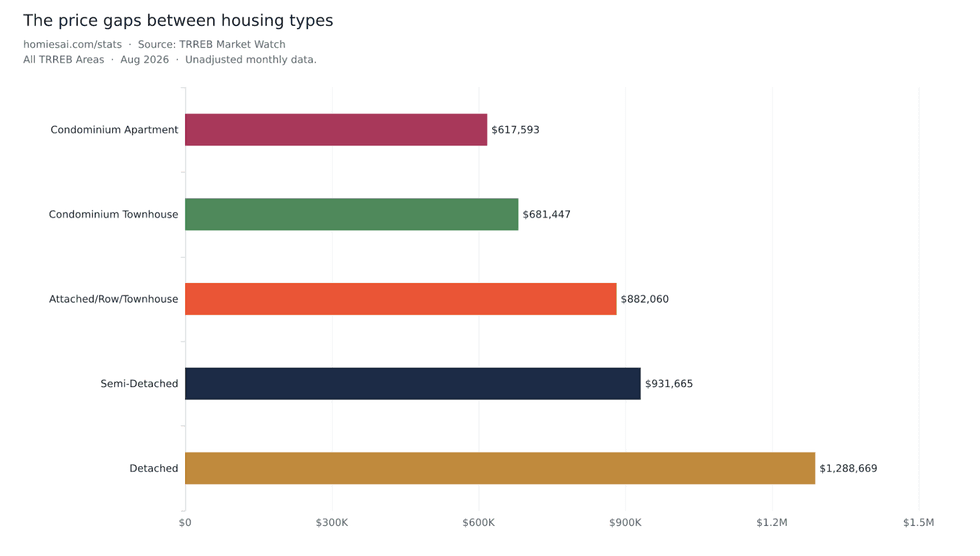 Category averages compare different homes and locations; the gaps are not estimates of the cost to upgrade an otherwise identical property.
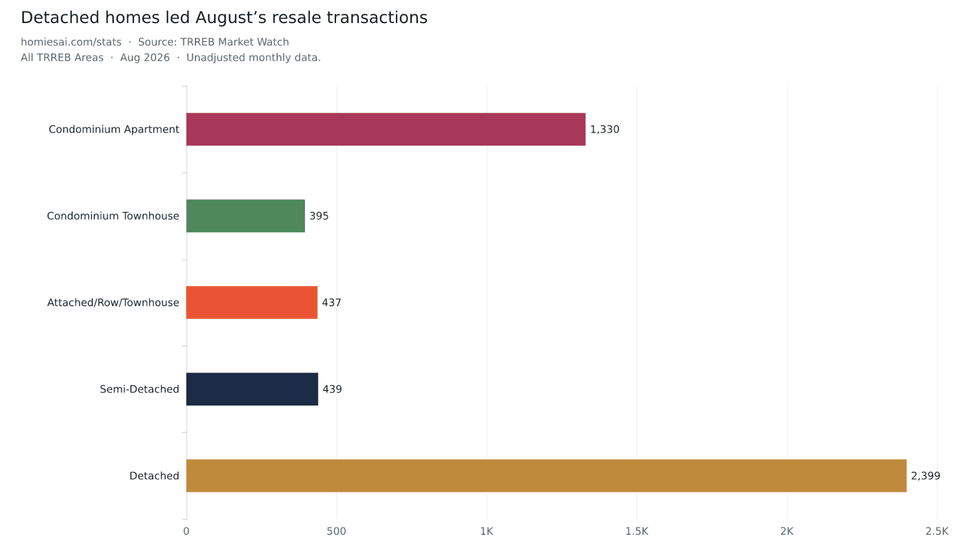 The five categories shown account for 5,000 of the board’s 5,057 sales. The remaining 57 transactions were in other housing categories.
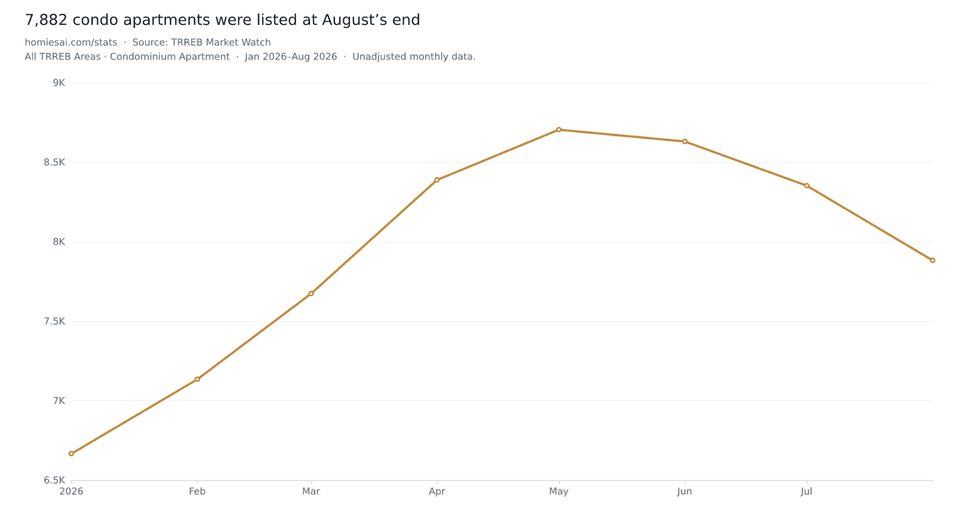 Monthly observations are not seasonally adjusted. Active listings count properties available at month-end; they are not construction inventory.
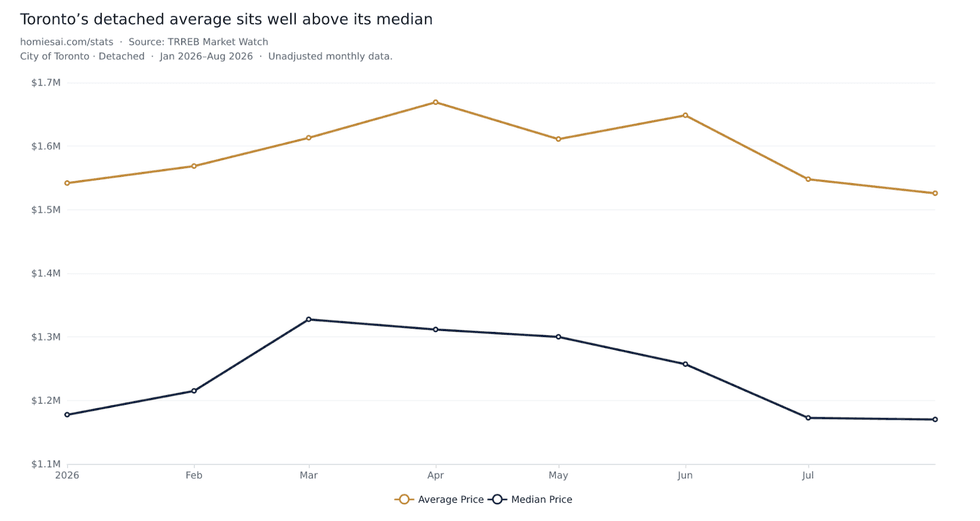 Average and median prices share one dollar axis. These unadjusted transaction measures do not control for changes in the homes sold.
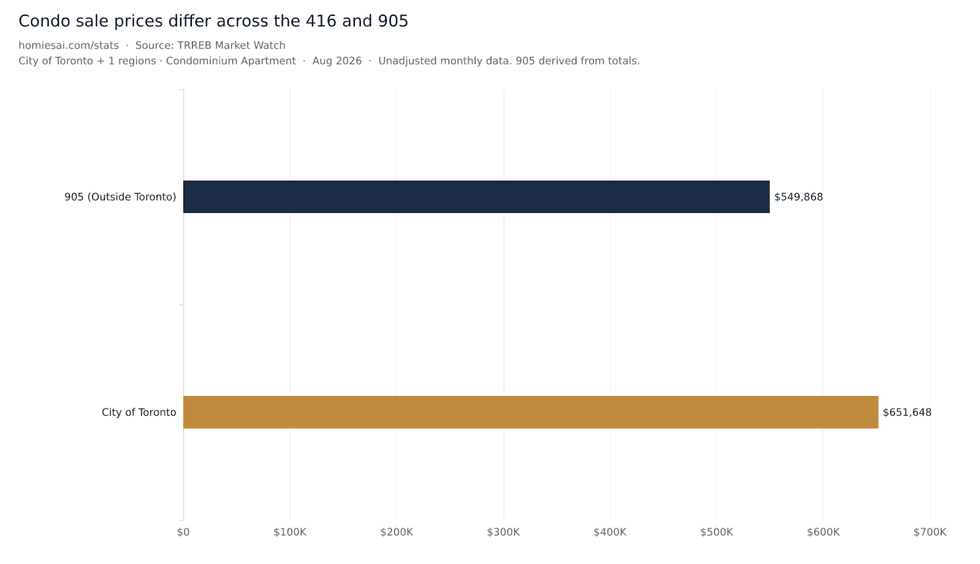 TRREB’s 416/905 categories compare the apartments sold in each area. The difference does not isolate a location premium for equivalent units.

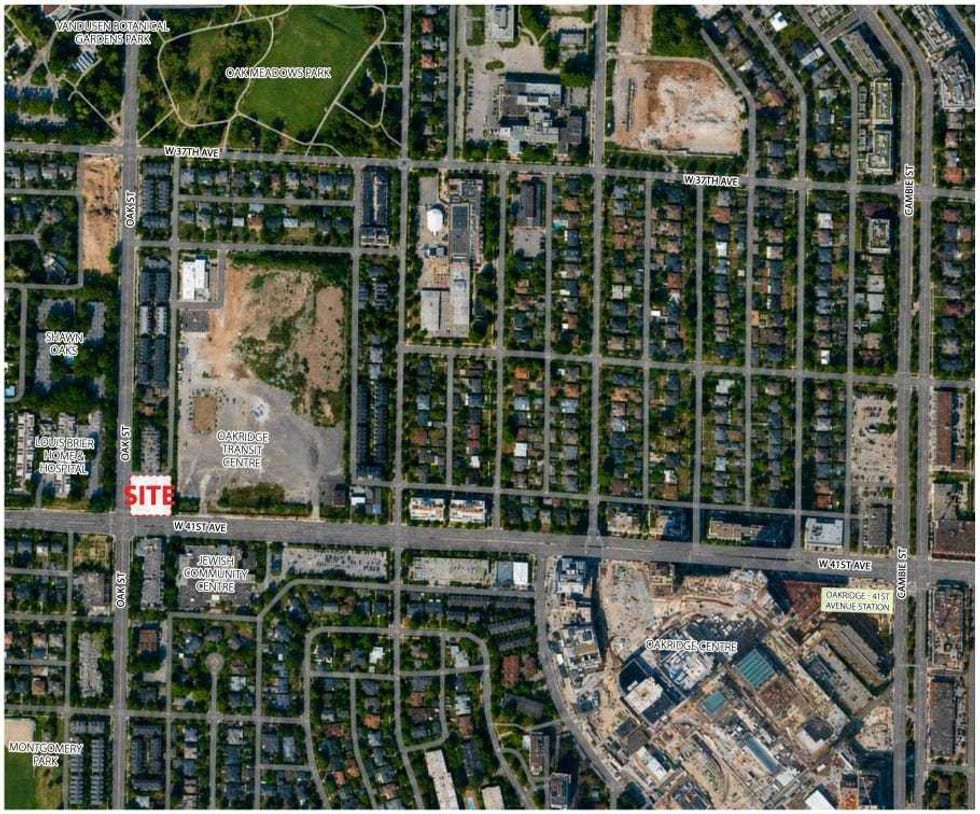 5680 Oak Street in Vancouver and its surrounding context. (MCMP Architects)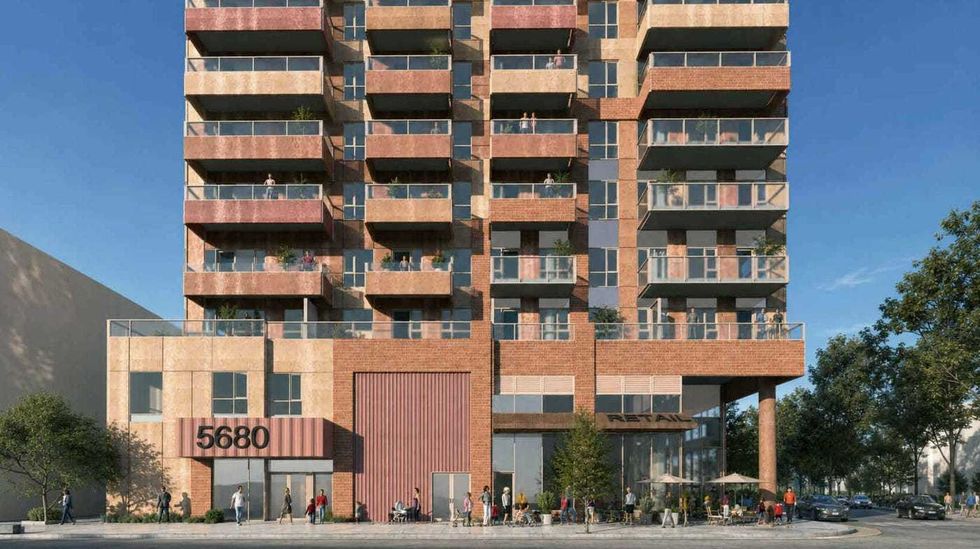
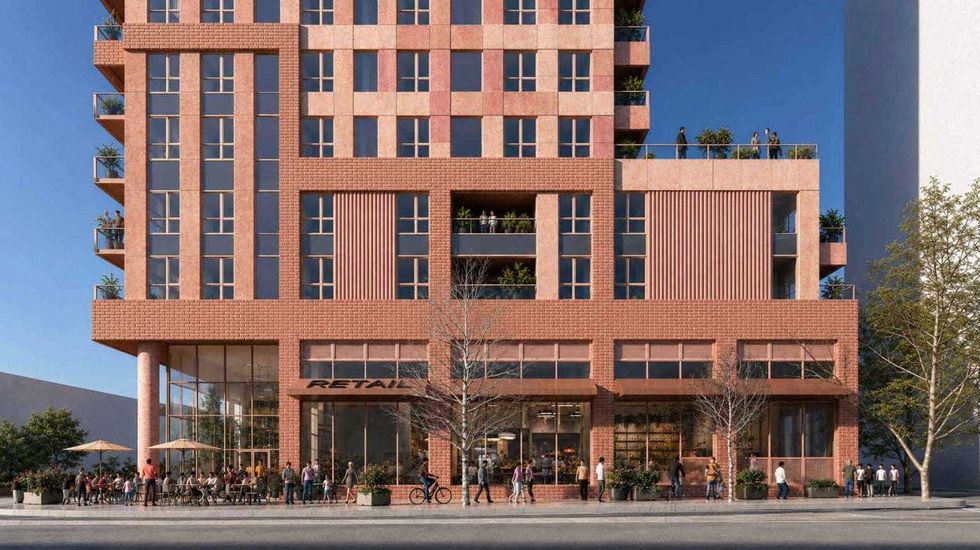 Ground-level renderings of the tower proposed for 5680 Oak Street in Vancouver. (MCMP Architects)