Noise Easement
A noise easement is a legal condition acknowledging noise exposure from nearby infrastructure, affecting property value and use.

September 30, 2025
What is Noise Easement?
A noise easement is a legal agreement that permits or acknowledges higher noise levels on a property due to nearby infrastructure such as airports, highways, or railways. Buyers must accept noise exposure as part of the property’s conditions.
Why Noise Easement Matters in Real Estate
Noise easements matter in real estate because they impact property use, value, and buyer expectations. They protect infrastructure operators from nuisance claims while informing prospective buyers.
Example of Noise Easement in Action
A homebuyer near an airport is required to acknowledge a noise easement, accepting elevated noise levels as part of the purchase.
Key Takeaways
- Acknowledges or permits noise exposure on property.
- Common near airports, highways, and railways.
- Impacts property value and buyer decisions.
- Protects infrastructure operators from complaints.
- Must be disclosed in property transactions.
Related Terms
- Easement
- Encumbrance
- Land Use Bylaws
- Disclosure Statement
- Environmental Regulation
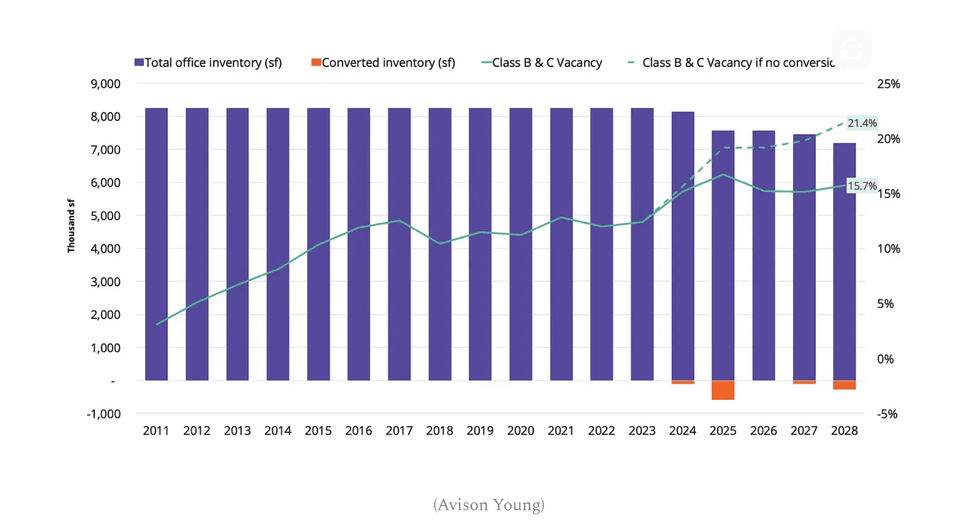 (Avison Young)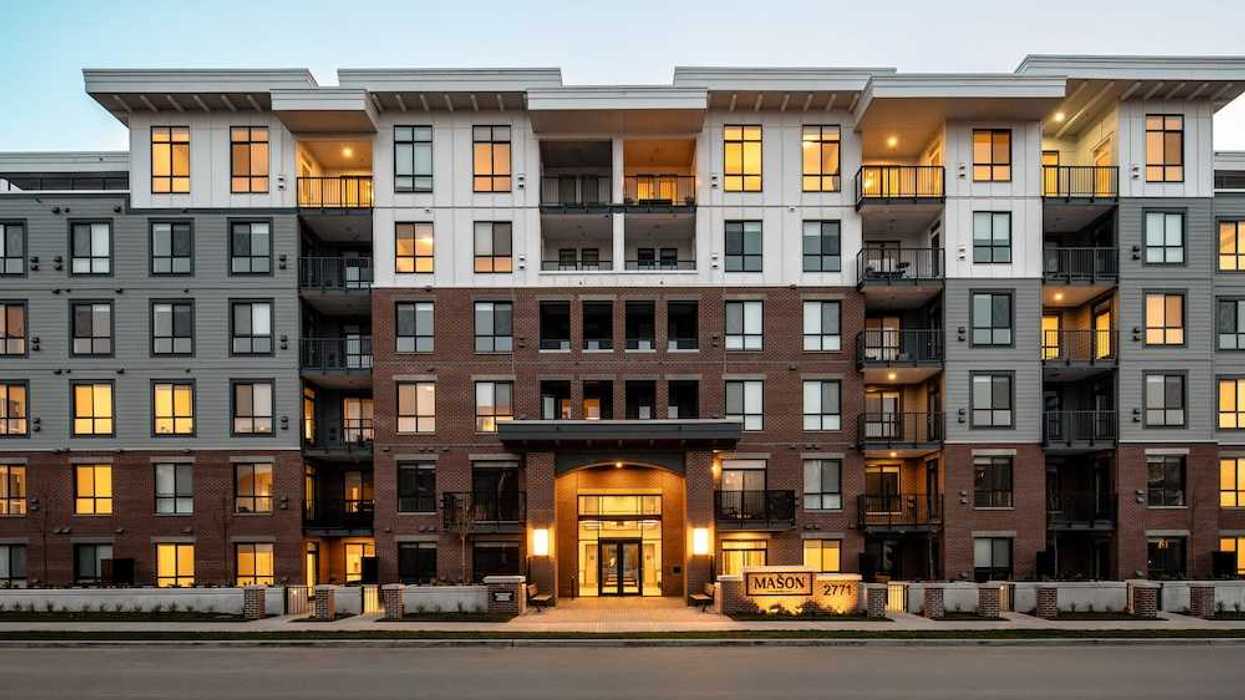
 The Mason Suite Interior (Infinity Properties)
 The Mason Suite Interior (Infinity Properties)
 Rail District aerial (Infinity Properties)
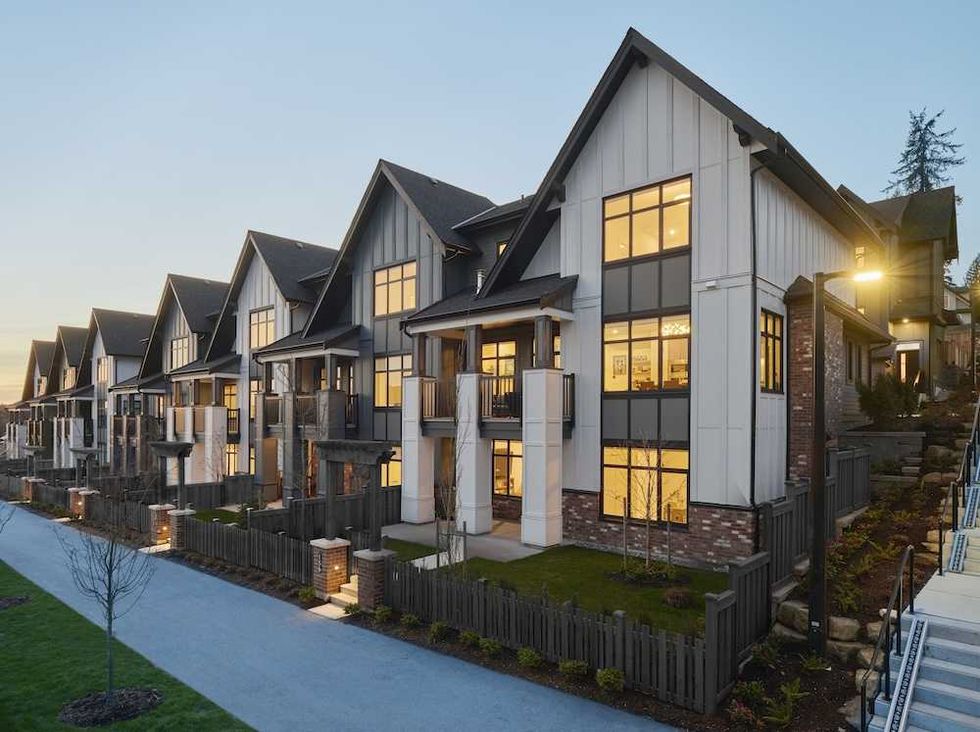 Versant (Infinity Properties)








 Narrow Fourplex (City of Toronto)
 Wide Sixplex - Side View (City of Toronto)
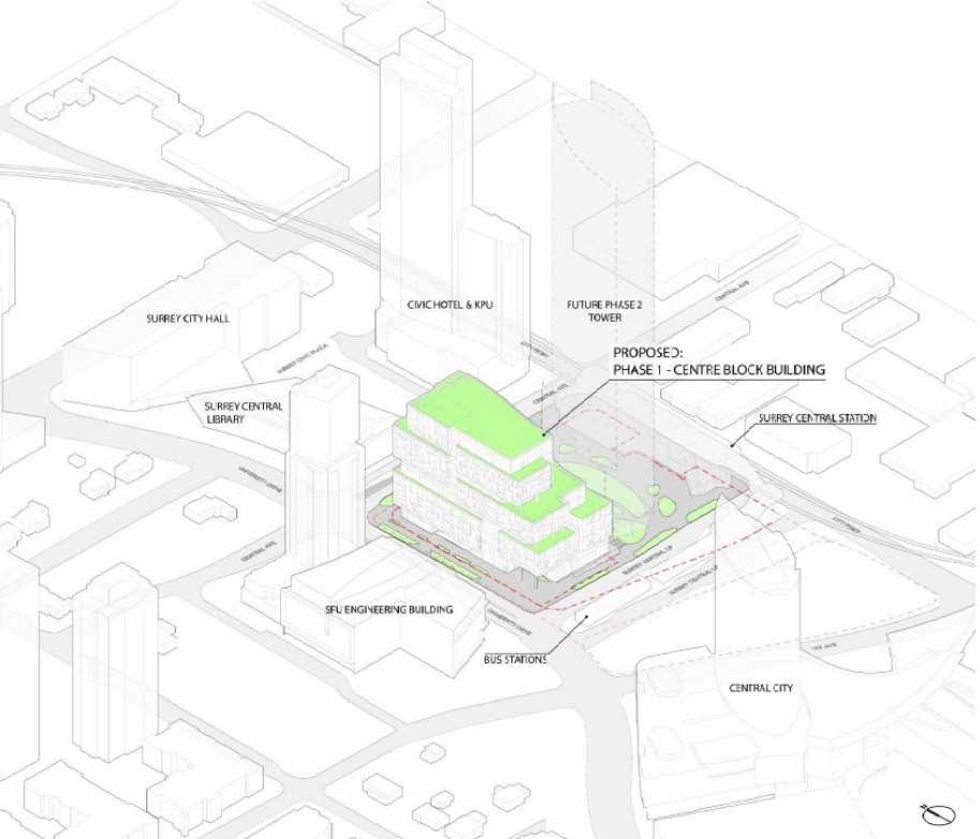 Centre Block and its surrounding context. (Stantec-Revery, SCDC)
 The 12-storey Phase One of Centre Block. (Stantec-Revery, SCDC)
 The 12-storey Phase One of Centre Block. (Stantec-Revery, SCDC)
 Mondria One, set for 1607 King Street East in Clarington, Ontario. (ICON Architects Inc., Monde Development Group)