Lis Pendens
Understand lis pendens in Canadian real estate — what it is, how it affects title, and why it matters in property transactions.

August 08, 2025
What is Lis Pendens?
Lis pendens is a legal notice filed in the land registry indicating that a property is subject to ongoing litigation that may affect its title.
Why Lis Pendens Matters in Real Estate
In Canadian real estate, lis pendens warns potential buyers or lenders of legal disputes that could impact property ownership.
Key points:
- Recorded in the land registry during litigation
- Clouds title and can hinder sales or financing
- Can be removed if litigation is resolved or dismissed
Understanding lis pendens helps parties assess risk in property transactions.
Example of Lis Pendens in Action
A lis pendens was filed on the property due to a boundary dispute, discouraging potential buyers.
Key Takeaways
- Public notice of litigation affecting property
- Filed with the land registry
- Can prevent sale or financing of property
- Must be resolved or removed to clear title
- Important for buyers and lenders to check
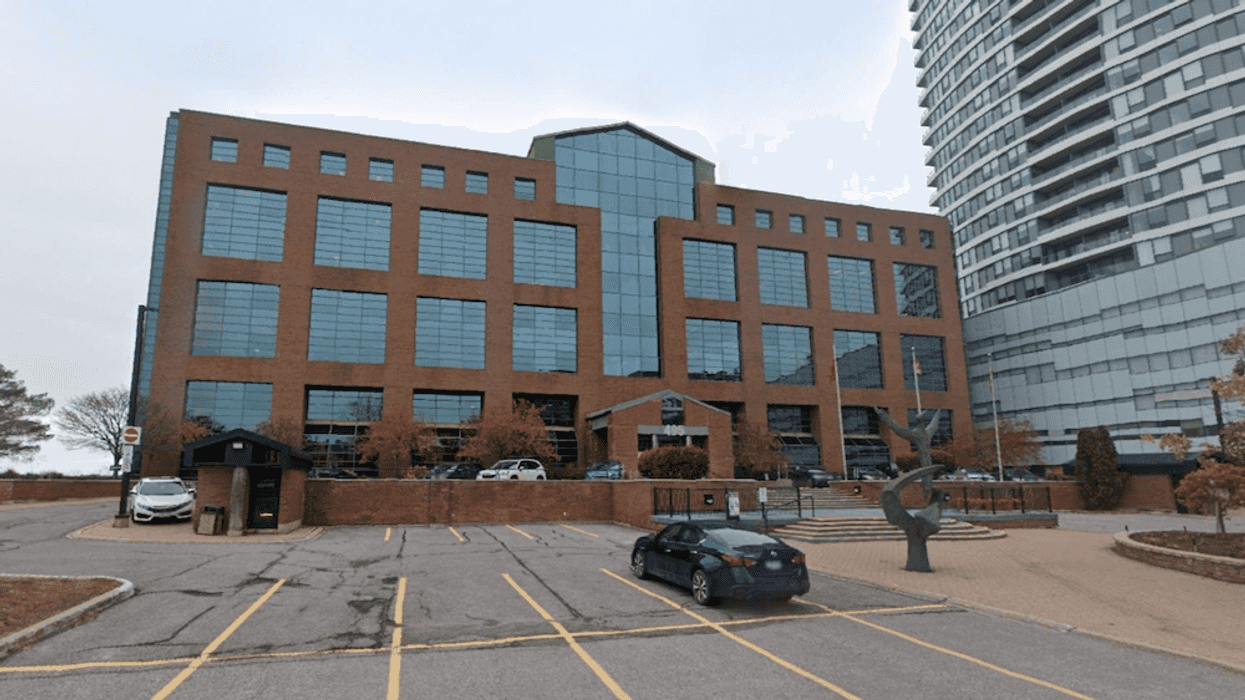
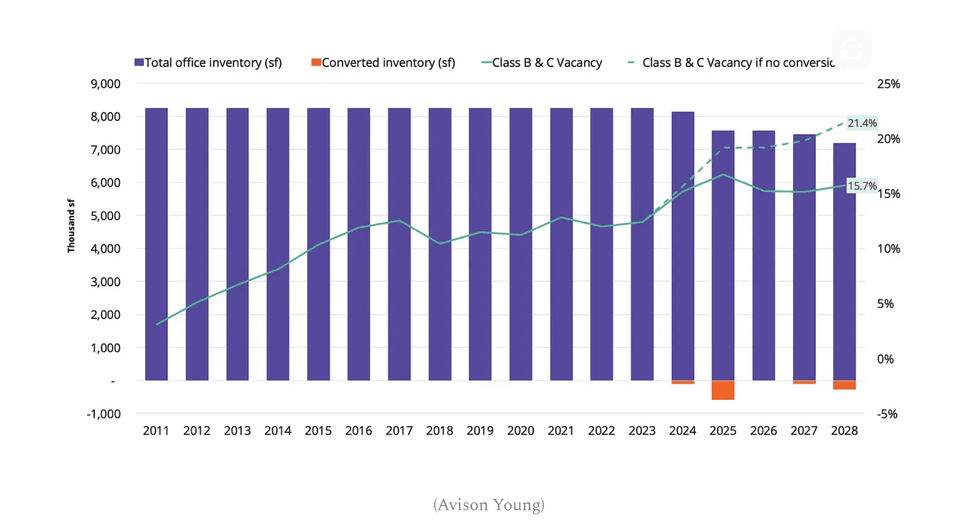 (Avison Young)
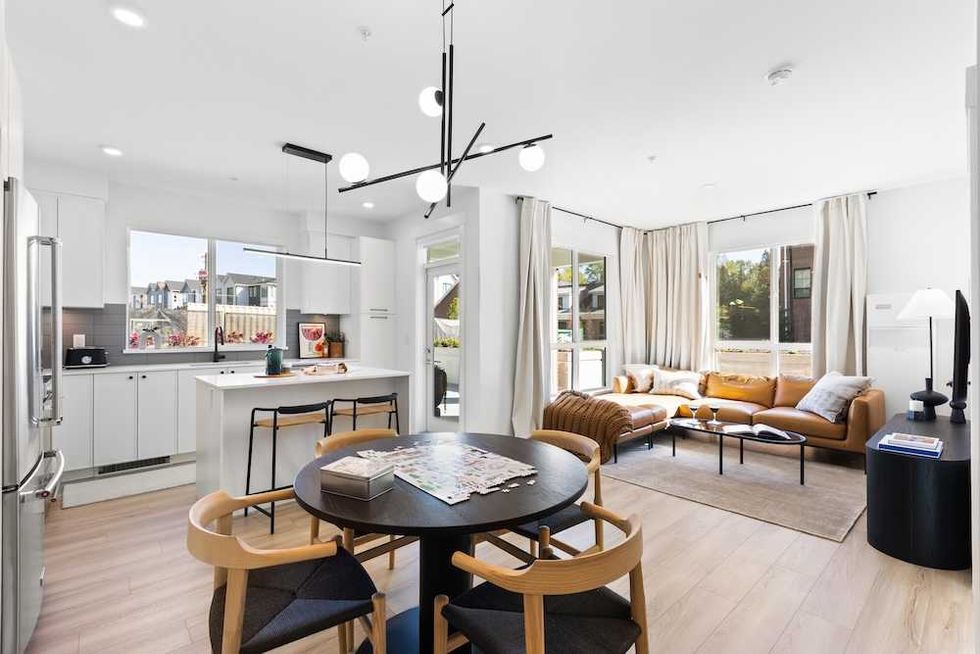 The Mason Suite Interior (Infinity Properties)
 The Mason Suite Interior (Infinity Properties)
 Rail District aerial (Infinity Properties)
 Versant (Infinity Properties)








 Narrow Fourplex (City of Toronto)
 Wide Sixplex - Side View (City of Toronto)
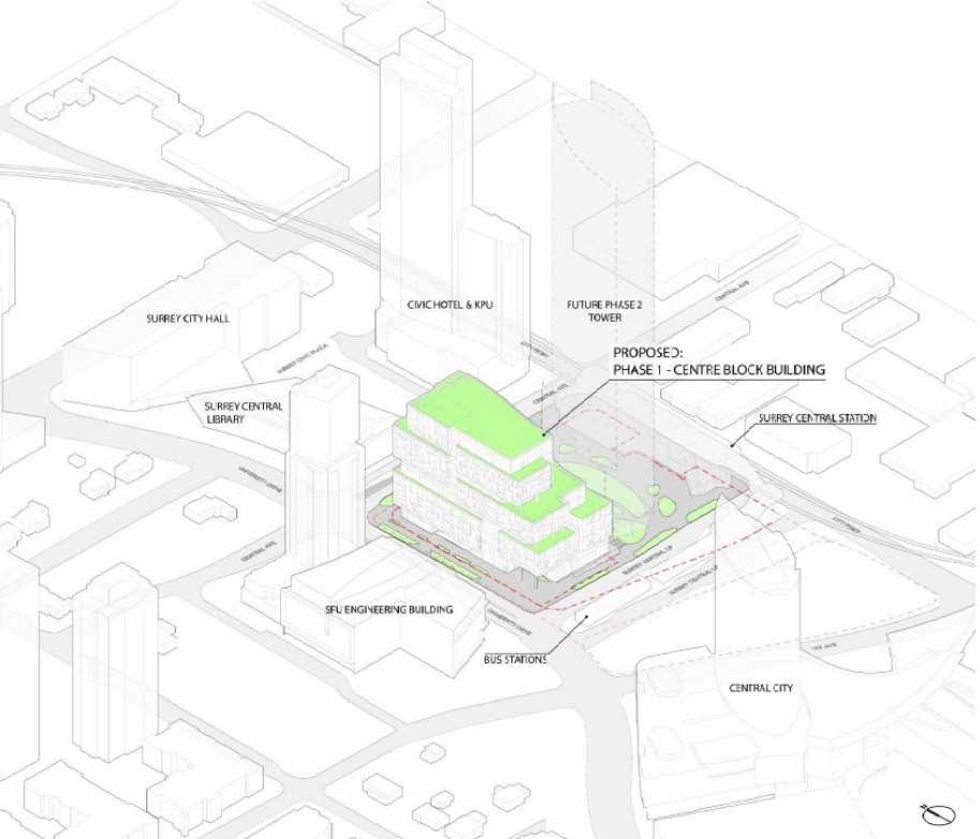 Centre Block and its surrounding context. (Stantec-Revery, SCDC)
 The 12-storey Phase One of Centre Block. (Stantec-Revery, SCDC)
 The 12-storey Phase One of Centre Block. (Stantec-Revery, SCDC)
 Mondria One, set for 1607 King Street East in Clarington, Ontario. (ICON Architects Inc., Monde Development Group)