Latent Defect
Learn what a latent defect is in Canadian real estate, when sellers must disclose it, and how buyers can protect themselves during inspection and purchase.
May 30, 2025
What is a Latent Defect?
A latent defect is a hidden flaw in a property that is not visible during a typical inspection and may affect its safety, use, or value.
Why Do Latent Defects Matter in Real Estate?
In Canadian real estate, sellers are legally obligated to disclose known latent defects that make the home unsafe or unfit for habitation. These cannot be easily detected by the buyer or inspector.
Examples of latent defects include:
- Mold behind walls
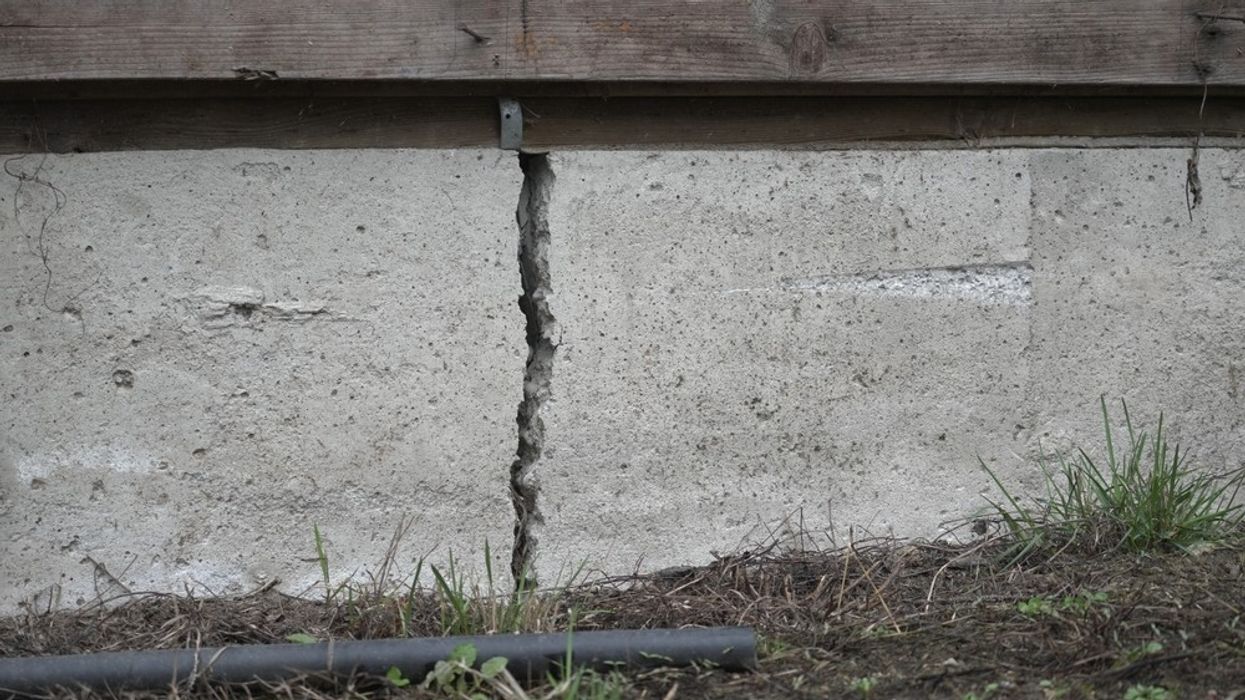
- Foundation cracks or structural instability
- Undisclosed water damage or past flooding
If the seller fails to disclose a known latent defect, they may face legal consequences. Buyers should include inspection conditions and seek professional advice for potential red flags.
Understanding latent defects protects buyers from surprise repairs and helps sellers meet legal disclosure obligations.
Example of a Latent Defect
After moving in, the buyer discovered black mold behind the drywall. The seller had not disclosed it, resulting in a legal claim for latent defect.
Key Takeaways
- Hidden flaws not visible in standard inspection.
- Must be disclosed if known.
- Can affect safety or habitability.
- May lead to legal action if concealed.
- Strong reason for buyer due diligence.

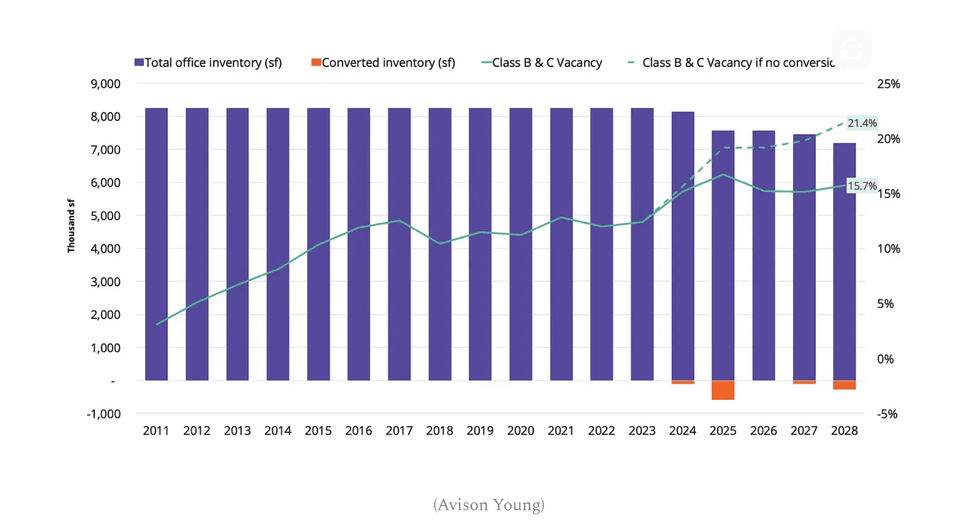 (Avison Young)





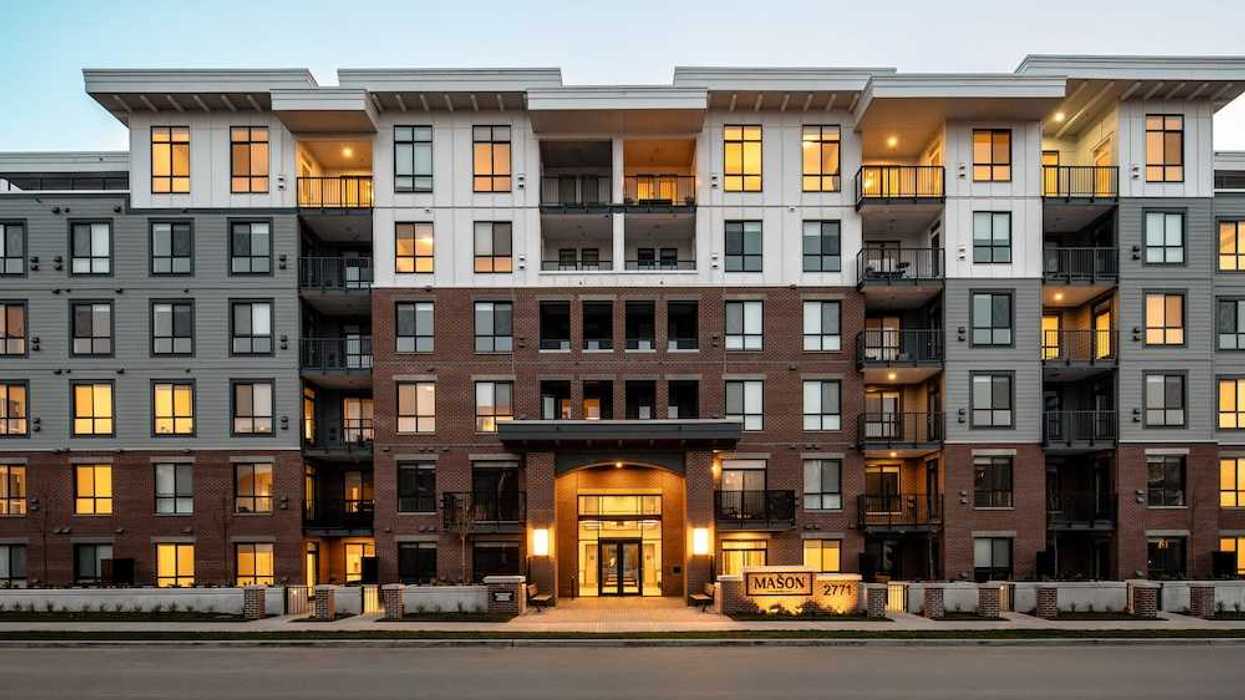
 The Mason Suite Interior (Infinity Properties)
 The Mason Suite Interior (Infinity Properties)
 Rail District aerial (Infinity Properties)
 Versant (Infinity Properties)


 Narrow Fourplex (City of Toronto)
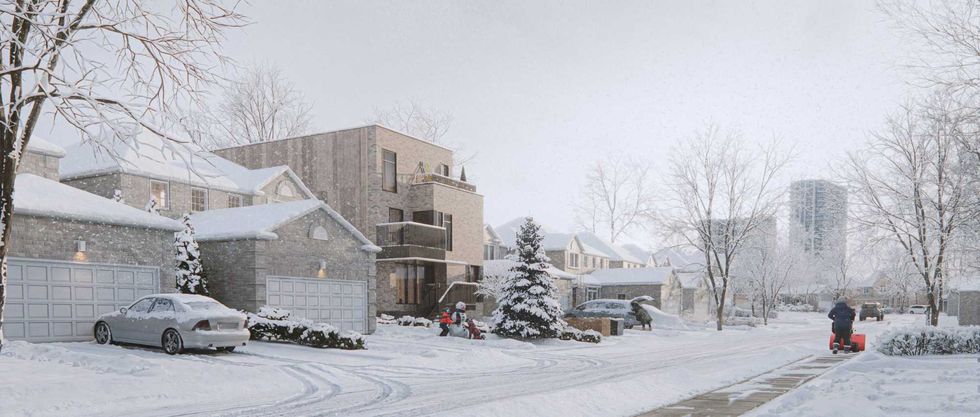 Wide Sixplex - Side View (City of Toronto)
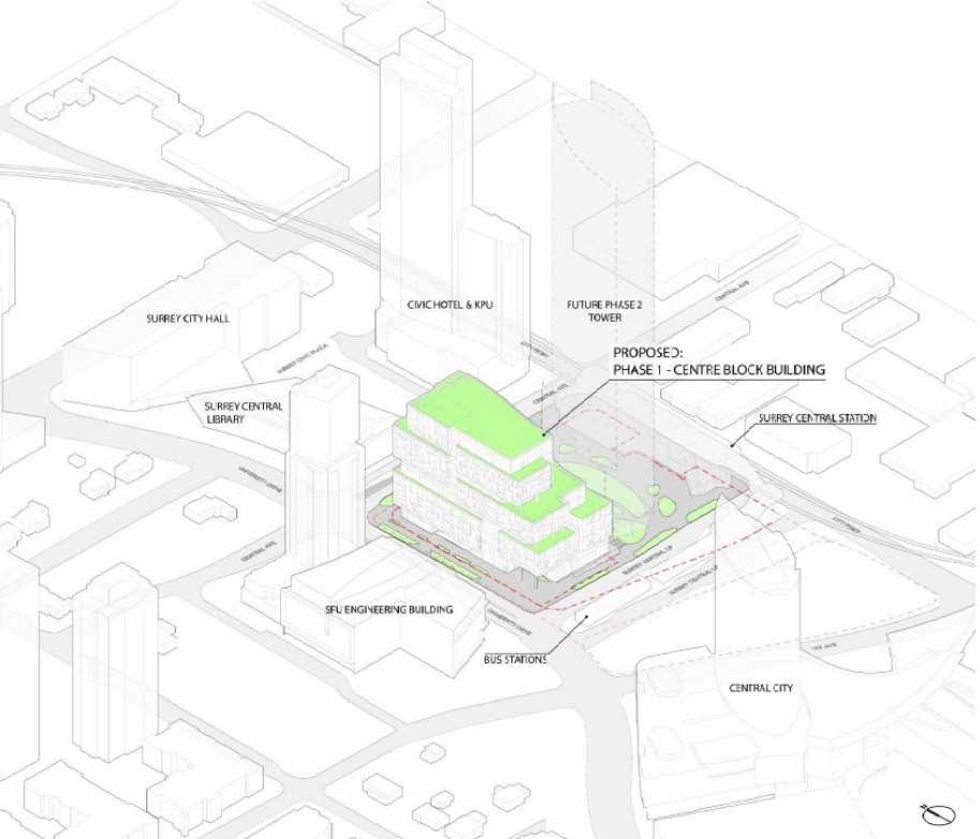 Centre Block and its surrounding context. (Stantec-Revery, SCDC)
 The 12-storey Phase One of Centre Block. (Stantec-Revery, SCDC)
 The 12-storey Phase One of Centre Block. (Stantec-Revery, SCDC)
 Mondria One, set for 1607 King Street East in Clarington, Ontario. (ICON Architects Inc., Monde Development Group)