Land Flipping
Learn about land flipping in Canadian real estate — what it is, how it works, and its risks and rewards for investors.

August 08, 2025
What is Land Flipping?
Land flipping is the practice of buying land and quickly reselling it, often at a higher price, without significant improvements or development.
Why Land Flipping Matters in Real Estate
In Canadian real estate, land flipping can generate profits but may also be scrutinized by tax authorities and regulators.
Key points:
- Often involves short holding periods
- May contribute to land speculation and higher prices
- Taxed as business income in certain cases
Understanding land flipping helps investors evaluate risks and potential returns.
Example of Land Flipping in Action
The investor engaged in land flipping by purchasing a vacant lot and reselling it for a profit within three months.
Key Takeaways
- Involves quick purchase and resale of land
- Can generate significant profits
- May attract tax scrutiny
- Affects land prices and availability
- Requires knowledge of market timing
Related Terms
- Capital Gains Tax
- Carrying Costs
- Subdivision Plan
- Official Plan
- Land Assembly








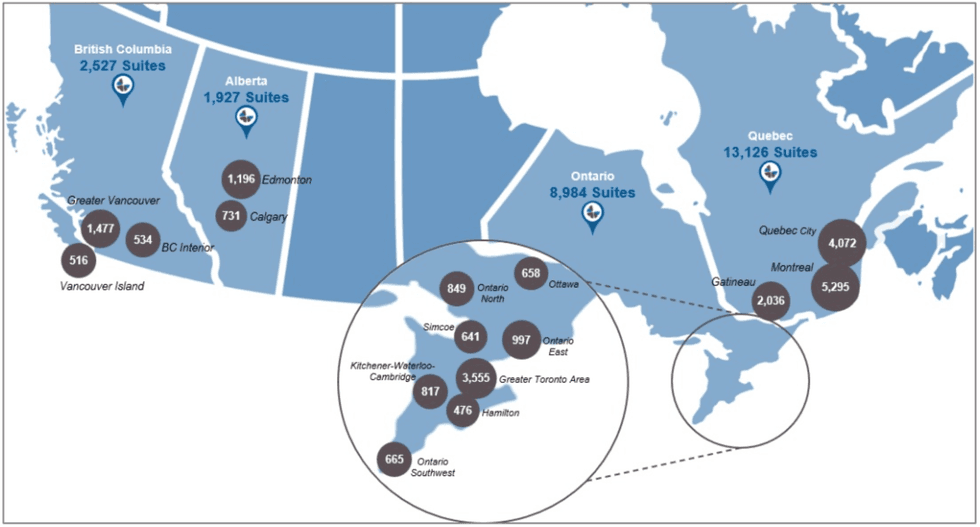 Chartwell’s portfolio as of December 31, 2025. (Chartwell Retirement Residences)

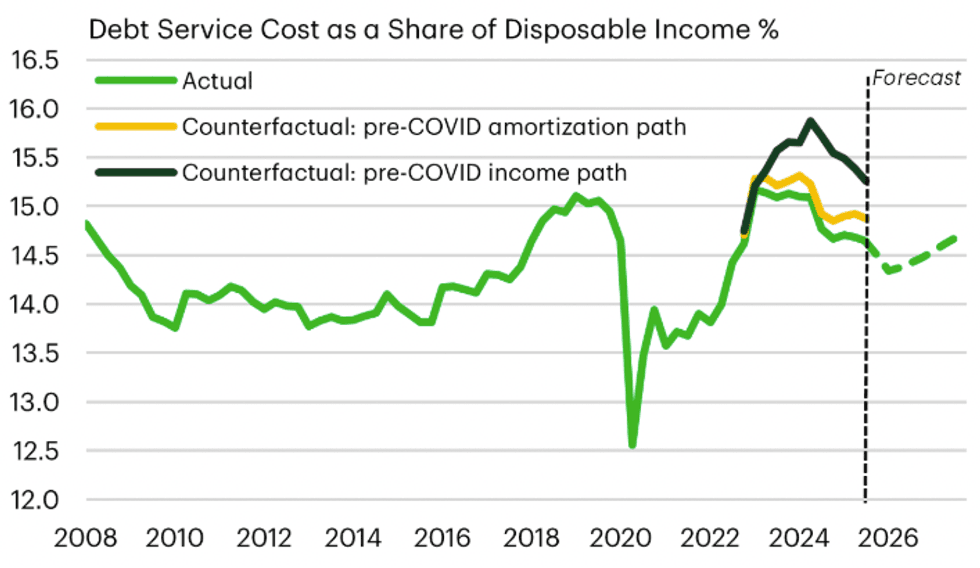 Income growth and longer amortizations are blunting mortgage shock/Statistics Canada, TD Economics
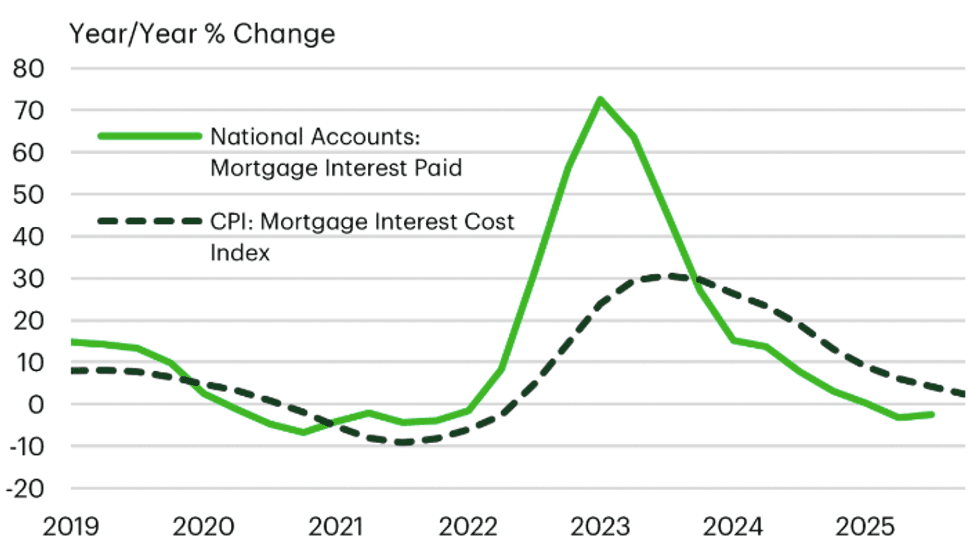 Canada's mortgage interest cost index is nearing deflation/Statistics Canada, TD Economics
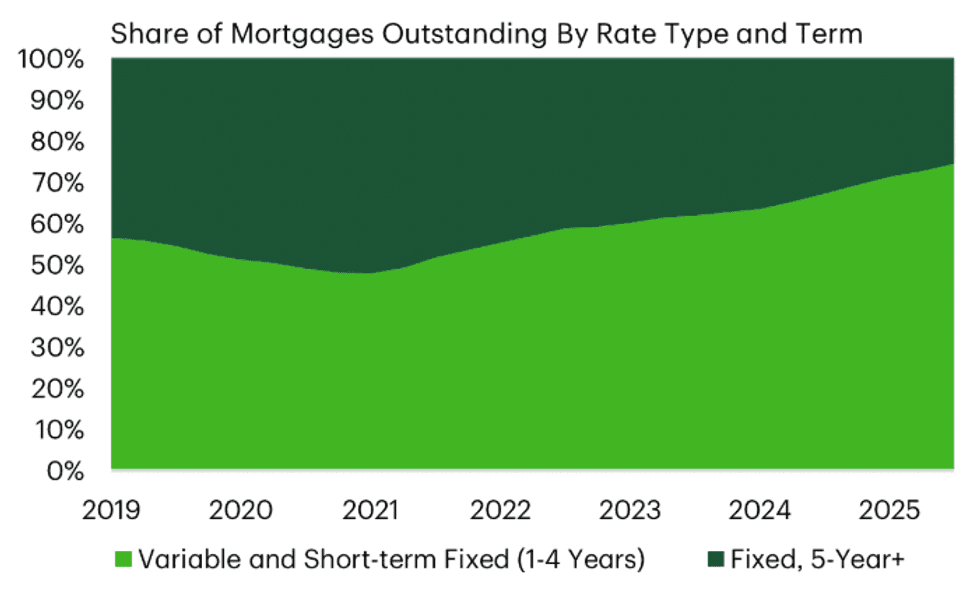 Canada's mortgage stock is more rate-sensitive today/Bank of Canada, TD Economics
 Manuela Preis/Instagram