Estate Planning
Explore estate planning in Canadian real estate, how to protect property assets, reduce probate delays, and ensure your wishes are followed.

May 30, 2025
What is Estate Planning?
Estate planning is the process of arranging for the management and transfer of a person's assets, including real estate, upon their death or incapacitation.
Why Does Estate Planning Matter in Real Estate?
In Canadian real estate, property often represents a significant portion of one’s estate. Proper planning ensures assets are distributed according to one’s wishes and can help avoid probate delays and tax liabilities.
Key estate planning tools include:
- Wills and powers of attorney
- Joint tenancy with right of survivorship
- Trusts or gifting strategies
- Naming beneficiaries on financial accounts
Without a clear estate plan, real estate may pass through probate, causing delays, legal costs, and unintended outcomes.
Understanding estate planning helps property owners protect their assets, ensure family security, and streamline the inheritance process.
Example of Estate Planning in Action
A homeowner adds their spouse to the title as a joint tenant to ensure the property passes automatically without going through probate.
Key Takeaways
- Organizes asset transfer after death.
- Avoids probate with proper title setup.
- Involves wills, trusts, and joint ownership.
- Helps reduce legal and tax burdens.
- Key for homeowners and families.
Related Terms
- Right of Survivorship
- Joint Tenancy
- Legal Title
- Tenancy-in-Common
- Ownership Rights

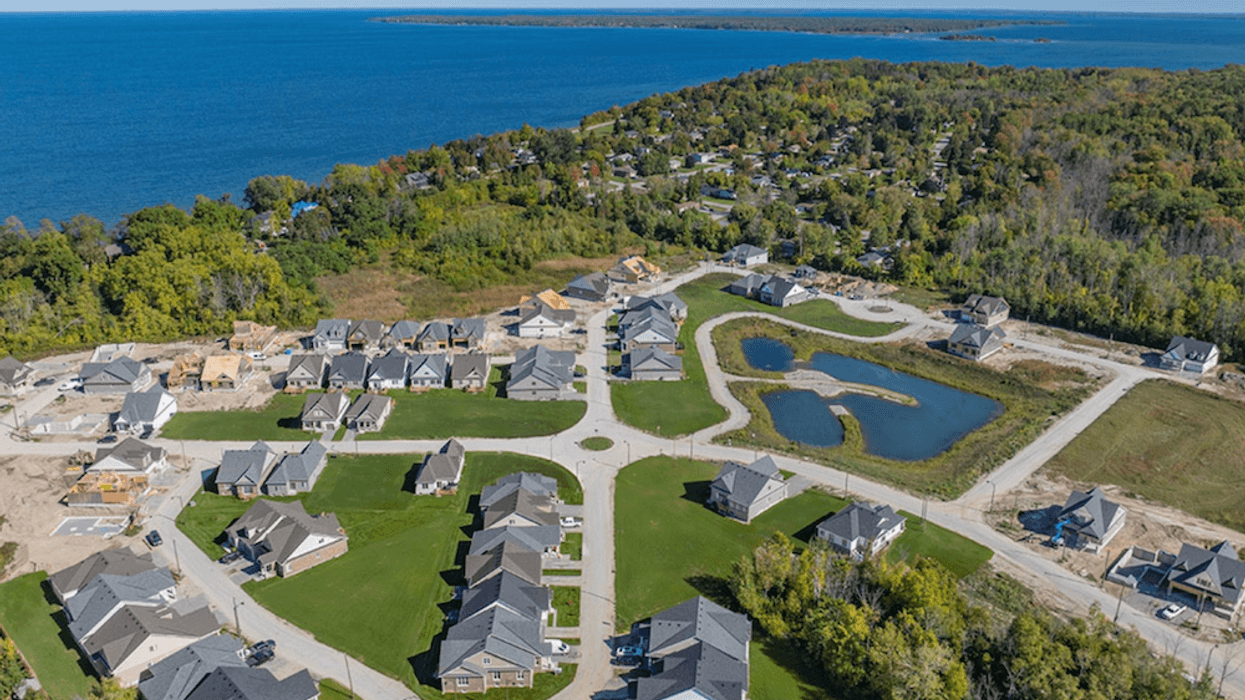
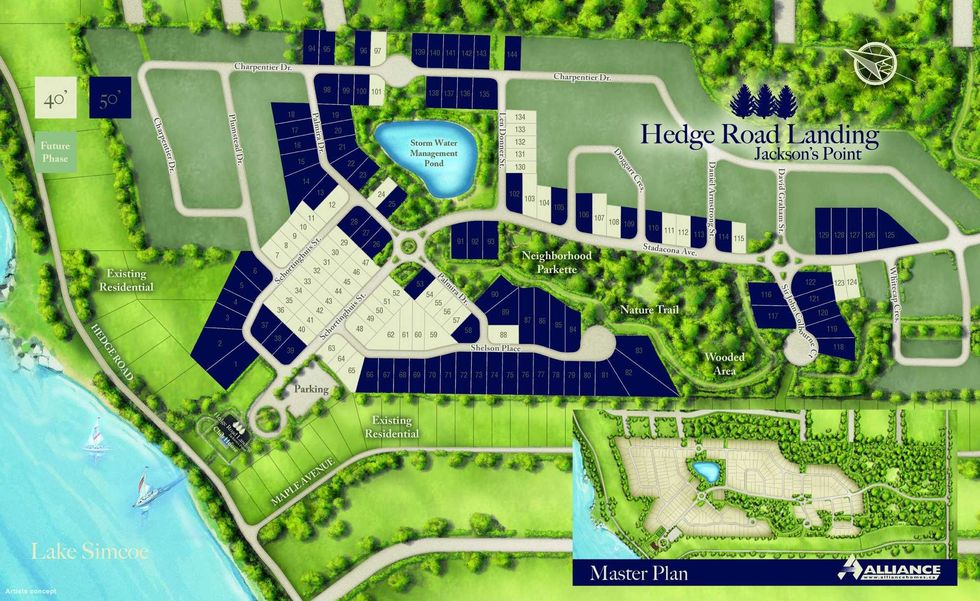 An overview of Hedge Road Landing. (Alliance Homes)





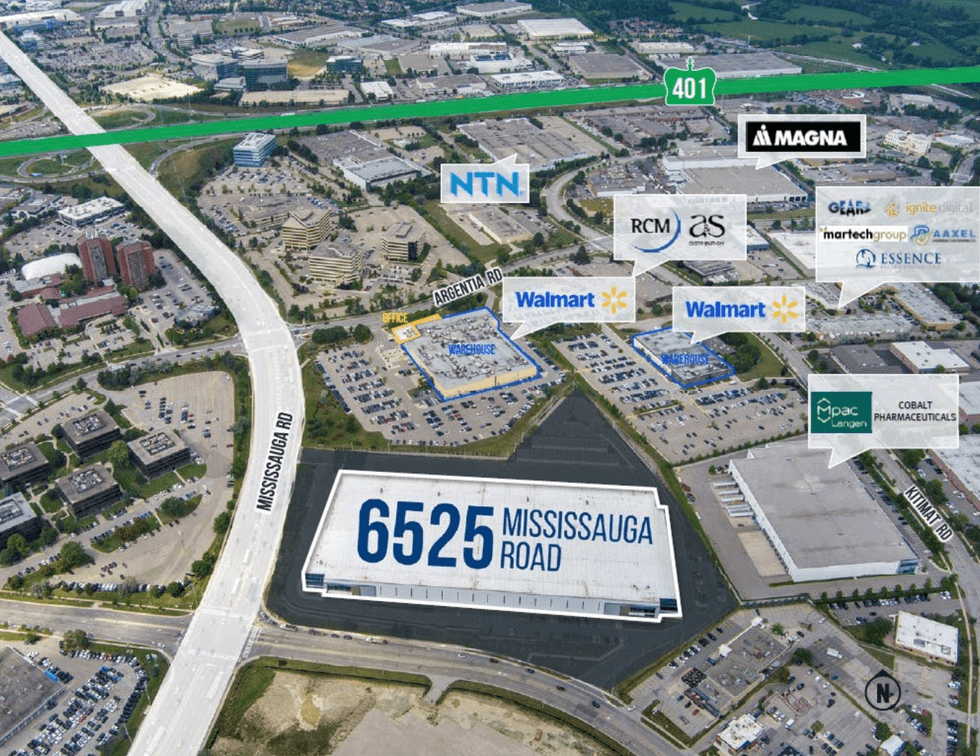 6525 Mississauga Road and its surrounding context. (RBC Capital Markets & CBRE)
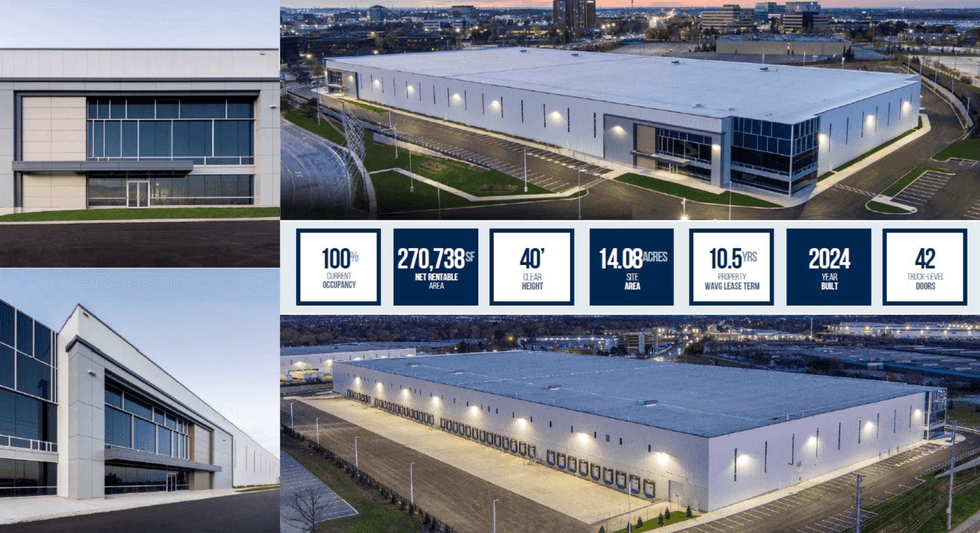 Property details for 6525 Mississauga Road. (RBC Capital Markets & CBRE)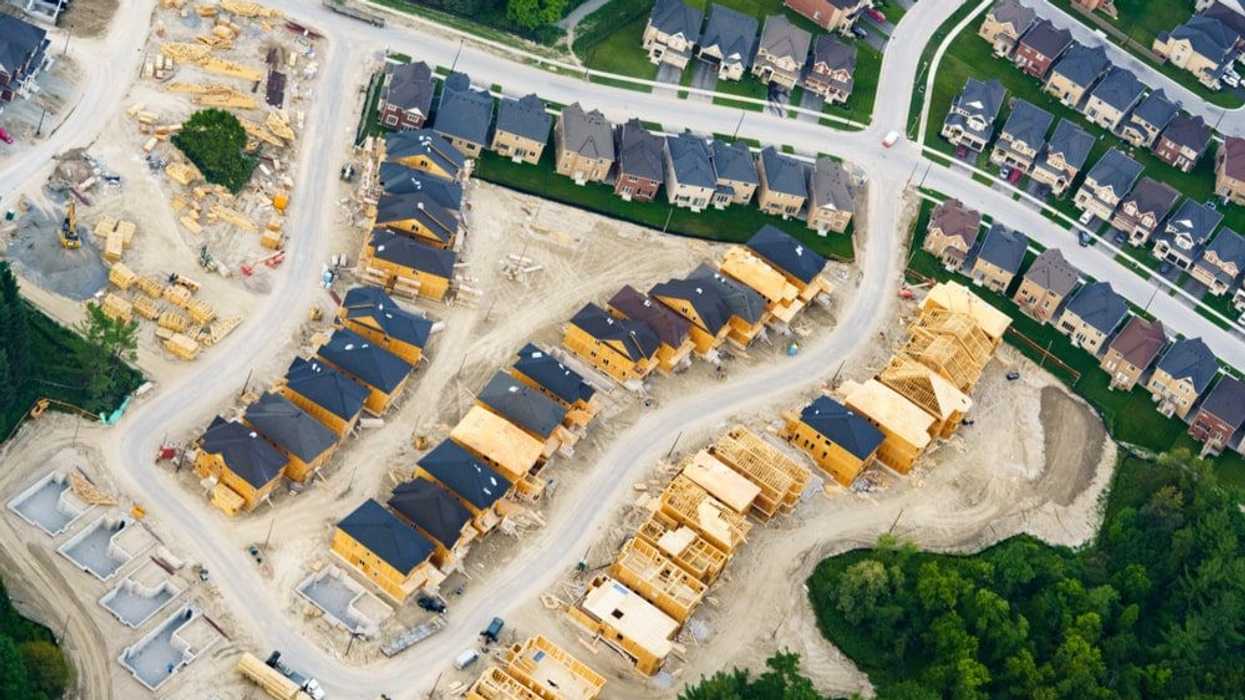
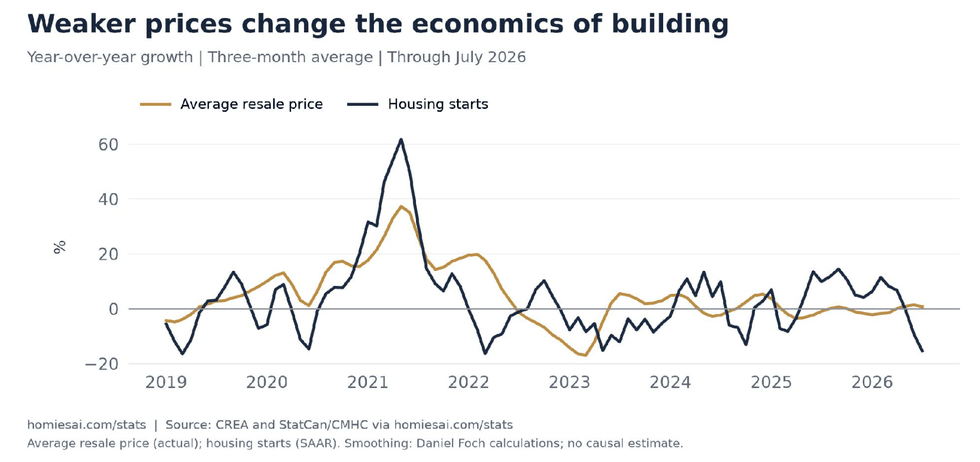 National average resale-price growth and housing-starts growth, smoothed over three months. The comparison illustrates the cycle; it does not establish how much a price change causes construction to change.
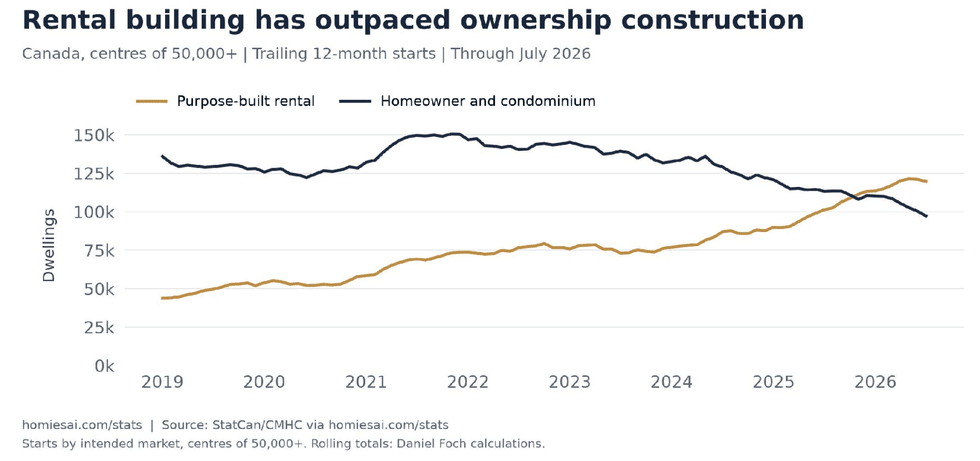 Trailing 12-month starts in centres of 50,000 or more remove the usual monthly seasonality. Ownership combines the homeowner and condominium categories; rental is shown separately.
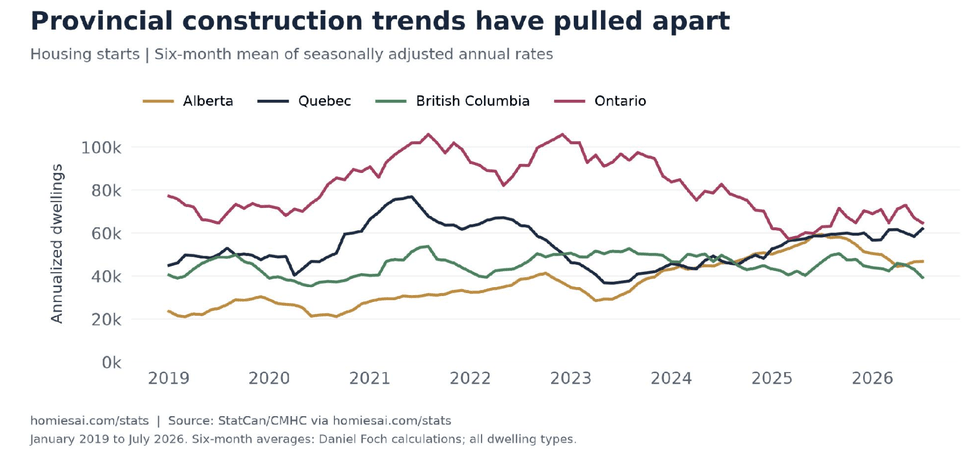 Six-month averages of provincial starts, expressed at annual rates. The smoothing reduces the influence of individual apartment projects.
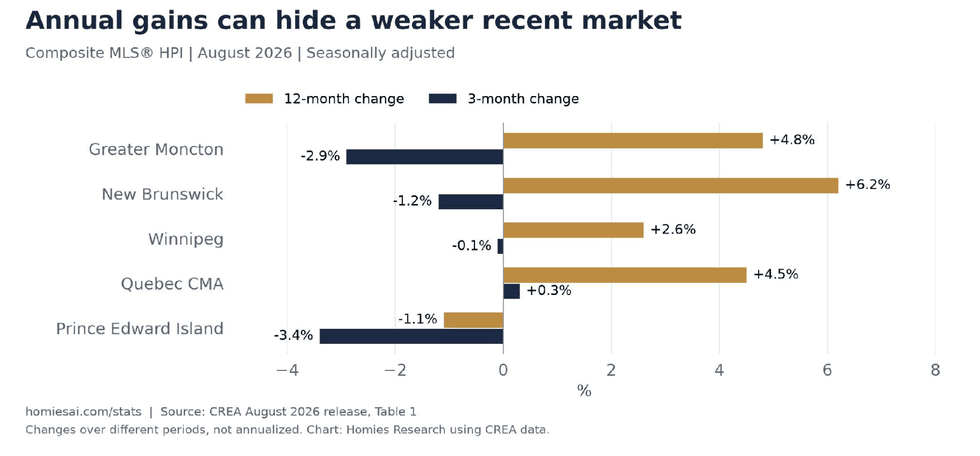 The same August benchmark compared with two different starting points. Three-month changes are not annualized.
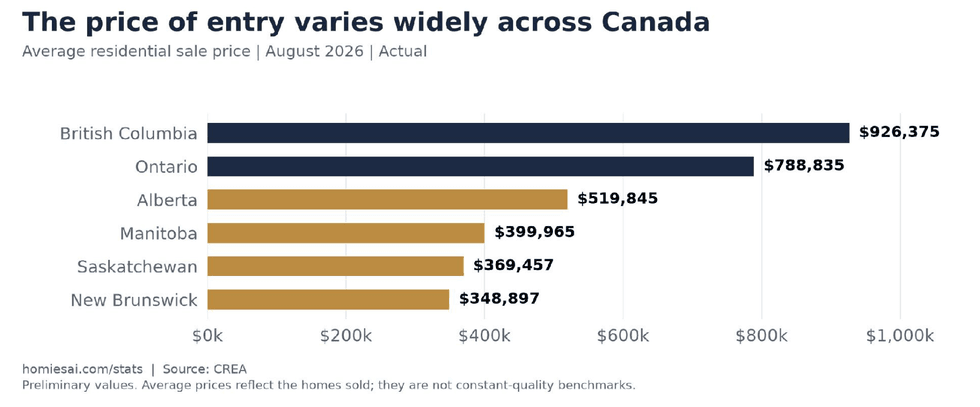 Average sale prices show the difference in purchase costs across markets. They do not measure affordability relative to local incomes or construction costs.
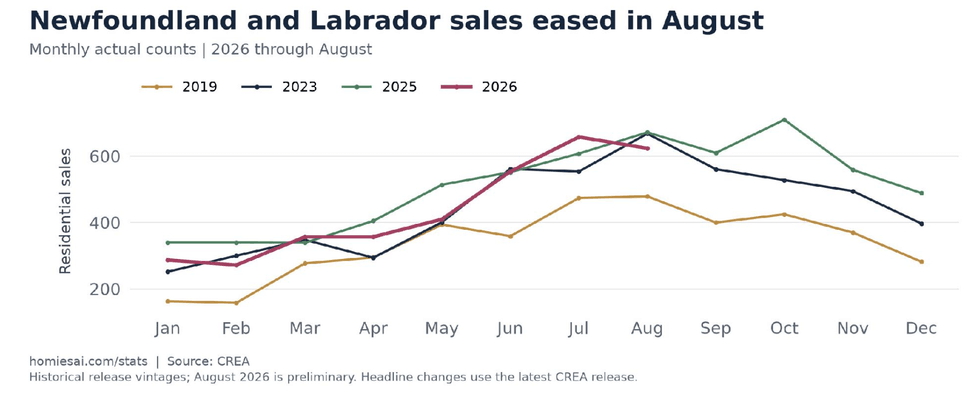 Newfoundland and Labrador remains above its pre-pandemic sales pattern, but August activity was below last year. Historical lines retain their original release vintages.

 Galleria III at Galleria on the Park (Hariri Pontarini Architects)
  Bisha Hotel & Residences (Lifetime Developments)