Divestiture
Learn what divestiture means in Canadian real estate, when and why property is sold or transferred, and what legal steps must be followed.

May 30, 2025
What is Divestiture?
Divestiture is the voluntary or involuntary sale, transfer, or disposal of real estate or other assets, often as part of a legal, financial, or strategic decision.
Why Does Divestiture Matter in Real Estate?
In Canadian real estate, divestitures occur for various reasons, including business restructuring, bankruptcy proceedings, legal settlements, or strategic downsizing.
Common forms of divestiture include:
- Selling excess land or property holdings
- Court-ordered asset sales in divorce or insolvency
- Government or corporate disposition of underused properties
Divestitures must comply with legal and regulatory frameworks, and may involve special disclosures, valuations, or public auctions.
Example of Divestiture in Action
A tech company divests several commercial buildings to focus on core urban campuses, selling the assets through a brokerage firm.
Key Takeaways
- Involves selling or disposing of property.
- May be strategic or court-ordered.
- Common in corporate or estate contexts.
- Must follow legal and tax requirements.
- Can impact financial and ownership planning.
Related Terms
- Disposition
- Legal Title
- Title Transfer
- Ownership Rights
- Quitclaim Deed
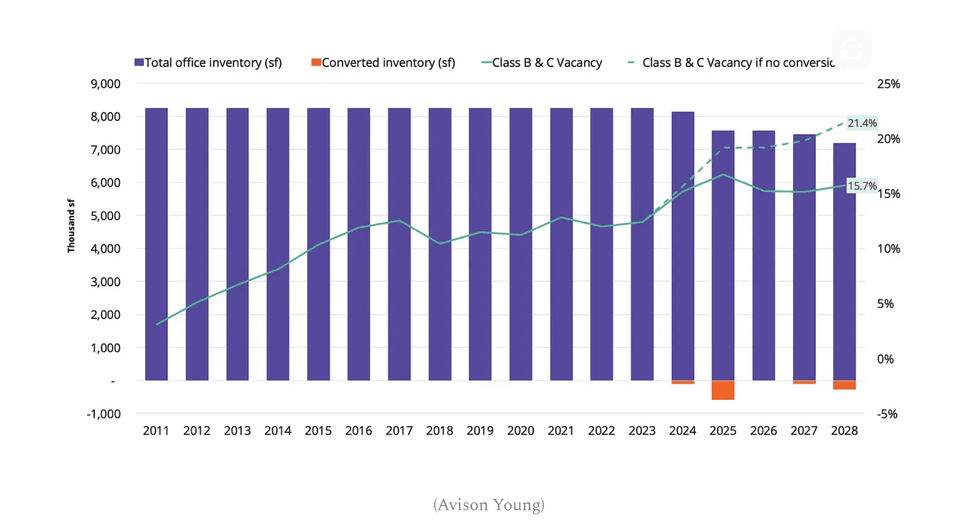 (Avison Young)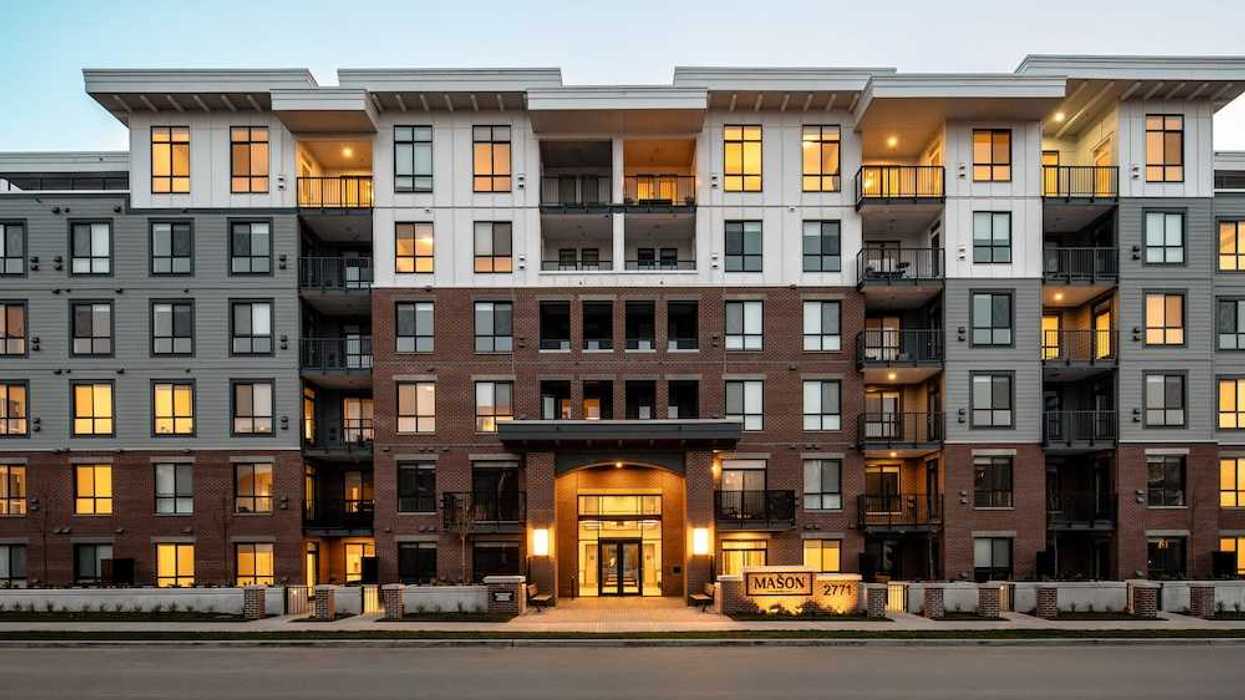
 The Mason Suite Interior (Infinity Properties)
 The Mason Suite Interior (Infinity Properties)
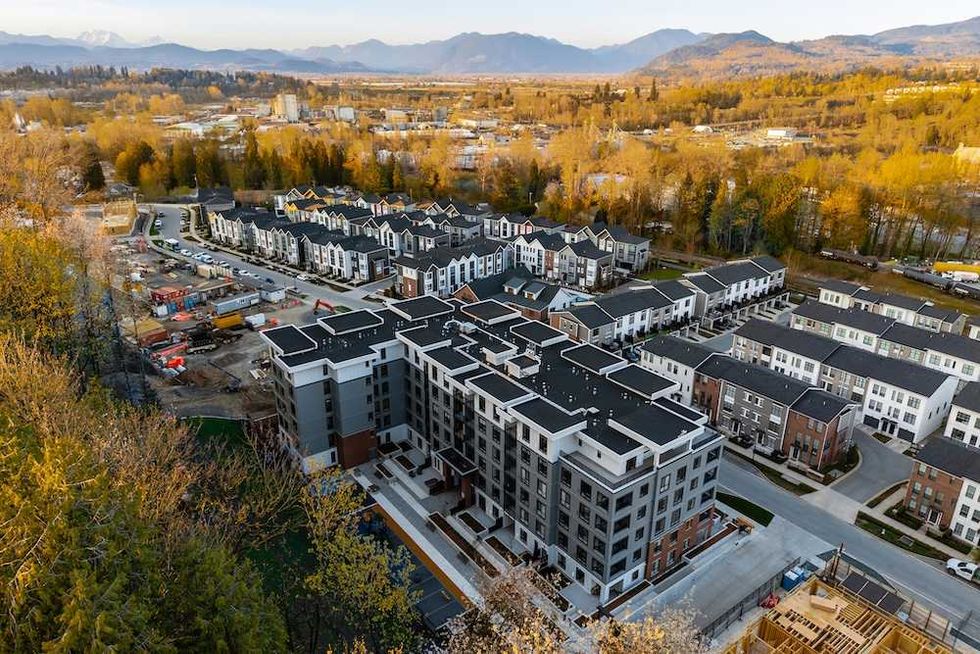 Rail District aerial (Infinity Properties)
 Versant (Infinity Properties)






 Narrow Fourplex (City of Toronto)
 Wide Sixplex - Side View (City of Toronto)
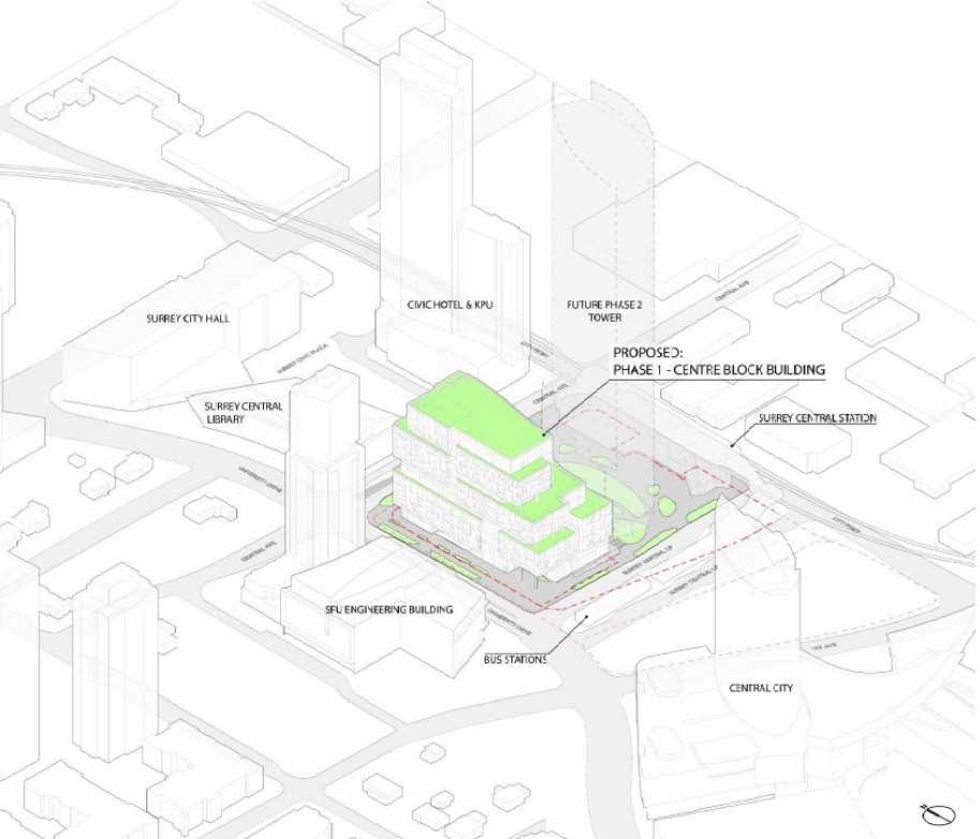 Centre Block and its surrounding context. (Stantec-Revery, SCDC)
 The 12-storey Phase One of Centre Block. (Stantec-Revery, SCDC)
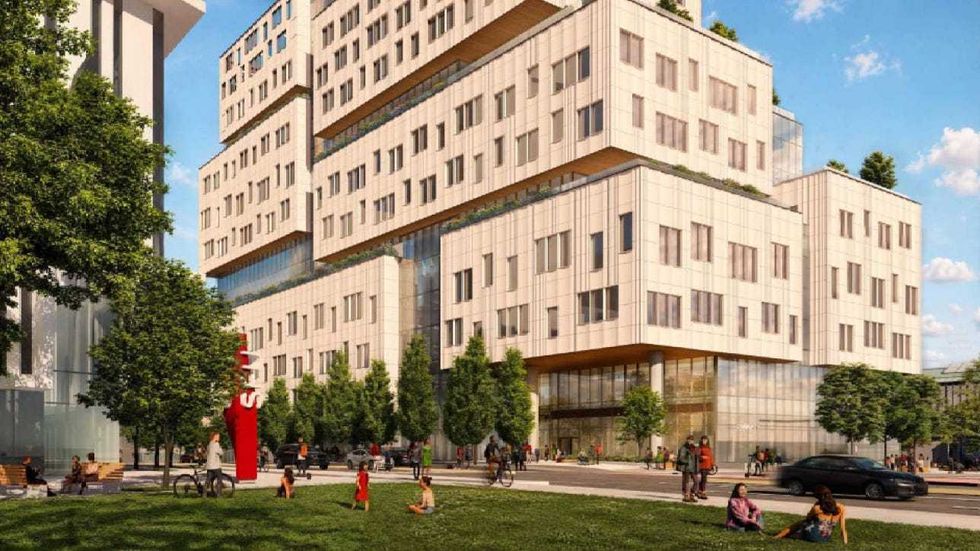 The 12-storey Phase One of Centre Block. (Stantec-Revery, SCDC)
 Mondria One, set for 1607 King Street East in Clarington, Ontario. (ICON Architects Inc., Monde Development Group)