Deed in Lieu of Foreclosure
Learn about deeds in lieu of foreclosure in Canadian real estate — what they are, how they work, and their benefits for borrowers and lenders.

August 08, 2025
What is a Deed in Lieu of Foreclosure?
A deed in lieu of foreclosure is a legal agreement where a borrower voluntarily transfers property ownership to the lender to avoid foreclosure.
Why Deeds in Lieu of Foreclosure Matter in Real Estate
In Canadian mortgage law, deeds in lieu of foreclosure allow borrowers to avoid the lengthy and costly foreclosure process while satisfying debt obligations.
Key points:
- Requires lender agreement and clear title
- May reduce negative impact on borrower’s credit
- Can save time and expenses for both parties
Understanding deeds in lieu of foreclosure helps borrowers and lenders manage distressed properties effectively.
Example of a Deed in Lieu of Foreclosure in Action
The homeowner signed a deed in lieu of foreclosure, transferring the property to the bank to settle the mortgage debt.
Key Takeaways
- Transfers property to lender instead of foreclosure
- Requires borrower and lender consent
- Can mitigate credit damage compared to foreclosure
- Helps avoid lengthy legal proceedings
- Must clear any junior liens or encumbrances
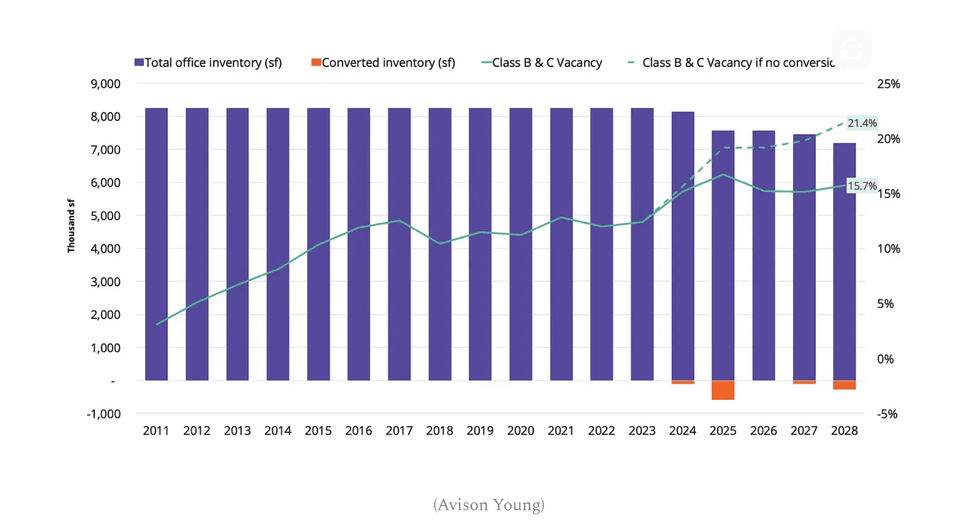 (Avison Young)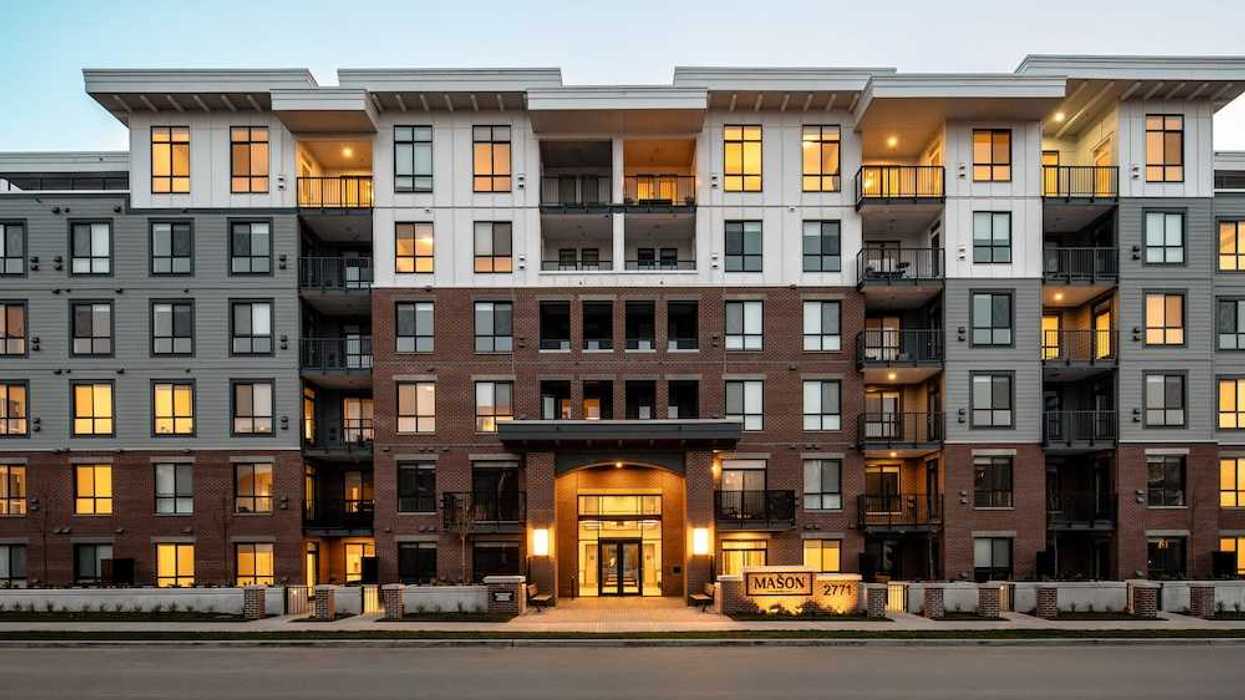
 The Mason Suite Interior (Infinity Properties)
 The Mason Suite Interior (Infinity Properties)
 Rail District aerial (Infinity Properties)
 Versant (Infinity Properties)








 Narrow Fourplex (City of Toronto)
 Wide Sixplex - Side View (City of Toronto)
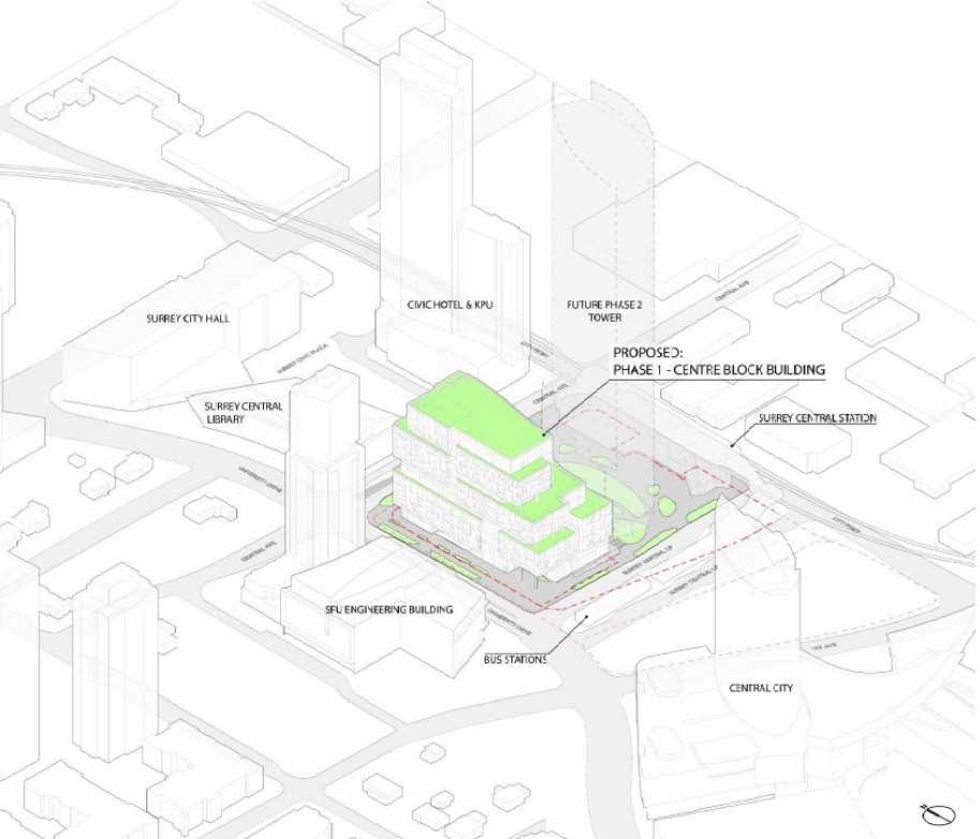 Centre Block and its surrounding context. (Stantec-Revery, SCDC)
 The 12-storey Phase One of Centre Block. (Stantec-Revery, SCDC)
 The 12-storey Phase One of Centre Block. (Stantec-Revery, SCDC)
 Mondria One, set for 1607 King Street East in Clarington, Ontario. (ICON Architects Inc., Monde Development Group)