Conservation Easement
A conservation easement is a legal agreement restricting land development to preserve environmental or heritage values.
September 30, 2025
What is Conservation Easement?
A conservation easement is a voluntary legal agreement that restricts land use to protect environmental, agricultural, or heritage values. The land remains privately owned, but certain development rights are permanently limited or prohibited.
Why Conservation Easement Matters in Real Estate
Conservation easements matter in real estate because they preserve natural areas, farmland, or historic sites while allowing private ownership. They can affect property value, land use options, and tax implications for owners.
Example of Conservation Easement in Action
A farmer grants a conservation easement to a land trust, ensuring the land remains agricultural and cannot be developed into subdivisions, even if sold.
Key Takeaways
- Voluntary agreement restricting land development rights.
- Protects environmental, agricultural, or heritage values.
- Land remains privately owned but with restrictions.
- Can reduce property value while offering tax benefits.
- Often permanent and binding on future owners.
Related Terms
- Easement
- Heritage Designation
- Land Use Bylaws
- Environmental Assessment
- Crown Land

 The LJM Tower at 2782 Barton Street East in Hamilton in June 2025. (Google Maps)
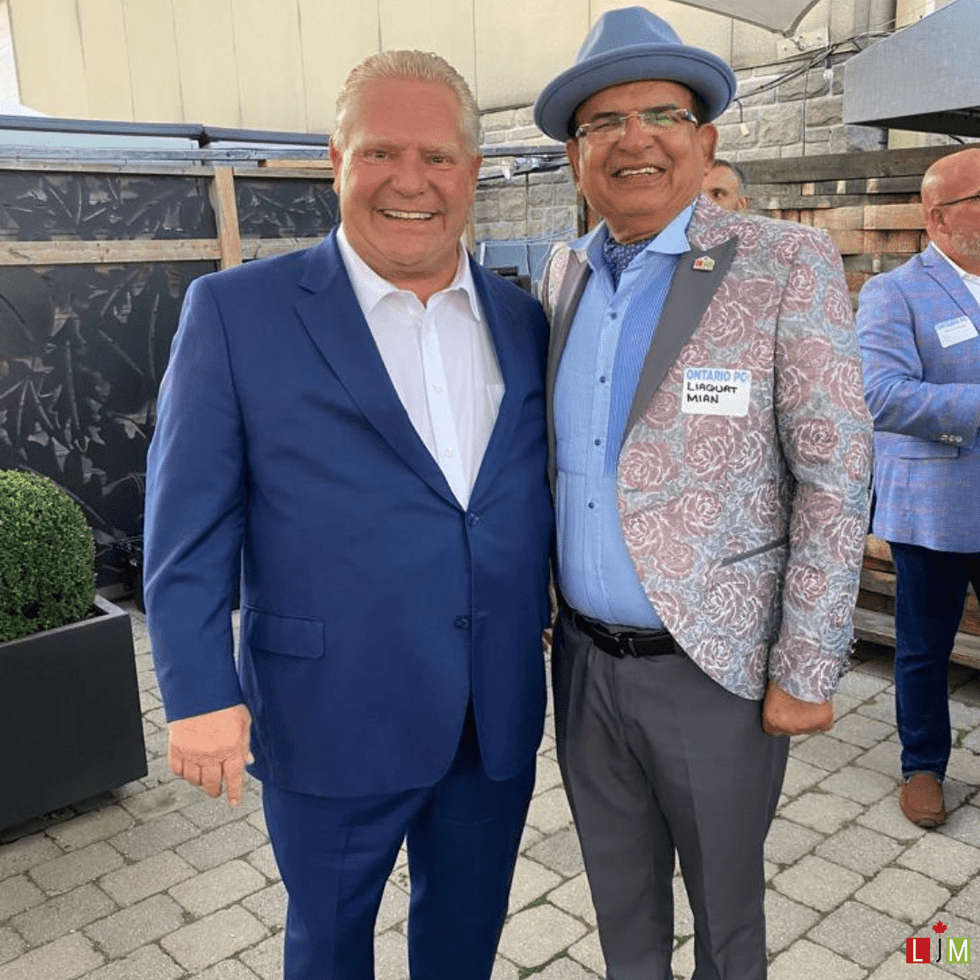 Ontario Premier Doug Ford and LJM Developments President Liaquat Mian. (LJM Developments)








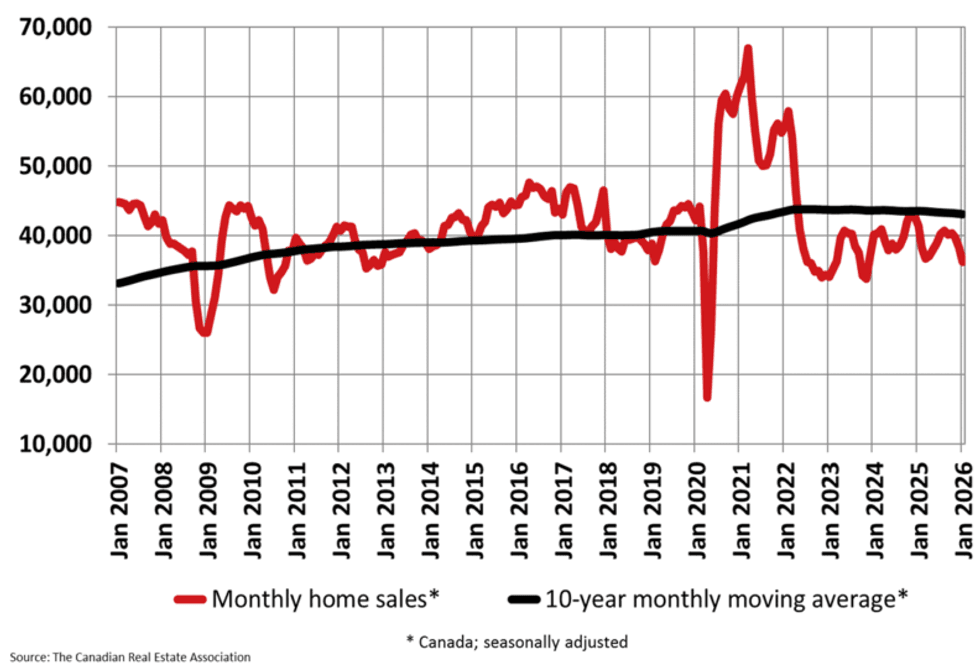 CREA
CREA

 401-415 King Street West. (JLL)
 Eric Lombardi at an event for Build Toronto, which is the first municipal project of Build Canada. Lombardi became chair of Build Toronto in September 2025.
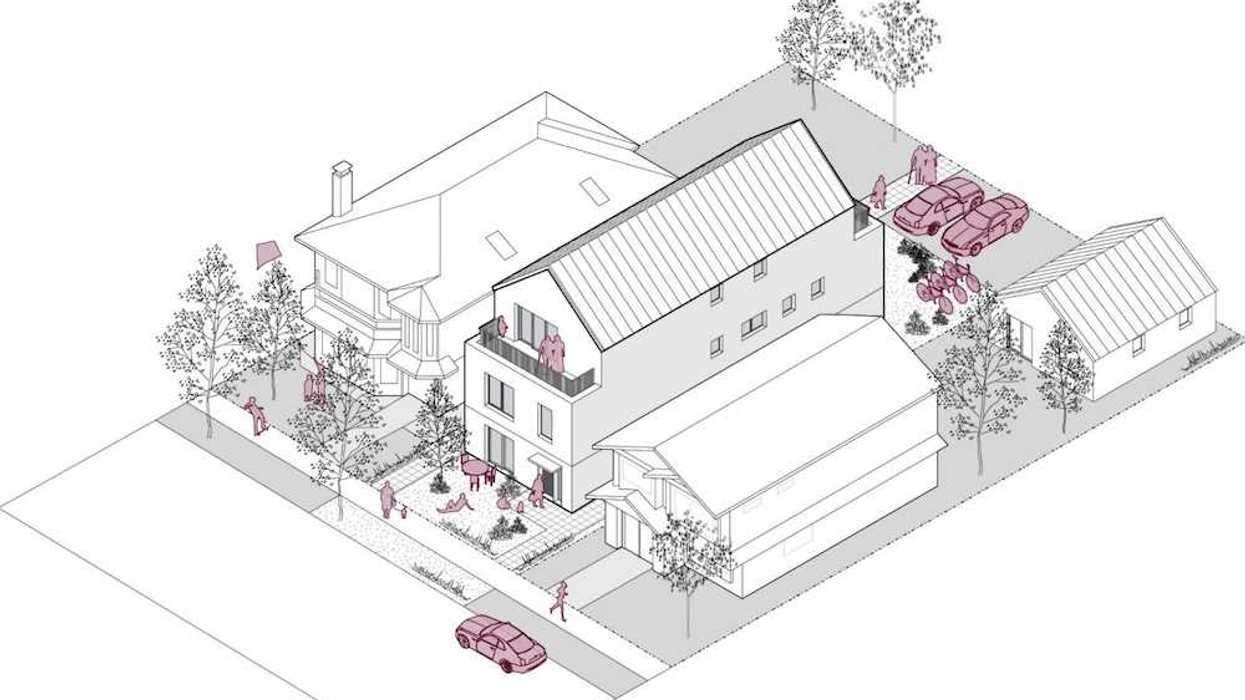
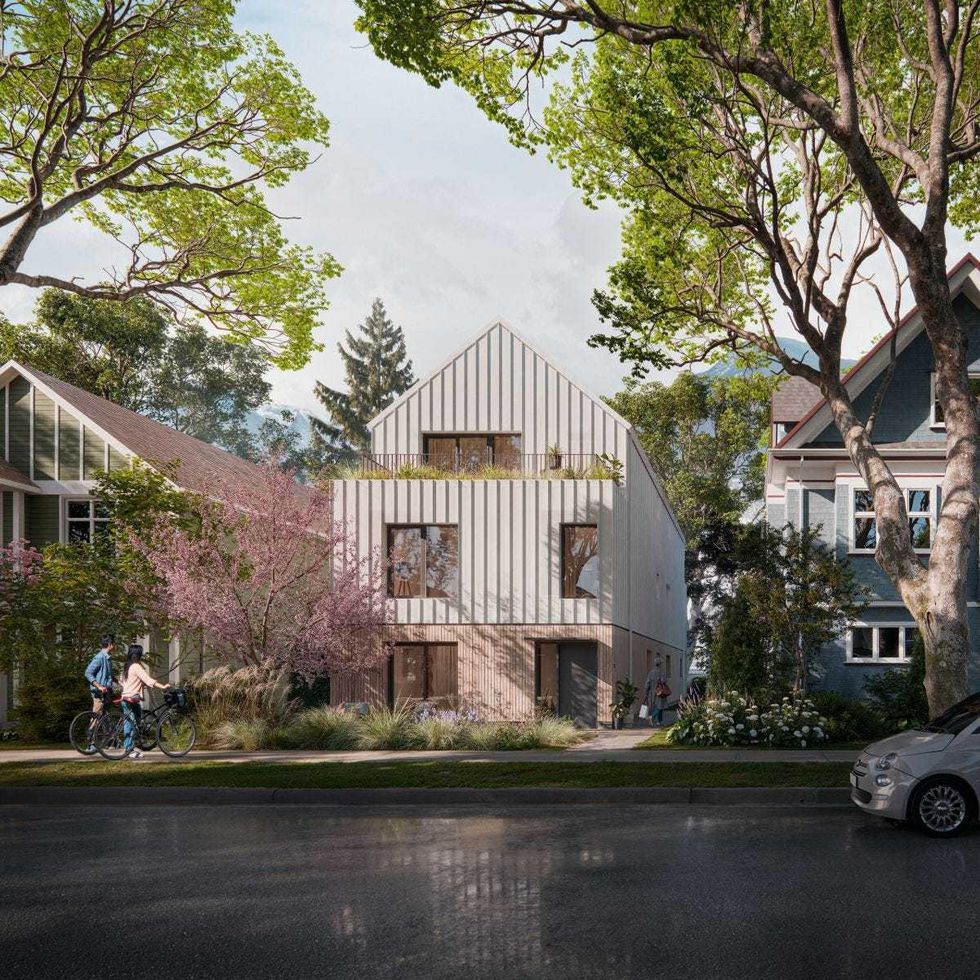 A rendering of the “BC Fourplex 01” concept from the Housing Design Catalogue. (CMHC)