Build-Back Provision
A build-back provision is a lease clause allowing landlords to reclaim tenant space for redevelopment, with defined notice and compensation terms.

September 30, 2025
What is a Build-Back Provision?
A build-back provision is a lease clause that permits landlords to reclaim or recapture part of a tenant’s leased space for redevelopment, expansion, or reconfiguration. Such clauses usually include conditions such as advance notice, compensation for tenant improvements, and rent adjustments for the remaining premises. This tool balances landlord flexibility with tenant protections and is often used in retail and commercial leases.
Why Build-Back Provisions Matter in Real Estate
Build-back provisions matter in real estate because they affect long-term leasing stability and tenant-landlord relations. Landlords benefit by retaining adaptability to redevelop properties without breaching leases. Tenants, however, may face operational disruptions or relocation costs. Careful negotiation of compensation, notice periods, and adjustment mechanisms is essential for risk mitigation. Lenders and buyers reviewing property income streams also examine these provisions when valuing assets.
Example of a Build-Back Provision in Action
In a shopping mall, a landlord invokes a build-back provision to reclaim 2,000 square feet of a tenant’s unit to accommodate a new anchor store. The landlord gives six months’ notice, compensates the tenant for improvements, and reduces rent proportionally for the smaller footprint.
Key Takeaways
- Build-back provisions provide landlords with flexibility.
- Clear compensation terms reduce tenant disputes.
- Relocation assistance may be negotiated into leases.
- These clauses affect property valuation and financing.
- Abstracting such provisions is crucial for portfolio management.
Related Terms
- Lease Agreement
- Tenant Improvements
- Demising Wall
- Lease Modification
- Rent Abatement










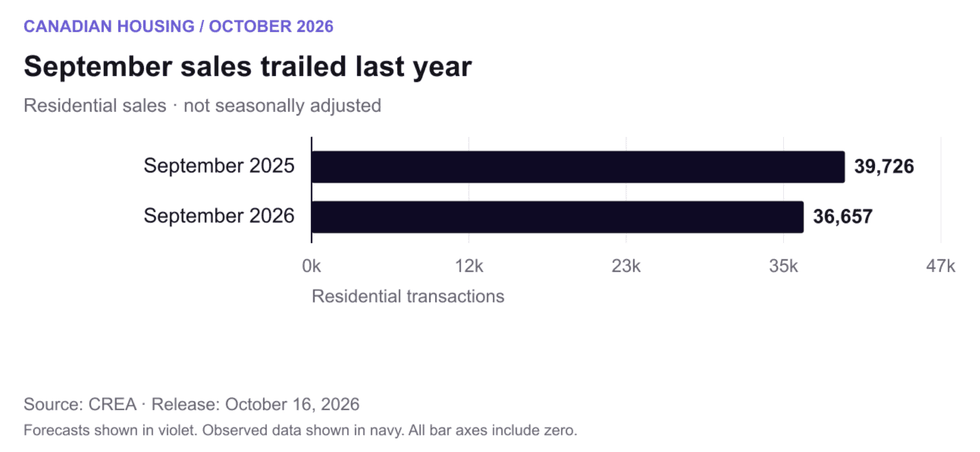 September residential sales, not seasonally adjusted; the annual comparison uses CREA’s revised figures. Chart:
 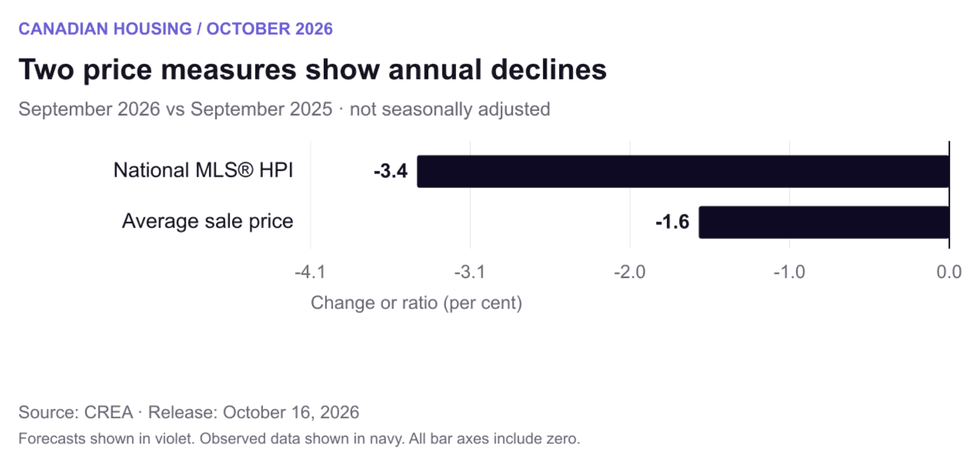 Annual changes in the unadjusted national MLS® HPI and average sale price. The average is affected by the mix of transactions. Chart:
 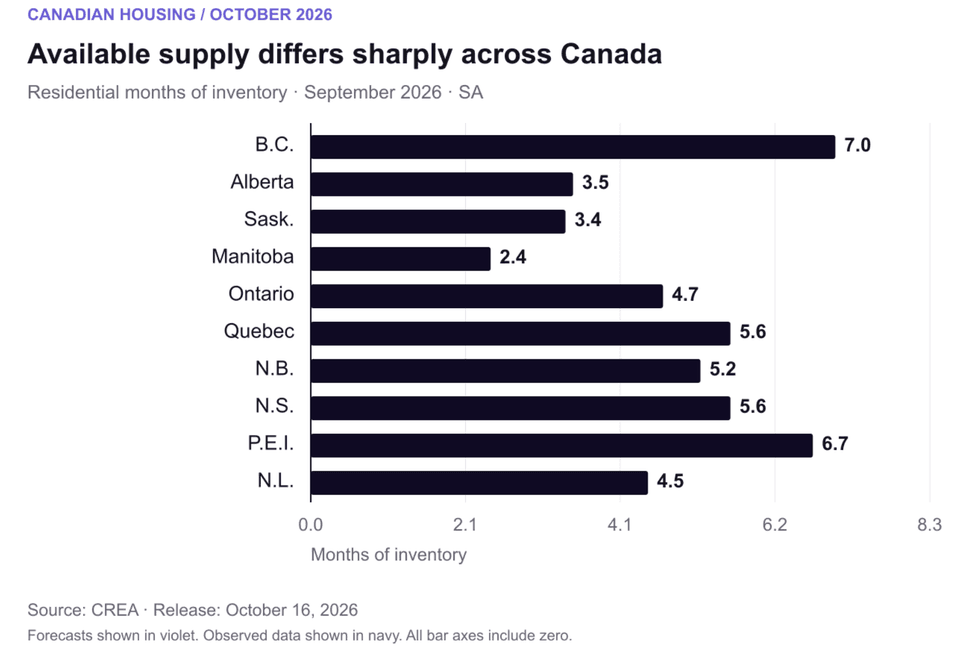 Seasonally adjusted residential months of inventory by province. Local property types can differ substantially. Chart:
 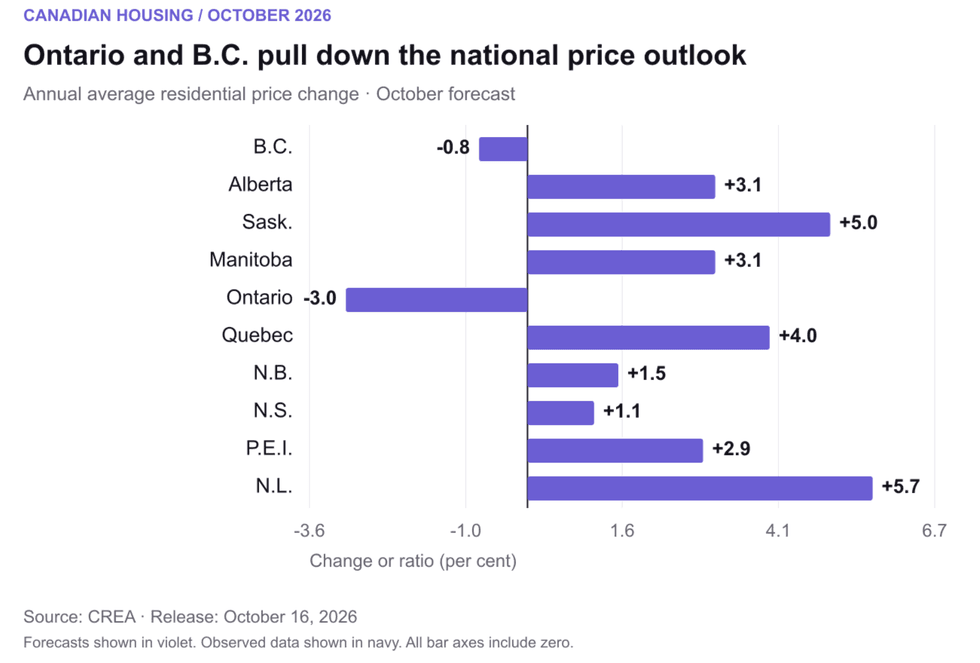 Ontario and B.C. are the two provinces with forecast annual average-price declines in 2026. Chart:
 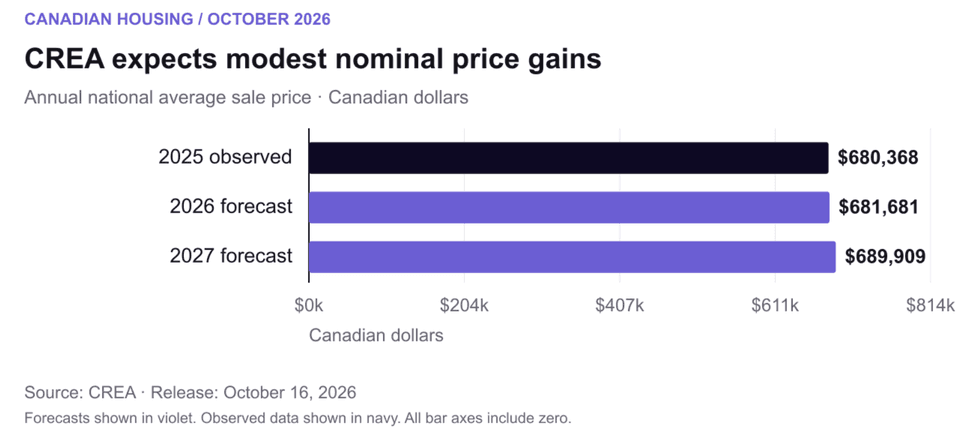 Annual average transaction prices in Canadian dollars. Forecast values are not December price targets. Chart:
 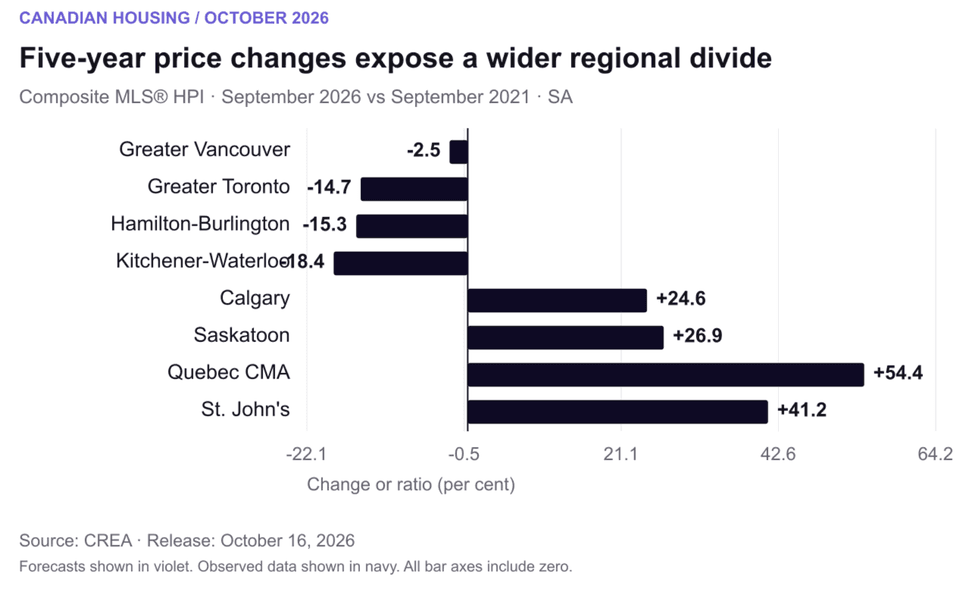 Five-year changes in seasonally adjusted composite MLS® HPI benchmarks, September 2021 to September 2026. Chart: