Blind Bidding
Explore what blind bidding means in Canadian real estate, how it affects buyers and sellers, and why it’s a controversial practice in hot housing markets.

May 22, 2025
What is Blind Bidding?
Blind bidding is a real estate practice where buyers submit offers without knowing the details of competing bids, often resulting in higher sale prices and reduced transparency.
Why Blind Bidding Matters in Real Estate
Blind bidding plays a significant role in competitive Canadian housing markets, especially in hot urban centers like Toronto and Vancouver. Under this system, buyers submit their best offer on a property without access to any information about other bids—such as price, conditions, or timing.
This lack of transparency can lead to inflated home prices as buyers attempt to outguess their competition, often by offering well above asking price or removing protective conditions like financing and inspections. Sellers benefit from this upward pressure on price, but buyers face the risk of overpaying or making emotionally charged decisions.
Blind bidding has sparked national debate, with critics arguing that it contributes to housing unaffordability and market volatility. In response, some provinces have considered or proposed alternatives such as open bidding systems or auction-style formats to increase transparency and fairness.
Understanding blind bidding helps buyers make informed decisions, prepare competitive offers within budget, and recognize when to walk away. It's also essential for sellers and agents to understand the legal and ethical responsibilities involved in handling multiple offers within this system.
Example of Blind Bidding
A buyer in Ottawa submits a $750,000 offer on a home listed at $699,000. They have no knowledge of competing bids and later discover the winning offer was only $710,000—suggesting they may have overbid significantly.
Key Takeaways
- Involves making an offer without knowledge of other bids.
- Common in competitive Canadian real estate markets.
- Can drive up prices and pressure buyers to waive conditions.
- Controversial due to its lack of transparency.
- Alternatives like open bidding are being explored by regulators.
Related Terms
- Bidding War
- Sellers' Market
- Buyer’s Agent
- Firm Offer
- Conditional Offer
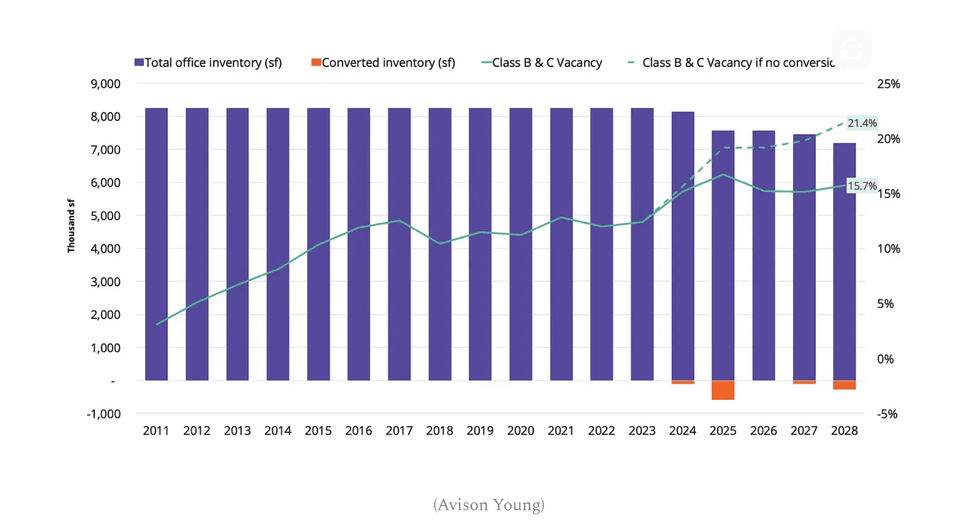 (Avison Young)
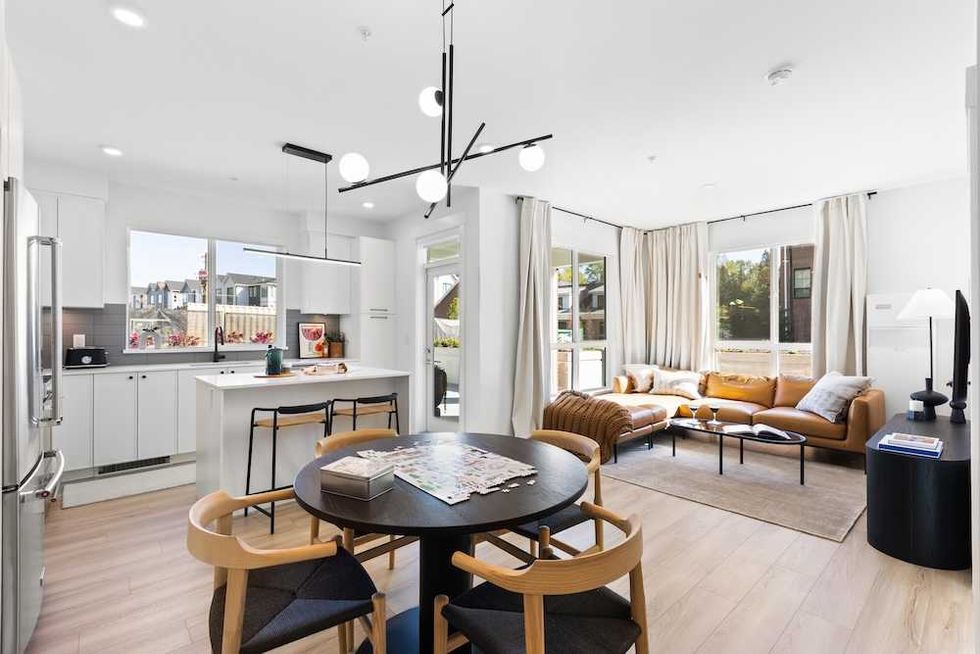 The Mason Suite Interior (Infinity Properties)
 The Mason Suite Interior (Infinity Properties)
 Rail District aerial (Infinity Properties)
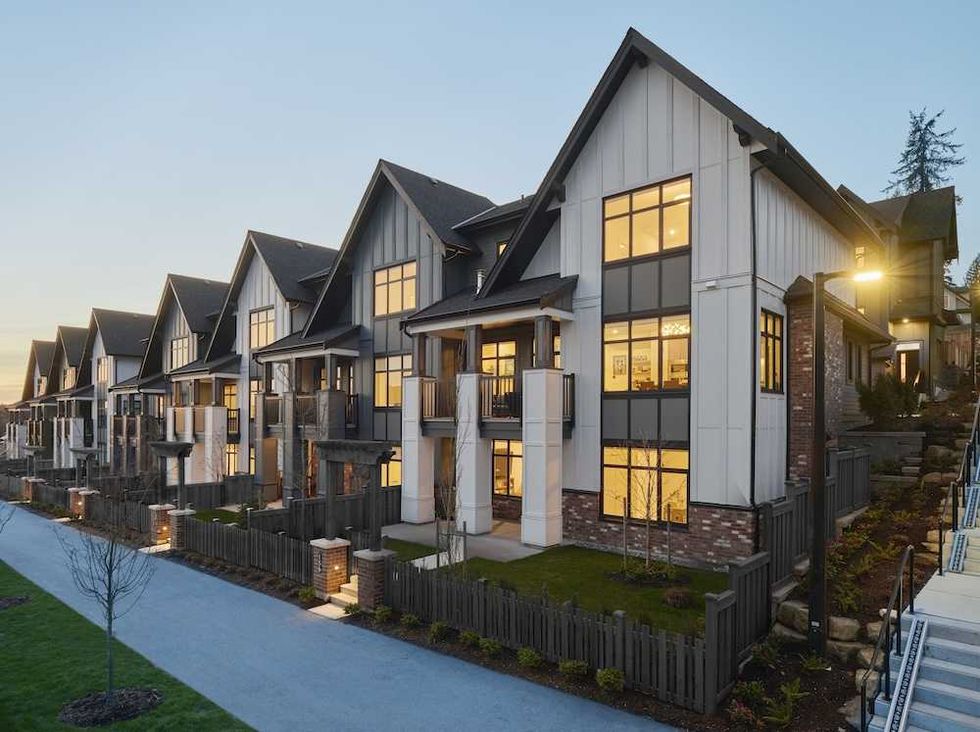 Versant (Infinity Properties)


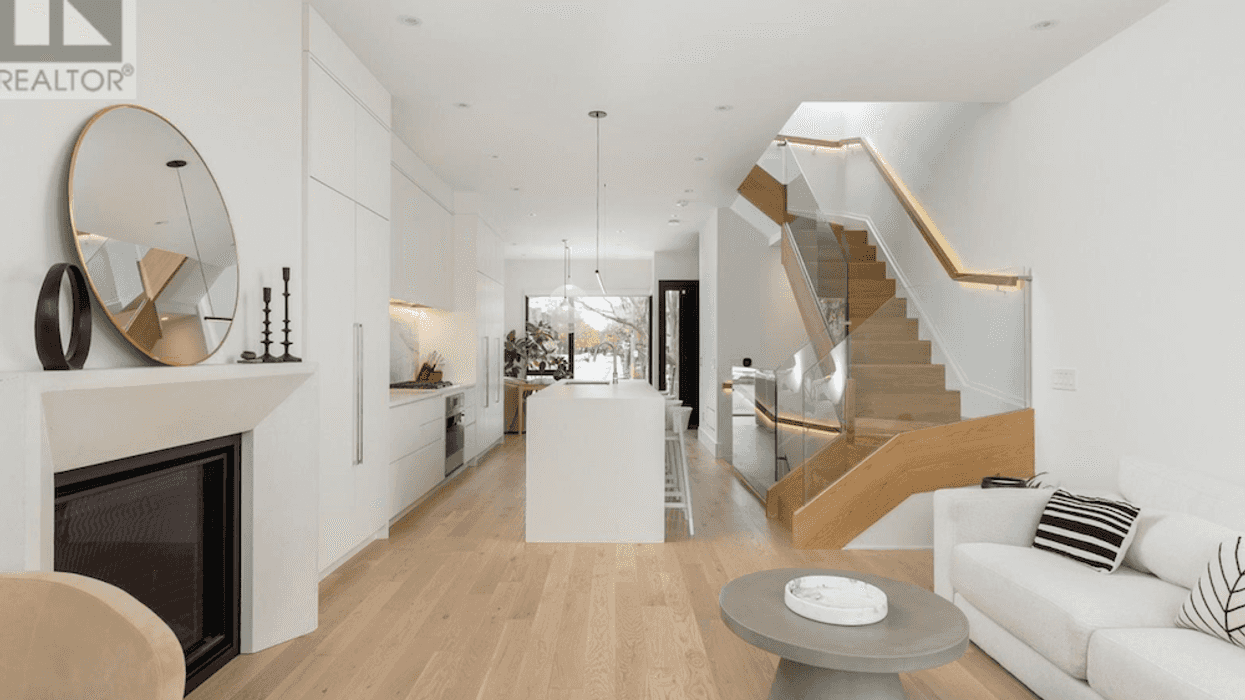





 Narrow Fourplex (City of Toronto)
 Wide Sixplex - Side View (City of Toronto)
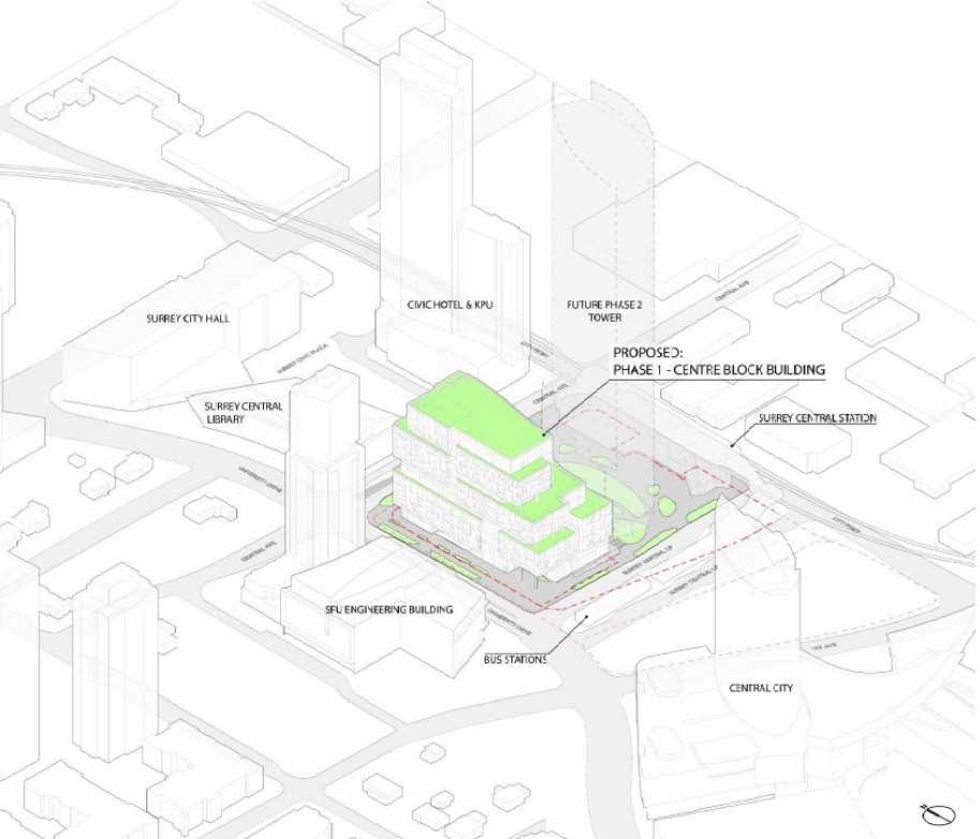 Centre Block and its surrounding context. (Stantec-Revery, SCDC)
 The 12-storey Phase One of Centre Block. (Stantec-Revery, SCDC)
 The 12-storey Phase One of Centre Block. (Stantec-Revery, SCDC)
 Mondria One, set for 1607 King Street East in Clarington, Ontario. (ICON Architects Inc., Monde Development Group)